About
About Exhibit House of Las Vegas
Exhibit House of Las Vegas handles booth design, rentals, fabrication, logistics, venue coordination, and show-week execution as one connected program so clients can move from concept to opening day without handoff chaos.
One team for the full exhibit rhythm
Exhibit work in Las Vegas rarely stays inside one neat discipline. A booth design choice changes fabrication, graphics, freight, labor, storage, and the amount of show-site supervision the client will need once the install begins. Exhibit House of Las Vegas is structured to carry those decisions together so the project keeps one operating rhythm from kickoff through dismantle. That approach matters because the city mixes major halls, resort venues, conference programs, launches, sponsor activity, and meeting-driven events in the same calendar. Clients usually need one team that can keep the moving parts connected instead of asking them to reconcile several separate vendor views of the same job.
That connected approach also gives the client a clearer way to make decisions. Marketing can evaluate the booth story, operations can evaluate the venue path, and procurement can evaluate the cost and scope without each group having to translate the job from scratch. When those discussions happen in one shared framework, approvals move faster and the project stays closer to the business objective that brought the team to Las Vegas in the first place.
Planning for the realities of the Las Vegas market
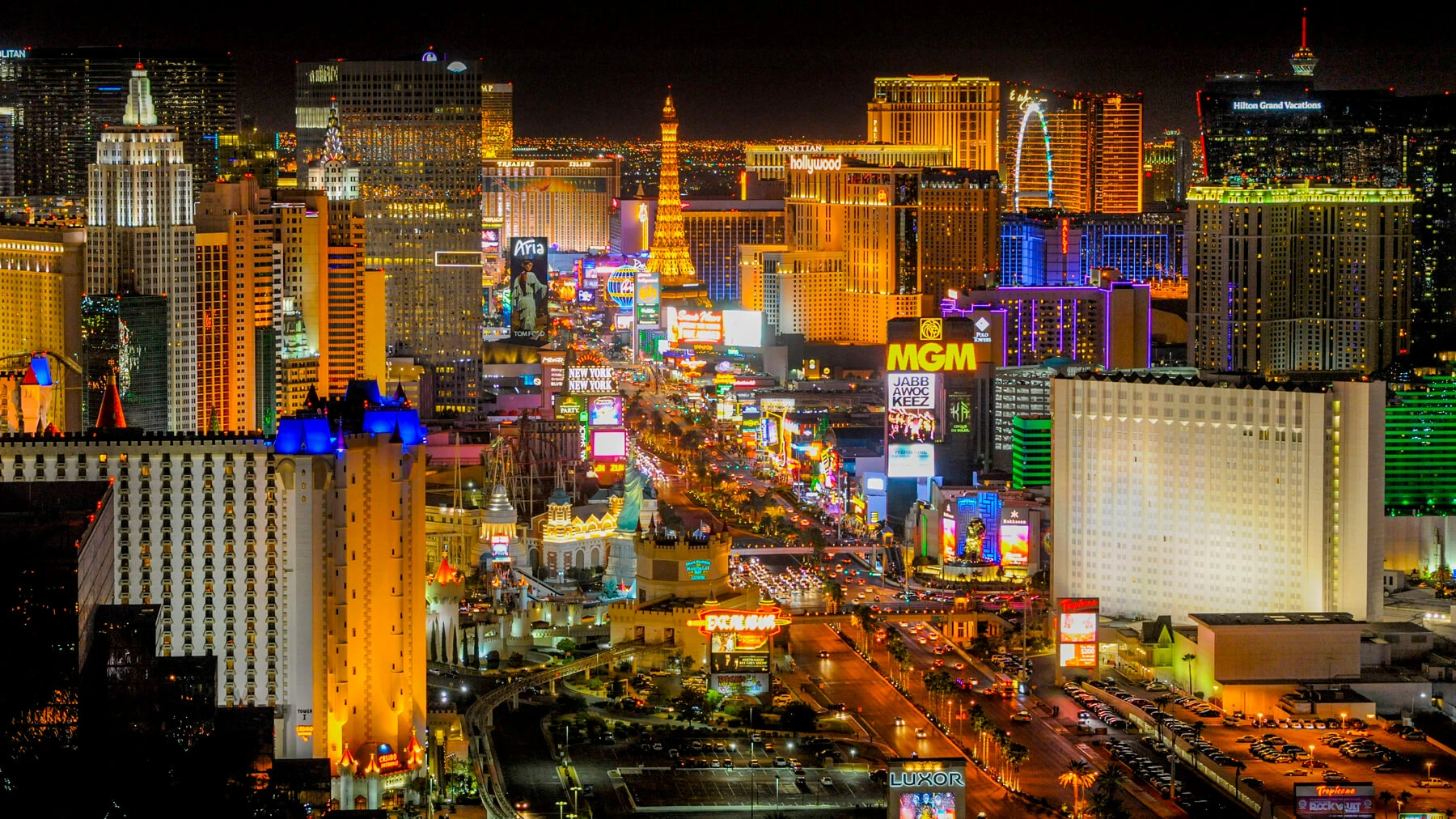
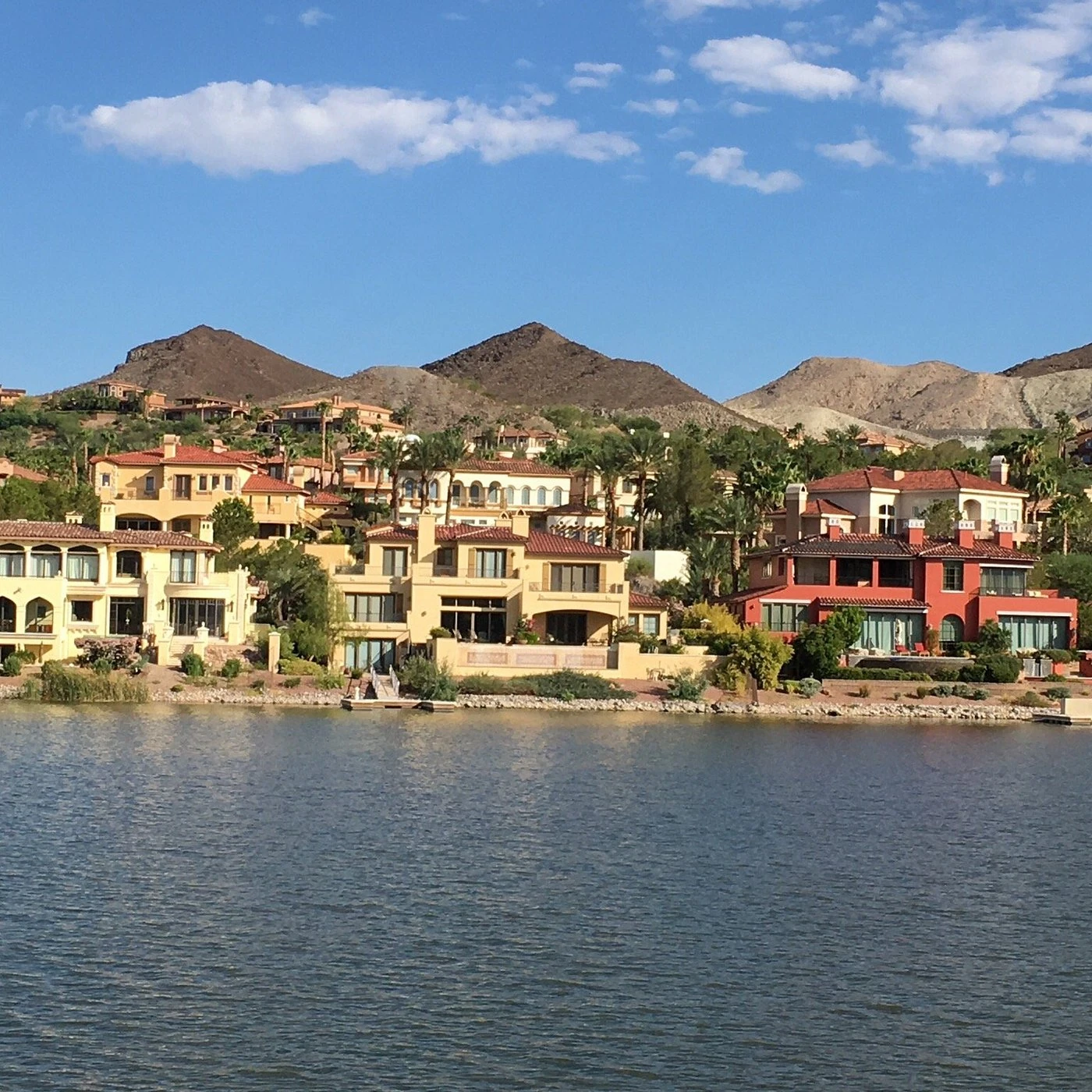
Las Vegas rewards teams that respect how different the rooms can be from one another. A program in the Convention Center District has a very different rhythm from a launch on the Strip, a conference in Summerlin, or a resort-based meeting in Henderson or Lake Las Vegas. That difference shows up in freight timing, labor planning, guest flow, hospitality, and how much of the booth strategy should be fixed early versus kept flexible until the venue specifics are confirmed. The work gets stronger when those conditions are treated as practical inputs instead of as late-stage complications.
That is why venue fit comes up so early in the conversation. The room changes what a booth should look like, how it should be built, and how it should be supported once the event goes live. The better the team understands that local operating reality, the easier it becomes to protect budget, schedule, and the experience guests will have once the floor opens.
Creative work that survives show pressure
A strong concept is important, but a strong concept without production discipline does not hold up for long in a live event environment. The booth has to make sense from the aisle, support the sales team, and still remain practical for graphics, AV, freight, utilities, and show-site labor. Exhibit House of Las Vegas approaches creative work with those real conditions already in mind so the final environment can stay sharp under schedule pressure instead of depending on last-minute heroics from the field team.
That mindset leads to better priorities. It helps the client decide where visual ambition is most valuable, where operational simplicity protects the outcome, and how the budget should be split between the parts of the booth guests will remember and the parts that quietly keep the booth functioning all day long.
Production, logistics, and field control
The physical side of the program matters just as much as the concept. Graphics approvals, fabrication timing, rental availability, freight sequence, labor starts, and outbound planning all influence whether the booth opens calmly or under visible strain. The company treats those steps as part of the core exhibit work rather than as back-office details because they directly affect quality on the floor. A booth with a clean install sequence almost always feels more polished to the client and more welcoming to the attendee.
Field control matters for the same reason. Someone has to protect the critical path, communicate clearly when conditions change, and keep the install focused on what truly moves the job forward. That steady show-site leadership is what lets the brand team focus on guests and conversations instead of spending the day managing avoidable friction.
Built for repeat use, not one-off chaos
Many clients do not stop at one Las Vegas event. They return for future shows, spin booth assets into sponsor moments, or reuse parts of the program for conferences, launches, and roadshows elsewhere. The company plans with that long view in mind by thinking about storage, refurbishment, graphics refresh, and how today's decisions will affect the next event on the calendar. That is often where the project starts creating more value over time instead of repeating the same mistakes at every new date.
A disciplined post-show review strengthens that process further. It captures what worked in the room, what created pressure, how the labor plan actually performed, and which assets deserve to travel again. Those lessons turn one finished event into a better starting point for the next one.
Working smoothly with brand, sales, and operations teams
Most exhibit programs involve several internal stakeholders with different priorities. Brand teams care about presentation, sales teams care about conversation flow and lead quality, and operations teams care about timing, access, and the physical realities of the booth. A successful exhibit partner makes those priorities easier to align instead of forcing each group to argue from its own corner. That is one of the practical benefits of carrying creative, production, logistics, and show-site execution under one umbrella.
The result is a cleaner planning process and a booth that feels more intentional once it is live. Decisions get made with a better view of their downstream effects, the client has fewer surprise handoffs to manage, and the final environment reflects the actual way the event needs to perform. That is the standard Exhibit House of Las Vegas aims to protect on every program.
Top venues
See all venues