Las Vegas Venues
Mandalay Bay Convention Center Resort and Casino: Strategic Exhibit Planning Guide
Authoritative coordination insights for maximizing trade show impact at one of Las Vegas Strip South's most integrated convention destinations.
Understanding the Mandalay Bay Convention Center Environment
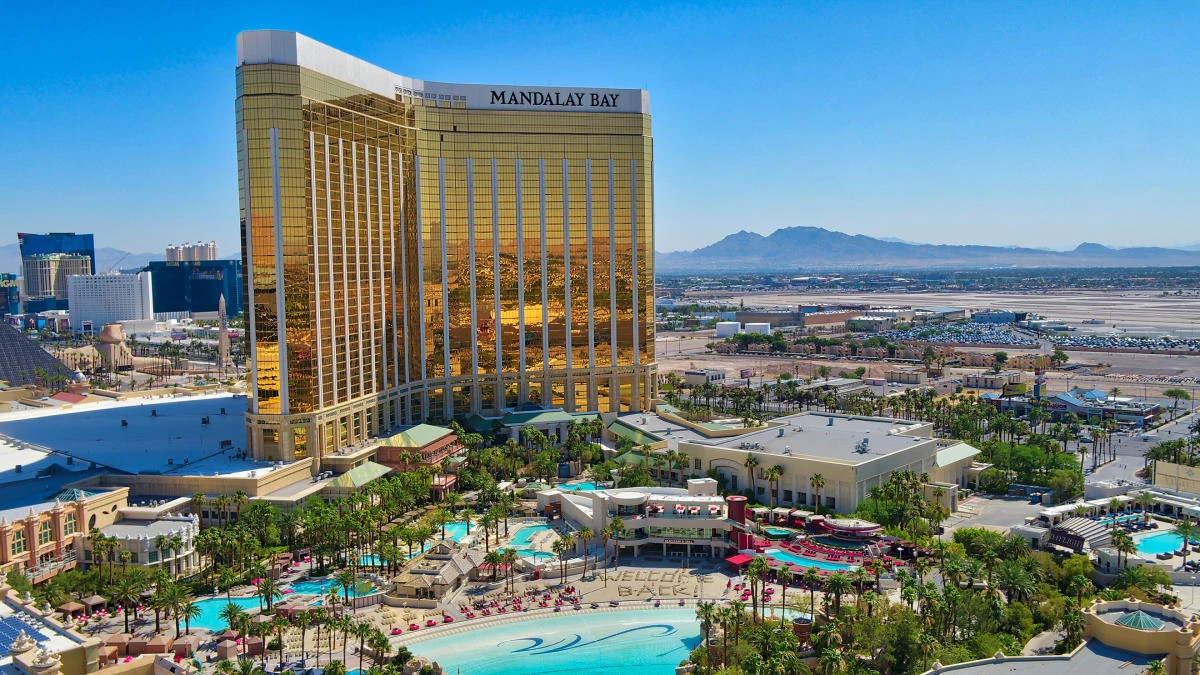
The Mandalay Bay Convention Center Resort and Casino functions as a self-contained ecosystem where convention activities intersect continuously with resort hospitality. This configuration influences attendee behavior in ways that differ markedly from standalone convention facilities. Planners benefit from mapping these intersections early in the coordination process to identify optimal times for demonstrations, hospitality functions, and interactive experiences that align with natural movement patterns across the property.
Within the Strip South district, Mandalay Bay offers a balance of accessibility from McCarran Airport and separation from the highest-density portions of the Las Vegas Strip. This positioning affects transportation planning, hotel booking patterns, and the overall energy level surrounding events. Coordination efforts should account for these district-level characteristics when developing staffing models, exhibit scheduling, and promotional timing to ensure alignment with expected attendee arrival and departure rhythms.
The property's thematic elements, reflecting a sophisticated tropical aesthetic, provide a backdrop that can be referenced in exhibit design and messaging. Rather than treating the venue as neutral space, strategic coordinators incorporate subtle alignments that enhance coherence between the environment and brand presentation. This approach contributes to stronger memorability without requiring direct operational involvement in the physical space itself.
Early analysis of event-specific factors including expected attendance, industry focus, and concurrent programming allows for more precise preparation. By treating the Mandalay Bay Convention Center as a distinct planning context rather than a generic exhibition hall, organizations position themselves for more effective resource allocation and higher return on their exhibition investment.
Strategic Positioning Within the Las Vegas Strip South Cluster
Mandalay Bay Convention Center forms part of the Strip South cluster, a grouping that includes properties offering resort-integrated meeting facilities distinct from the Convention Center District or Strip Central concentrations. This clustering creates both competitive and collaborative dynamics that informed coordinators monitor when developing event strategies. The relative position supports certain event formats particularly well, especially those benefiting from the combination of business facilities and leisure amenities in a single destination.
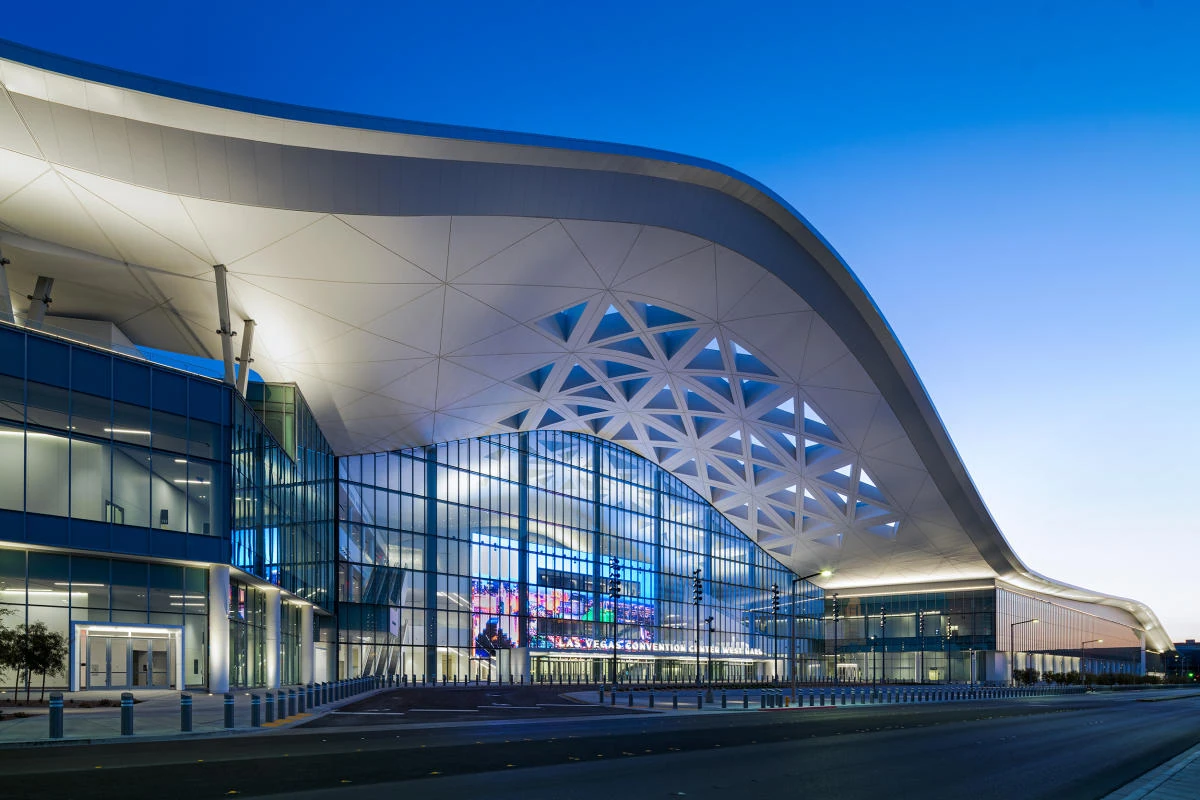
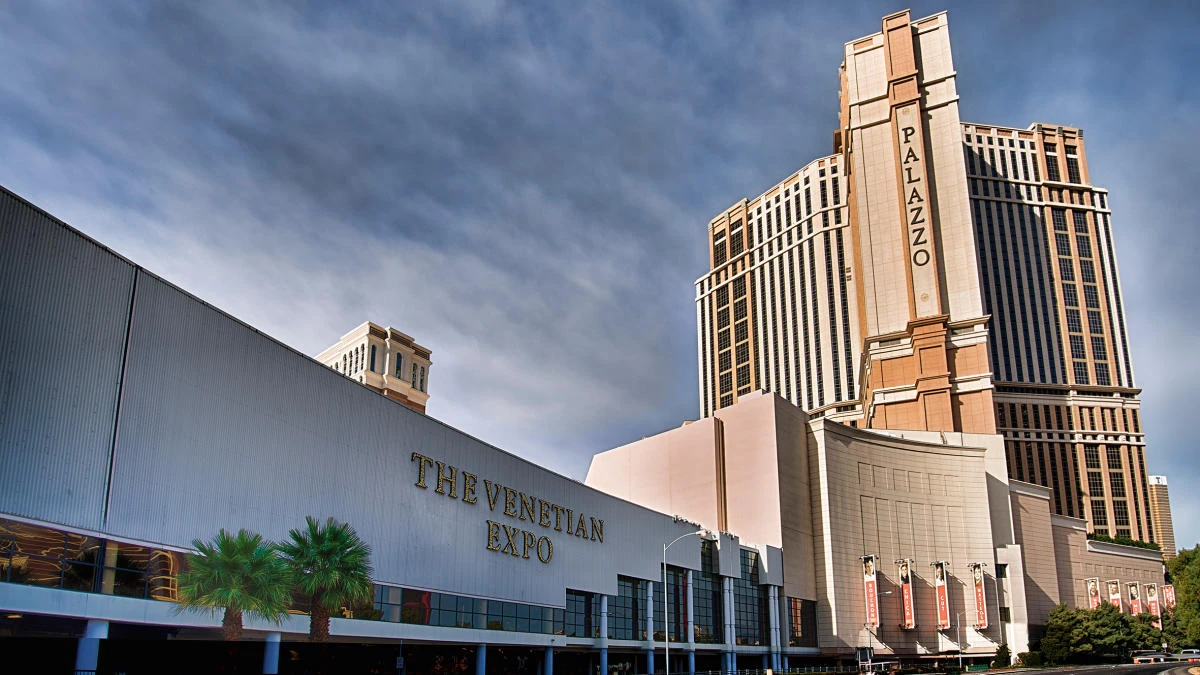
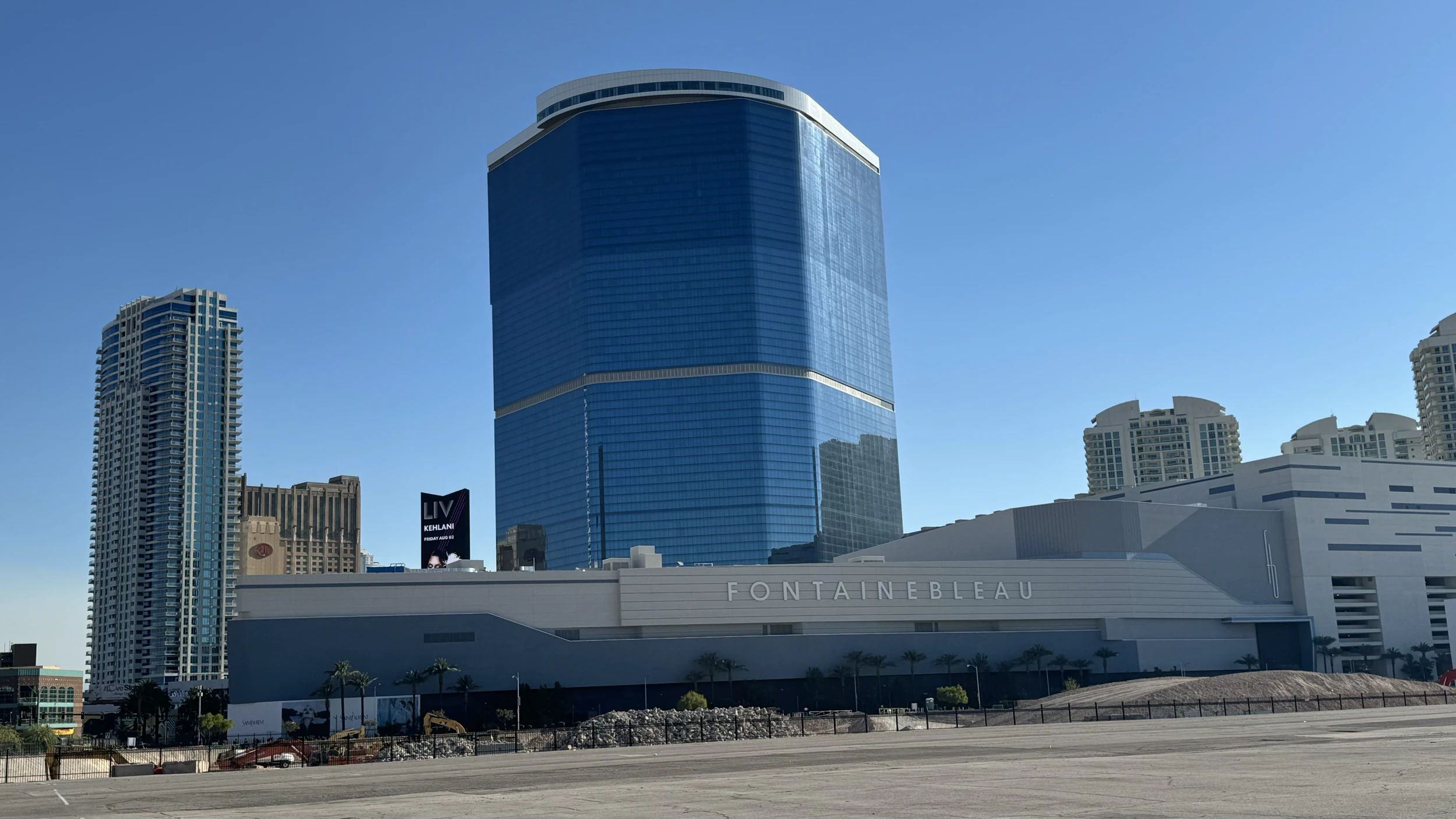
When comparing options across Las Vegas venues, the Mandalay Bay environment presents different considerations than those found at the Las Vegas Convention Center, the Venetian Expo, or Fontainebleau Las Vegas. The integrated resort model encourages longer on-property stays, which can translate into increased opportunities for exhibit engagement across multiple days. Planning accordingly involves designing experiences that reward repeat visits rather than one-time interactions.
The south Strip location also influences ancillary planning elements including recommended routing for materials, considerations for attendee transportation from other districts, and potential partnerships with nearby properties for extended programming. While direct execution remains the responsibility of official channels, understanding these relationships allows for more sophisticated coordination plans that anticipate potential variables.
Successful navigation of the Strip South cluster requires awareness of how different properties complement or contrast with one another. Mandalay Bay's particular scale and amenity mix supports events seeking to create immersive experiences that extend beyond traditional exhibit hours, a factor that should inform both pre-event communications and on-site programming decisions.
Operational Coordination Frameworks for Mandalay Bay
Effective coordination for the Mandalay Bay Convention Center begins with comprehensive timeline development that spans from initial concept through post-event reporting. This extended view helps identify dependencies between different event phases and prevents last-minute adjustments that can compromise outcomes. Particular attention to move-in and move-out windows is essential given the volume of events hosted at major Las Vegas properties and the potential for overlapping schedules in the Strip South district.
Documentation management represents another critical coordination pillar. Maintaining organized records of all venue requirements, approval processes, and technical specifications ensures compliance while reducing administrative burden during the active event period. This systematic approach allows planning teams to focus on strategic elements rather than reactive problem-solving.
Staff preparation and briefing protocols should reflect the specific characteristics of the Mandalay Bay environment, including its resort atmosphere and the expectations of attendees who may be balancing professional and leisure activities. Detailed orientation materials that address property navigation, interaction guidelines, and escalation procedures contribute to consistent performance across all team members.
The planning phase also offers the optimal window for risk assessment and contingency development. By identifying potential disruption points specific to this venue and district, coordinators can implement monitoring systems and alternative approaches that maintain program integrity even when unexpected variables arise.
Technology Integration and Infrastructure Planning
The Mandalay Bay Convention Center supports advanced technology implementations that can significantly enhance exhibit effectiveness when coordinated properly. Planning for these capabilities requires early assessment of requirements for power, connectivity, data transmission, and equipment compatibility with the venue's infrastructure. This foresight prevents technical limitations from constraining creative concepts developed during the design phase.
Interactive displays, real-time data visualization, and smooth presentation systems have become standard expectations at major Las Vegas events. At Mandalay Bay, the integration of these technologies with the resort environment creates opportunities for innovative approaches that bridge business objectives with experiential elements. Coordination involves ensuring that technical elements complement rather than compete with the overall property aesthetic and flow.
Successful technology deployment also depends on thorough testing protocols scheduled well in advance of the event. This preparation includes verification of backup systems and development of operator training specific to the configurations available at this venue. When integrated thoughtfully, technology becomes a powerful tool for extending engagement time and improving message retention among attendees.
Emerging solutions in areas such as mobile integration, augmented reality, and contactless interaction continue to evolve the possibilities for Mandalay Bay exhibits. Staying informed about these developments during the planning stage allows for appropriate incorporation of forward-looking elements that differentiate participation while remaining grounded in practical execution considerations.
Differentiating Mandalay Bay From Other Las Vegas Venues
Each Las Vegas venue presents distinct planning considerations that should shape exhibit strategy. The Mandalay Bay Convention Center's combination of convention facilities with extensive resort, dining, and entertainment options creates a different context than found at the standalone Las Vegas Convention Center or the more specialized setups at Westgate Las Vegas Resort and Casino. This integrated model supports approaches that incorporate hospitality elements and multi-day engagement strategies.
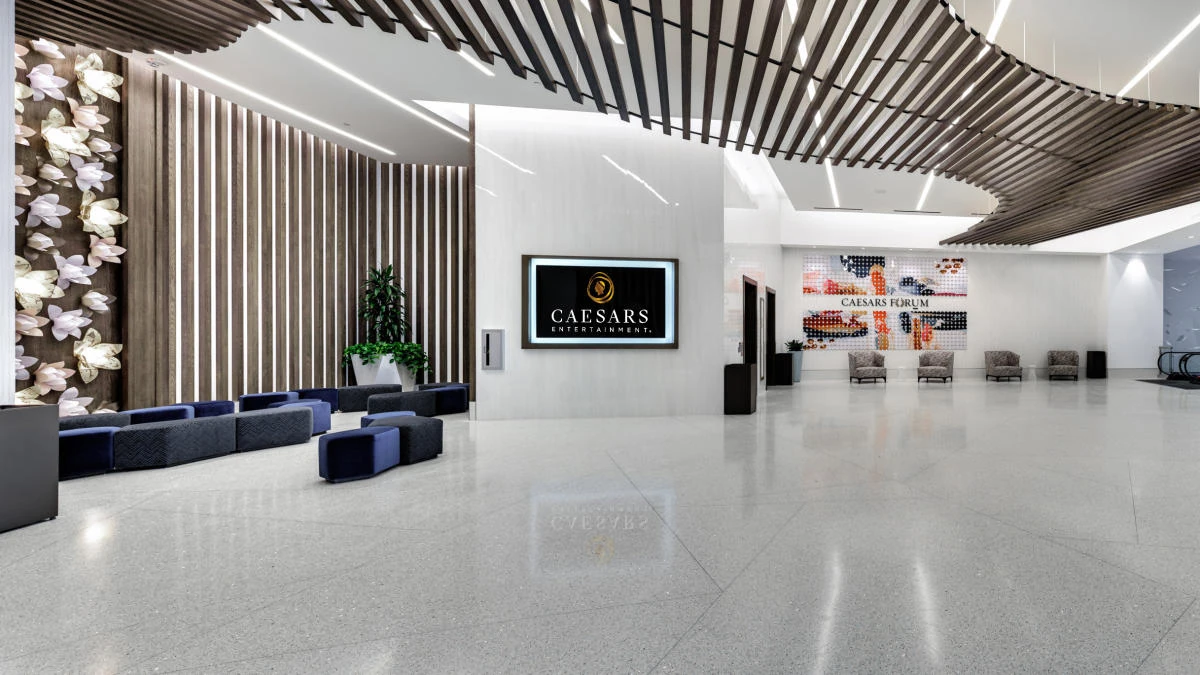
Properties like the Venetian Expo and Caesars Forum Conference Center offer their own architectural and operational characteristics that reward different coordination emphases. Similarly, boutique options such as Alexis Park All Suite Resort, Virgin Hotels Las Vegas, Fontainebleau Las Vegas, Green Valley Ranch Resort and Spa, and Hilton Lake Las Vegas Resort and Spa each bring unique attributes to event planning. Understanding these distinctions allows for more precise alignment between event objectives and venue selection.
Within this diverse ecosystem, Mandalay Bay stands out for its scale combined with thematic coherence and south Strip positioning. These factors influence recommendations regarding exhibit scale, messaging tone, technology deployment, and staff interaction models. Coordinators who adapt their frameworks to these specifics typically achieve stronger alignment between their presence and attendee expectations.
The comparative analysis across venues extends beyond physical attributes to include considerations of typical audience profiles, competitive density, and ancillary programming opportunities. This broader perspective informs not only how to approach Mandalay Bay specifically but how it fits within an organization's overall Las Vegas event portfolio.
Designing Exceptional Attendee Experiences
The competitive environment of Las Vegas events requires deliberate focus on creating meaningful attendee experiences at the Mandalay Bay Convention Center. This involves moving beyond basic information delivery to develop interactions that respect the integrated resort context while advancing specific business objectives. Experiences that successfully balance educational value, interactive elements, and hospitality considerations tend to generate stronger connection and recall.
Traffic management within the exhibit space should account for the particular flow patterns associated with resort-integrated venues, where attendees may arrive in varied states of schedule intensity. Strategic placement of key engagement zones, demonstration areas, and conversation spaces helps optimize dwell time and conversation quality. These spatial decisions benefit from early modeling based on expected attendance and concurrent programming.
Staff preparation plays a central role in experience delivery. Coordination includes developing interaction protocols that reflect both brand standards and the specific environment of Mandalay Bay. When team members understand how to leverage the property's unique characteristics in conversations, they can create more natural and productive engagements with visitors.
The attendee experience extends beyond the exhibit floor through strategic use of digital extensions, follow-up sequences, and measurement frameworks. By designing these elements as integrated components rather than afterthoughts, planners ensure that the momentum established during the Mandalay Bay event continues to deliver value long after the conclusion of on-site activities.
Post-Event Analysis and Continuous Improvement
Comprehensive coordination for Mandalay Bay events includes structured approaches to post-event analysis that capture both quantitative metrics and qualitative insights. This evaluation phase transforms individual events into data points that inform future participation strategies across the Las Vegas market. Establishing clear success criteria during initial planning ensures that appropriate measurement mechanisms are in place from the beginning.
The unique characteristics of the Mandalay Bay Convention Center suggest specific metrics that may carry particular weight, including indicators of engagement depth, repeat visits, and integration with resort amenities. Analysis frameworks should account for these venue-specific factors rather than applying generic evaluation models that might miss important nuances of the integrated resort experience.
Insights gathered from Mandalay Bay events often reveal opportunities for refinement in areas ranging from pre-event communication to exhibit design elements and staff briefing effectiveness. Systematic documentation of these findings creates institutional knowledge that improves performance over time across multiple venues and event types.
The most effective planning resources close the loop by incorporating analysis outcomes into subsequent coordination cycles. This iterative approach ensures continuous alignment between strategy and the evolving realities of major Las Vegas venues including the distinctive environment found at Mandalay Bay.
Frequently asked questions
How does planning for the Mandalay Bay Convention Center differ from the Las Vegas Convention Center?
The integrated resort model at Mandalay Bay creates different attendee flow patterns, extended engagement opportunities, and experiential considerations compared to standalone facilities. Coordination emphasizes leveraging the full property ecosystem while the Las Vegas Convention Center typically requires focus on more traditional exhibit hall dynamics within a larger dedicated convention campus.
When should coordination begin for an exhibit at Mandalay Bay?
Strategic planning should commence eight to twelve months prior to the event date to allow sufficient time for concept development, technology assessment, staff preparation, and alignment with venue-specific requirements. Earlier initiation provides competitive advantages in securing optimal positioning and resources.
What role does the Strip South district play in Mandalay Bay event planning?
The district location influences transportation considerations, attendee demographics, competitive density, and potential for multi-venue programming. Understanding these factors allows for more precise timing, messaging, and logistical coordination that aligns with the specific characteristics of south Strip events.
How important is technology planning for success at this venue?
Technology serves as a key differentiator when coordinated with the venue's infrastructure and overall event objectives. Proper planning ensures smooth integration that enhances rather than complicates the attendee experience, supporting everything from interactive displays to data collection and presentation systems.
What metrics best indicate success for Mandalay Bay exhibits?
Effective evaluation combines quantitative measures such as qualified lead volume and engagement duration with qualitative assessments including brand perception, message retention, and relationship development. Venue-specific factors like utilization of resort amenities should inform the analysis framework.
How can exhibitors differentiate their approach at Mandalay Bay versus other Las Vegas venues?
Differentiation comes from adapting strategies to the integrated resort context, incorporating thematic alignment, designing for extended stays, and leveraging the distinct energy of the Strip South cluster. Each venue including Venetian Expo, Fontainebleau, and Westgate requires its own tailored coordination framework.
Top venues
See all venues