Las Vegas Markets
Trade Show Exhibit Planning for Las Vegas, NV
Las Vegas demands precise coordination that respects the distinct operational profiles of its convention corridor, the Strip, Summerlin, Henderson and surrounding districts.
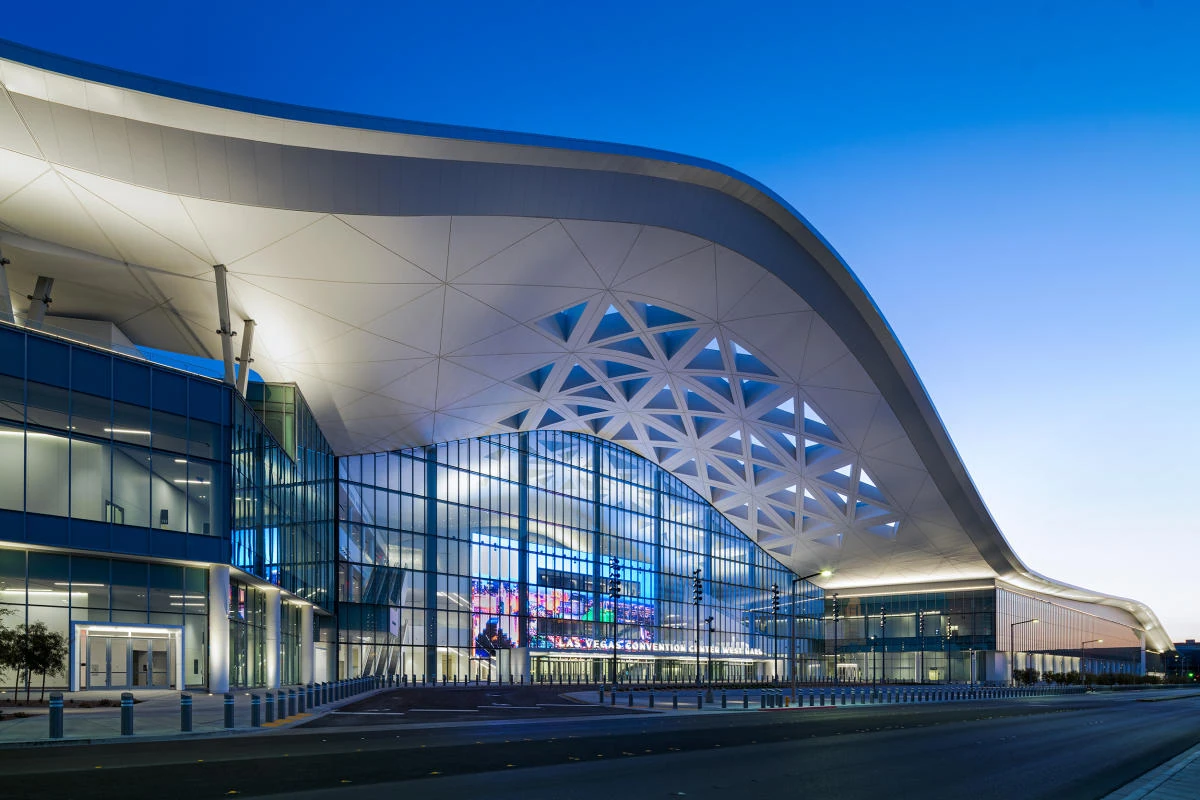
The Las Vegas Convention Center as Regional Anchor
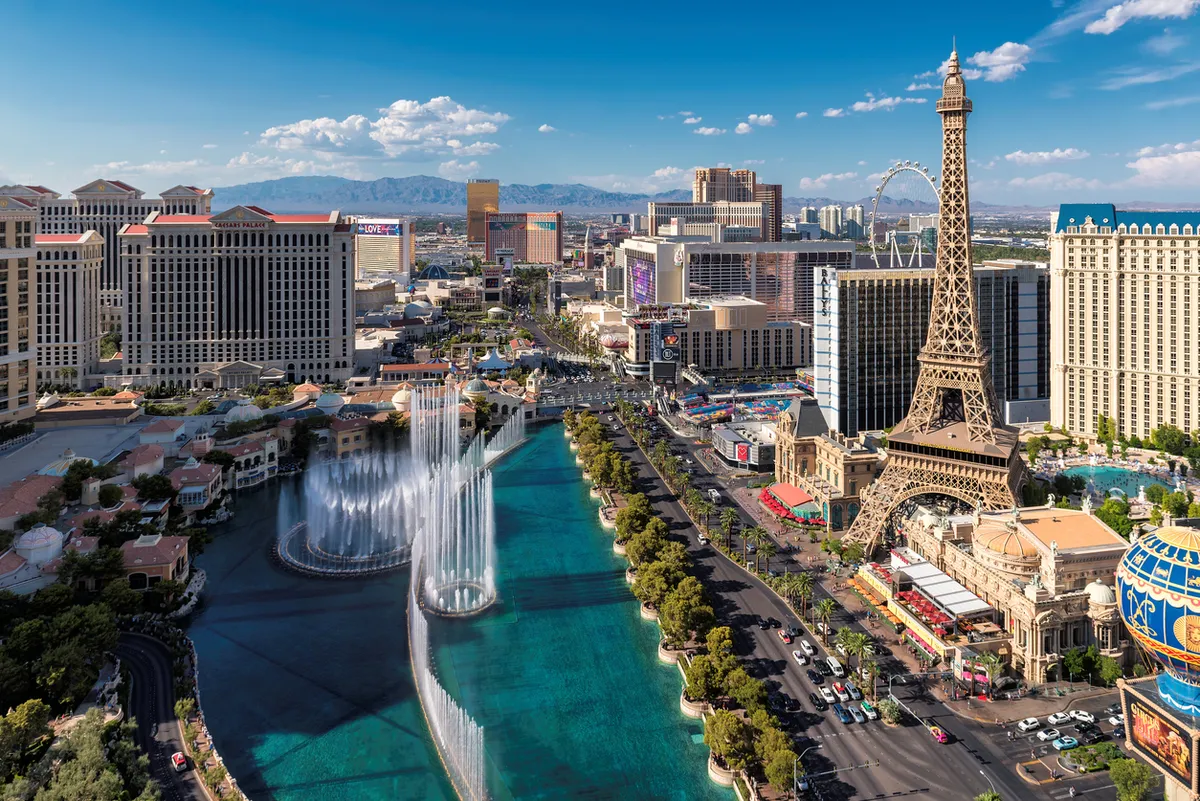
The Las Vegas Convention Center remains the market's primary driver for large-scale trade shows, influencing planning decisions throughout the surrounding district. Its scale requires early attention to multi-hall configurations, concurrent event overlaps and the specific move-in and move-out windows that govern neighboring properties in Winchester and Paradise. Coordination efforts focus on aligning exhibit schedules with the center's established rhythms rather than assuming uniform availability across the calendar year.
Nearby satellite venues such as the Alexis Park All Suite Resort and Virgin Hotels Las Vegas often serve as extensions for overflow programming or specialized breakout sessions. Planning therefore incorporates not only direct convention center requirements but also the connectivity and timing considerations that allow smooth transitions between these adjacent facilities. This integrated approach prevents common scheduling conflicts that arise when exhibitors treat each property in isolation.
District planning also weighs the impact of major events on local transportation arteries. The Convention Center District's central position creates measurable ripple effects on logistics in Spring Valley and Enterprise, making advance mapping of delivery routes and staff commuting patterns an essential component of any successful exhibit program.
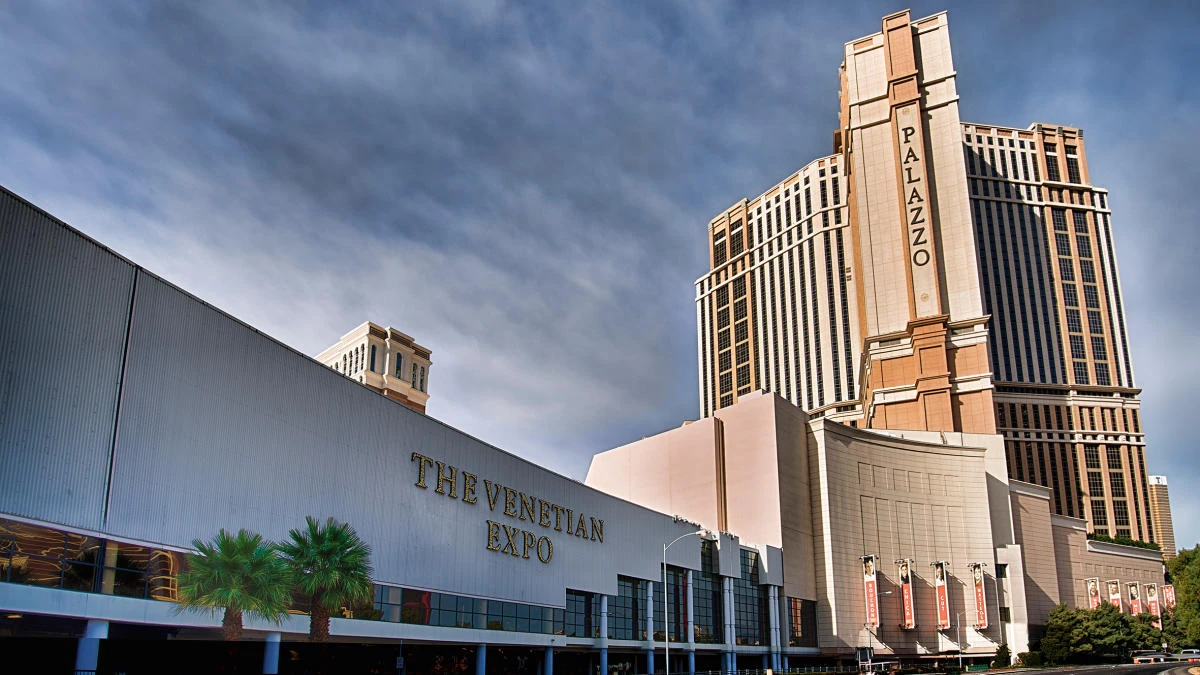
Venetian Expo and the North Strip Coordination Model
The Venetian Expo operates with distinct exhibition parameters that reflect its integrated resort setting, requiring planners to address combined hospitality and display functions within a single operational framework. This environment favors exhibits that incorporate narrative elements suitable for both trade professionals and resort guests, creating a dual-audience dynamic not found at standalone convention facilities.
Coordination extends to the surrounding North Strip infrastructure, where traffic patterns and pedestrian flows differ noticeably from those further south. Successful programs anticipate these distinctions by adjusting installation sequences, graphic visibility strategies and staff positioning to match the venue's specific sight lines and attendee behaviors.
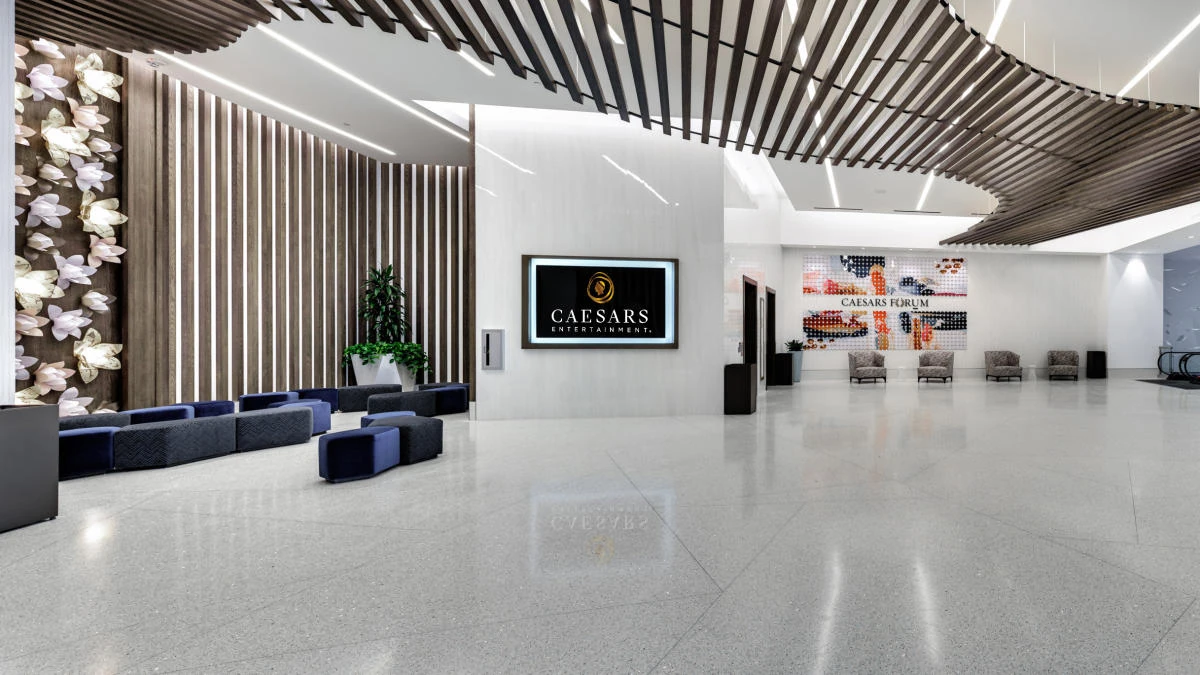
When events at the Venetian Expo coincide with programming at Caesars Forum or Westgate Las Vegas Resort & Casino, planners must orchestrate shared resources across properties. This layered scheduling demands detailed timeline modeling that respects each venue's independent operational protocols while capitalizing on their geographic proximity.
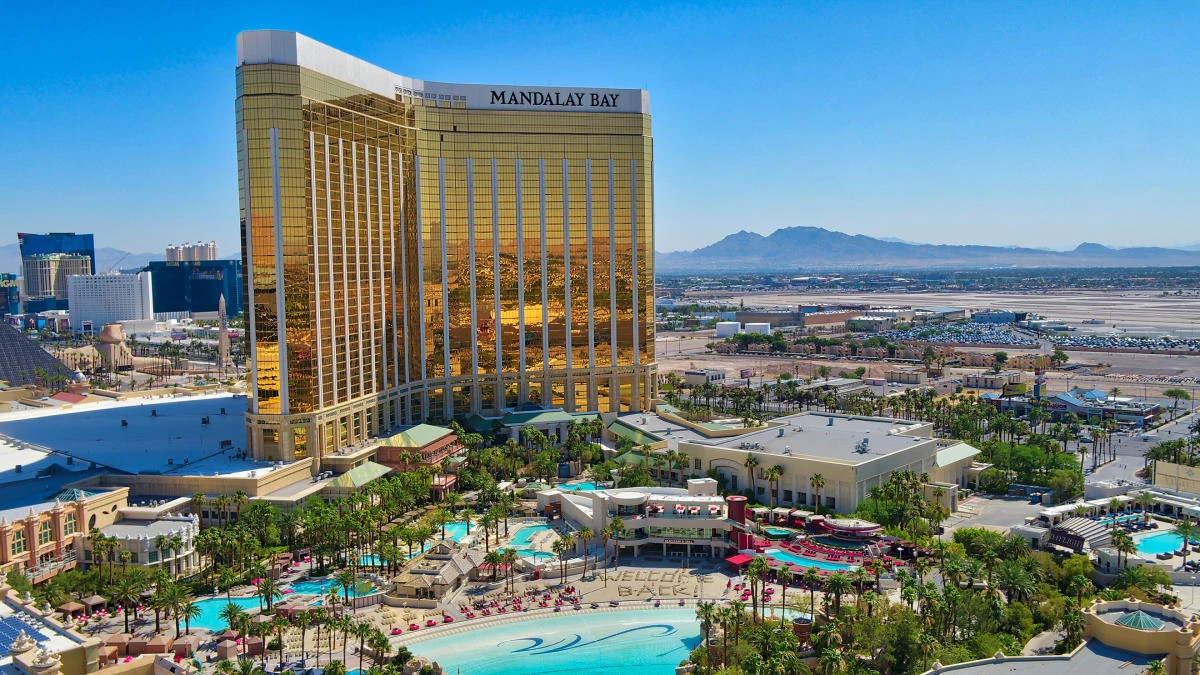
Mandalay Bay Convention Center and South Strip Differentiation
The Mandalay Bay Convention Center serves a distinct market segment characterized by its position at the southern end of the Strip. Planning for this venue emphasizes the unique attendee journeys that begin at airport proximity and extend through resort amenities before reaching exhibit floors. This creates opportunities for integrated hospitality exhibits that leverage the property's resort infrastructure in ways unavailable at purely business-oriented centers.
South Strip logistics differ from central and northern districts in both delivery access and post-event dispersal patterns. Coordination resources therefore prioritize route planning that accounts for these southern-specific variables, ensuring materials and personnel arrive within designated windows without disrupting resort operations.
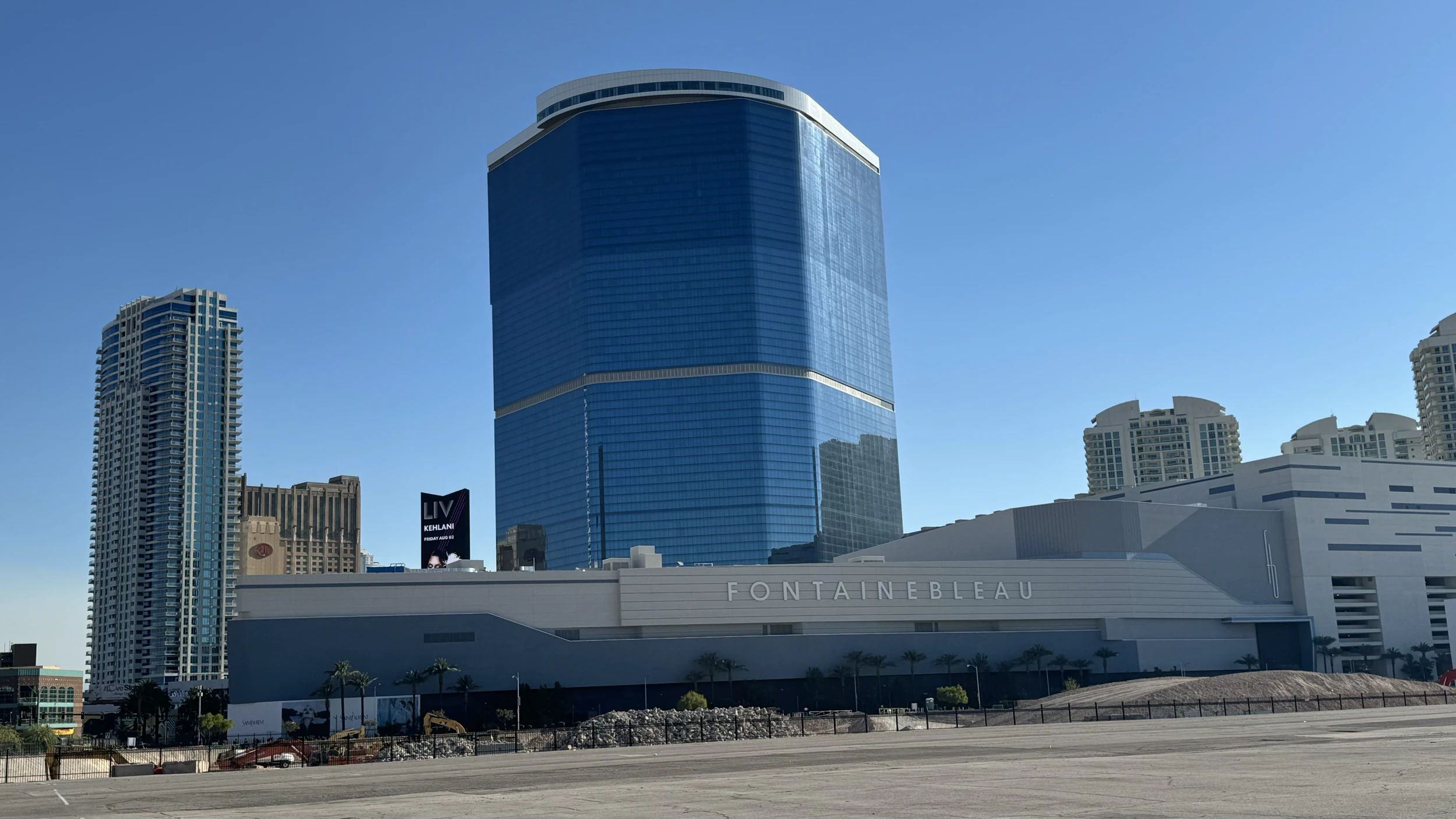
Exhibitors targeting Mandalay Bay often benefit from cross-referencing schedules with nearby Fontainebleau Las Vegas, where emerging programming creates additional touchpoints for targeted audiences. Mapping these relationships in advance allows for more cohesive presence across multiple South Strip locations.
Summerlin and Western Corridor Planning Considerations
Summerlin represents a master-planned environment where corporate meetings and specialized exhibitions follow a more focused rhythm than Strip-based events. The Summerlin Meeting District and adjacent Summerlin South and Summerlin West areas support programming that benefits from reduced congestion and a professional audience profile formed by nearby residential and business communities.
Coordination in this corridor requires attention to the deliberate pacing of events at properties like the Westgate Las Vegas when spillover occurs. Planning emphasizes the distinct material handling expectations that arise when moving between the dense convention core and these western satellite zones, ensuring continuity without assuming identical operational standards.
The differentiation extends to audience expectations. Summerlin events frequently attract decision-makers seeking substantive engagement rather than broad exposure, guiding exhibit design toward consultative environments that align with the district's measured atmosphere.
Henderson, Green Valley and Lake Las Vegas Resort Strategies
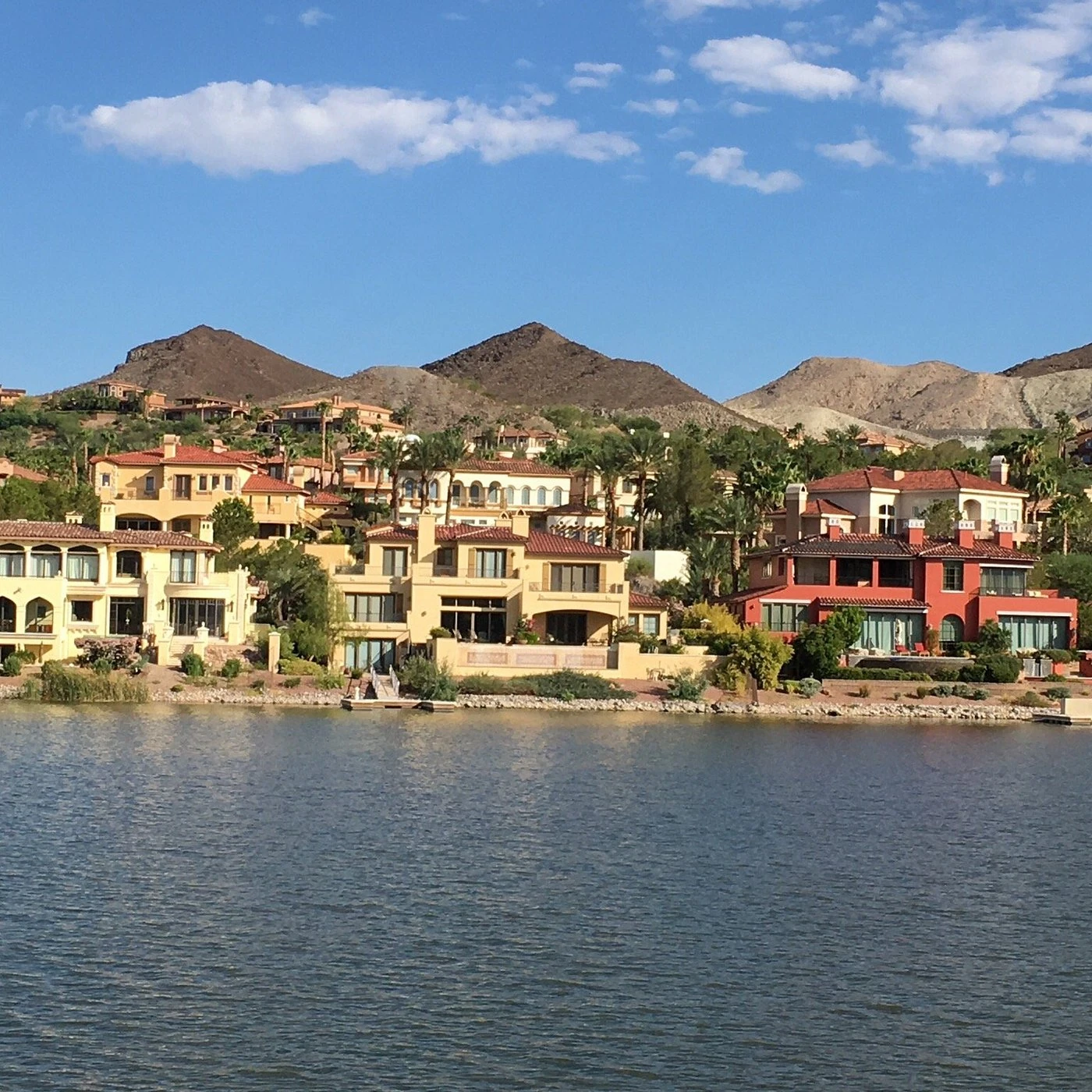
Henderson and its Green Valley Ranch corridor offer resort-oriented venues that host conferences with distinct operational profiles from those on the Strip or at the Convention Center. Properties such as Green Valley Ranch Resort & Spa and Hilton Lake Las Vegas Resort & Spa support programming where the surrounding environment becomes an extension of the exhibit experience, requiring planners to incorporate location-specific amenities into overall strategy.
The Henderson Lake Las Vegas Corridor presents unique timing considerations given its distance from primary arteries. Effective coordination models these distances accurately, building appropriate buffers into installation, operation and dismantling schedules that prevent compression common in more centralized districts.
Exhibitors benefit from recognizing how these eastern and southeastern locations serve different segments within the broader Las Vegas market. Planning resources therefore differentiate between high-volume Strip tactics and the more targeted, relationship-focused approaches that succeed in Henderson and Lake Las Vegas settings.
Arts District, Downtown and Off-Strip Operational Nuances
The Arts District and Downtown Las Vegas have developed distinct exhibition profiles that complement rather than duplicate programming at major convention venues. These areas support more agile, design-forward exhibits where venue constraints and creative opportunities intersect in ways unseen at larger facilities.
Coordination for Downtown events requires understanding the independent operational calendars of smaller-scale venues and their relationship to larger Strip or Convention Center schedules. This includes mapping audience movement patterns between districts to maximize exposure across multiple event types during a single trip.
Off-Strip planning also addresses the specific infrastructure realities of Enterprise, Whitney and North Las Vegas when events extend beyond core corridors. Each area presents measurable differences in parking logistics, loading access and local traffic that informed planning can convert from challenges into competitive advantages.
Integrated Timeline Development Across Las Vegas Districts
Successful Las Vegas programs synthesize venue-specific requirements into unified timelines that respect the independent schedules of the Las Vegas Convention Center, Venetian Expo, Mandalay Bay, Caesars Forum and satellite properties. This integration prevents the cascading delays that occur when exhibitors apply a uniform planning framework across dissimilar locations.
District differentiation influences every phase from initial concept through final teardown. The Convention Center District's emphasis on precision scheduling contrasts with the hospitality-integrated timelines common at Fontainebleau Las Vegas or Virgin Hotels Las Vegas, requiring planners to maintain parallel tracks that converge only where appropriate.
Advance modeling of these variables allows for more accurate budgeting and resource allocation. Whether coordinating for a single-venue activation in Summerlin or a multi-district campaign spanning Paradise, Winchester and Enterprise, the foundational work lies in mapping the precise operational distinctions that define each Las Vegas submarket.
Frequently asked questions
How do planning requirements differ between the Las Vegas Convention Center and Strip resort venues?
The Convention Center emphasizes standardized freight schedules and multi-hall coordination while Strip properties integrate hospitality elements that influence booth design, staffing and attendee engagement strategies. Each requires distinct timeline modeling.
What makes Summerlin and Henderson events distinct from core Strip exhibitions?
These districts typically feature more focused professional audiences, reduced congestion and resort-style settings that favor consultative exhibit approaches over high-volume traffic tactics common on the Strip.
Which venues require the most advance coordination in the Las Vegas market?
Large-scale facilities including the Las Vegas Convention Center, Venetian Expo, Mandalay Bay Convention Center and Caesars Forum operate with the longest lead times and most structured protocols for move-in, operation and dismantling.
How should exhibitors approach multi-district campaigns across Las Vegas?
Successful multi-district programs map the operational differences between the Convention Center corridor, North Strip, South Strip, Summerlin and Henderson, creating integrated timelines that respect each area's unique infrastructure and audience patterns.
What role does district selection play in overall exhibit strategy?
District choice directly influences audience composition, logistical complexity and experiential opportunities. The Convention Center District, Arts District, Summerlin Meeting District and Lake Las Vegas Corridor each support measurably different program objectives.
When should planning begin for a Las Vegas trade show exhibit?
Complex programs involving multiple venues or large footprints benefit from planning twelve to eighteen months in advance, while single-venue activations in secondary districts may require nine to twelve months of coordinated preparation.
Top venues
See all venues