Las Vegas Markets
Enterprise NV Trade Show Exhibit Planning: Coordination for Las Vegas Events
Position your Enterprise, Nevada business for success in the Las Vegas convention market with authoritative exhibit planning and coordination strategies.
Enterprise NV in the Broader Las Vegas Convention Footprint
Enterprise has developed as a key secondary hub within Clark County, characterized by steady commercial expansion that complements the primary convention activity concentrated along the Las Vegas Strip and convention corridor. This positioning allows companies to engage with the market's wide service-area dynamics, which explicitly encompass satellite towns and adjacent communities. Planning resources stress the value of viewing Enterprise not in isolation but as part of an interconnected ecosystem where exhibit strategies must account for travel patterns from the southwest valley to major event sites.
The area's growth supports participation in events hosted at diverse facilities, enabling businesses to select shows based on industry alignment rather than geographic limitation. Coordination involves early assessment of how Enterprise's blend of residential master plans and emerging business parks shapes the types of audiences likely to be targeted, such as those in technology, professional services, or consumer sectors prevalent in southern Nevada. This nuanced understanding helps refine pre-event outreach and booth positioning.
Unlike the denser urban core of Winchester or the resort-focused Paradise NV, Enterprise offers a more measured environment that can influence preferences for modular, reusable exhibit components capable of supporting multiple setups throughout the year. Such considerations form the basis for long-term planning that avoids reactive decisions when major events overlap.
Key Venues Shaping Exhibit Coordination from Enterprise
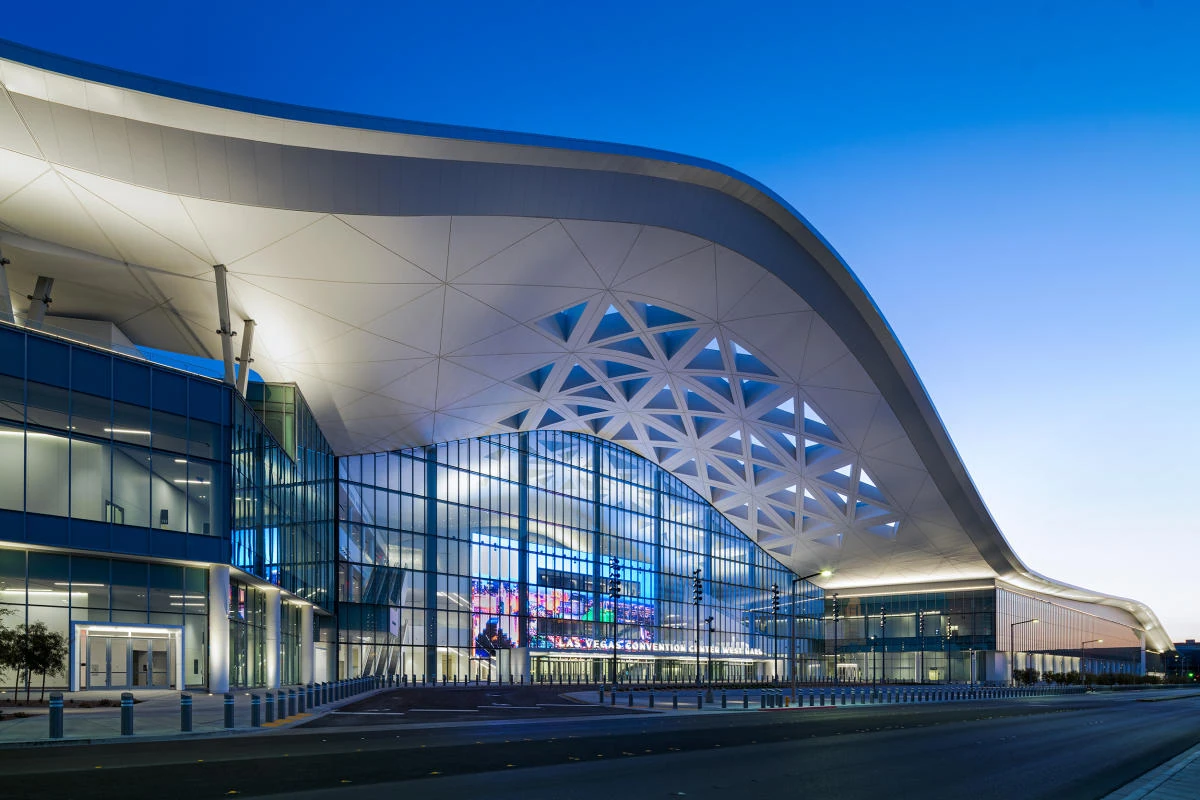
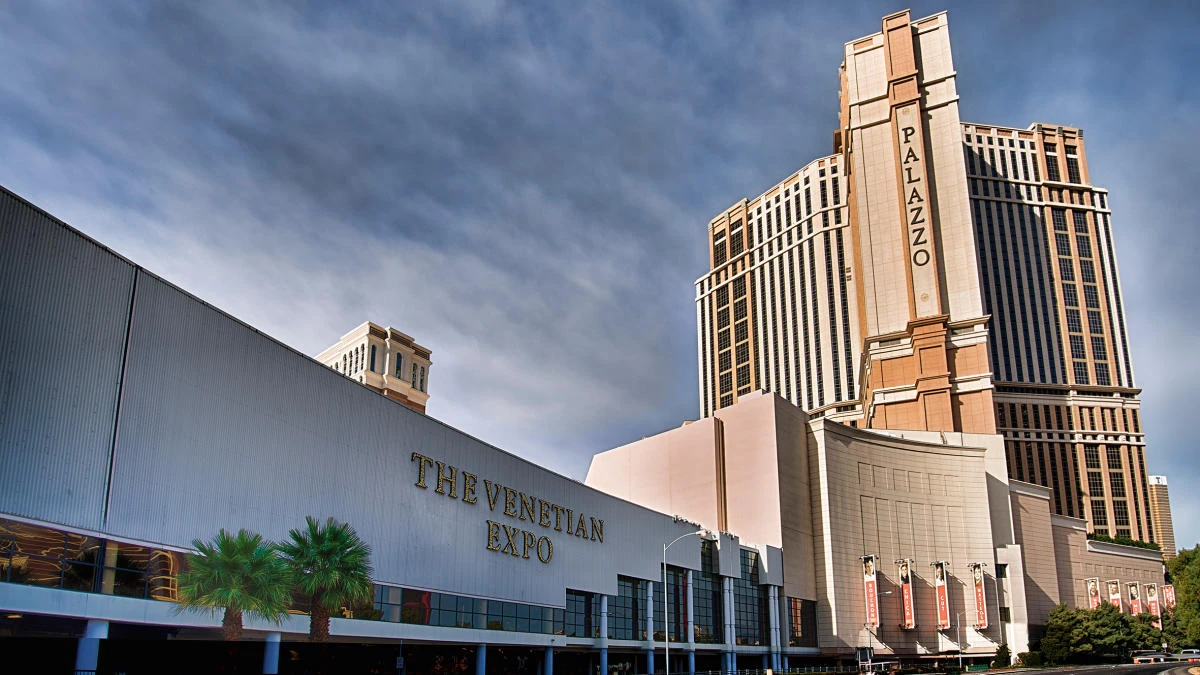
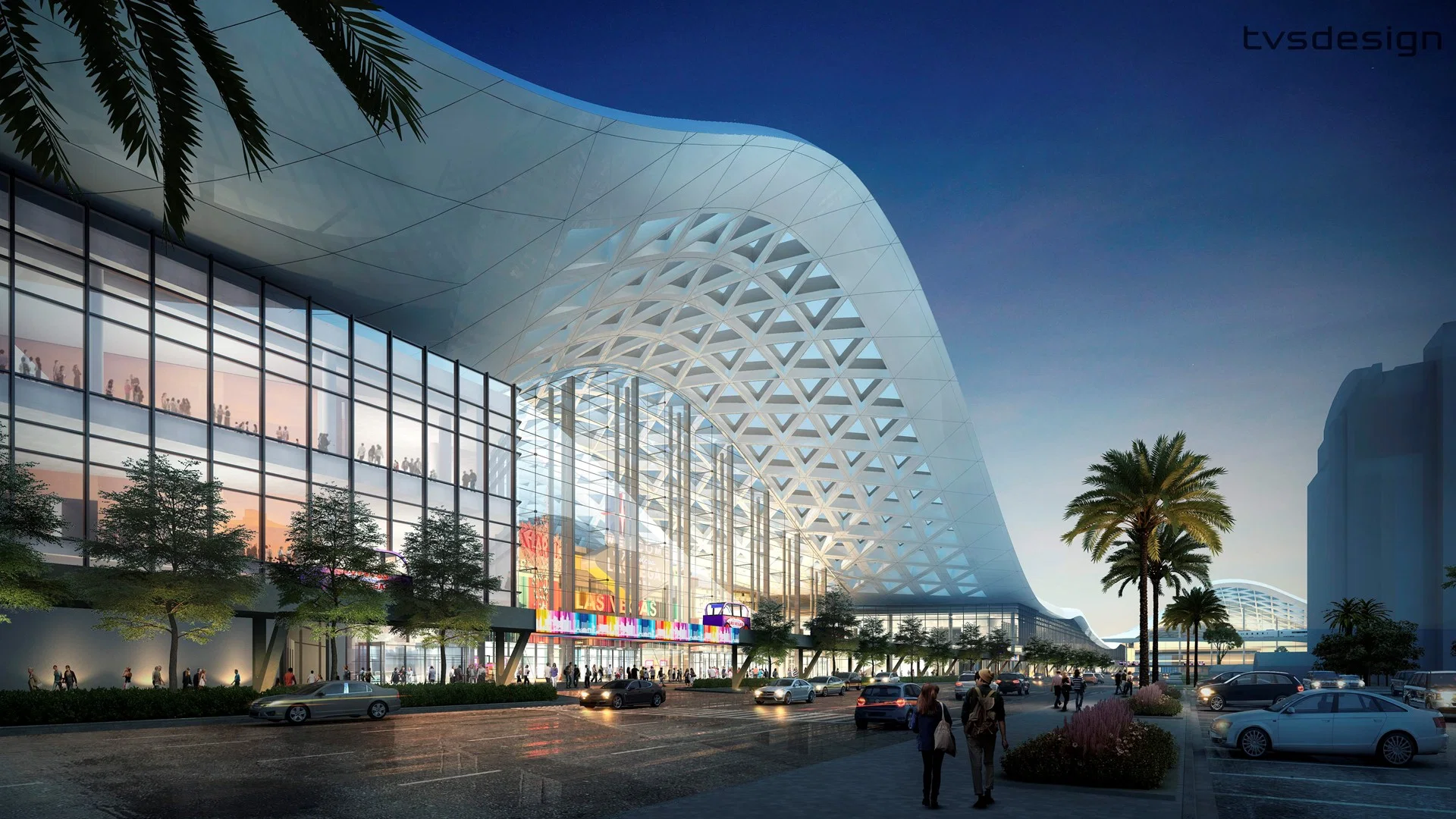
The Las Vegas Convention Center remains a foundational driver for large-scale trade shows, with its expansive halls requiring exhibits that deliver impact across significant distances while adhering to strict operational guidelines. Planning from Enterprise involves mapping efficient preparation sequences that respect the center's event density and attendee flow. Similarly, the Venetian Expo offers sophisticated spaces often tied to luxury or innovation-focused gatherings, demanding designs that integrate smoothly with high-end surroundings.
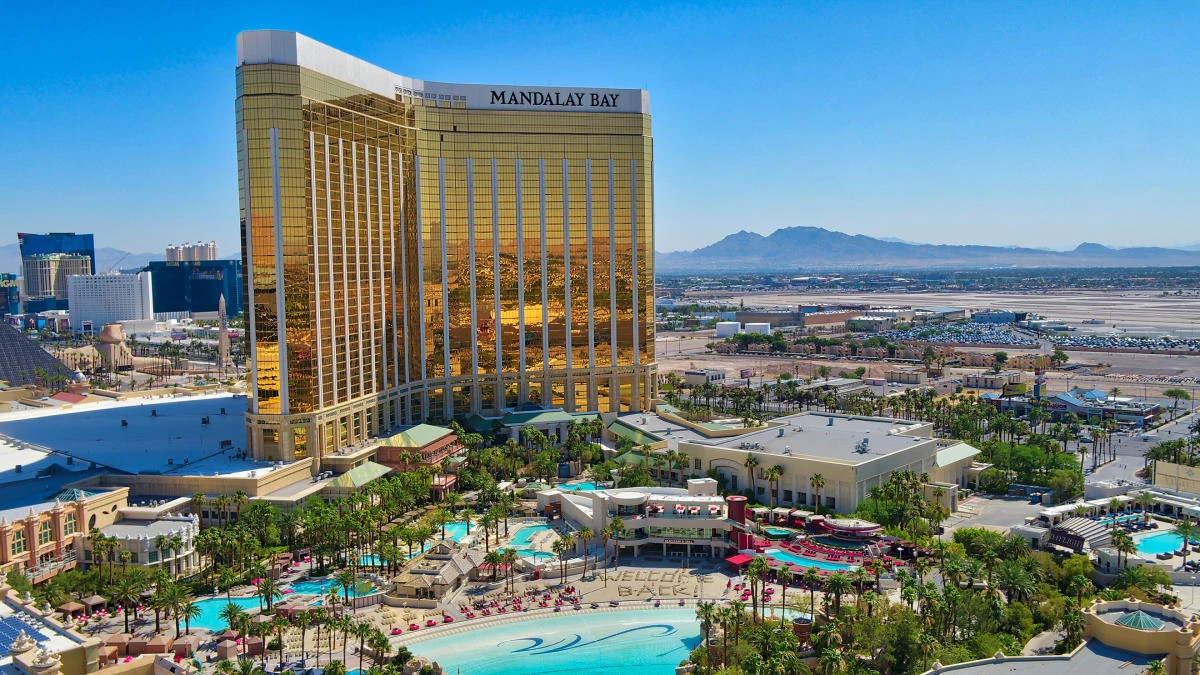
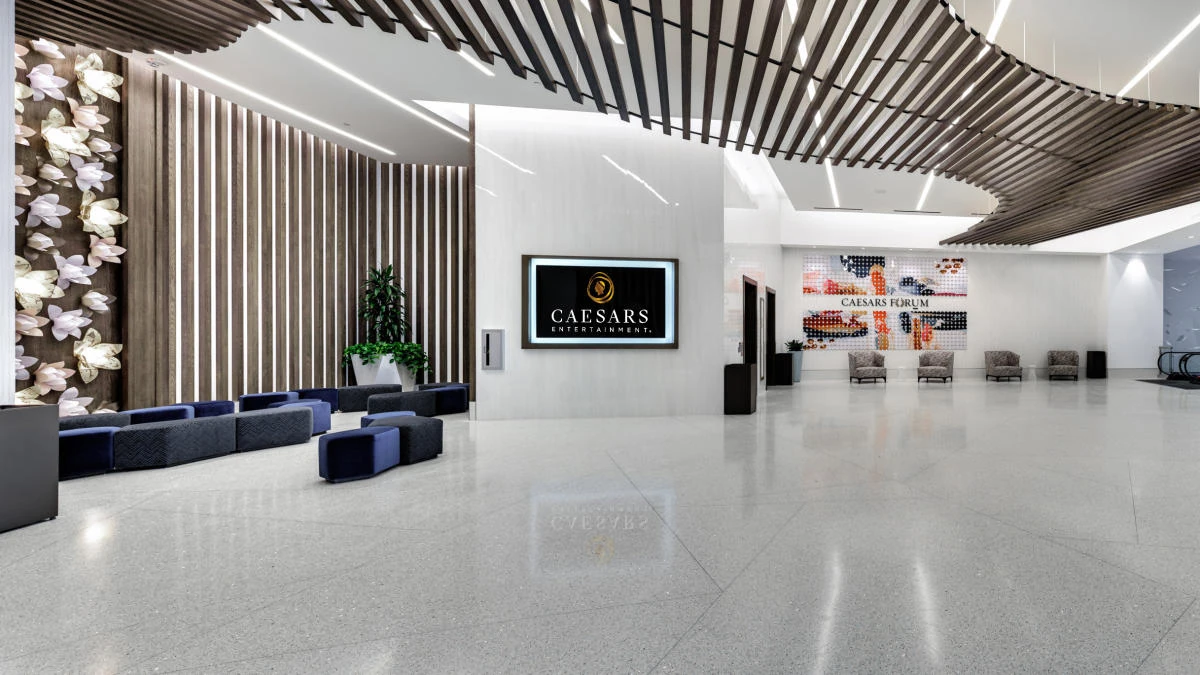
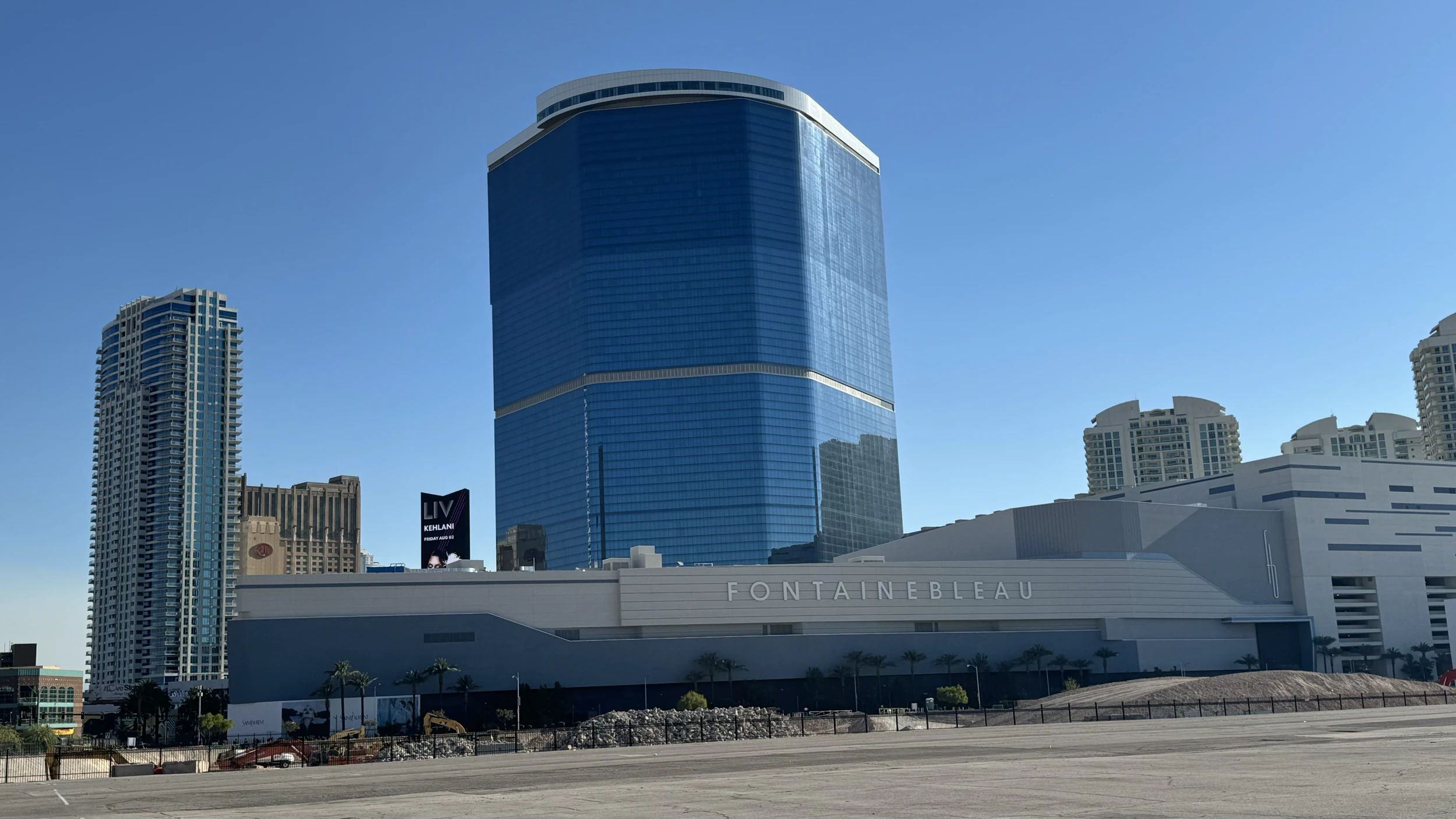
Mandalay Bay Convention Center and Caesars Forum Conference Center provide additional southern and central options, each with distinct spatial and technical specifications that influence everything from lighting plans to interactive element placement. Facilities such as Fontainebleau Las Vegas, Westgate Las Vegas Resort & Casino, and Virgin Hotels Las Vegas further diversify the portfolio, supporting specialized conferences that may appeal to Enterprise companies seeking targeted audiences rather than mass exposure.
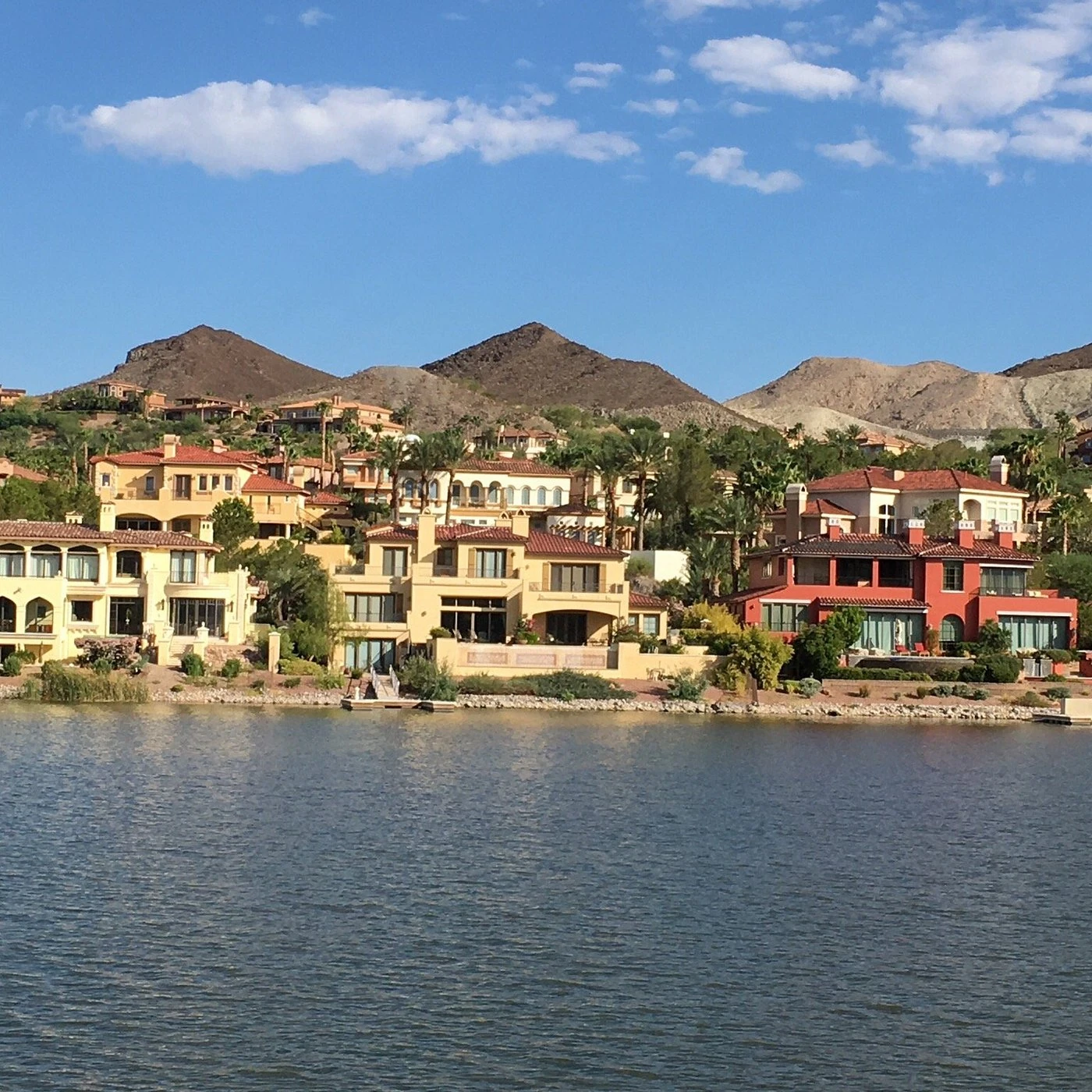
Properties like Alexis Park All-Suite Resort, Green Valley Ranch Resort & Spa, and Hilton Lake Las Vegas Resort & Spa extend reach into neighboring corridors, illustrating how the Las Vegas market accommodates planning across multiple zones. Coordination resources highlight the need to review each venue's unique attributes early, ensuring exhibit plans remain compliant and effective regardless of the chosen location.
This Venue by Venue approach prevents generic solutions, instead fostering differentiation that respects the operational details of each site while maintaining consistency with overarching brand objectives.
District-Level Differentiation and Strategic Adaptation
Las Vegas exhibits pronounced district variations that directly affect trade show planning. Enterprise NV, situated in the southwest, contrasts with the convention-heavy Central Strip or the planned community focus of Summerlin by offering a balance of accessibility and relative separation from tourist intensity. This differentiation guides choices around exhibit scale, where more compact yet versatile designs may suit the logistics of traveling from Enterprise to multiple sites within a short window.
Paradise and Spring Valley present their own profiles, often linked more closely to airport proximity and immediate Strip access, while the Arts District and Downtown emphasize creative, experiential formats. Coordination for Enterprise-based campaigns therefore incorporates these nuances, adjusting messaging to reflect local business climates and expected attendee travel patterns from across the valley. Such attention to detail elevates planning from broad market tactics to precision strategies.
Operational implications include timeline adjustments for transport considerations between districts and venue clusters. By acknowledging these factors without assuming direct execution, planners can develop contingency frameworks that maintain momentum across the convention calendar, from peak winter events to specialized summer gatherings.
Timeline Management for Las Vegas Trade Show Cycles
Successful coordination requires structured timelines that begin well ahead of show dates, allowing for iterative design reviews, material selection, and alignment with organizer deadlines. For Enterprise participants, this includes integrating the realities of southwest valley scheduling with the compressed windows common to Las Vegas events. Resources outline milestone sequences that prioritize critical path items such as concept validation against specific venue rules at places like the Venetian Expo or Caesars Forum.
Peak seasons bring overlapping major conventions, necessitating advanced phasing that prevents resource conflicts. Planning emphasizes buffers for adjustments based on evolving show specifications, ensuring that exhibits for the Las Vegas Convention Center can transition effectively to subsequent events at Mandalay Bay or Fontainebleau without compromising quality or compliance.
Post-event phases receive equal weight, with structured review periods dedicated to performance metrics and refinement for future cycles. This comprehensive timeline view supports sustained participation, turning one-off exhibits into integrated campaigns that evolve with the market's shifting demands.
Optimizing Engagement and Measuring Exhibit Performance
Engagement tactics must reflect the high-energy environment of Las Vegas trade shows, where attendees encounter numerous competing messages. Planning for Enterprise companies focuses on creating focused interaction points that align with venue traffic patterns, whether at the expansive Las Vegas Convention Center or more intimate settings like Virgin Hotels Las Vegas. The emphasis lies in measurable activations that capture qualified interest rather than transient attention.
Analytics integration forms a cornerstone of modern coordination, enabling exhibitors to track interactions against predefined objectives and adjust mid-campaign or for subsequent events. This data-driven layer helps differentiate performance across districts, revealing for instance whether approaches successful in the Convention Center District translate effectively to events in the southwest or Henderson corridors.
Longer-term planning incorporates these insights into broader marketing alignment, ensuring exhibits reinforce Enterprise business positioning within the competitive Nevada landscape. The result is a refined, iterative process that continually elevates return on investment.
Sustainable and Scalable Planning Frameworks
Contemporary exhibit coordination increasingly incorporates sustainability as a core operational consideration, favoring modular systems that reduce material waste across repeated use at different Las Vegas venues. For Enterprise planners, this translates to frameworks that balance environmental responsibility with the visual demands of shows at Westgate or Green Valley Ranch, maintaining professional standards while adapting to varied floor plans.
Scalability ensures that the same planning foundation supports both modest regional gatherings and flagship international expositions. By focusing on adaptable components and flexible layouts, strategies developed for Enterprise can efficiently extend across the recommended location network, from Strip South to Summerlin Meeting District without redundant redesign.
This approach reinforces resilience in planning, allowing adjustments for emerging trends or venue updates while preserving continuity. The outcome is a resource-efficient model that supports consistent market presence for businesses anchored in Enterprise NV.
Building Integrated Campaigns Across the Las Vegas Market
The most effective exhibit plans treat individual shows as components of larger campaigns, linking participation at the Las Vegas Convention Center with follow-on events at the Venetian Expo or Mandalay Bay through unified themes and progressive messaging. Coordination from Enterprise therefore involves overarching narrative development that accounts for cumulative audience exposure across districts and dates.
Integration with digital channels, lead management systems, and sales processes ensures that on-site efforts translate into tangible business results. Planning resources provide structures for this synthesis, highlighting how district-specific adaptations can enhance rather than dilute core brand consistency.
Ultimately, this holistic view positions Enterprise companies to navigate the full spectrum of Las Vegas opportunities with confidence, leveraging detailed operational awareness to achieve competitive advantage in a demanding exhibition environment.
Frequently asked questions
How does Enterprise NV fit into Las Vegas trade show planning?
Enterprise serves as a secondary hub in the southwestern valley, supporting coordination for events across the wider Las Vegas footprint that includes the convention corridor, Strip districts, and satellite communities like Summerlin and Henderson.
Which venues are most relevant for companies based in Enterprise?
Relevant venues include the Las Vegas Convention Center, Venetian Expo, Mandalay Bay Convention Center, Caesars Forum, Fontainebleau Las Vegas, Westgate Las Vegas, Virgin Hotels Las Vegas, and Henderson-area properties such as Green Valley Ranch and Hilton Lake Las Vegas.
What district-level factors should guide exhibit strategy from Enterprise?
Strategies should differentiate based on the unique access, audience profiles, and operational characteristics of areas like the Convention Center District, Paradise, Spring Valley, Summerlin, and Enterprise itself to optimize relevance and efficiency.
When should planning begin for Las Vegas events?
Planning ideally commences 6 to 12 months in advance, with structured timelines that incorporate venue research, design iteration, compliance checks, and post-event analysis for optimal coordination.
How can sustainability be incorporated into coordination?
Sustainability integrates through selection of modular, reusable components, minimized single-use materials, and designs that support multiple events across the Las Vegas calendar while meeting venue standards.
What role does performance measurement play in ongoing planning?
Performance measurement provides data to refine future exhibits, compare results across venues and districts, and ensure alignment between Enterprise business goals and actual outcomes from Las Vegas trade show participation.
Top venues
See all venues