Las Vegas Venues
Caesars Forum Conference Center: Strategic Trade Show Planning Guide in Las Vegas
Access authoritative coordination insights for optimizing exhibits and events at Caesars Forum Conference Center within the competitive Las Vegas convention landscape.
Positioning Caesars Forum Within the Las Vegas Convention Ecosystem
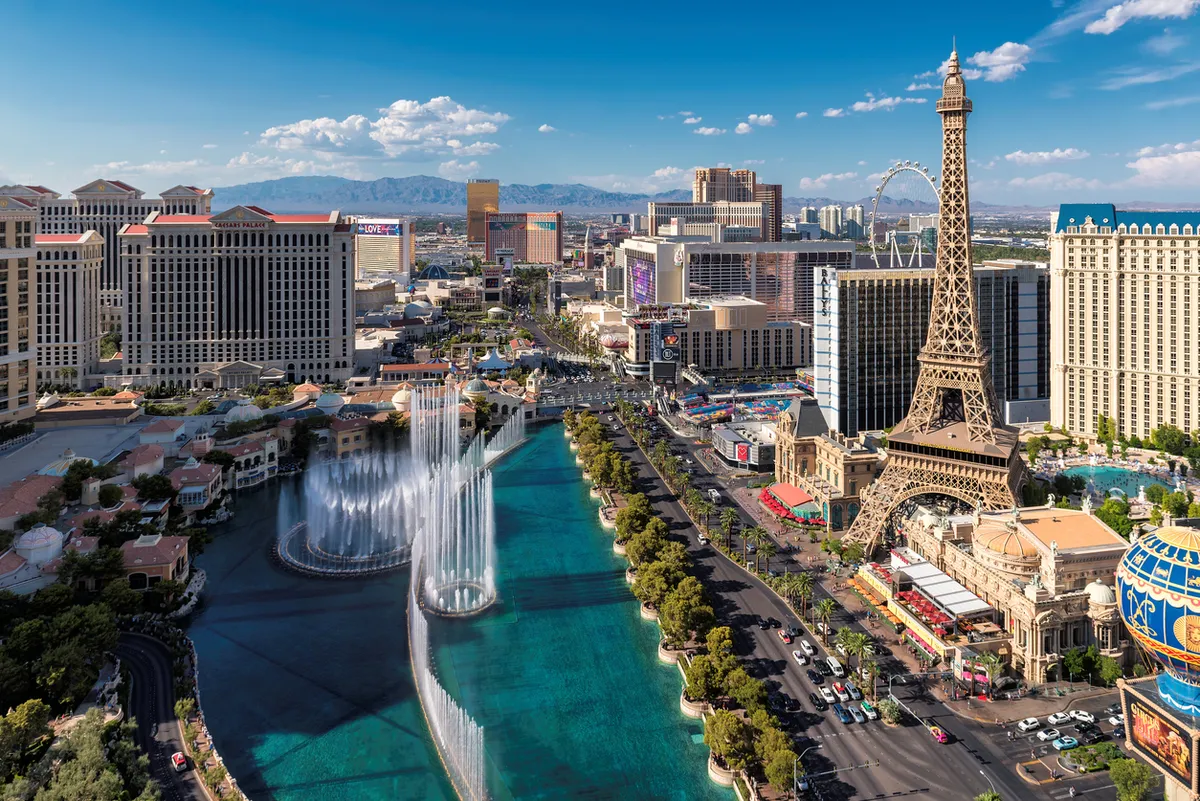
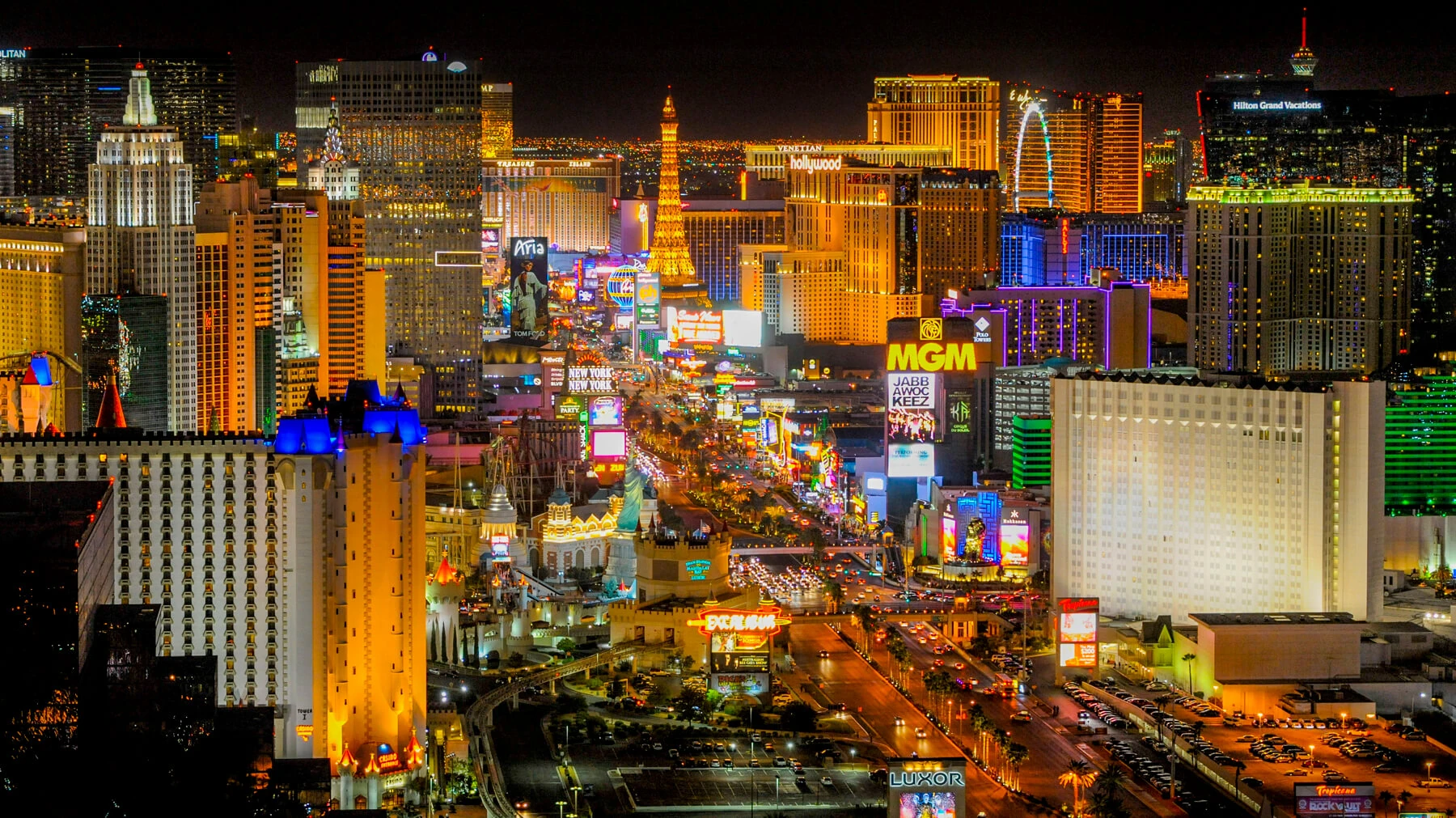
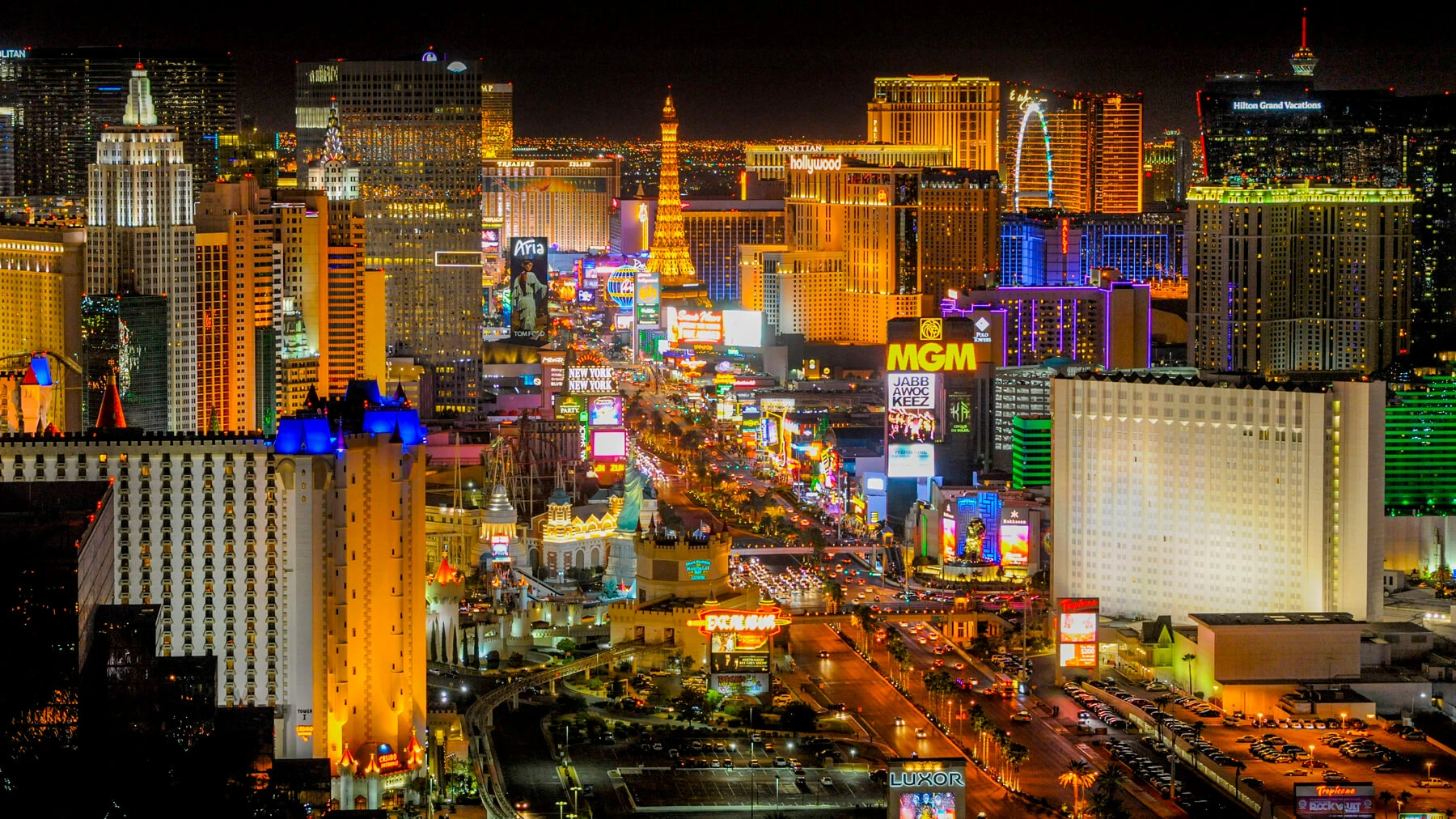
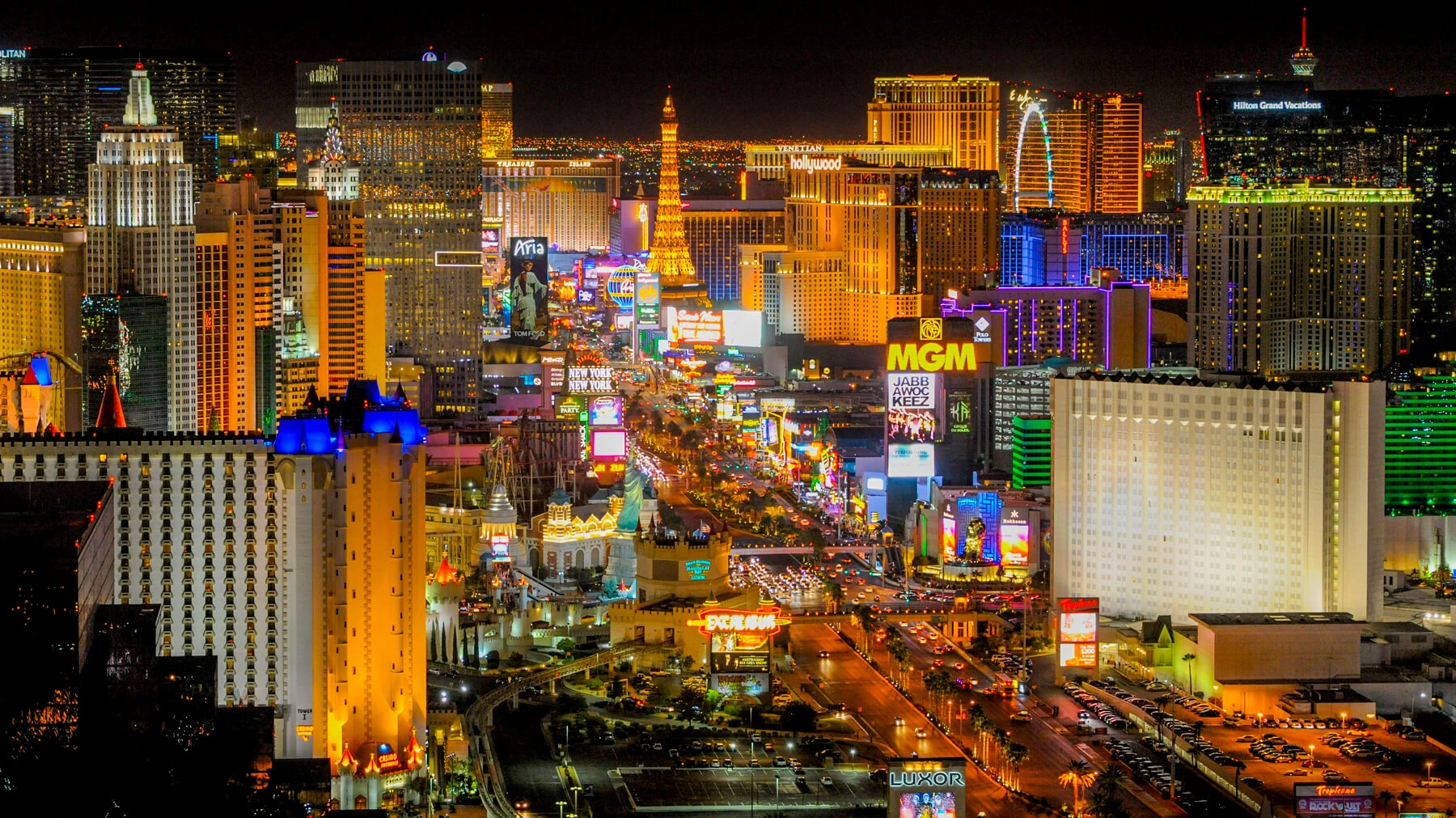
Las Vegas sustains its status as a premier global hub for trade shows and conferences through a network of specialized venues that collectively handle millions of attendees annually. Caesars Forum Conference Center contributes to this capacity by serving as a flexible space for Mid to Large scale events, often complementing activity at neighboring facilities in the Strip Central district. This clustering effect allows for multi-venue strategies where exhibitors can extend their presence across related sites, creating efficiencies in transportation and promotional efforts that standalone suburban venues cannot match.
The venue's role becomes particularly relevant during periods of high demand when major conventions occupy primary centers, pushing overflow or specialized programming to complementary locations. Planners benefit from understanding these rhythms to secure appropriate dates and configurations. District-level differentiation is evident when comparing Caesars Forum to options further south or in outlying areas, as the central positioning facilitates easier access via the Las Vegas Monorail, rideshare services, and connected resort pathways, directly impacting registration numbers and daily attendance patterns.
From a coordination perspective, viewing the venue as part of an interconnected system encourages holistic planning that accounts for concurrent events. This approach helps mitigate challenges such as supplier availability or labor scheduling that intensify during Las Vegas' busiest quarters. Resources focused on this venue stress the value of early market analysis to capitalize on these dynamics rather than reacting to them closer to event dates.
Operational Nuances That Shape Exhibit Coordination
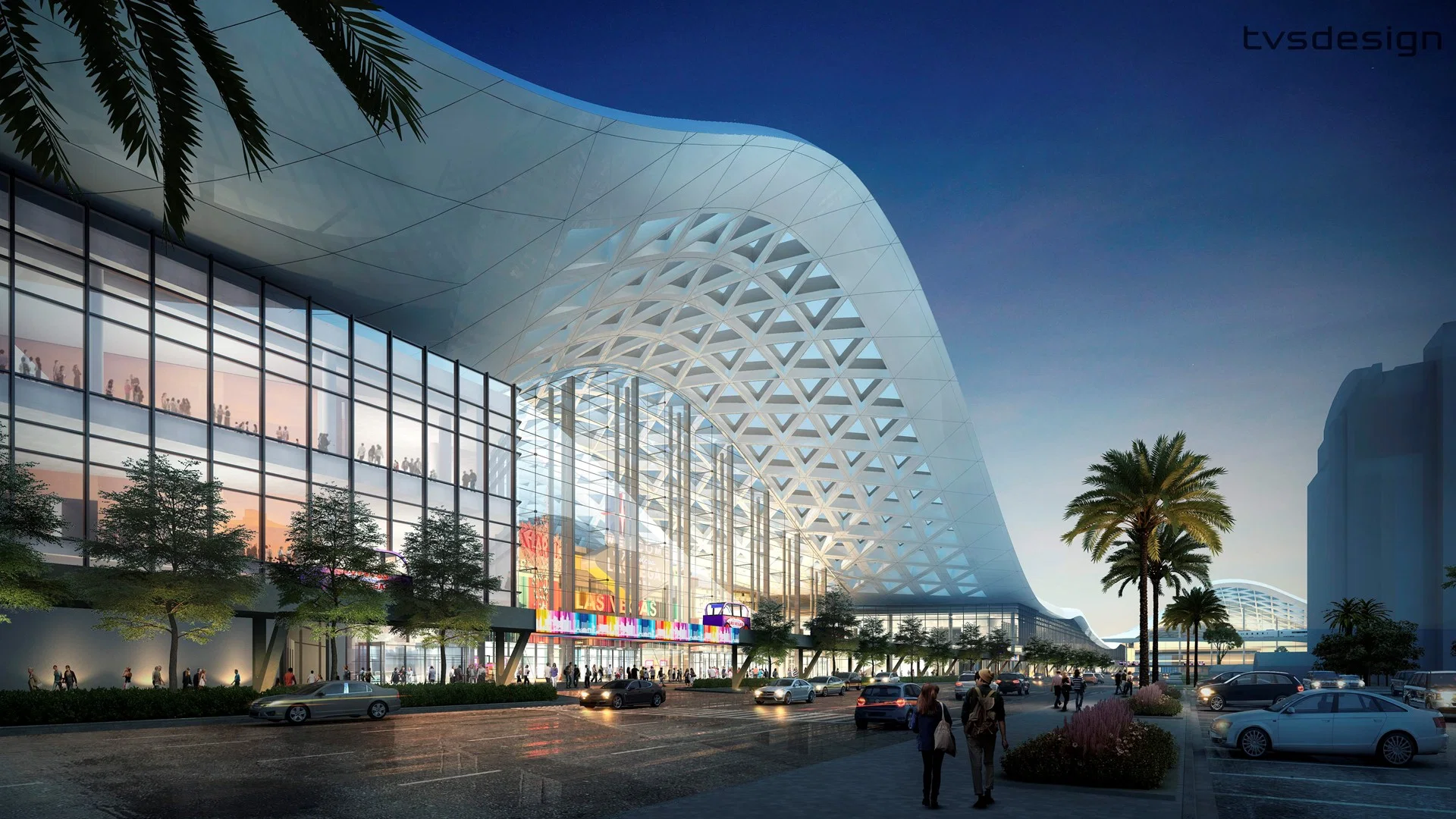
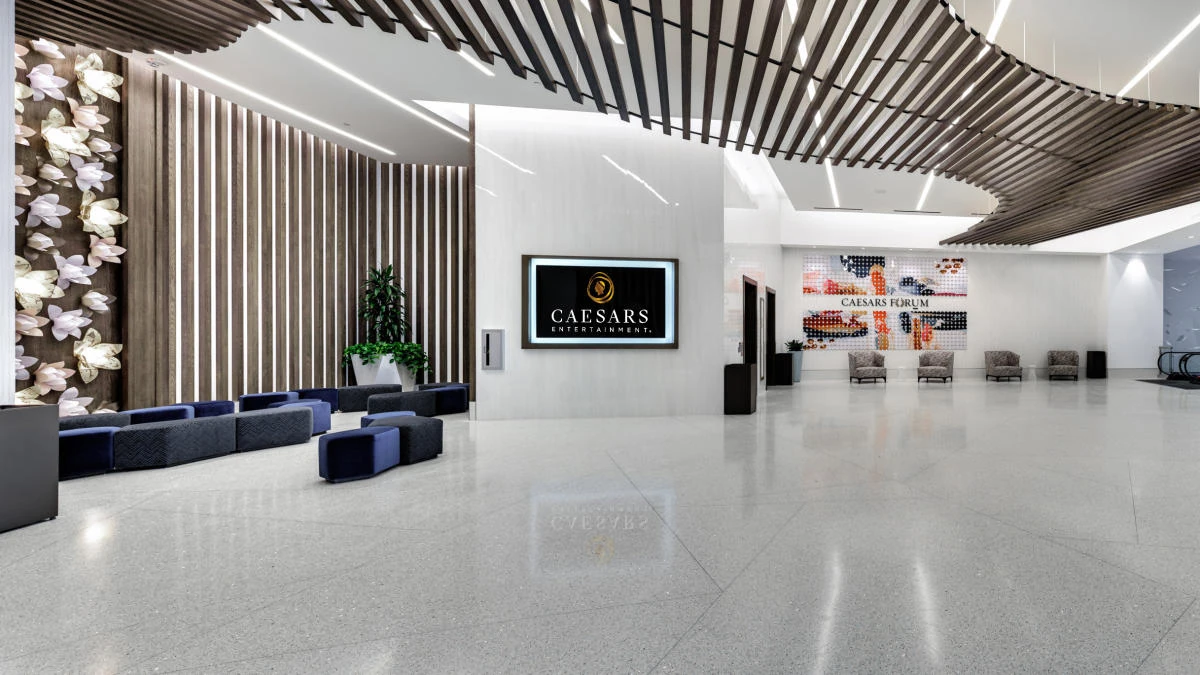
Events at Caesars Forum Conference Center involve distinct operational considerations stemming from its modern architectural design and integration with adjacent resort properties. Planners must account for how these elements influence everything from initial site surveys to final material movement. The facility's emphasis on contemporary event standards means exhibits often incorporate advanced digital components, requiring upfront verification of compatibility with available infrastructure to prevent last-minute adjustments that disrupt schedules.
Load-in and load-out sequences follow patterns common to Strip Central venues but carry specific timing sensitivities due to shared access points with hotel operations. Successful coordination involves mapping these sequences against broader event calendars to avoid conflicts with guest traffic or other programming. This level of detail separates effective planning from generic approaches and contributes to smoother execution even in high-volume periods when multiple conventions converge on the Las Vegas market.
Venue-specific policies regarding material handling and display guidelines further necessitate careful review during the concept phase. By treating these as foundational elements rather than afterthoughts, organizers can develop exhibits that meet compliance standards while maximizing visual impact within the allotted spaces. The planning resource role centers on highlighting these factors so that decision-makers can allocate resources efficiently across all event components.
Additional operational detail involves understanding how the center manages attendee circulation between session rooms, exhibit areas, and dining facilities. Strategic placement decisions made with this knowledge tend to yield higher interaction rates compared to placements based solely on square footage availability.
District-Level Differentiation in Strip Central
The Strip Central district, where Caesars Forum Conference Center is situated, offers distinct advantages compared to the Convention Center District further north or the more resort-focused clusters to the south. This area balances professional event infrastructure with immediate access to dining, entertainment, and accommodation options that enhance the overall attendee journey. Exhibitors who recognize this differentiation can tailor their presence to capture both scheduled meeting participants and casual foot traffic from surrounding properties.
Compared to venues like Westgate Las Vegas Resort and Casino or Green Valley Ranch Resort and Spa, which serve more targeted regional audiences, Caesars Forum benefits from the constant energy of the central Strip. This environment supports larger-scale activations but also demands exhibits capable of cutting through visual competition. Planning therefore includes considerations for lighting, height restrictions, and branding elements that perform effectively under these conditions.
Operational implications extend to logistics, where central positioning can reduce certain transit times but increase the need for precise scheduling to navigate congestion common to this district. Understanding these trade-offs allows for more accurate forecasting of setup durations and associated costs. The venue's place within this cluster also facilitates partnerships with nearby properties for ancillary events, expanding the reach of primary exhibit programs without requiring entirely separate logistical frameworks.
Such district awareness proves essential when developing multi-year event strategies, as it informs choices about which Las Vegas venues best suit evolving program objectives over time.
Technology Integration and Exhibit Innovation Strategies
Caesars Forum Conference Center aligns with Las Vegas' broader push toward technology-enhanced events, creating opportunities for exhibits that move beyond traditional static displays. Planners benefit from considering how interactive elements, data collection tools, and immersive experiences can be incorporated while respecting the venue's technical parameters. This forward-looking approach helps differentiate brands in a market where attendees increasingly expect sophisticated engagements.
Coordination resources highlight the importance of early infrastructure assessments to ensure proposed technologies integrate smoothly with available power, connectivity, and structural supports. Such assessments prevent costly revisions and allow for smooth incorporation of features like augmented reality stations or live demonstration areas that capitalize on the venue's contemporary design.
When compared to older facilities among the listed Las Vegas options, the center's newer systems often support higher bandwidth requirements and more flexible configurations. However, realizing this potential requires detailed planning that accounts for both current capabilities and anticipated upgrades in the evolving convention technology landscape. This preparation positions events to remain relevant as attendee expectations continue to shift toward experiential formats.
Successful integration also involves training considerations for on-site staff and contingency protocols for technical challenges, ensuring that innovation enhances rather than complicates the event delivery.
Timeline Development and Market Cycle Alignment
Developing accurate timelines for Caesars Forum events requires synchronization with Las Vegas' seasonal convention patterns, which feature distinct peak periods driven by major industry gatherings. Early alignment with these cycles helps secure favorable space allocations and avoids resource shortages that occur when multiple large events overlap. Planning resources provide frameworks for building realistic schedules that incorporate buffer periods for unforeseen adjustments common in this market.
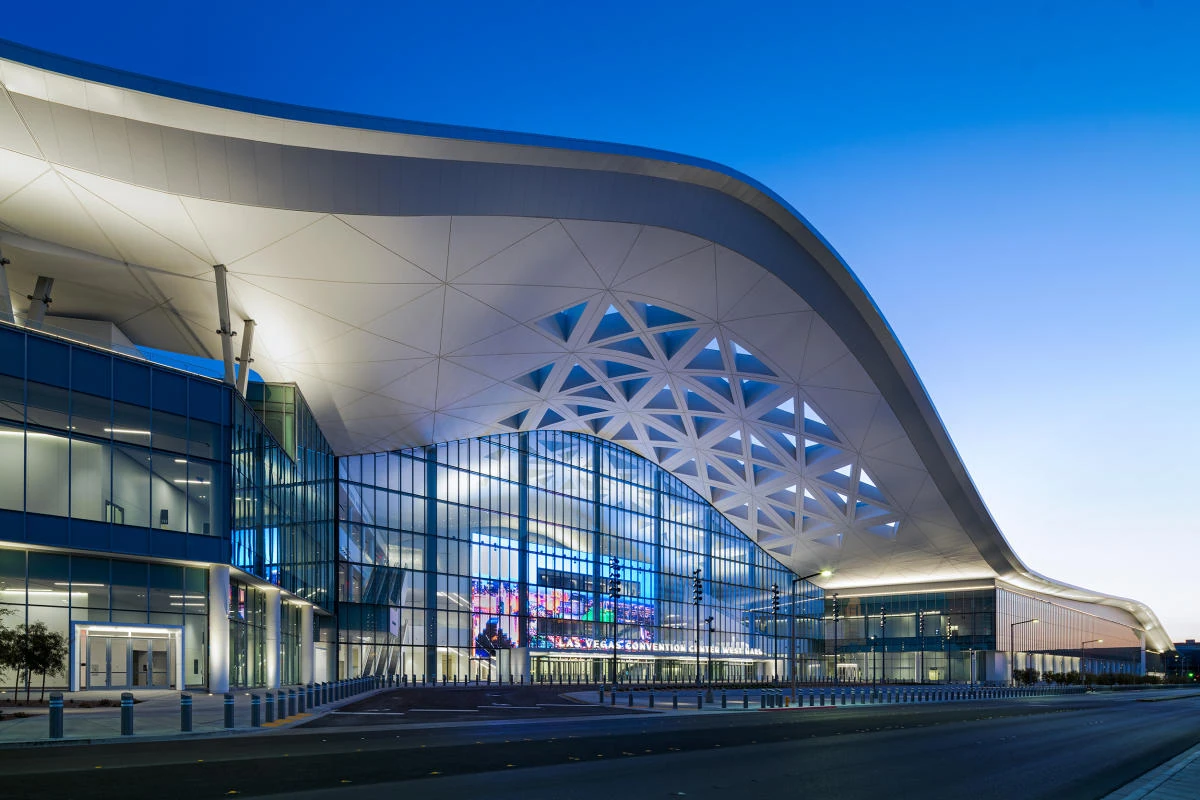
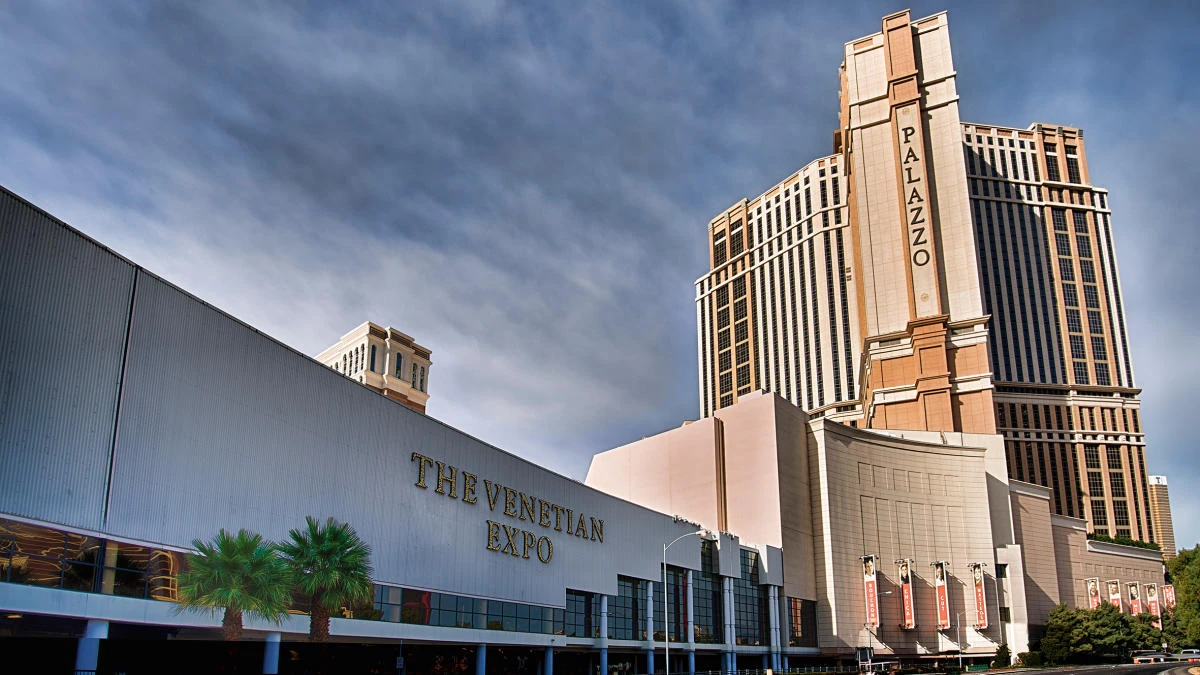
The process typically begins with venue availability research followed by detailed breakdowns of design, fabrication, transportation, and installation phases. For Caesars Forum specifically, attention to how its schedule intersects with activity at the Las Vegas Convention Center and the Venetian Expo enables more strategic date selection that maximizes cross-attendance potential. This interconnected view represents a key nuance in effective Las Vegas planning.
Post-event timelines receive equal emphasis, particularly regarding dismantle procedures and material transport during periods of high outbound demand. By mapping the full event lifecycle against known market patterns, organizers can better predict and manage costs while maintaining quality standards. This comprehensive timeline approach supports measurable improvements in both operational efficiency and attendee satisfaction metrics.
Longer-term planning also considers multi-year rotations, allowing organizations to alternate between Caesars Forum and complementary venues based on program evolution and audience feedback.
Budget Planning and ROI Measurement Approaches
Budget development for Caesars Forum events benefits from district-specific cost modeling that accounts for central Strip factors such as transportation premiums, labor rates during peak times, and ancillary service expenses. Rather than applying generic national averages, successful planning draws on observed patterns from the Las Vegas market to create more precise forecasts that reduce variance between projected and actual expenditures.
Return on investment calculations should incorporate both direct metrics like lead generation and indirect benefits such as brand exposure within the active convention environment. The venue's location supports higher visibility, but capturing this value requires intentional measurement frameworks established during initial planning stages. Coordination resources stress the value of setting clear KPIs that align with overall organizational objectives for the event.
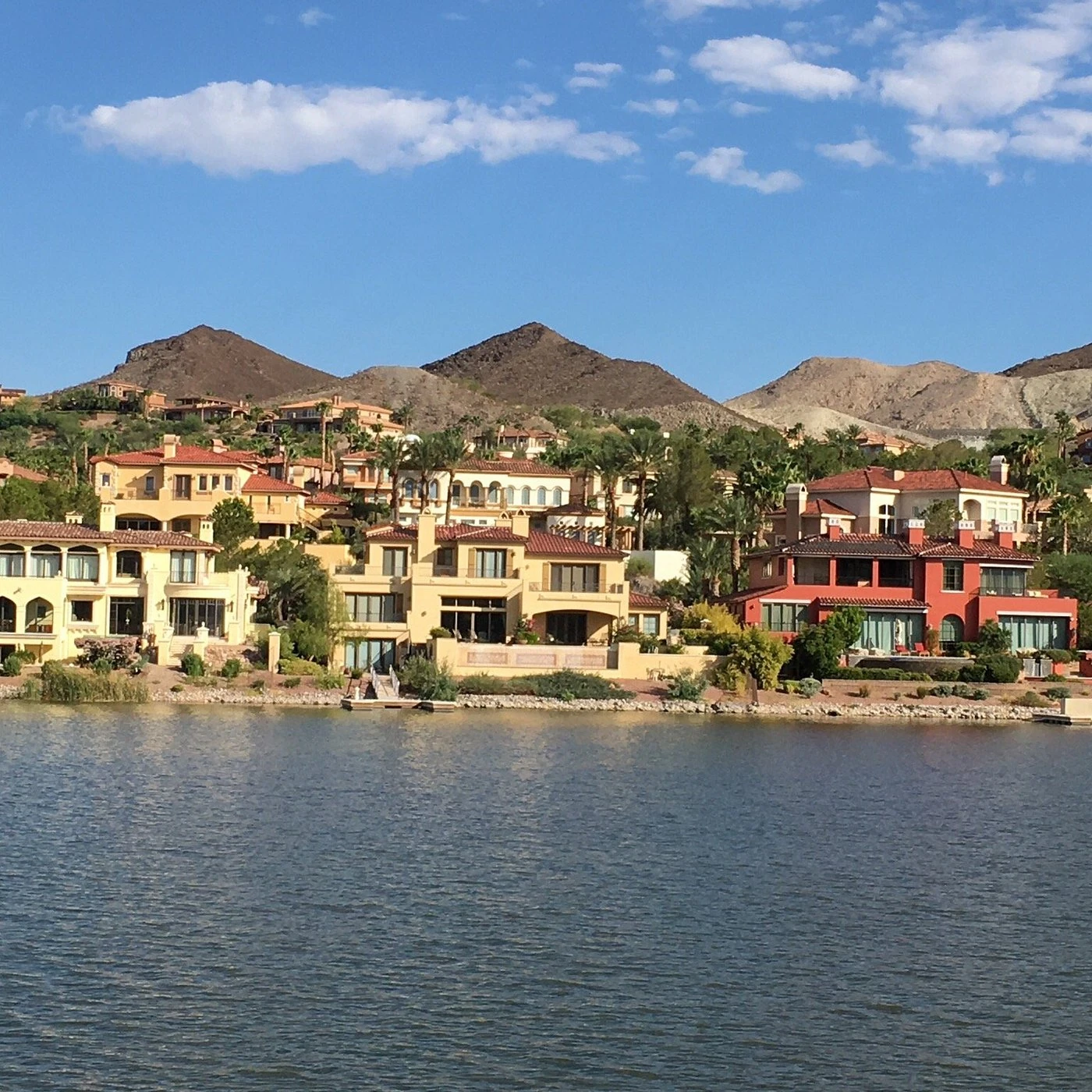
Cost optimization opportunities often emerge through careful phasing of design decisions, early commitment to certain services, and strategic bundling of exhibit elements with related event components. When compared to more suburban venues like Hilton Lake Las Vegas Resort and Spa, the central district positioning may involve different expense profiles that must be weighed against potential attendance gains.
Ongoing monitoring throughout the planning process allows for adjustments that preserve quality while addressing any emerging budget pressures, ensuring the final event delivers measurable value within the allocated resources.
Sustainability Considerations in Modern Event Planning
Las Vegas venues, including Caesars Forum Conference Center, increasingly incorporate sustainability expectations into their operational standards, reflecting broader industry shifts toward environmentally responsible events. Planning at this level involves selecting materials and practices that align with these standards while maintaining the visual and functional quality required for effective exhibits. This balance requires early integration of sustainability criteria into the design phase rather than as an afterthought.
Opportunities exist for reducing waste through modular exhibit components that can be repurposed across multiple Las Vegas events, transportation choices that minimize carbon impact, and digital alternatives to traditional printed materials. The central district location can support these goals by reducing overall shipping distances when coordinated with other Strip venues. Such approaches not only address venue and organizer expectations but also resonate with attendees who prioritize corporate responsibility.
Measurement of sustainability performance has become a standard component of post-event reporting, with data from Caesars Forum events contributing to larger organizational ESG objectives. Coordination frameworks that track these metrics from planning through execution provide the documentation needed for credible reporting while identifying areas for continuous improvement in subsequent events.
As sustainability requirements evolve across the listed Las Vegas venues, staying informed about Caesars Forum-specific initiatives allows planners to maintain compliance while potentially gaining competitive advantages through demonstrated environmental leadership.
Frequently asked questions
How does Caesars Forum Conference Center compare to the Las Vegas Convention Center for trade shows?
Caesars Forum offers a more integrated resort experience within the Strip Central district, while the Las Vegas Convention Center provides larger standalone exhibit halls. The choice depends on event scale, desired attendee amenities, and logistical preferences specific to each gathering.
What district advantages does planning for Caesars Forum provide?
Its location in Strip Central facilitates easier access to multiple resorts, transportation options, and dining, creating more opportunities for extended attendee engagement compared to venues in suburban or south Strip clusters.
When should exhibit planning begin for events at this venue?
Initiating planning 9 to 18 months ahead allows sufficient time for alignment with Las Vegas market cycles, infrastructure verification, and integration with other event components for optimal results.
How important is technology planning for Caesars Forum exhibits?
Given the venue's modern standards, technology integration significantly impacts attendee experience. Early compatibility assessments help ensure smooth operation of interactive and digital elements throughout the event.
What sustainability factors should be considered for this location?
Focus on modular designs, reduced shipping distances within the central district, and alignment with venue policies regarding waste and materials to meet both operational and organizational responsibility goals.
How does the surrounding area influence exhibit strategy?
The active pedestrian environment and resort connections in Strip Central require designs that perform well amid visual competition while leveraging opportunities for cross-promotion and extended brand experiences.
Top venues
See all venues