Las Vegas Markets
Winchester NV Trade Show Exhibit Planning: Coordination for the Las Vegas Market
Winchester NV functions as a strategic secondary location within the greater Las Vegas convention corridor, supporting coordinated exhibit programs for events powered by the region’s primary venues and year-round demand drivers.
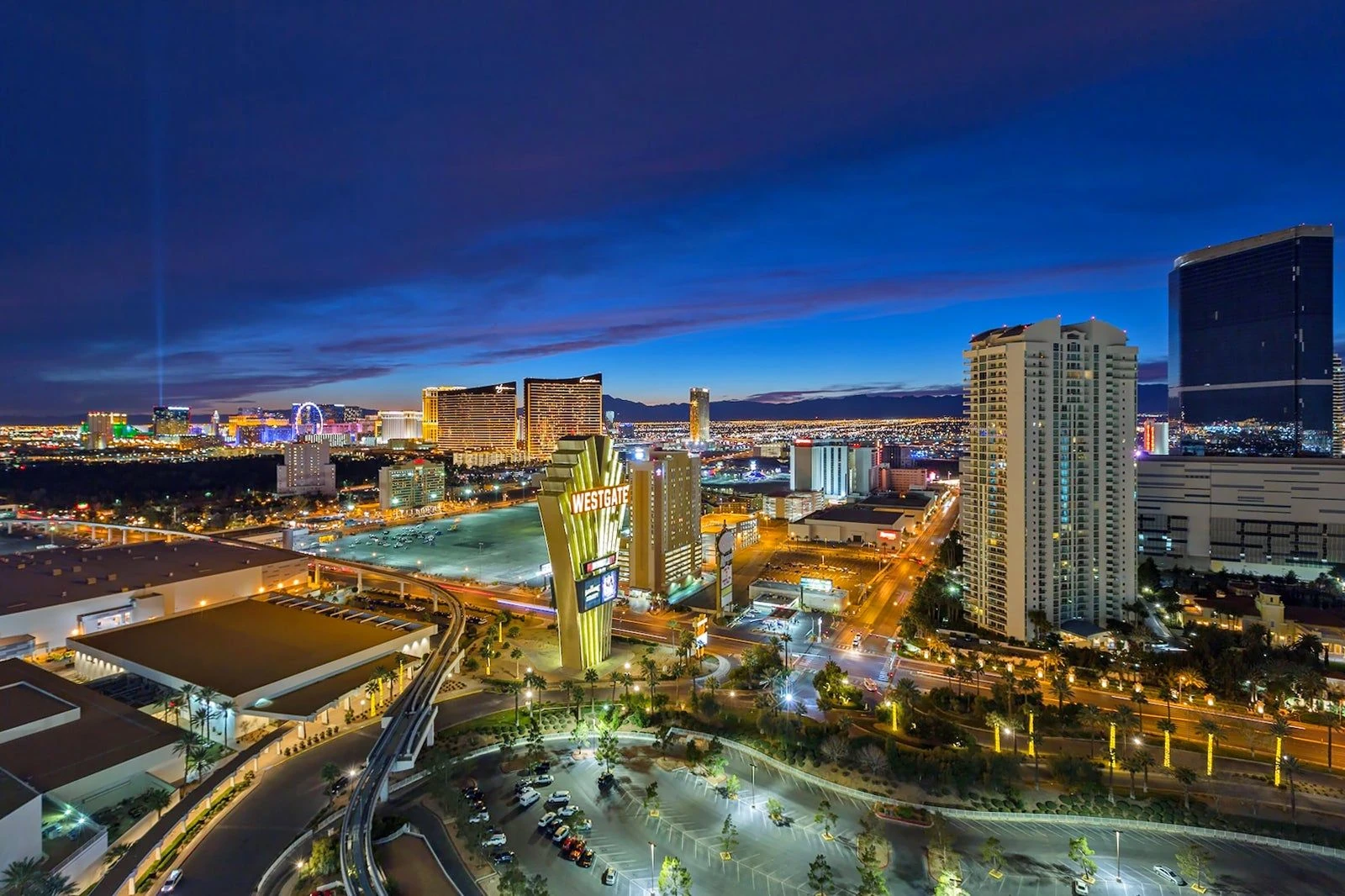
Winchester’s Role in the Las Vegas Exhibition Ecosystem
Winchester NV operates as one of several secondary locations that extend the functional footprint of the Las Vegas trade show market. The area maintains connectivity to the primary convention corridor without direct immersion in the highest-traffic zones, allowing for more measured logistical planning around peak event periods. This positioning supports exhibitors who require proximity to major venues while benefiting from slightly reduced density during setup and breakdown phases.
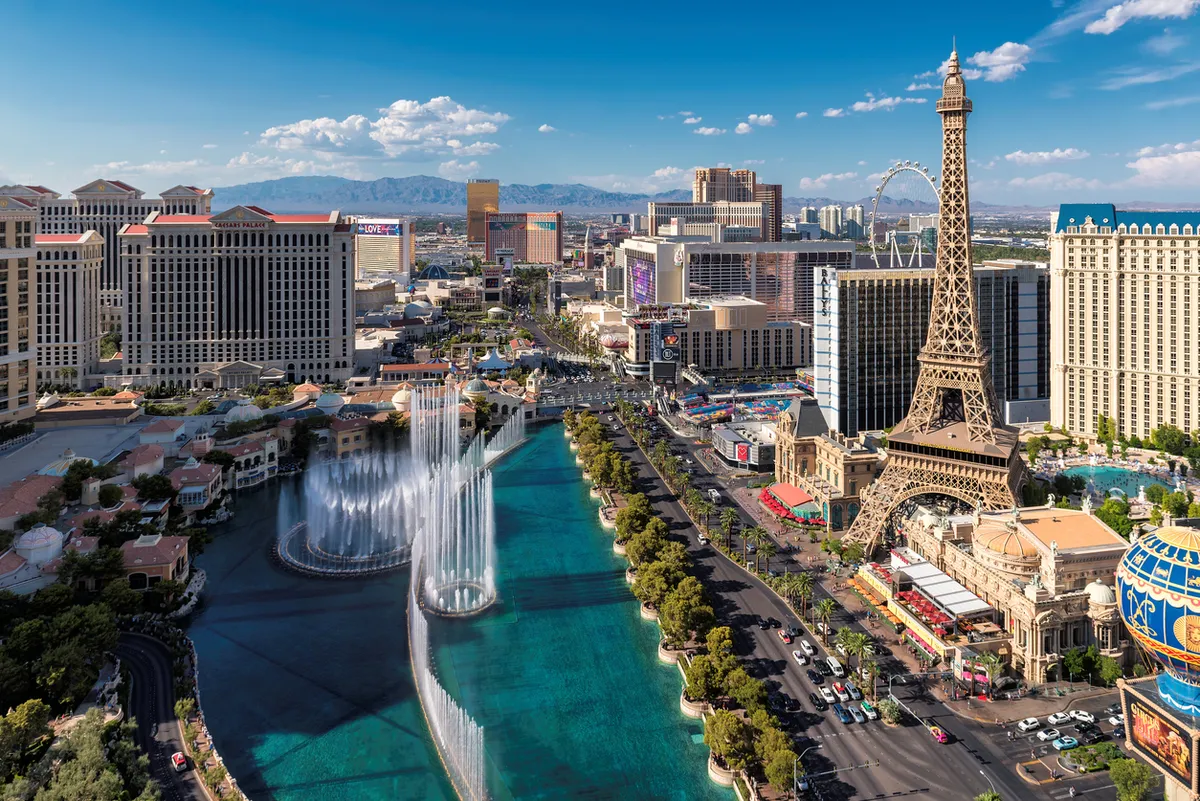
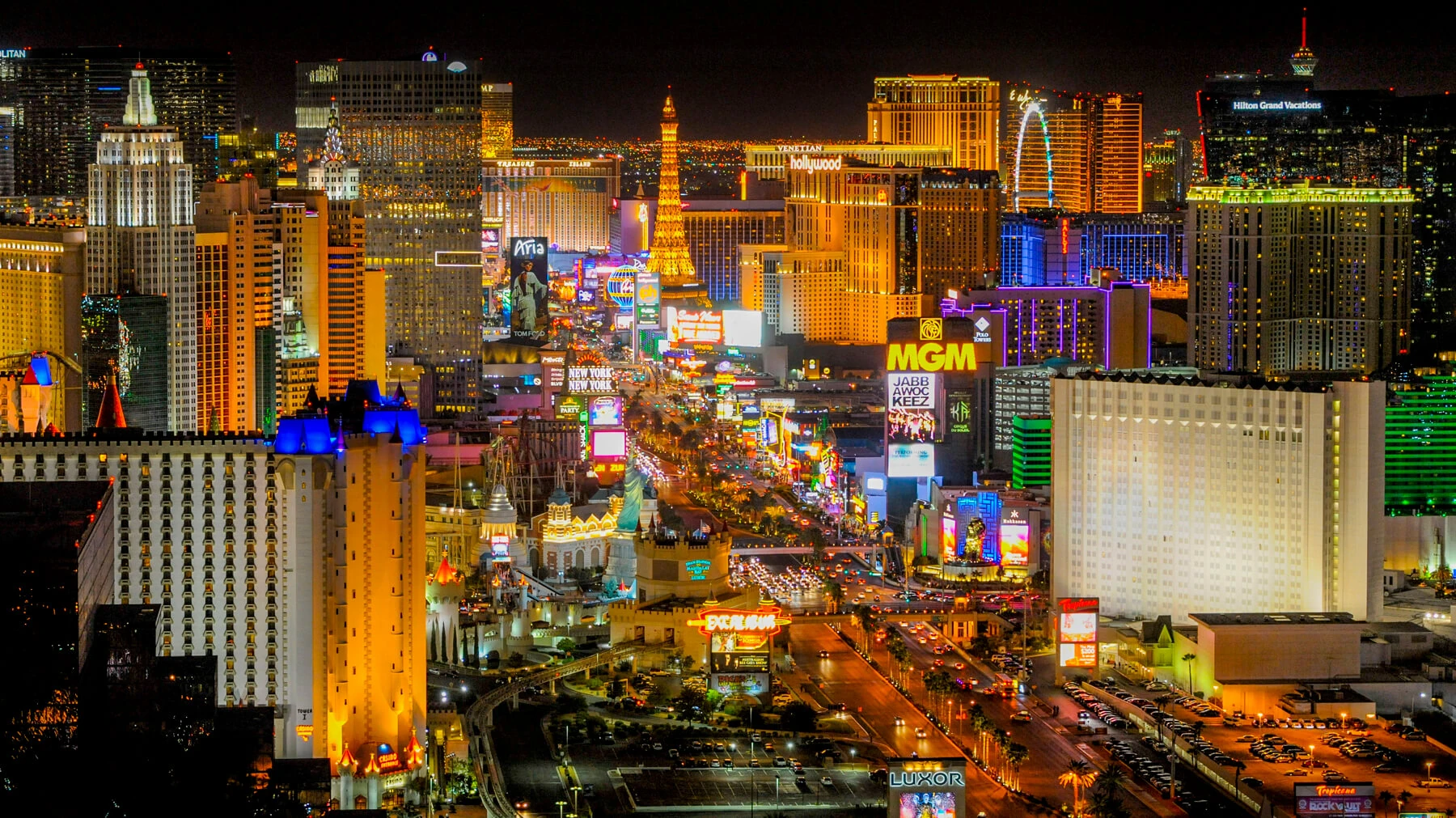
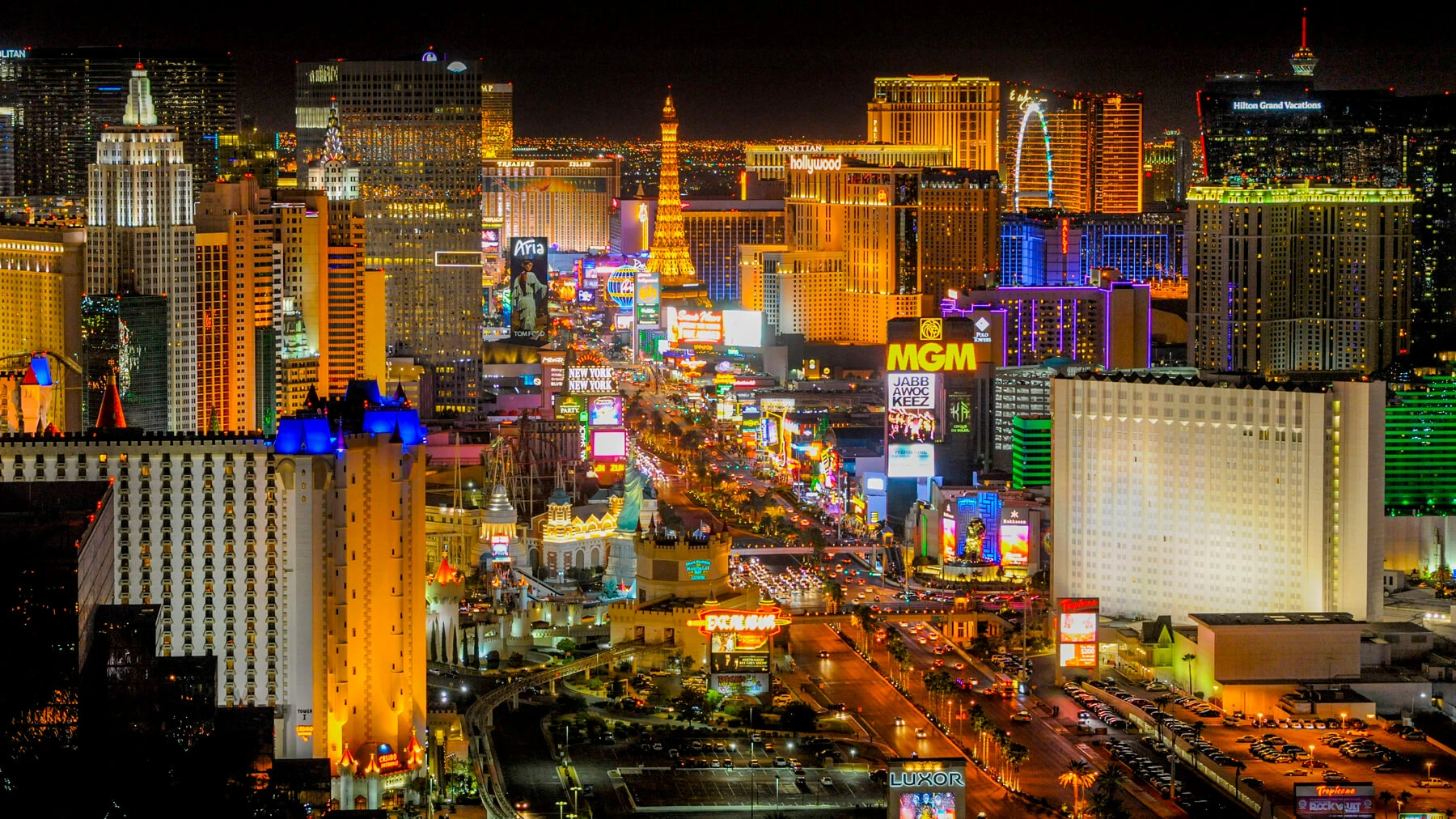
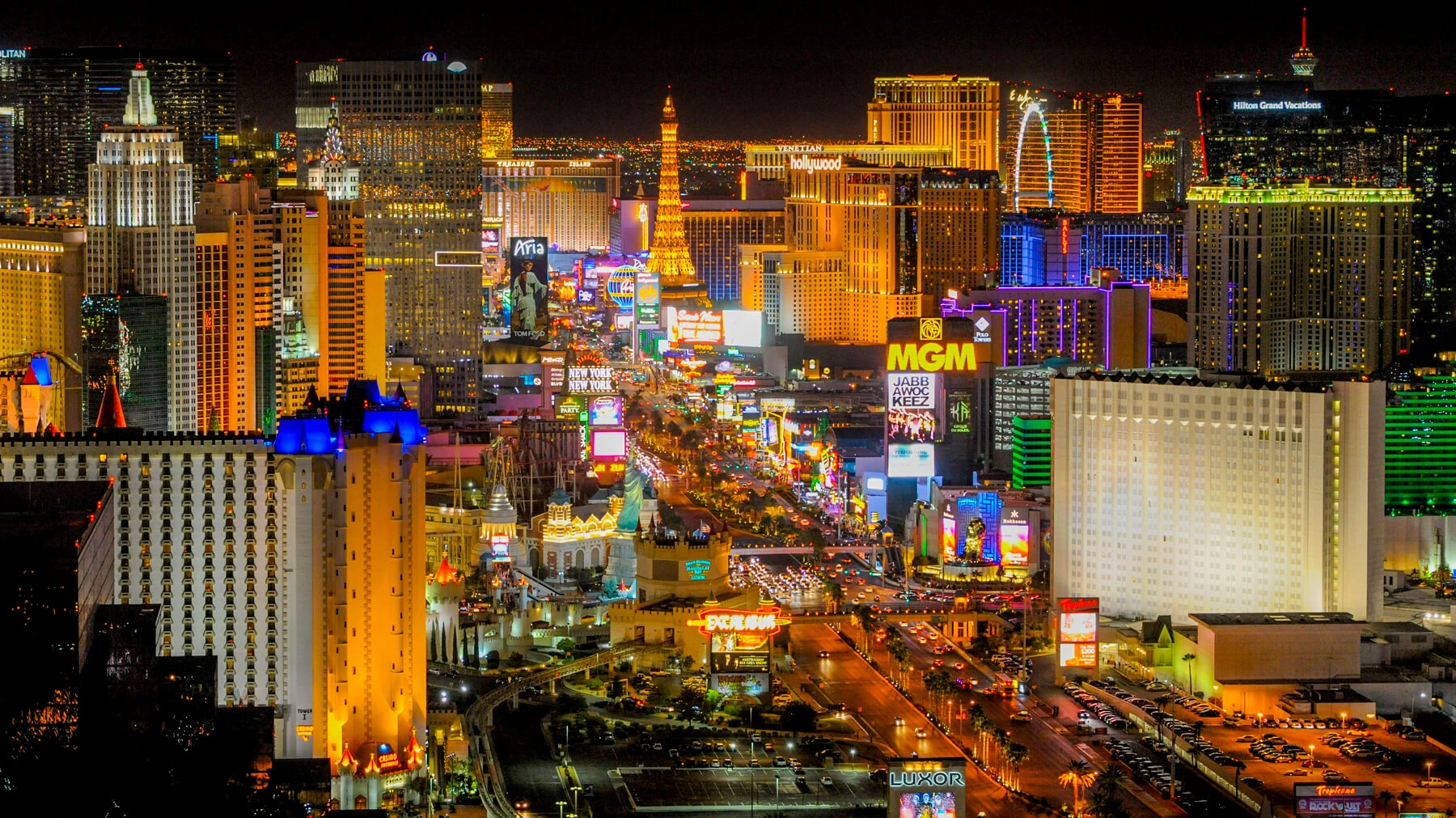
The broader Las Vegas market sustains activity across a wide service-area footprint that includes the Strip, Convention Center District, Paradise, Spring Valley, Enterprise, Summerlin, and adjacent satellite towns such as Winchester. Coordination resources therefore treat Winchester as part of an interconnected network rather than an isolated destination, ensuring strategies account for cross-district movement and shared infrastructure.
Successful programs in this location begin with an understanding of how Winchester fits into the regional calendar. Events hosted at flagship facilities generate overflow and complementary activity that can be leveraged when exhibit plans are developed with the full valley geography in mind.
Primary Venues Driving Demand Across the Las Vegas Market
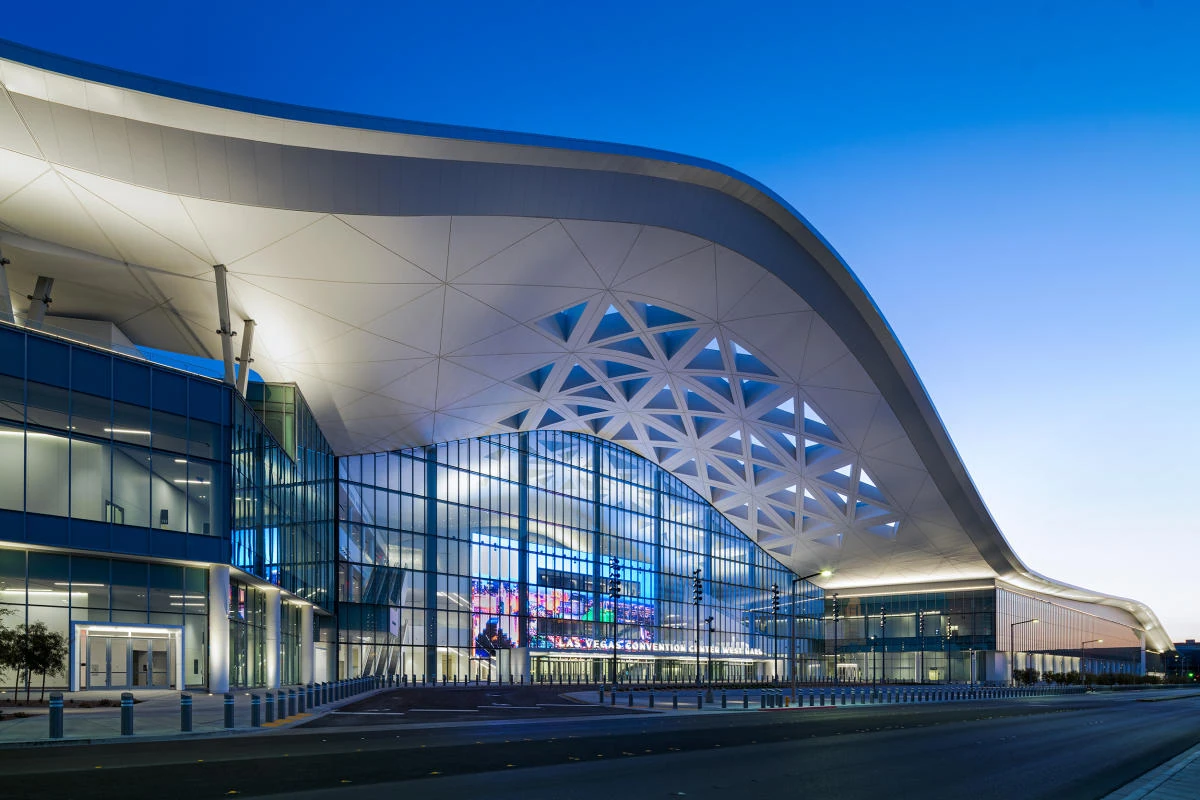
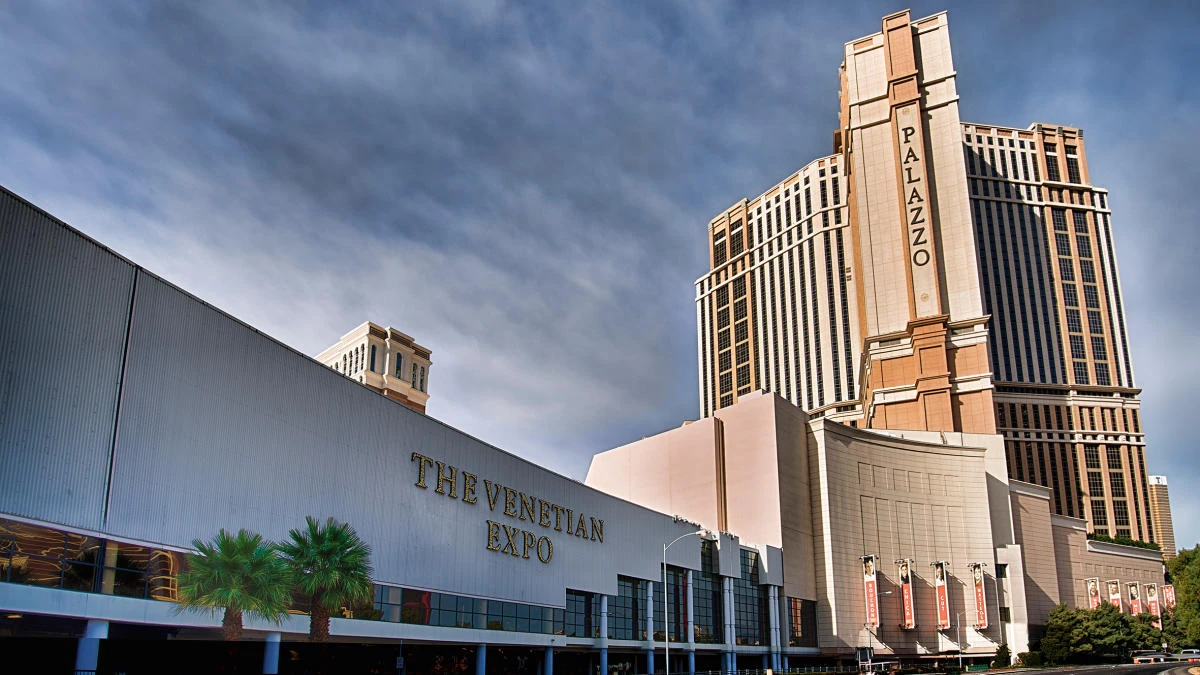
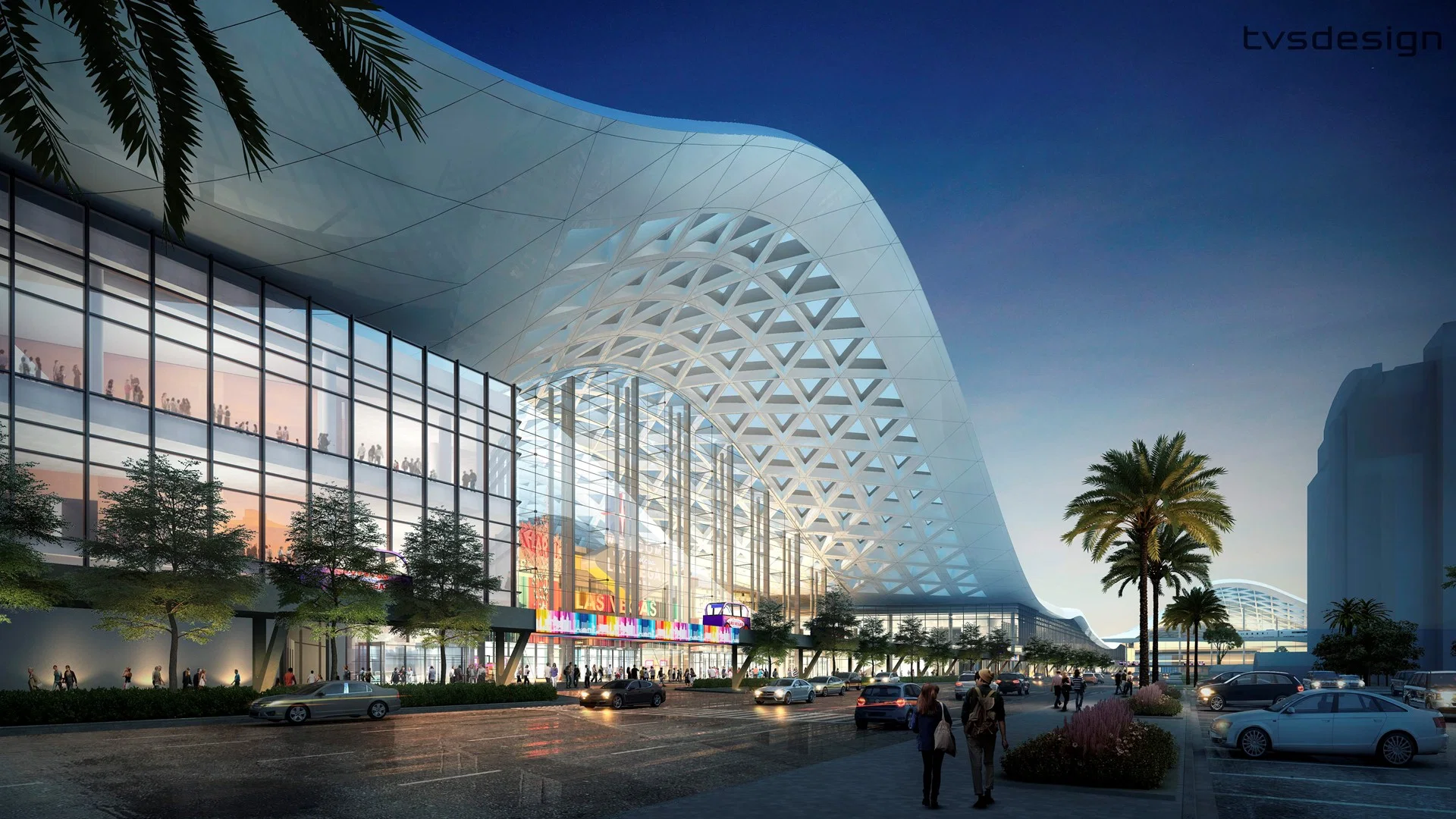
The foundation of Las Vegas trade show activity rests on a core group of established venues that set the standard for scale and production quality. The Las Vegas Convention Center remains a central driver with its expansive floor space and consistent calendar of major industry events. Nearby, the Venetian Expo provides modern, flexible exhibition environments that frequently host concurrent programming with adjacent resort facilities.
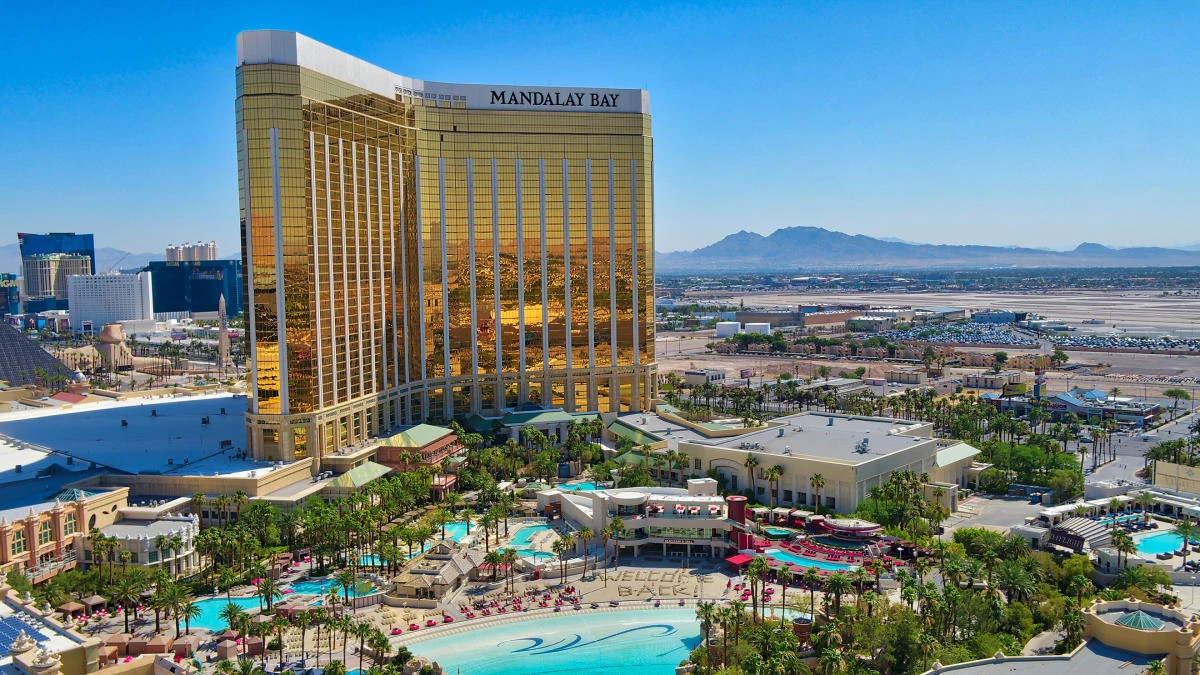
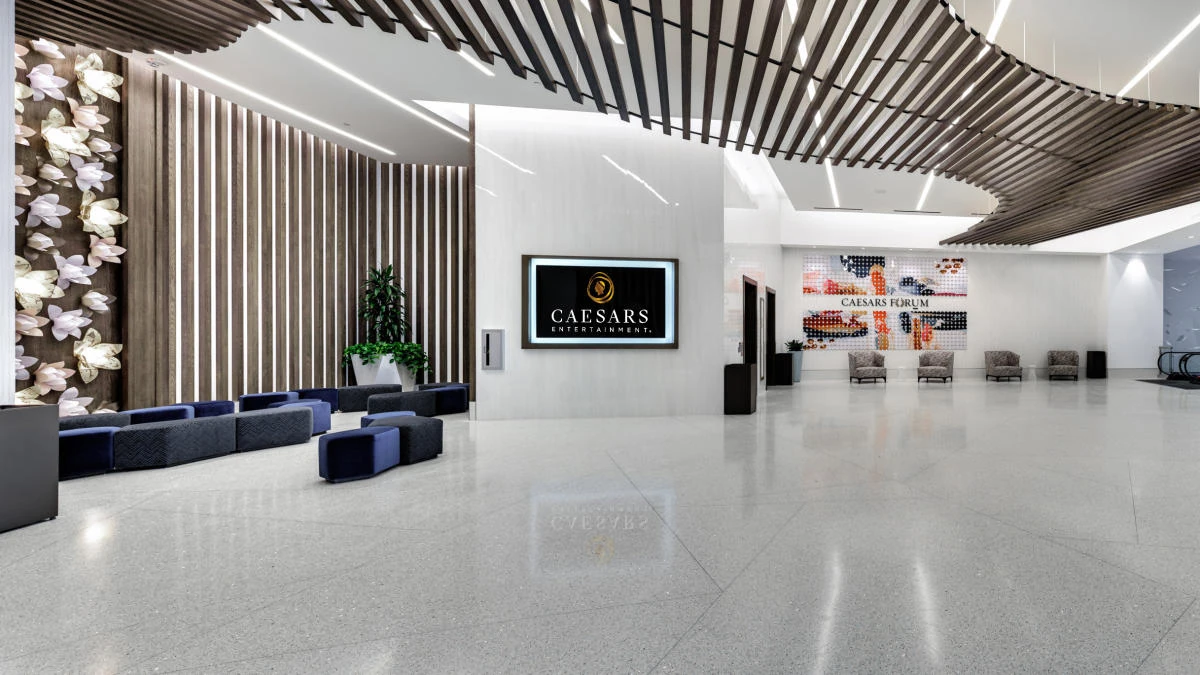
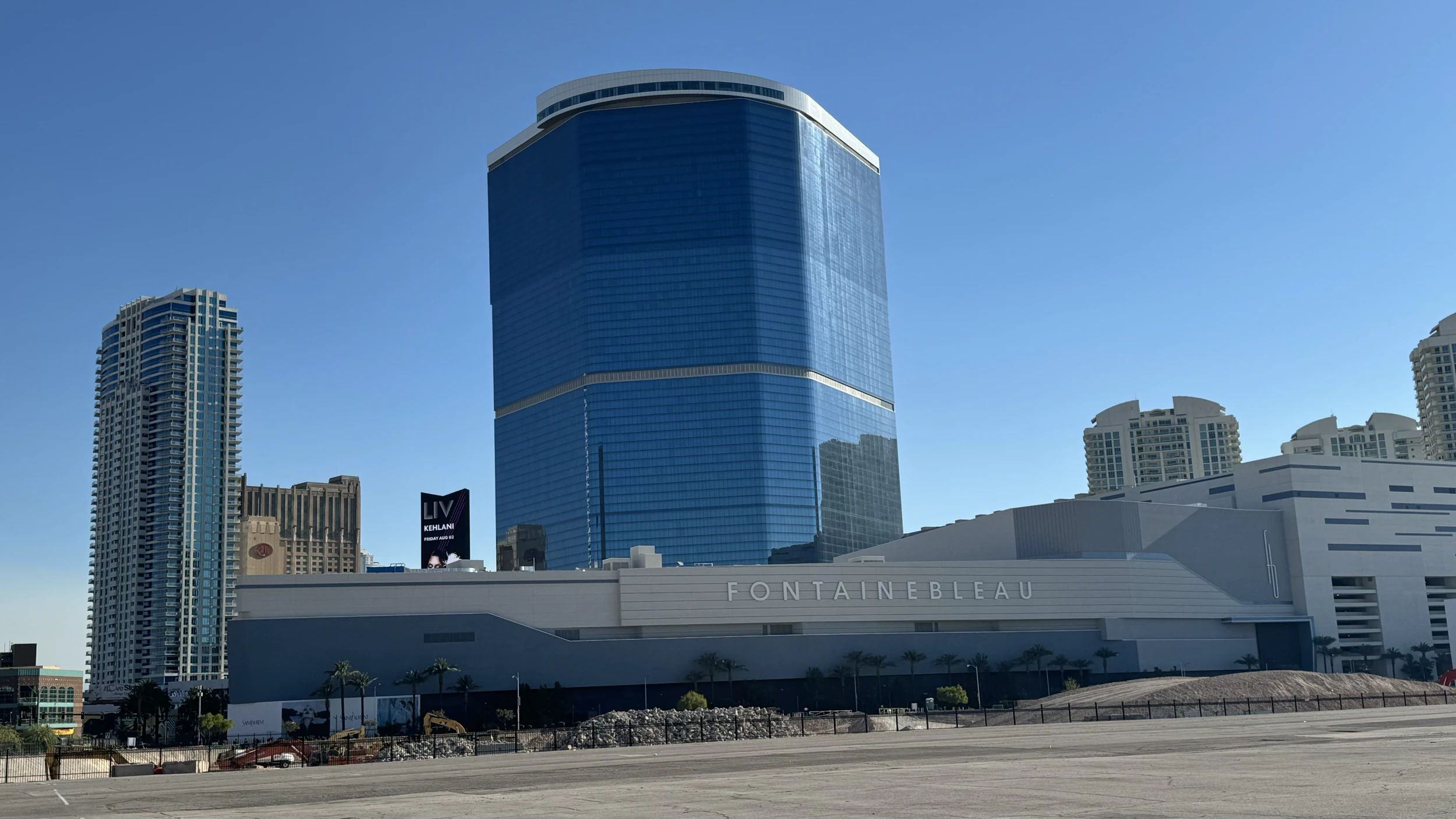
Additional demand originates from the Mandalay Bay Convention Center, Caesars Forum Conference Center, and Fontainebleau Las Vegas, each contributing distinct capabilities for corporate, association, and specialty exhibitions. Supporting properties including Westgate Las Vegas Resort & Casino, Alexis Park All Suite Resort, Virgin Hotels Las Vegas, Green Valley Ranch Resort & Spa, and Hilton Lake Las Vegas Resort & Spa further diversify the options available to exhibitors operating within the wider Winchester-adjacent region.
Effective planning requires reviewing the unique specifications and scheduling patterns of these venues well in advance. Winchester’s location allows for strategic staging that can align with the specific requirements published by each facility while maintaining operational flexibility across the annual event cycle.
Strategic Location Analysis for Winchester NV Programs
Winchester’s placement within the Las Vegas Valley offers a balanced alternative to both core Strip locations and more distant satellite communities. When mapped against recommended targets such as Las Vegas Strip, Convention Center District, Paradise NV, Spring Valley NV, and Enterprise NV, Winchester emerges as a practical node for exhibitors seeking efficient access to east-side and central valley venues without committing exclusively to high-density resort environments.
Coordination frameworks stress the value of evaluating travel times, loading dock logistics, and attendee movement patterns between Winchester and primary venues. This analysis informs decisions about exhibit scale, storage needs during multi-day shows, and the sequencing of installations across related events at properties like Alexis Park or the Las Vegas Convention Center.
The secondary priority assigned to Winchester within the regional target list reflects its supportive rather than primary status, encouraging planners to integrate it into broader Southern Nevada strategies that may also encompass Henderson, Summerlin, and Downtown Las Vegas. Such integrated planning maximizes reach while respecting the distinct operational characteristics of each sub-market.
Exhibit Design and Coordination Best Practices
Exhibit programs targeting the Las Vegas market through a Winchester base benefit from designs that prioritize modularity, durability, and rapid reconfiguration. The frequency of large-scale events in the region favors systems that can be adapted across multiple venues without requiring complete reconstruction, allowing planners to maintain consistency while addressing each facility’s specific dimensional and technical guidelines.
Coordination resources highlight the importance of early-stage alignment with known venue parameters published by the Las Vegas Convention Center, Venetian Expo, and Mandalay Bay Convention Center. This includes attention to ceiling heights, power specifications, rigging options, and material restrictions that vary between properties and directly influence design feasibility.
Audience expectations in Las Vegas reward sophisticated presentation paired with functional engagement zones. Planning therefore incorporates traffic-flow modeling, technology integration points, and branding elements calibrated to the sophisticated attendee profiles typical of the region’s premier exhibitions.
Timeline and Logistical Planning for Regional Events
The Las Vegas event calendar features overlapping cycles that require precise timeline construction. Winchester-based planning begins months in advance to accommodate advance shipping windows, installation schedules, and dismantle periods associated with flagship venues. Coordination emphasizes buffer periods that account for potential congestion during peak move-in days at the Las Vegas Convention Center and Venetian Expo.
Successful execution depends on sequencing exhibit elements across related events at properties such as Caesars Forum, Fontainebleau Las Vegas, and Westgate Las Vegas. This includes contingency planning for labor availability, material handling, and on-site adjustments that maintain program integrity across the full duration of a multi-week presence in the market.
Resources for the region stress documentation of all venue-specific deadlines and the creation of master calendars that incorporate both primary convention activity and secondary opportunities at locations including Green Valley Ranch and Hilton Lake Las Vegas. Such comprehensive scheduling reduces friction and supports consistent brand presence.
Extending Reach Across Recommended Las Vegas Locations
While Winchester provides a stable base for planning, the full Las Vegas market extends to a comprehensive list of recommended targets including Las Vegas NV, Las Vegas Strip, Convention Center District, Paradise NV, Spring Valley NV, Enterprise NV, Summerlin NV, Summerlin South NV, Downtown Las Vegas, and the Arts District. Coordination resources help map Winchester programs against these adjacent and complementary zones to create cohesive regional campaigns.
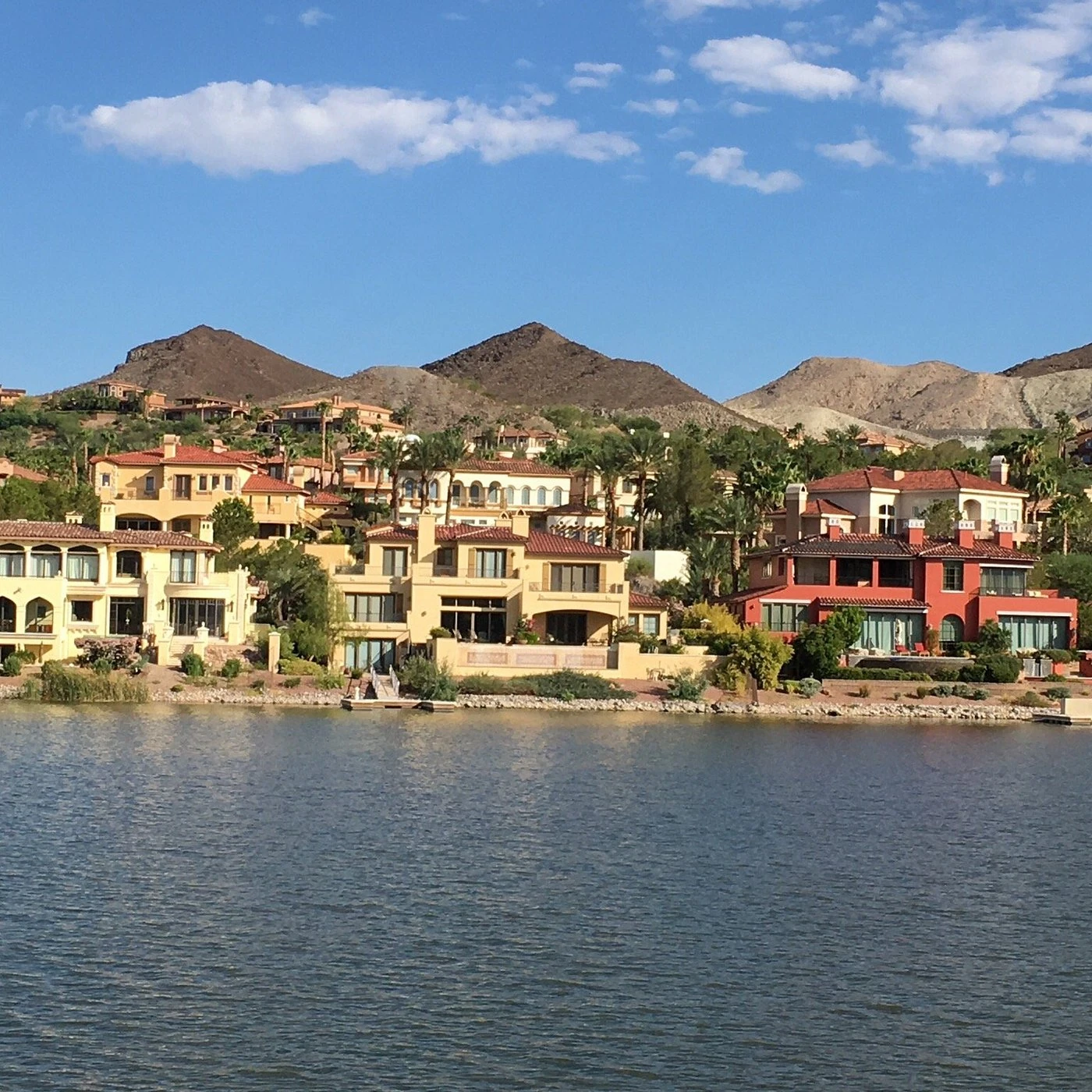
Properties in Henderson, Green Valley, Lake Las Vegas, North Las Vegas, and Centennial Hills further expand opportunities for exhibitors willing to coordinate across sub-markets. The planning process evaluates which events at these locations align with core objectives established for Winchester-centered activity, ensuring efficient resource allocation and maximized exposure.
This network approach recognizes that the Las Vegas market can support a wide service-area footprint. Strategies developed for Winchester therefore incorporate flexible components that transfer effectively to Summerlin Meeting District, Southwest Las Vegas, or the various Strip segments while maintaining brand coherence.
Measuring Performance and Refining Future Programs
Robust measurement frameworks are essential for exhibitors operating in the competitive Las Vegas environment. Planning resources for Winchester emphasize the establishment of clear KPIs at the outset, including lead volume, engagement duration, and post-event conversion metrics calibrated to the specific audience profiles associated with venues such as the Las Vegas Convention Center and Venetian Expo.
Data collected from events at Mandalay Bay, Caesars Forum, Fontainebleau, and supporting resorts informs iterative improvements to booth configuration, messaging, and staffing models. This continuous refinement process ensures subsequent programs remain aligned with evolving market expectations and deliver measurable returns on investment.
Long-term coordination in the region benefits from centralized documentation of outcomes across the full portfolio of recommended locations. By analyzing patterns that emerge from Winchester-based participation alongside activity in Paradise, Summerlin, and Downtown, planners can develop increasingly sophisticated strategies that capitalize on the depth and diversity of the Las Vegas meetings market.
Frequently asked questions
How does Winchester NV fit into overall Las Vegas trade show planning?
Winchester functions as a recommended secondary location that supports coordinated access to the primary convention corridor and surrounding satellite towns. It enables strategic positioning relative to major venues while contributing to a wider service-area approach that includes the Strip, Convention Center District, Paradise, Summerlin, and Henderson.
Which major venues drive demand for exhibitions near Winchester?
Primary demand originates from the Las Vegas Convention Center, Venetian Expo, Mandalay Bay Convention Center, Caesars Forum Conference Center, Fontainebleau Las Vegas, Westgate Las Vegas, Alexis Park, Virgin Hotels Las Vegas, Green Valley Ranch, and Hilton Lake Las Vegas. Planning coordinates Winchester programs with the distinct requirements of each facility.
What planning considerations are unique to the Winchester area?
Key considerations include timeline alignment with valley-wide move-in cycles, mapping against neighboring districts such as Paradise and Spring Valley, and development of modular exhibit approaches that transfer across multiple recommended Las Vegas locations while respecting individual venue specifications.
How far in advance should exhibit programs for Winchester and Las Vegas be planned?
Coordination resources recommend beginning the planning process 9 to 18 months prior to major events at flagship venues. This timeframe accommodates published deadlines, schedule mapping across the annual calendar, and iterative design refinement based on the specific technical requirements of each participating facility.
Can exhibit strategies developed for Winchester extend to other Las Vegas districts?
Yes. Strategies are constructed with flexibility to integrate recommended locations including Las Vegas Strip, Summerlin, Enterprise, Downtown Las Vegas, and Henderson. Modular components and centralized measurement frameworks allow consistent brand execution across the full Southern Nevada service area.
What role does audience analysis play in Winchester-area event planning?
Audience profiles associated with the Las Vegas Convention Center, Venetian Expo, and supporting venues inform every element of exhibit design and engagement strategy. Planning resources emphasize demographic review to ensure content, technology, and interaction zones align with the sophisticated expectations of regional and national attendees.
Top venues
See all venues