Las Vegas Markets
Las Vegas Strip Trade Show Planning and Coordination
Authoritative strategies for exhibitions at integrated resort venues along the iconic Las Vegas Strip corridor.
The Distinct Character of the Las Vegas Strip Exhibition District
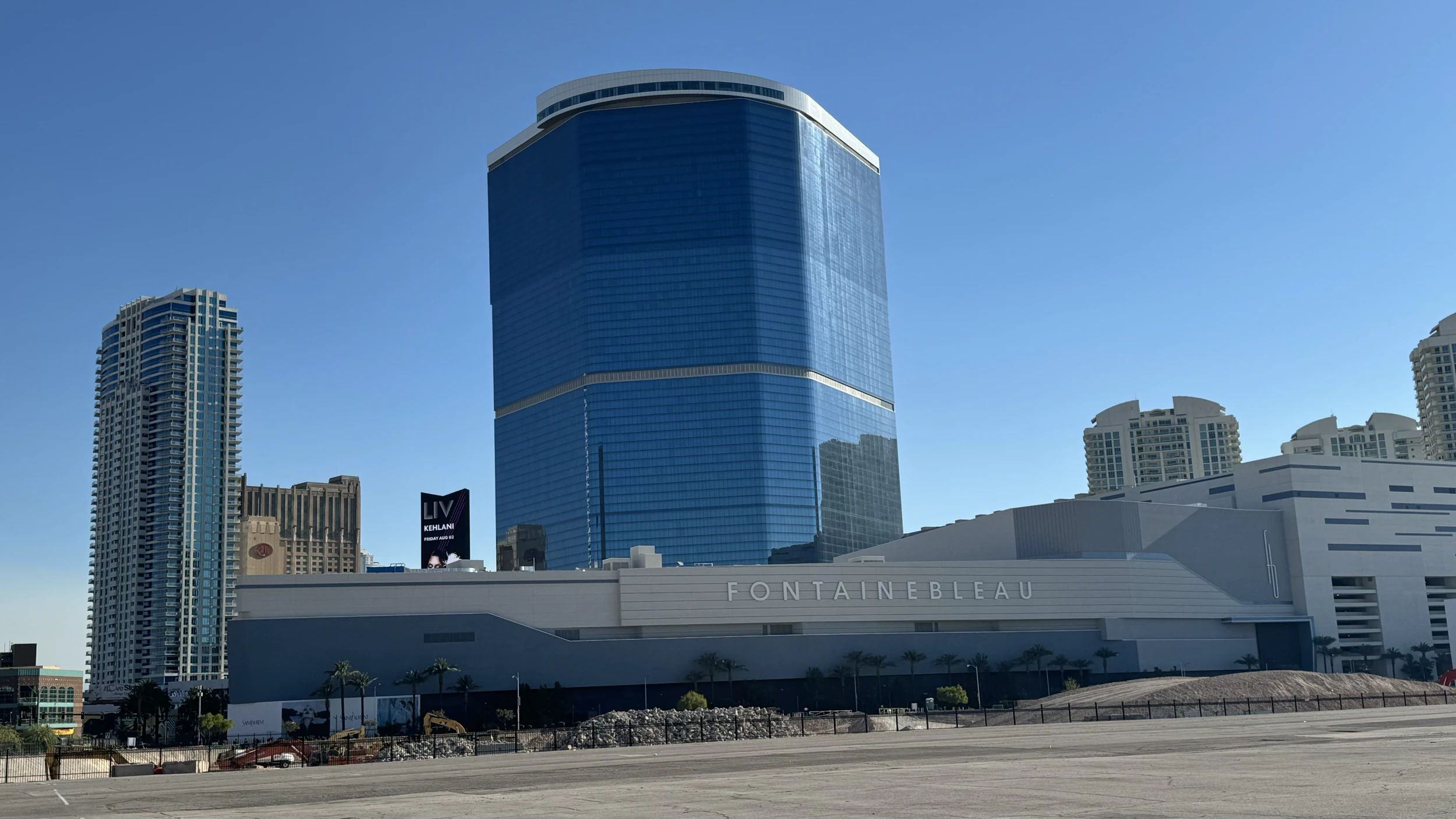
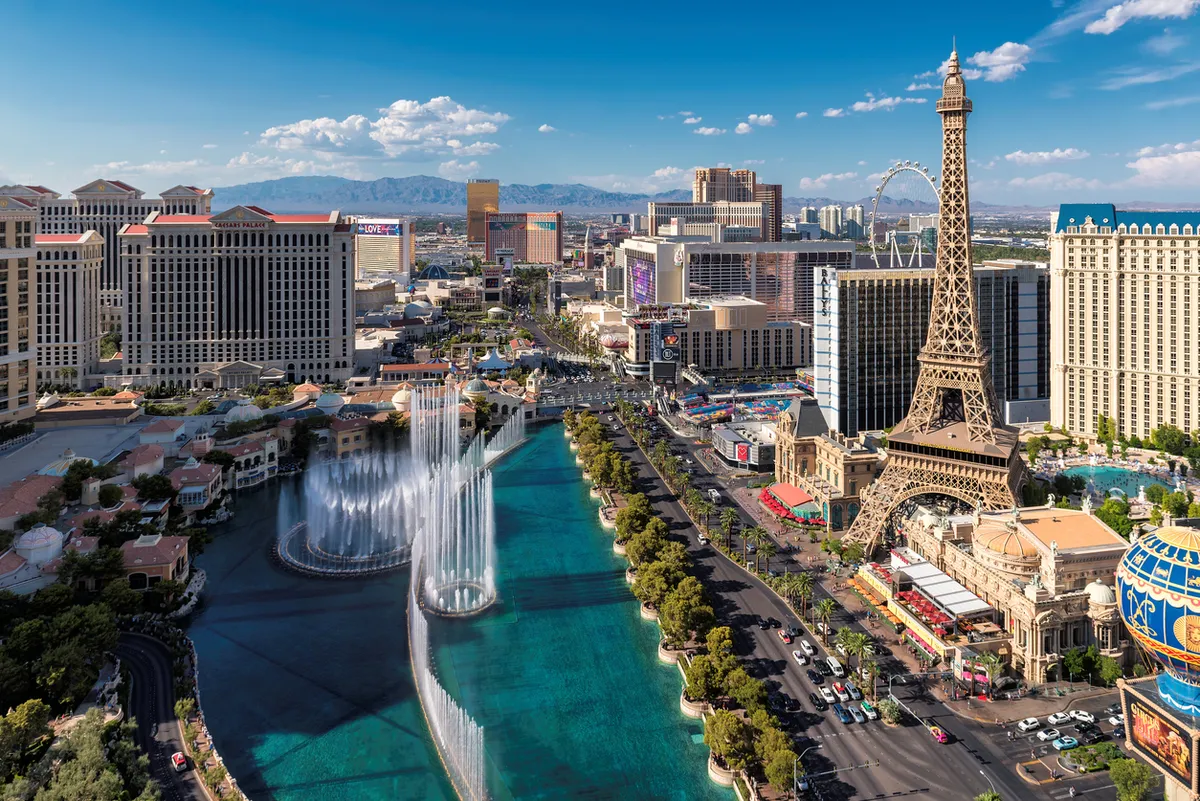
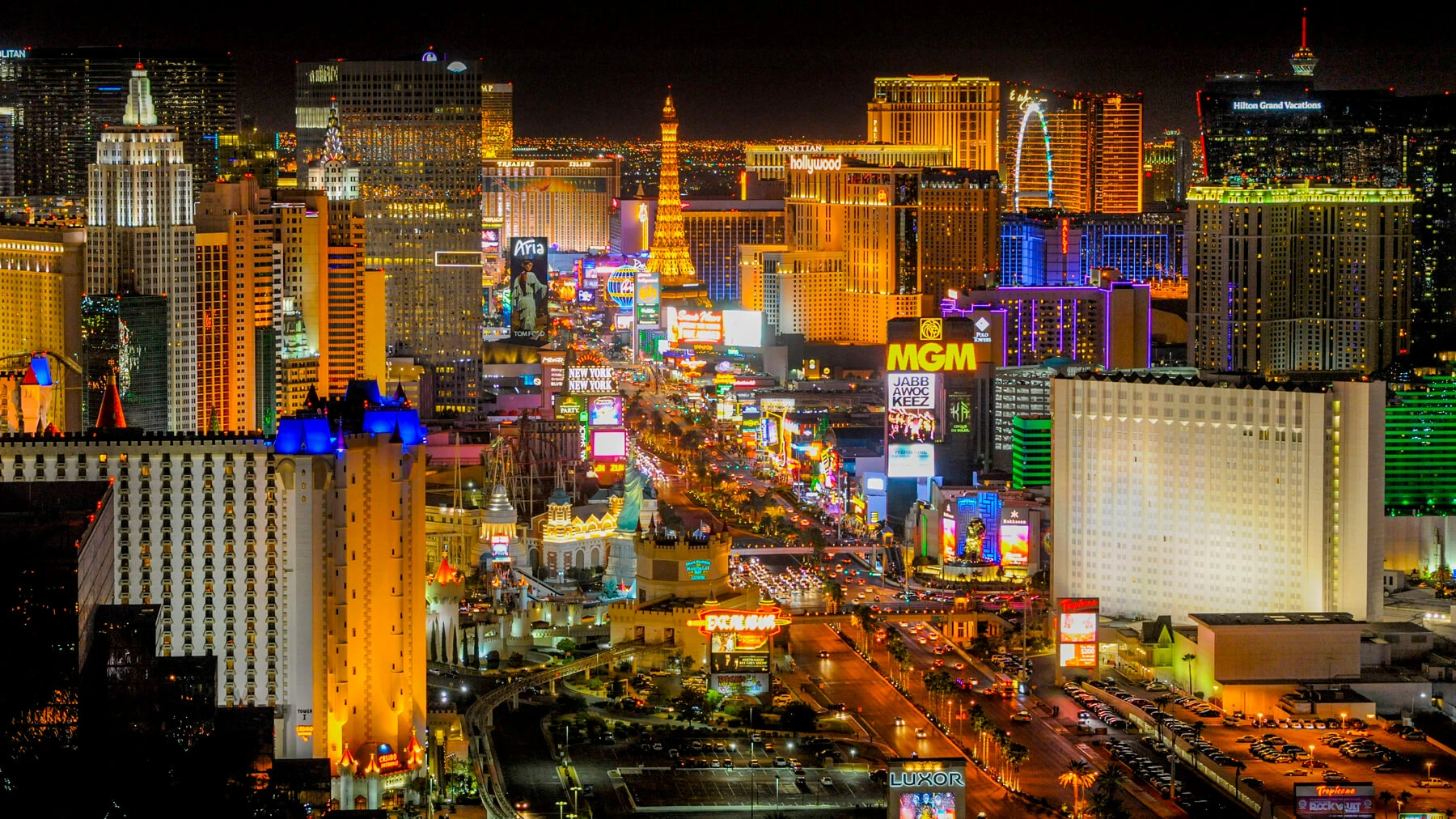
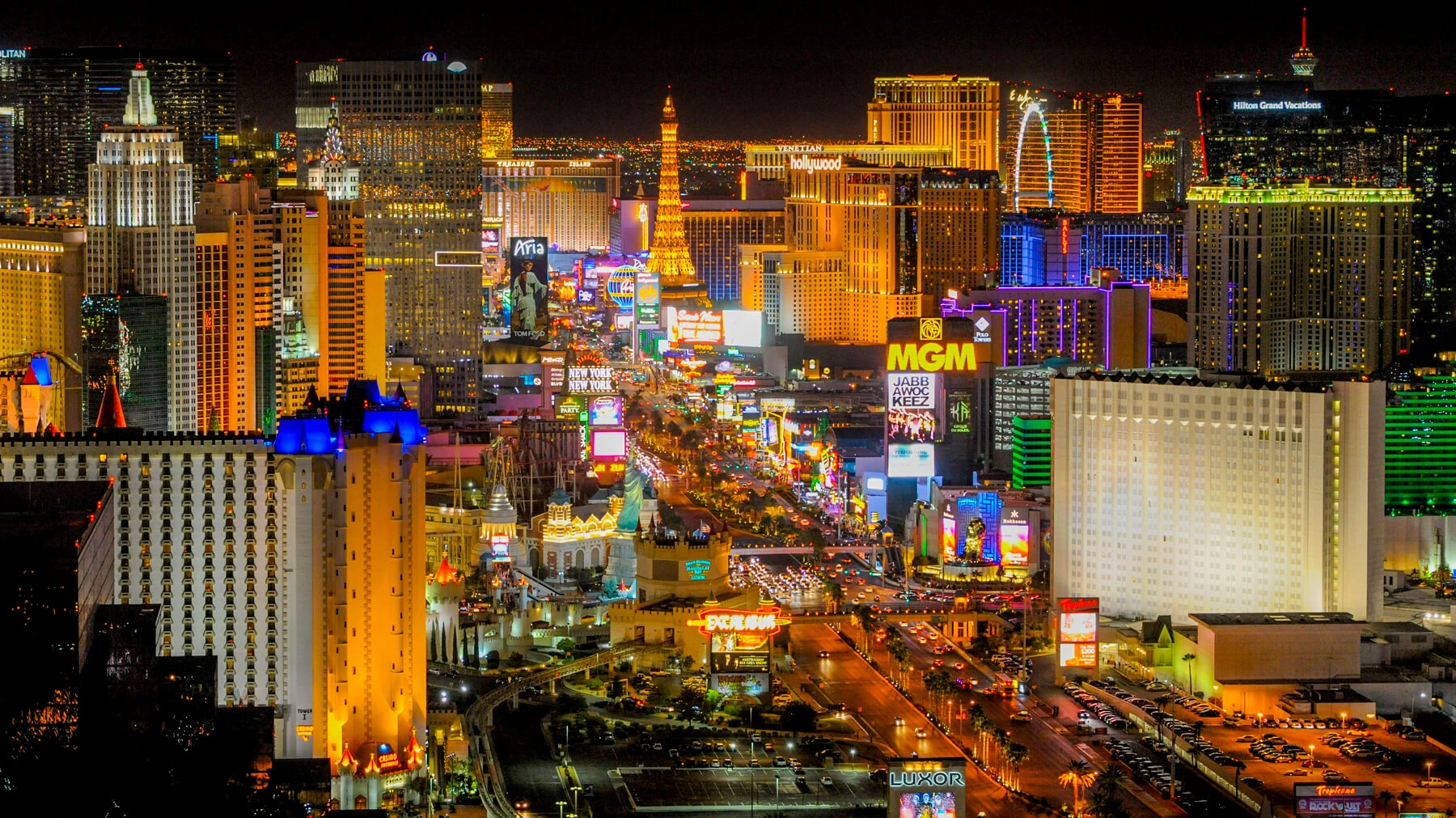
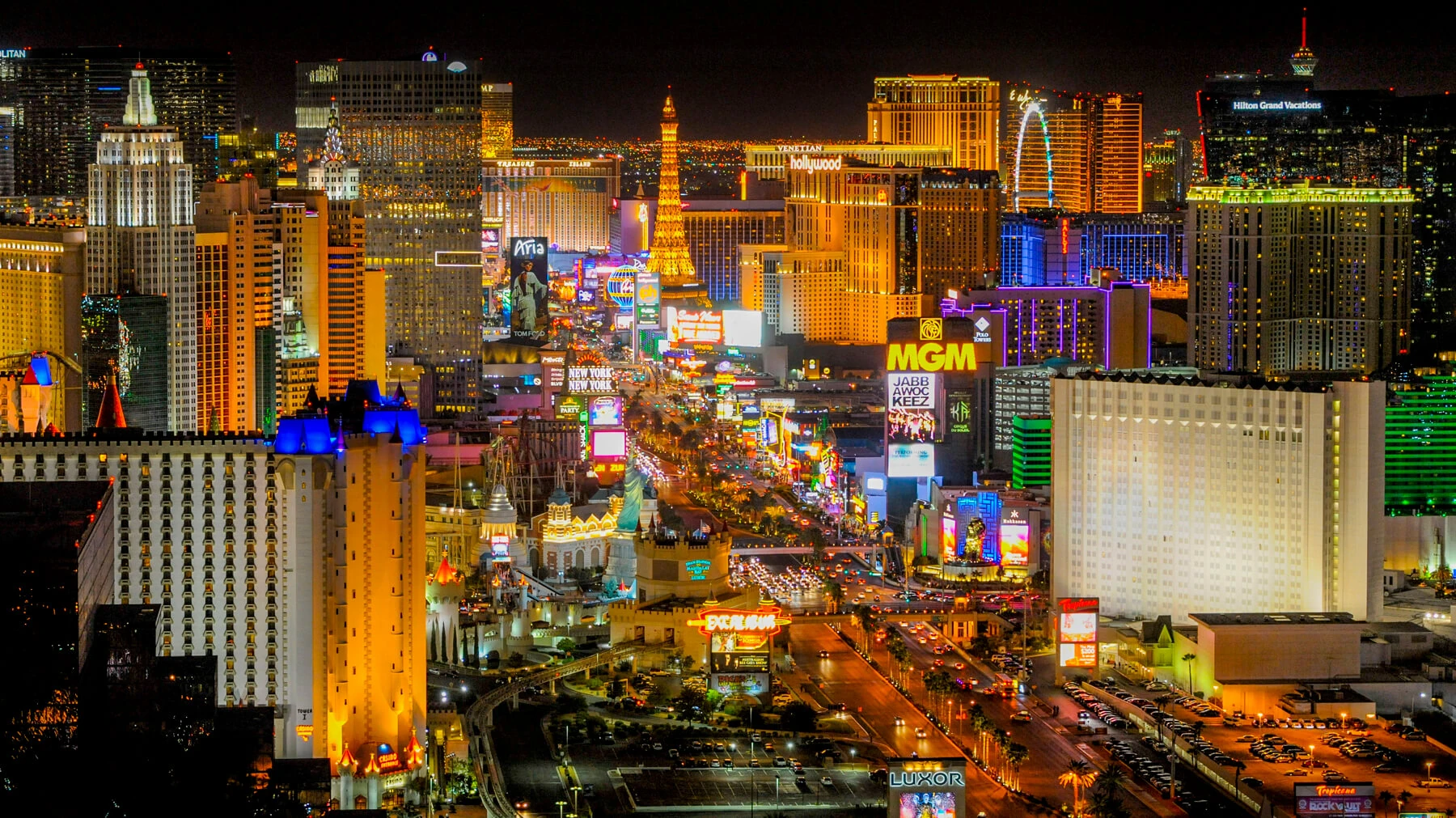
The Las Vegas Strip operates as a self-contained ecosystem where major resorts host conventions, trade shows, and corporate events within their own facilities. This creates a planning environment where logistics, attendee engagement, and brand visibility must be calibrated to the unique layout of each property. The district's linear geography from the north end near Fontainebleau Las Vegas to the south at Mandalay Bay requires segmented approaches that recognize varying crowd densities and accessibility considerations.
Planning resources must address how the Strip's entertainment reputation influences attendee expectations. Exhibits benefit when they incorporate elements that resonate with an audience accustomed to high-production environments. Coordination involves mapping connections between properties, understanding internal transportation options, and timing activations to match peak traffic periods without disrupting resort operations.
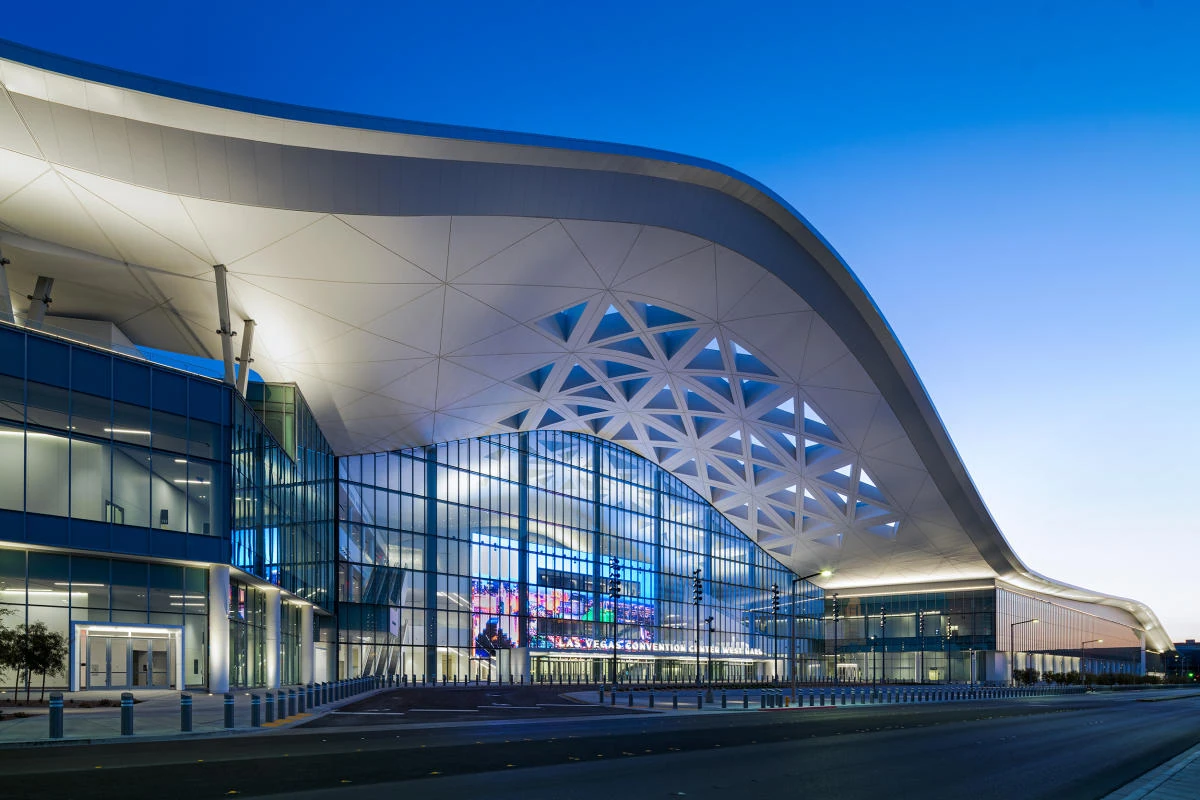
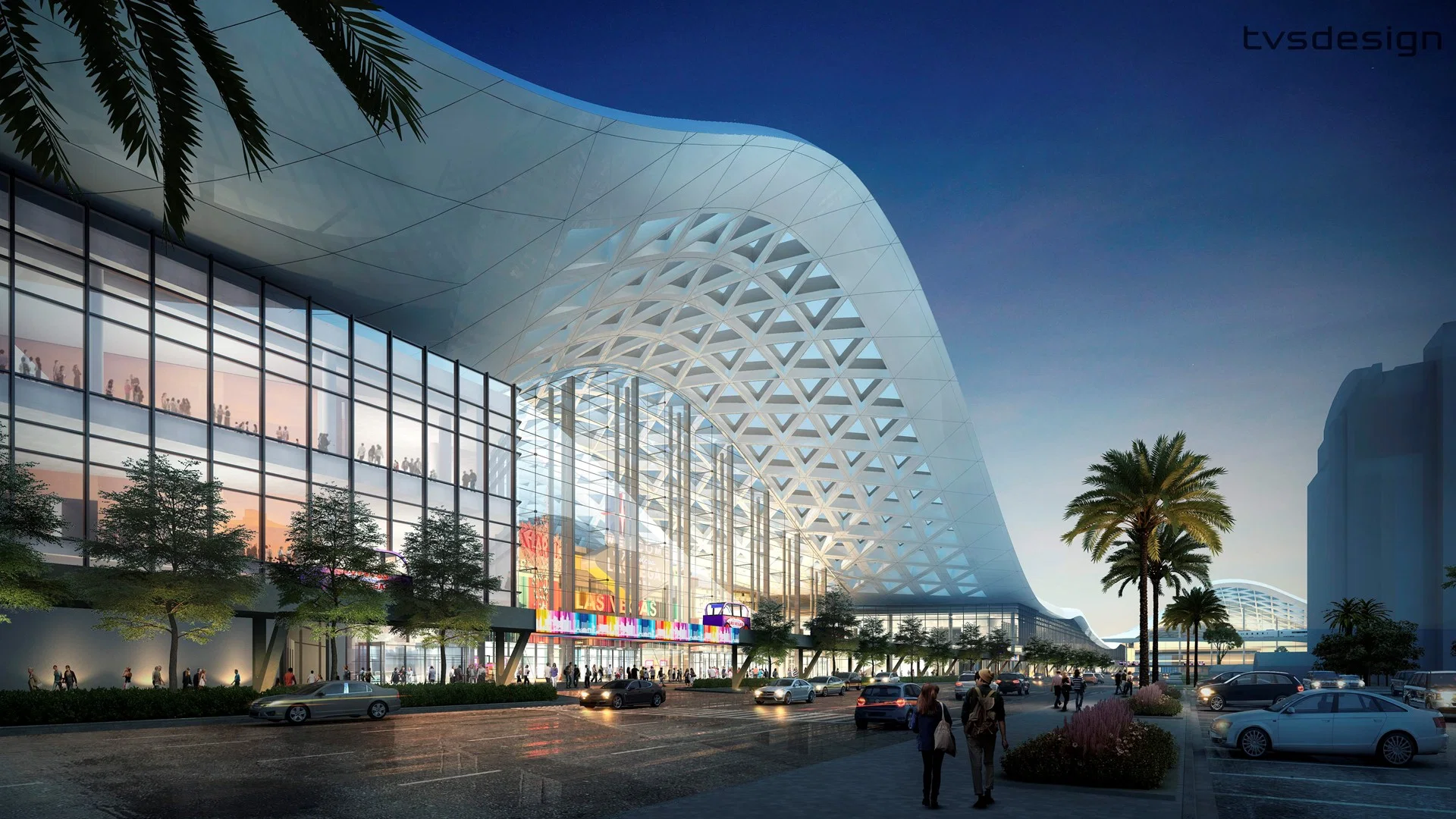
This district maintains clear differentiation from the adjacent Convention Center District. While the Las Vegas Convention Center focuses on large-scale standalone events, the Strip emphasizes integrated experiences where business sessions flow directly into resort amenities. Successful planning leverages this integration to extend dwell time and create more immersive brand interactions.
Key Venues Driving Activity Along the Las Vegas Strip
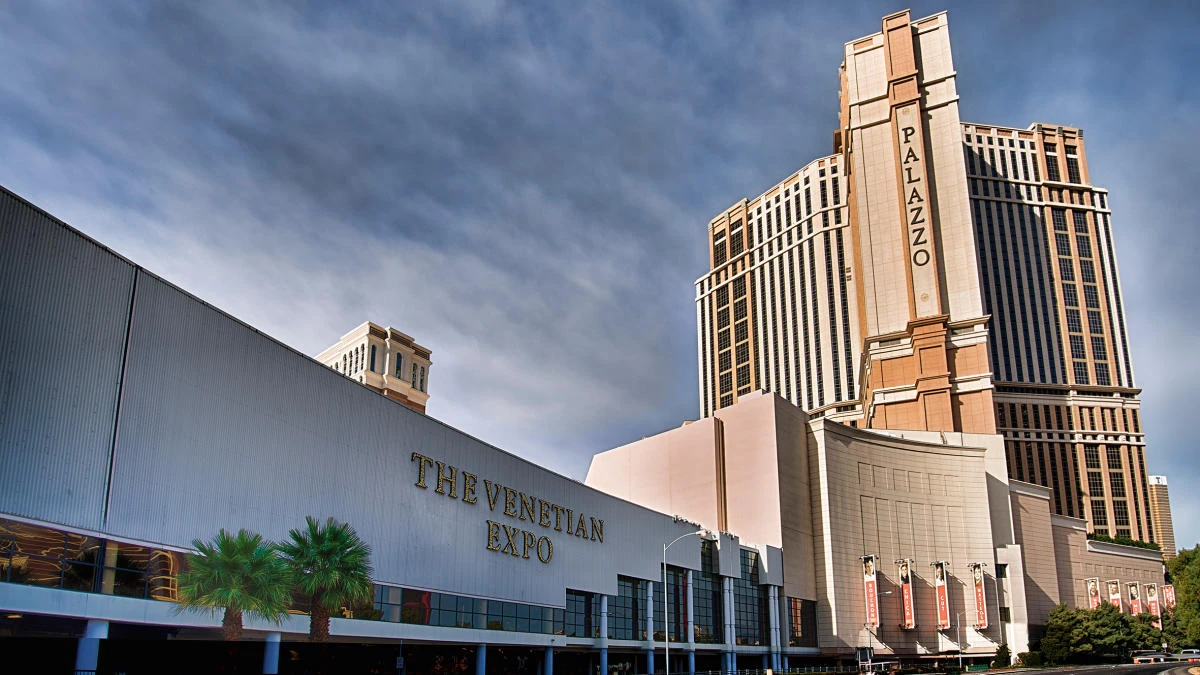
The Venetian Expo serves as a cornerstone for Strip events, providing expansive capabilities directly connected to resort towers and casino floors. Planning for this venue requires attention to its position in the central Strip and its capacity to host concurrent programming that draws both local and international audiences. Coordination strategies often center on maximizing the smooth transition between exhibit floors and adjacent resort functions.
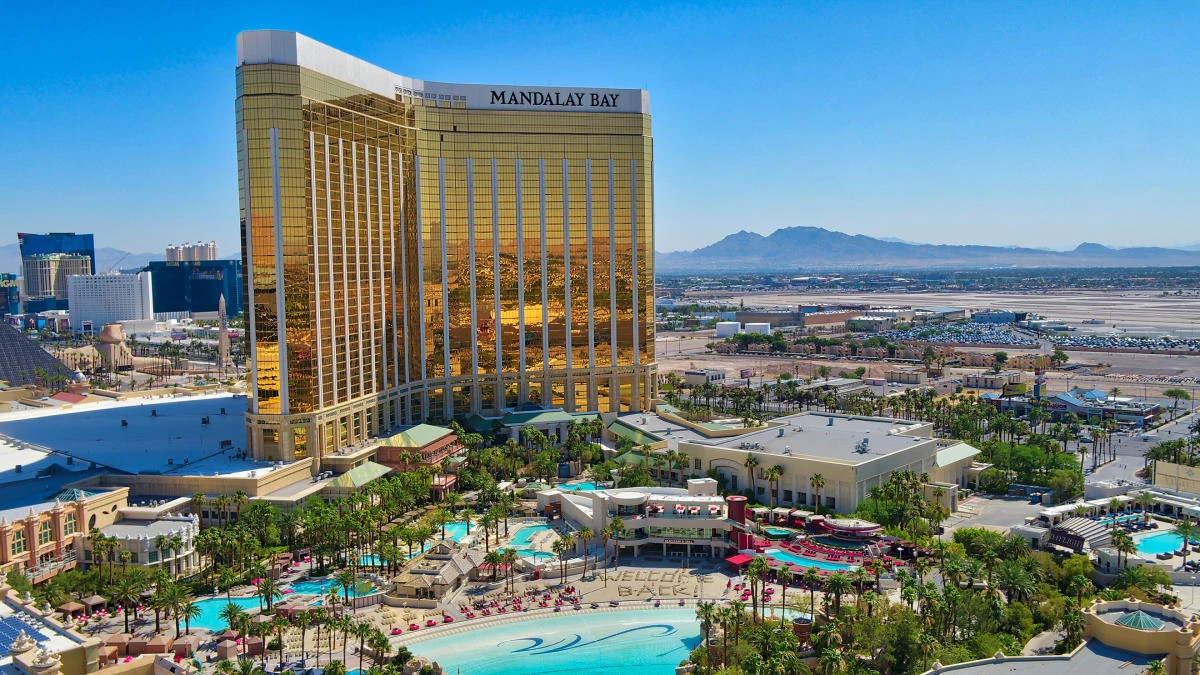
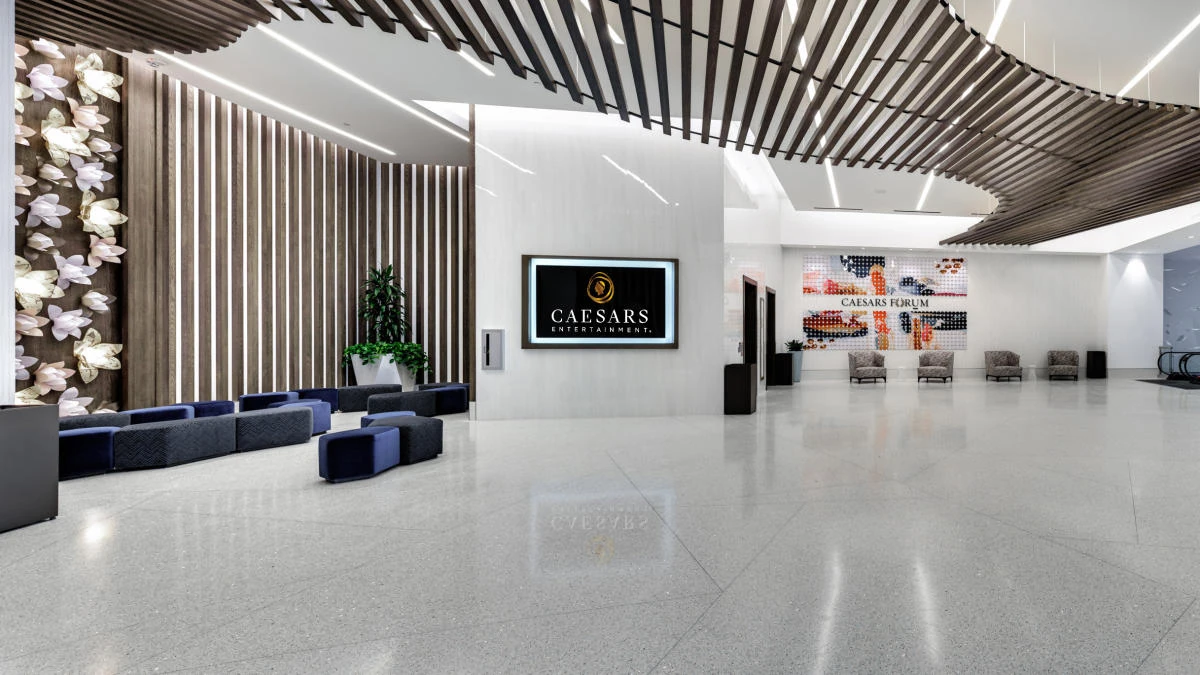
Mandalay Bay Convention Center anchors the south Strip with its resort-integrated design, supporting events that capitalize on the property's scale and proximity to other southern venues. Caesars Forum Conference Center introduces modern infrastructure in central the Strip, emphasizing advanced technology and flexible configurations suitable for Mid to Large scale corporate gatherings and trade exhibitions.
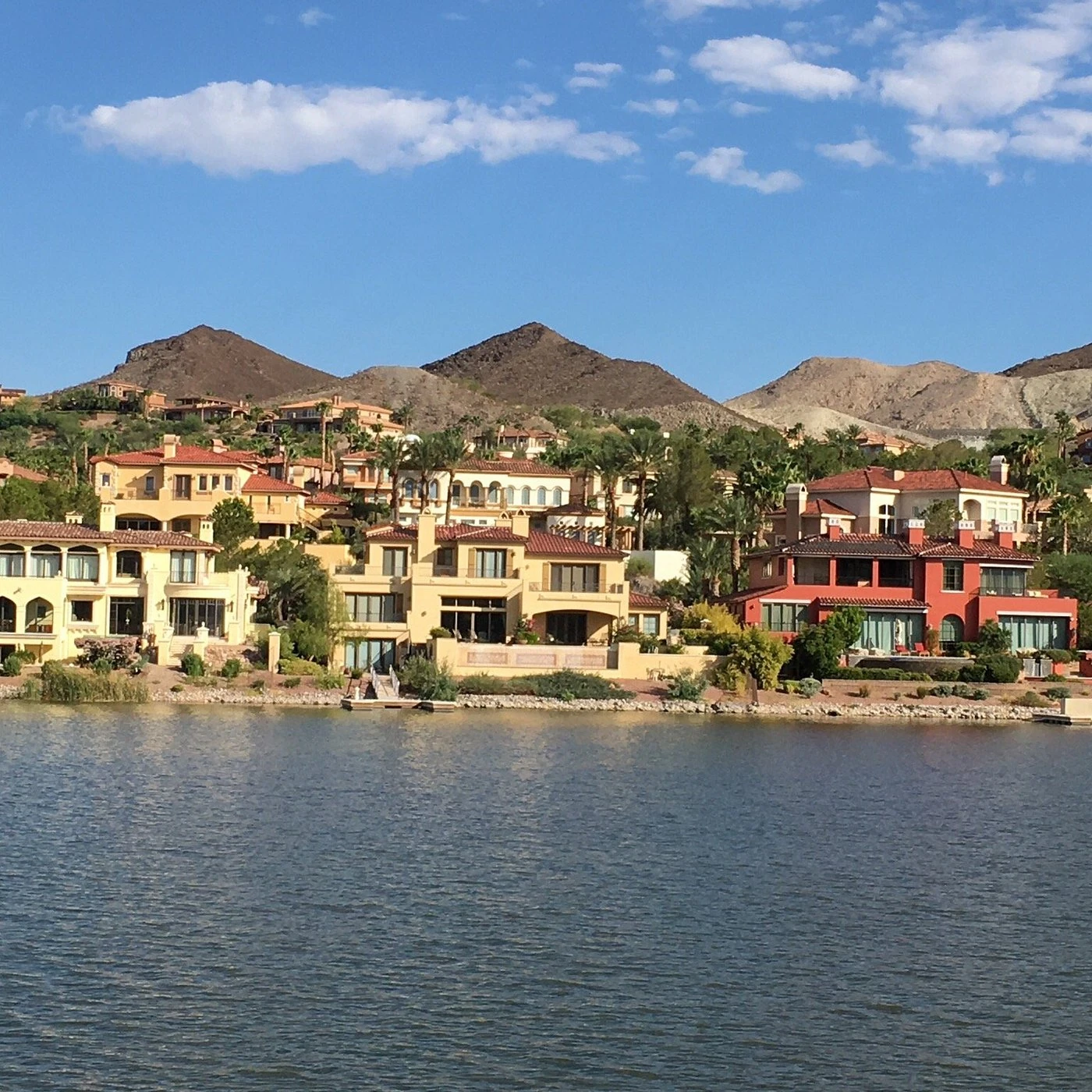
Additional properties including Fontainebleau Las Vegas on the north Strip, Westgate Las Vegas Resort & Casino, Virgin Hotels Las Vegas, and Alexis Park All Suite Resort expand the available options. Each contributes specific attributes to the planning matrix, from the north Strip's developing infrastructure to more specialized resort environments further from the central corridor. Green Valley Ranch Resort & Spa and Hilton Lake Las Vegas Resort & Spa provide complementary venues for events extending beyond the immediate Strip.
Effective coordination treats these venues as an interconnected network rather than isolated locations. Planning timelines must account for overlapping event calendars and the potential for cross-property attendee movement.
Operational Planning Considerations Specific to Strip Properties
Strip venues operate under distinct protocols formed by their resort ownership and integrated design. Planning must incorporate detailed understanding of load-in procedures, exhibit installation windows, and material handling requirements that align with each property's hospitality operations. These considerations differ notably from those at purpose-built convention centers.
Attendee flow presents another critical variable. The Strip's layout encourages movement between properties via pedestrian bridges, trams, and walkways, creating opportunities for multi-venue activation but requiring careful scheduling to avoid conflicts. Coordination resources focus on developing comprehensive maps and timing plans that respect both individual venue rules and the broader district dynamics.
Seasonal patterns and major event overlaps further complicate planning. The Strip experiences concentrated demand during key industry periods, necessitating early strategy development to secure appropriate space and support services. Resource allocation becomes especially important when exhibitions run parallel to large conferences hosted at multiple resorts.
Technology integration varies across properties, with newer facilities offering advanced AV and digital capabilities that can enhance exhibit presentations. Planning includes assessing these capabilities during initial strategy phases to ensure compatibility with brand objectives.
District-Level Differentiation Within the Las Vegas Strip
The Las Vegas Strip divides naturally into north, central, and south segments, each presenting different planning considerations. The north Strip, led by properties like Fontainebleau Las Vegas, offers emerging opportunities with newer facilities and potentially less congested environments during certain periods. Central Strip locations benefit from maximum visibility and foot traffic but require strategies that cut through higher ambient competition.
South Strip planning often centers on the scale available at Mandalay Bay and nearby resorts, suitable for larger exhibits and events that can utilize the area's more spacious layouts. Each segment connects differently to the broader Las Vegas transportation network and to satellite districts such as Paradise, Winchester, and Enterprise.
Understanding these nuances allows for more targeted exhibit placement and programming. A technology-focused exhibition might align better with the modern infrastructure at Caesars Forum in the central area, while lifestyle or consumer-oriented events could leverage the south Strip's resort atmosphere. Coordination involves matching client objectives to the most suitable micro-location within the larger Strip corridor.
This differentiation extends to audience demographics. Certain segments attract more international visitors while others draw regional corporate groups. Planning resources incorporate these patterns when developing pre-show promotion, exhibit design, and on-site activation strategies.
Coordinating Strip Events Within the Larger Las Vegas Ecosystem
The Las Vegas Strip does not function in isolation. Successful planning connects Strip-based exhibitions with the wider market that includes the Las Vegas Convention Center, Downtown Las Vegas, the Arts District, and communities such as Summerlin, Henderson, and Spring Valley. This broader perspective enables organizations to extend their reach across multiple event touchpoints during a single visit to the market.
Transportation infrastructure plays a significant role in this coordination. Planning addresses how attendees move between the Strip and other districts, incorporating timing for shuttles, rideshares, and monorail connections. Properties like Virgin Hotels Las Vegas and Westgate Las Vegas Resort & Casino often serve as bridges between the Strip and adjacent areas.
The convention calendar creates natural synergies. Events at the Venetian Expo or Caesars Forum frequently align with programming at the main convention center, allowing exhibitors to amplify their presence across multiple locations. Strategic planning identifies these overlaps early to develop unified approaches that maintain message consistency while adapting to each venue's specific requirements.
Satellite locations including Green Valley Ranch Resort & Spa and Hilton Lake Las Vegas Resort & Spa provide options for smaller breakout sessions or hospitality suites that complement primary Strip activities. This layered approach maximizes return on investment by creating a comprehensive market presence rather than a single-venue activation.
Exhibit Strategy Development for Strip Environments
Exhibit design for the Las Vegas Strip must balance sophistication with the ability to capture attention in a high-stimulation environment. Planning emphasizes experiential elements that align with the district's reputation for quality and spectacle while delivering clear business outcomes. Materials, lighting, and interactive components receive particular attention during the strategy phase.
Space planning requires detailed knowledge of each venue's column spacing, ceiling heights, and power access points. Because many Strip facilities were designed as extensions of resort operations, standard exhibit guidelines may not apply uniformly. Coordination includes early review of property-specific manuals and regulations to prevent last-minute adjustments.
Audience engagement strategies should reflect the Strip's demographic mix of corporate decision-makers, international buyers, and specialized industry professionals. Programming that incorporates educational components, networking opportunities, and hospitality elements tends to perform strongly in this market. Planning resources help develop these integrated approaches.
Measurement frameworks for Strip exhibitions focus on both quantitative metrics and qualitative outcomes unique to the environment. Beyond lead counts, planners track engagement duration, cross-property traffic, and post-event sentiment that reflects the enhanced experience possible in these integrated venues.
Best Practices for Long-Term Success on the Las Vegas Strip
Repeated presence on the Las Vegas Strip allows organizations to refine their approach based on accumulated venue knowledge. Planning evolves from initial exploration to sophisticated multi-year strategies that build on previous event data. This progression includes developing preferred vendor relationships, optimizing booth locations, and creating signature activations recognized by regular attendees.
Risk management forms an important component of Strip planning. Contingency strategies address potential overlaps with major citywide events, weather impacts on outdoor components, and last-minute schedule changes common in dynamic resort environments. Authoritative coordination identifies these variables early and builds flexibility into program design.
Sustainability considerations are increasingly integrated into Strip exhibition planning. Properties have implemented various green initiatives that can be leveraged for positive brand alignment. Coordination includes identifying these opportunities and incorporating them into overall strategy without disrupting event objectives.
The Strip's evolution continues with new properties and facility upgrades. Staying current with these changes allows planners to anticipate shifts in available space, technology offerings, and attendee preferences. Long-term coordination treats the district as a dynamic environment requiring ongoing strategy adjustment.
Frequently asked questions
What makes planning exhibitions on the Las Vegas Strip different from other districts?
The Strip's resort-integrated venues require strategies that account for hospitality operations, multi-property attendee movement, and competition from entertainment options. Planning emphasizes district segmentation from north to south and alignment with each property's distinct operational protocols.
Which major venues are primary considerations for Las Vegas Strip events?
Key facilities include the Venetian Expo, Mandalay Bay Convention Center, Caesars Forum Conference Center, and Fontainebleau Las Vegas. Additional properties such as Westgate Las Vegas Resort & Casino, Virgin Hotels Las Vegas, and Alexis Park provide complementary options within the corridor.
How should exhibitors approach timing for Strip-based trade shows?
Planning begins with thorough calendar analysis to identify overlaps between resort properties and the broader Las Vegas convention schedule. Early coordination helps secure optimal space and develop strategies that leverage concurrent events for maximum visibility.
Can Strip exhibitions be effectively combined with events at the Las Vegas Convention Center?
Yes. The proximity of the Strip to the Convention Center District allows for integrated planning across both areas. Coordination focuses on transportation, messaging consistency, and scheduling that enables attendees to participate in programming at multiple locations.
What exhibit design considerations are unique to the Las Vegas Strip environment?
Designs must capture attention within high-stimulation settings while maintaining professional focus. Planning incorporates venue-specific dimensions, technology capabilities, and opportunities to integrate hospitality elements that enhance attendee engagement and dwell time.
How does the planning resource approach the broader Las Vegas market from a Strip perspective?
The Strip serves as a central hub within a larger ecosystem that includes Summerlin, Henderson, Enterprise, and other satellite areas. Coordination strategies identify connections between districts to create comprehensive market programs rather than isolated activations.
Top venues
See all venues