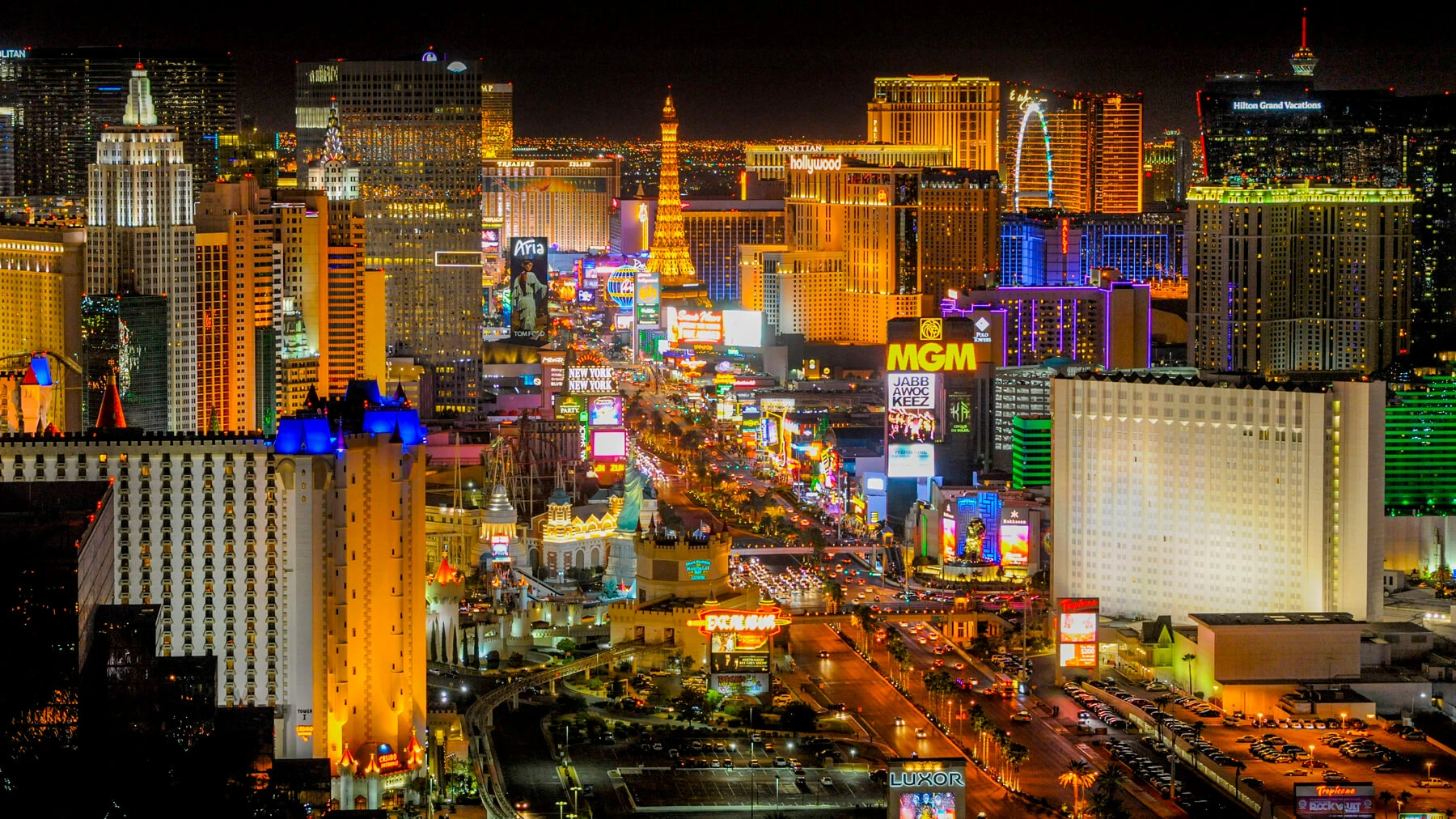
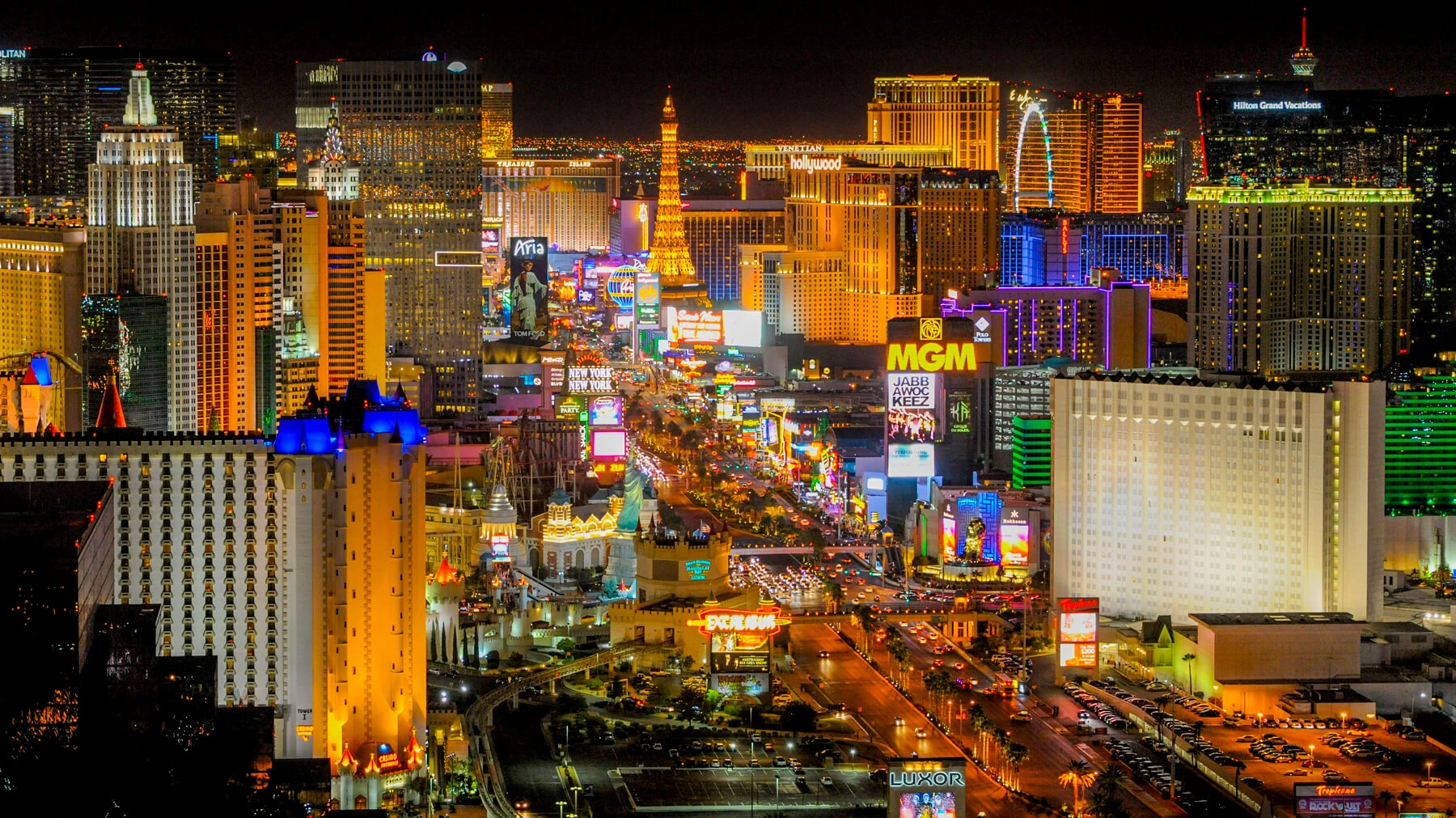
Las Vegas Venues
Las Vegas Convention Center: Strategic Exhibit Planning and Coordination Guide
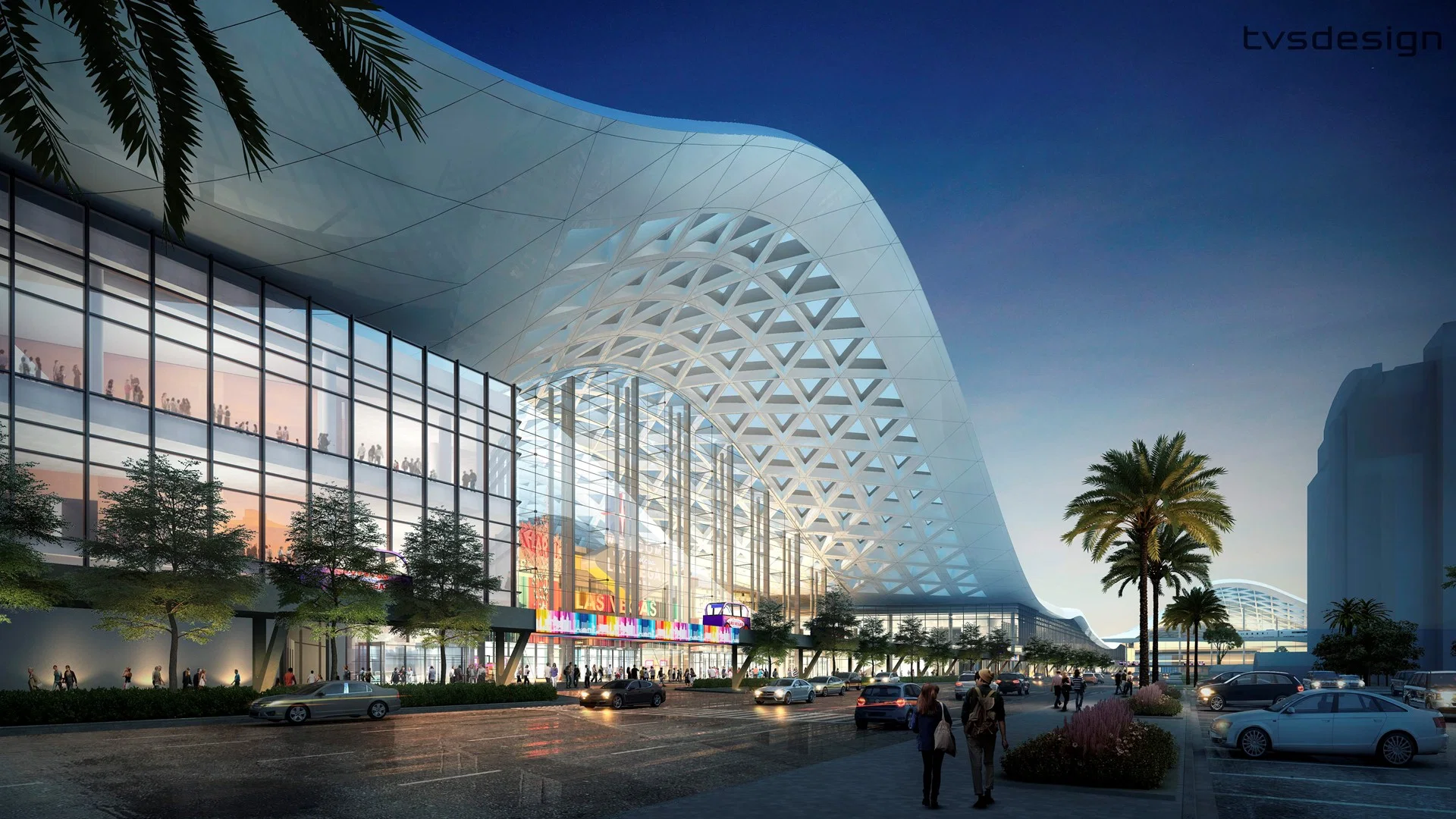
Position your event for impact at the Las Vegas Convention Center by focusing on precise planning, district alignment, and operational coordination that leverages its distinct role in the city's convention ecosystem.
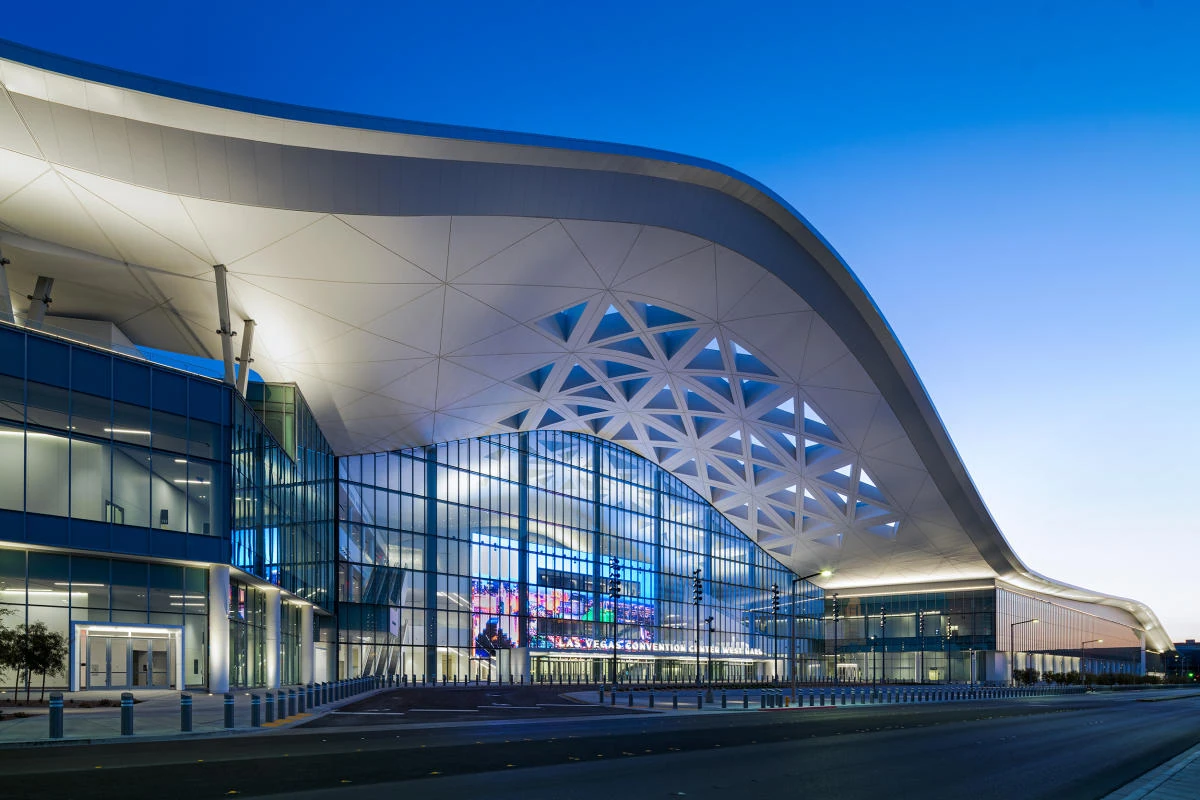
Positioning Within the Convention Center District
The Las Vegas Convention Center anchors the dedicated Convention Center District, creating a clear separation from the entertainment-focused venues in Strip Central and the more compact resort campuses in Strip South and Strip North. This district-level focus allows planners to prioritize pure exhibition outcomes rather than navigating overlapping casino or hospitality traffic patterns common at properties such as Virgin Hotels Las Vegas or Green Valley Ranch Resort and Spa.
When coordinating an event here, emphasis falls on how the center's layout supports expansive floor plans while maintaining direct access points that complement the overall Las Vegas event infrastructure. Planners benefit from viewing the venue not in isolation but as the hub that draws significant portions of the market's convention volume, requiring early alignment with citywide calendars to maximize attendance synergy.
This approach helps avoid the constraints sometimes present at smaller or mixed-use locations like Alexis Park All Suite Resort or Hilton Lake Las Vegas Resort and Spa, where event scale may be limited by integrated resort operations. Strategic positioning ensures that every decision regarding space allocation and flow contributes to broader market visibility.
Understanding Demand Drivers and Market Context
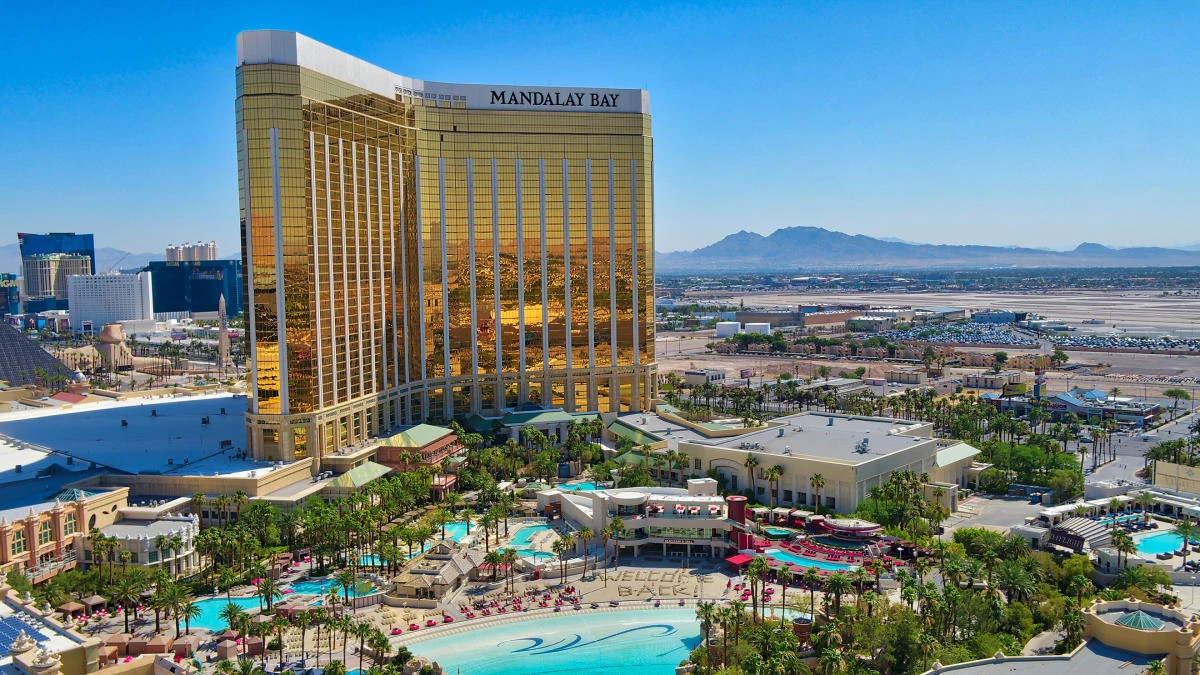
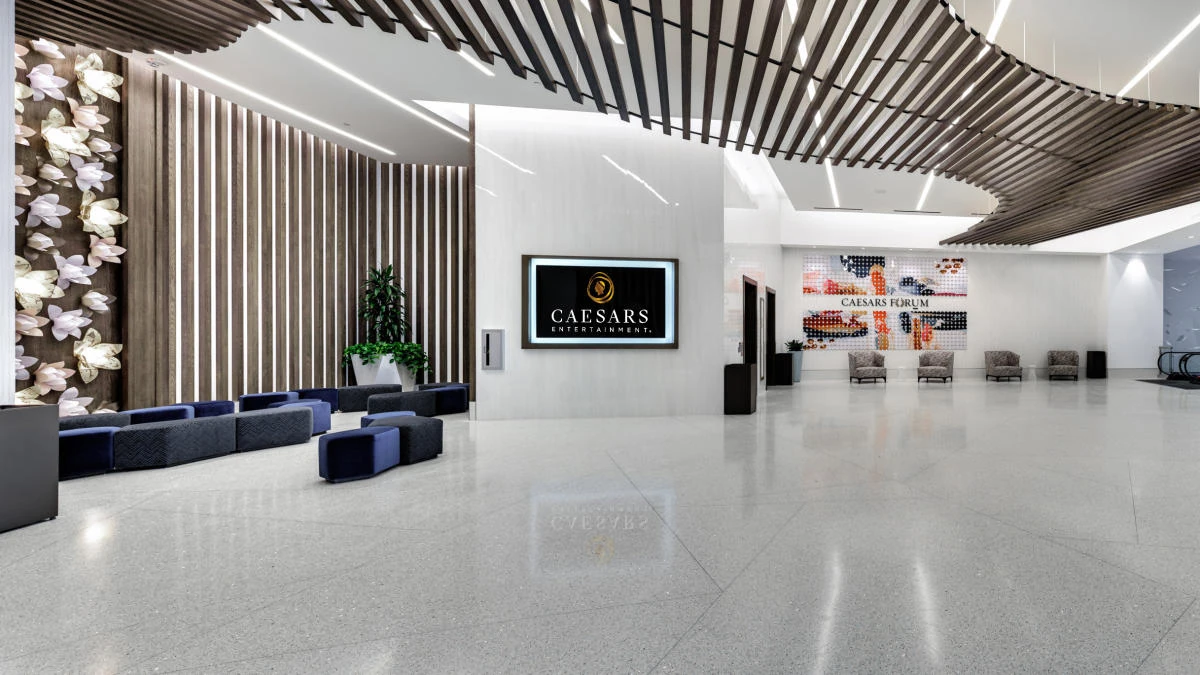
Las Vegas sustains its convention momentum through consistent demand drivers that fuel activity at the Las Vegas Convention Center throughout the year. These include major industry trade shows, professional conferences, and specialized exhibitions that benefit from the venue's capacity to host concurrent programming without the spatial limitations found at neighboring sites like Caesars Forum or Mandalay Bay Convention Center.
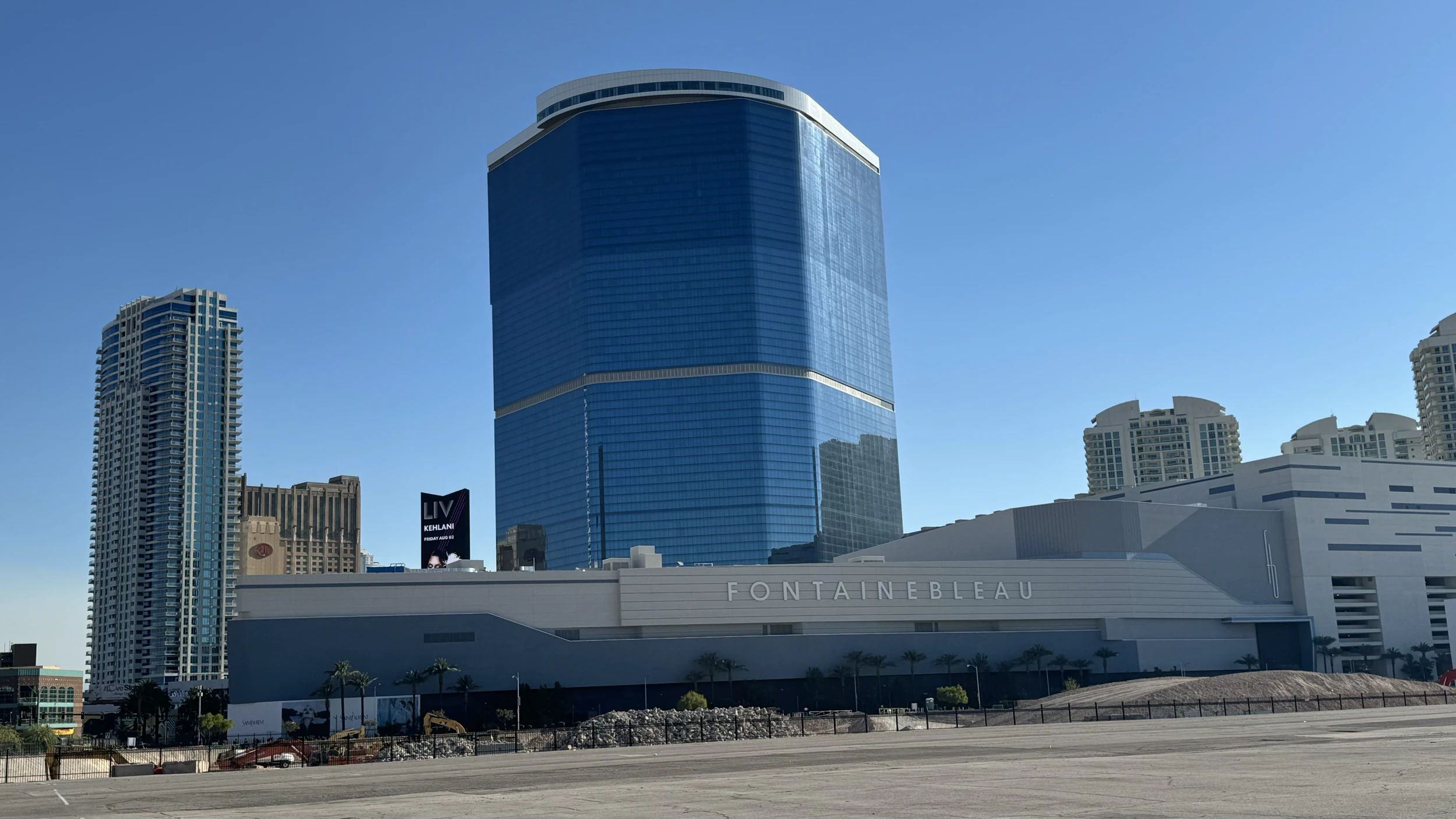
Coordination efforts should account for how these drivers influence booking patterns, attendee demographics, and competitive positioning. By examining the interplay between the center and other key properties such as the Westin Lake Las Vegas Resort and Spa or Fontainebleau Las Vegas, planners can identify windows where their event gains maximum exposure within the established market rhythm.
This market awareness informs decisions on exhibit scale, programming timing, and resource allocation, ensuring the event contributes to rather than competes against the city's established convention strengths. The result is a more informed strategy that respects the venue's position as a primary driver in the regional ecosystem.
Successful outcomes often stem from early analysis of these patterns, allowing for adjustments that align promotional efforts with periods of peak activity across the district.
Operational Coordination and Logistics Planning
Coordinating operations at the Las Vegas Convention Center requires attention to the distinct protocols that govern material movement, setup sequencing, and attendee circulation within its expansive layout. Planners must map every phase against the venue's established rhythms to prevent bottlenecks that could arise from the simultaneous handling of multiple large events.
Emphasis on pre-event mapping of entry points, staging areas, and exit strategies helps maintain efficiency even during peak periods. This level of detail becomes particularly important when contrasting the center's dedicated infrastructure with the more constrained access common at resort-based venues in Strip North or suburban locations like Hilton Lake Las Vegas Resort and Spa.
Effective logistics planning also considers the broader transportation network surrounding the Convention Center District, ensuring that inbound and outbound activities integrate smoothly with citywide flow. Such preparation reduces variables and supports consistent execution across the full event lifecycle.
By treating these elements as interconnected parts of a larger system, coordinators position their exhibits for smooth performance that aligns with the venue's operational scale.
Differentiating from Nearby Venue Options
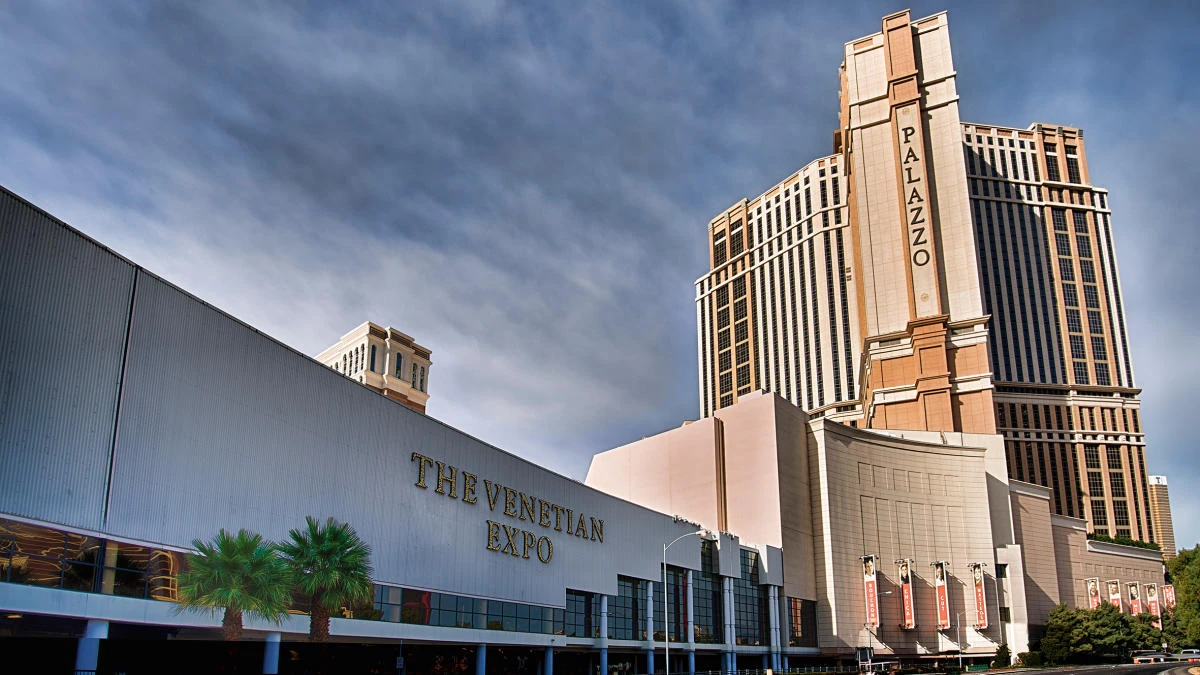
The Las Vegas Convention Center offers a distinctly different environment compared to integrated properties such as the Venetian Expo, Westgate Las Vegas Resort and Casino, or Alexis Park All Suite Resort. Its standalone district location supports larger contiguous exhibit spaces and simplifies certain operational aspects that can become complex when events share facilities with hospitality functions.
Planners often evaluate these differences when deciding on the best fit for their program scale and audience profile. The center's focus on pure convention activity allows for programming depth that may not be feasible at more diversified campuses like Virgin Hotels Las Vegas or Green Valley Ranch Resort and Spa, where entertainment elements can influence attendee behavior and scheduling.
Understanding these nuances enables more precise coordination decisions, from booth placement strategies to programming cadence. This comparative lens helps ensure that the chosen venue amplifies the event's core objectives rather than diluting them through competing attractions.
Such differentiation also extends to post-event metrics, where the center's environment often yields clearer data on engagement due to its singular focus on business outcomes.
Scheduling Strategies and Timeline Management
Successful events at the Las Vegas Convention Center depend on meticulous timeline management that accounts for the venue's position within the annual convention calendar and its interaction with surrounding district properties. Early locking of key milestones helps prevent compression that could affect quality during installation or attendee experience during show days.
Coordination involves mapping internal deadlines against known market patterns, including peak periods driven by recurring major events. This forward planning distinguishes the center's requirements from those of more flexible but smaller venues like the Westin Lake Las Vegas Resort and Spa or Fontainebleau Las Vegas, where shorter lead times may apply.
Attention to buffer periods between setup, active show days, and dismantle ensures compliance with operational windows while allowing for unexpected adjustments. Planners who build these considerations into their master schedule typically report higher execution confidence and fewer on-site adjustments.
The outcome is an event that flows predictably within the larger Las Vegas ecosystem, maximizing both operational efficiency and strategic impact.
Technology Integration and Exhibit Optimization
Modern exhibits at the Las Vegas Convention Center increasingly incorporate technology solutions that enhance engagement while respecting the venue's infrastructure parameters. Coordination includes ensuring that power, connectivity, and data requirements align with the center's established capabilities to avoid disruptions during critical presentation moments.
When viewed alongside similar installations at nearby venues like the Venetian Expo or Mandalay Bay Convention Center, the center's scale often supports more ambitious implementations that can accommodate larger audiences and more complex interactive elements. This capacity becomes a deciding factor for exhibitors seeking high-visibility placements within the district.
Planning extends to post-event data collection methods that measure technology performance against attendance patterns specific to the Convention Center District. Such insights inform future iterations and help refine the overall exhibit strategy for subsequent Las Vegas events.
By integrating these considerations early, coordinators create environments where technology serves the event objectives rather than introducing unforeseen operational variables.
Post-Event Evaluation and Future Planning
Comprehensive coordination for the Las Vegas Convention Center extends through post-event analysis that captures metrics unique to its district positioning and operational scale. This evaluation phase identifies what elements contributed to success and where adjustments could improve alignment with the broader Las Vegas market demands.
Comparing outcomes against events held at complementary venues such as Westgate Las Vegas Resort and Casino or Hilton Lake Las Vegas Resort and Spa provides context for understanding the center's specific advantages. These insights guide more refined planning for subsequent activations, whether returning to the same property or selecting from the range of available options across all clusters.
The process reinforces the importance of treating each event as part of an evolving strategy rather than a standalone occurrence. Long-term success in this market depends on building institutional knowledge about how the Convention Center District performs under varying conditions and audience profiles.
This forward-looking approach ensures that future events benefit from accumulated expertise, creating a cycle of continuous improvement in exhibit coordination.
Frequently asked questions
How does the Las Vegas Convention Center differ from Strip resort venues?
Its dedicated location in the Convention Center District provides a focused environment for exhibitions with reduced overlap from hospitality operations, unlike integrated properties in Strip Central or Strip South clusters.
What should be prioritized when coordinating an event at this venue?
Early alignment with district demand drivers, precise timeline mapping, and clear differentiation from nearby venues such as the Venetian Expo or Westgate Las Vegas Resort and Casino.
Is the Las Vegas Convention Center suitable for events of all sizes?
The center excels with larger scale programming that benefits from its infrastructure, while smaller or hybrid events may find better alignment at complementary properties like Alexis Park or Fontainebleau Las Vegas.
How does district positioning affect logistics planning?
The Convention Center District location supports more direct material handling routes and attendee flows compared to venues embedded within resort campuses, simplifying certain coordination aspects.
What role do demand drivers play in scheduling?
Understanding primary demand drivers helps identify optimal windows that avoid conflicts with other major Las Vegas venues and maximizes attendance potential within the annual event calendar.
How can post-event analysis improve future coordination?
Metrics gathered at the Las Vegas Convention Center inform refinements in strategy, helping planners better leverage the venue's distinct advantages over time.
Top venues
See all venues