Las Vegas Markets
Strip South Las Vegas Trade Show Planning and Exhibit Coordination
Strategic guidance for navigating the distinct convention environment of Strip South Las Vegas, where resort-integrated venues create unique opportunities for targeted exhibitions and industry events.
Defining Characteristics of the Strip South District
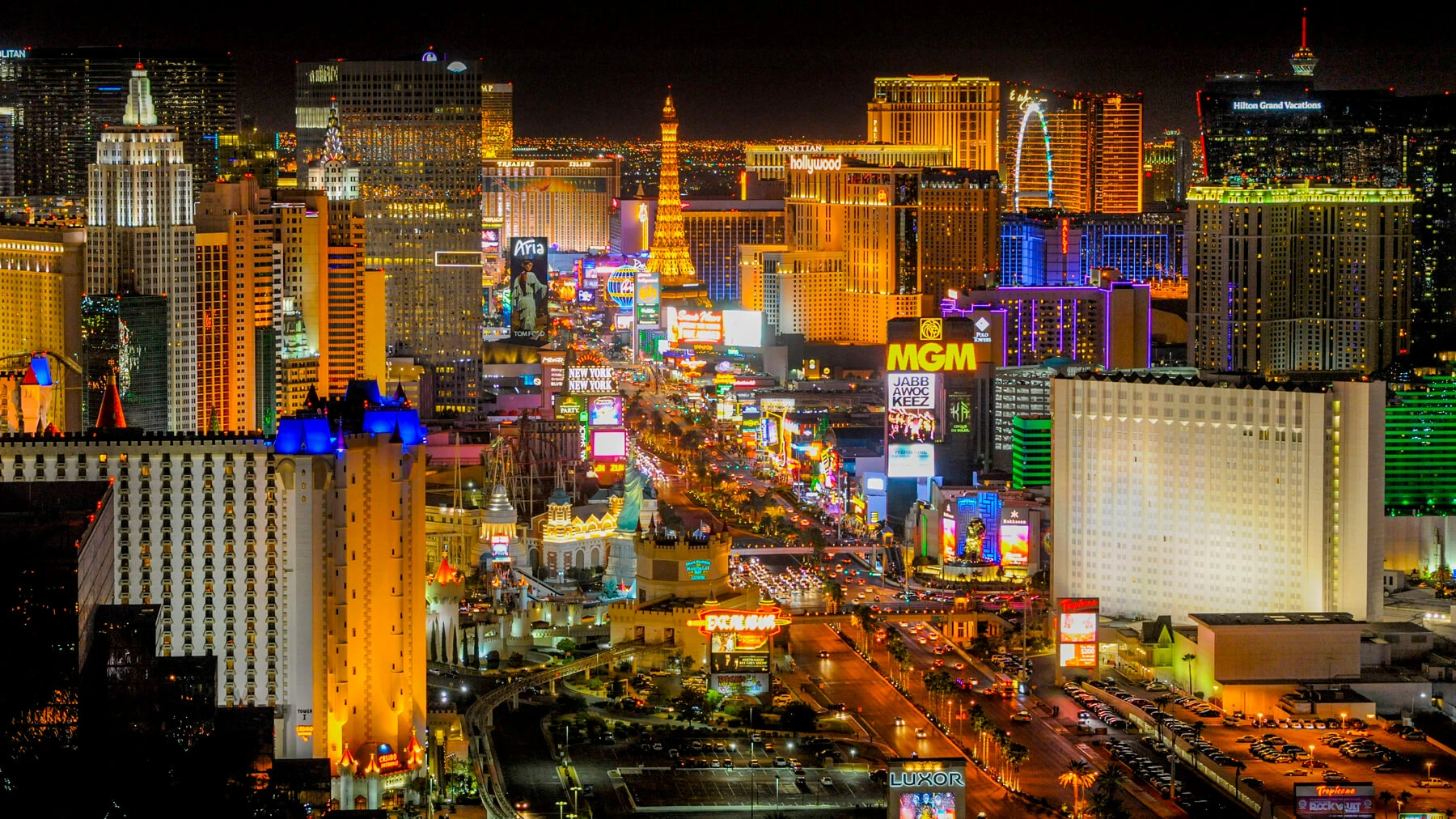
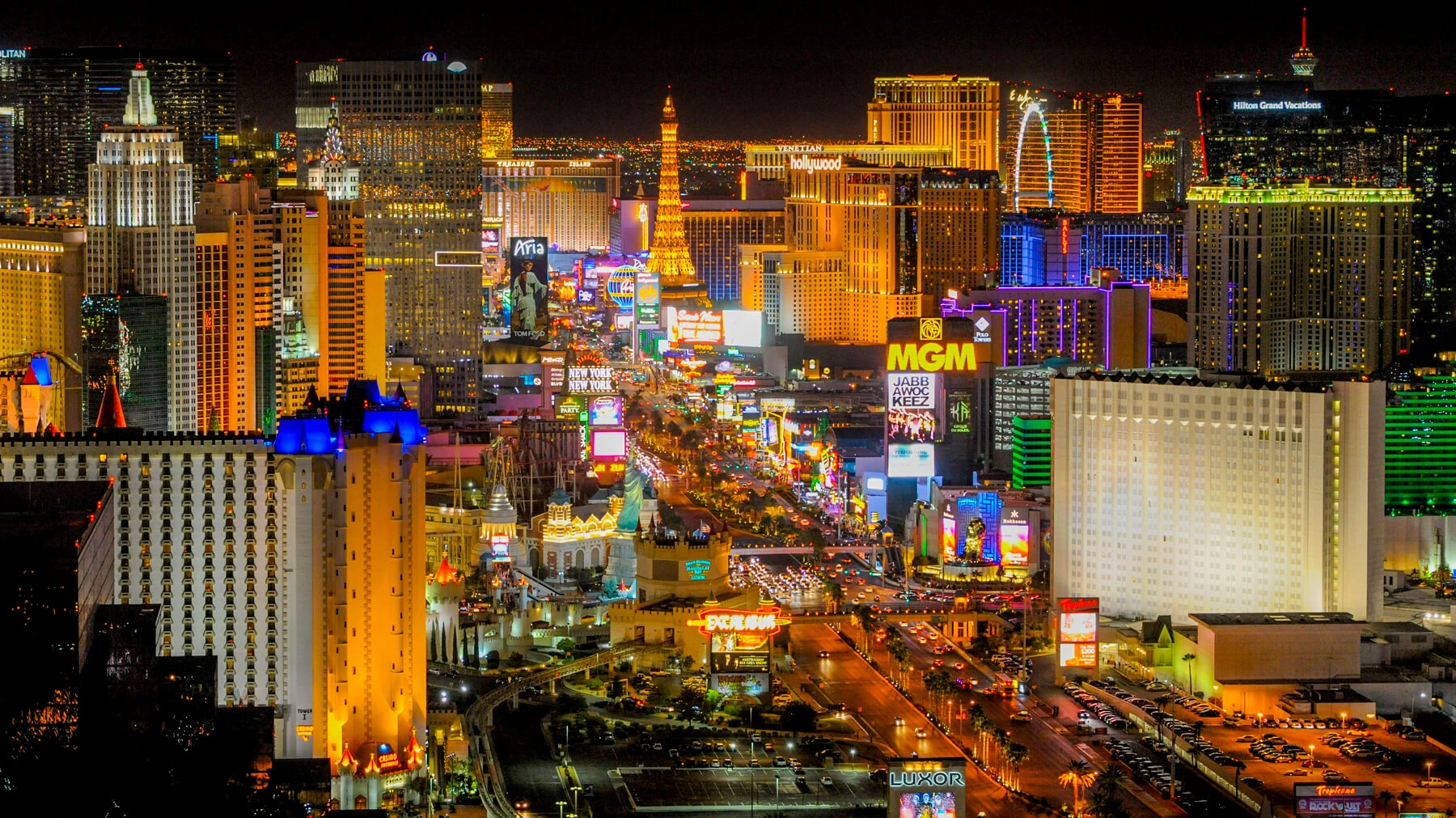
Strip South Las Vegas encompasses the southern reaches of Las Vegas Boulevard, where large-scale resort casinos create an environment that supports both high-volume tourism and professional conventions. This area stands apart through its particular mix of themed properties and the presence of convention infrastructure that accommodates trade shows ranging from mid-sized industry gatherings to larger expositions. The district's operational profile includes direct connections to major transportation arteries and a layout that encourages extended stays within the immediate vicinity, influencing everything from exhibit design to supplementary programming schedules.
When coordinating events here, planners benefit from recognizing how the southern district interacts with adjacent neighborhoods such as Enterprise and Paradise. These areas supply additional hotel inventory and support services that expand capacity during peak convention periods without requiring long-distance attendee movement. Sources tracking Las Vegas demand drivers highlight how properties in this zone contribute to the market's overall ability to host diverse events, creating a self-reinforcing ecosystem where exhibition success often depends on smooth integration with the surrounding hospitality infrastructure.
Nuanced planning accounts for seasonal patterns, concurrent events at other major venues, and the specific demographics drawn to south Strip properties. Unlike the more centralized convention focus found near the Las Vegas Convention Center, Strip South events frequently leverage the immersive resort atmosphere to create memorable experiences that blend business with the unique Las Vegas environment. This differentiation requires tailored coordination strategies that respect both the physical layout and the market positioning of the district.
Primary Venues and Their Operational Implications
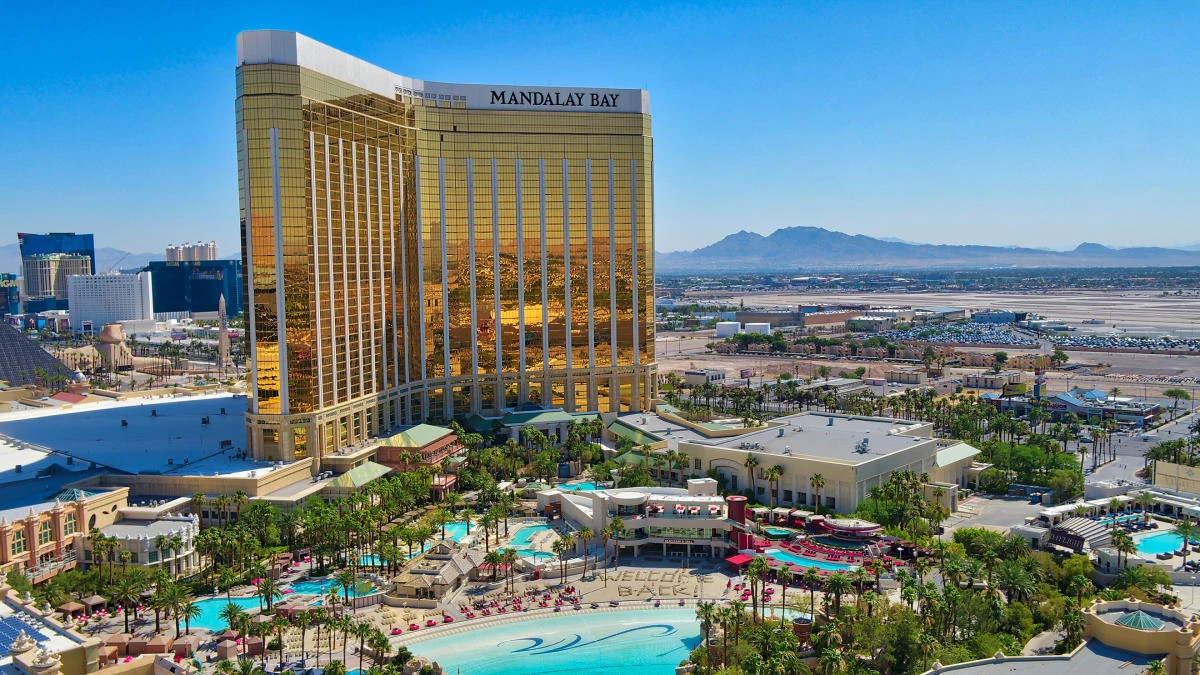
The Mandalay Bay Convention Center functions as a cornerstone venue for Strip South Las Vegas, offering substantial floor space and modern amenities that support a variety of trade show formats. Its direct attachment to the Mandalay Bay resort allows for convenient transitions between exhibition halls and guest rooms, dining venues, and entertainment options, creating a contained environment that minimizes logistical friction for attendees. Planning resources emphasize early review of this venue's technical specifications, including ceiling heights, loading access, and utility provisions, to ensure compatibility with proposed exhibit elements.
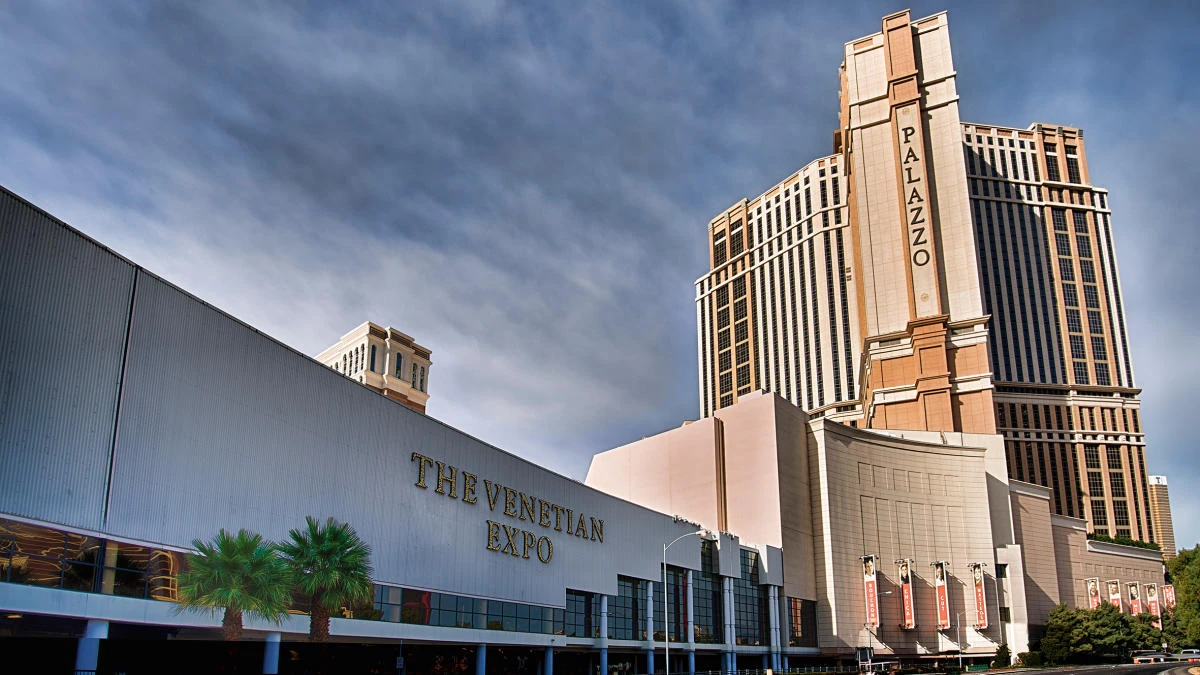
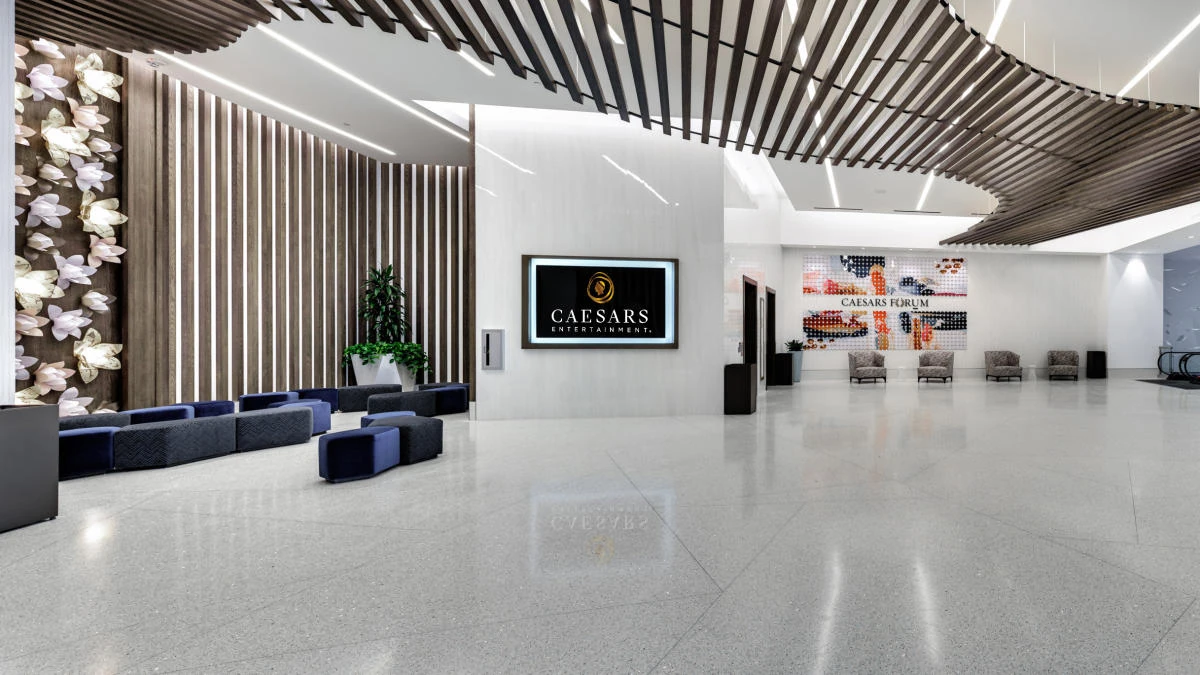
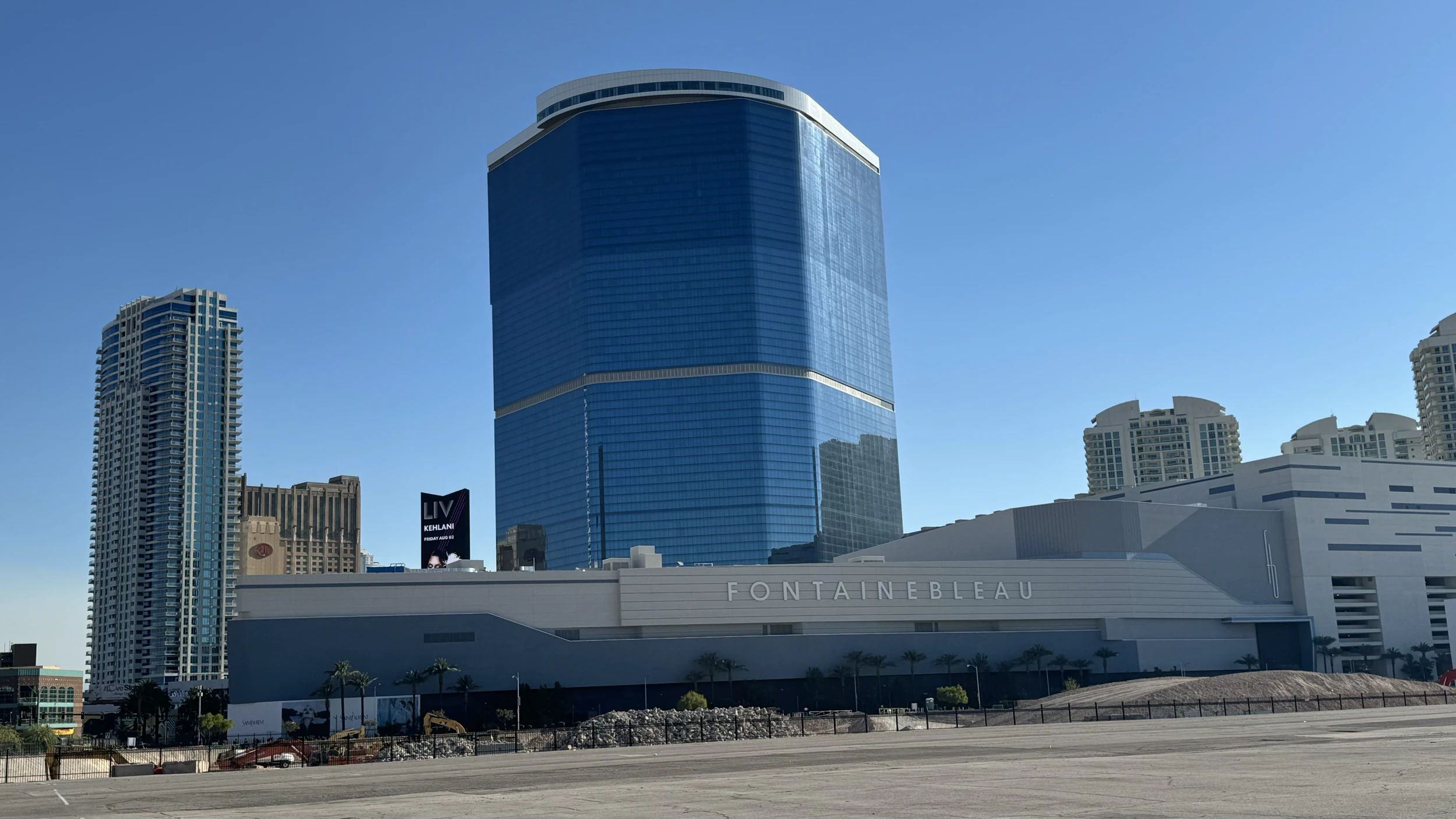
Additional properties in the immediate vicinity, including those referenced in Las Vegas convention listings, provide overflow capacity and specialized spaces for networking sessions, product demonstrations, or educational programming. The Venetian Expo and Caesars Forum, while located in central districts, often appear on the same calendars as south Strip events, requiring coordinators to map potential synergies or scheduling conflicts. Fontainebleau Las Vegas and Westgate Las Vegas Resort further illustrate the distributed nature of the market, where successful planning involves understanding how each location contributes to the larger ecosystem.
Operational details such as move-in procedures, security protocols, and attendee registration flows vary across these venues, demanding precise coordination to maintain schedule integrity. For Strip South specifically, the integration of resort operations means planners must account for shared infrastructure like pedestrian pathways and internal transportation systems that influence how crowds move between activities. This level of detail separates effective district-specific planning from generalized approaches applied across the entire Las Vegas market.
By focusing on these venue-specific attributes, organizers can develop programs that capitalize on the strengths of Strip South while mitigating challenges inherent to resort-integrated convention spaces. The result is more targeted event design that aligns with both audience expectations and the physical realities of the southern district.
Logistical Planning Nuances for the Southern District
Logistics in Strip South Las Vegas revolve around the efficient movement of people, materials, and information within a compact yet complex resort environment. Proximity to the airport translates into compressed arrival windows that can benefit well-prepared events but require careful scheduling to avoid bottlenecks during peak arrival times. Coordination resources stress the importance of mapping these patterns against venue load-in schedules and exhibit installation timelines to create realistic project plans.
Material handling follows specific pathways determined by property layouts, with considerations for shared dock access and internal routing that differ from dedicated convention centers elsewhere in the city. Successful planners incorporate buffer periods that accommodate variables such as high visitor traffic on Las Vegas Boulevard or overlapping events at nearby properties like Virgin Hotels Las Vegas. These details become especially relevant when exhibitions span multiple days and require ongoing adjustments to booth presentations or demonstration schedules.
Attendee experience planning extends beyond the exhibit floor to encompass the full journey through the district. Properties such as Alexis Park All Suite Resort and those in the Henderson corridor, including Green Valley Ranch Resort & Spa and Hilton Lake Las Vegas Resort, offer options for auxiliary activities that can enhance the core program without requiring significant travel. Understanding these connections allows for comprehensive coordination that maximizes the district's hospitality strengths while maintaining focus on exhibition objectives.
Effective logistical frameworks also consider sustainability factors and technology integration opportunities that align with modern event standards. By addressing these elements at the planning stage, organizers position their Strip South events for smoother execution and stronger outcomes within the competitive Las Vegas marketplace.
District Differentiation Across Las Vegas Convention Areas
Strip South Las Vegas presents a distinctly resort-oriented convention profile when compared to the dedicated facilities of the Convention Center District or the varied offerings in Summerlin and Henderson. The southern district's emphasis on integrated hospitality creates event atmospheres that blend business objectives with leisure amenities in ways that resonate with particular industry segments. This differentiation influences booth design preferences, session formats, and overall event pacing in measurable ways.
Central Strip and north Strip locations, including those hosting events at the Venetian Expo or Fontainebleau Las Vegas, draw from different audience pools and operate under separate logistical parameters. Planners referencing comprehensive Las Vegas market data recognize that events in Strip South often feature stronger representation from sectors that value the specific resort environments found at the south end. In contrast, the Las Vegas Convention Center supports massive scale that may better suit broad-based trade fairs with international attendance.
Areas like Arts District Las Vegas, Downtown Las Vegas, and Summerlin Meeting District each contribute unique flavors to the regional calendar. Strip South's position allows it to serve as both a primary venue and a strategic complement to these other locations. Coordination that acknowledges these relationships helps avoid market saturation while identifying cross-promotion possibilities that amplify reach across the entire Las Vegas ecosystem.
Such comparative analysis forms a critical component of high-level event strategy. By understanding how Strip South differs in scale, ambiance, accessibility, and audience composition from neighboring districts, organizers can make informed selections that align venue choice with program goals and target outcomes.
Integration with the Broader Las Vegas Events Calendar
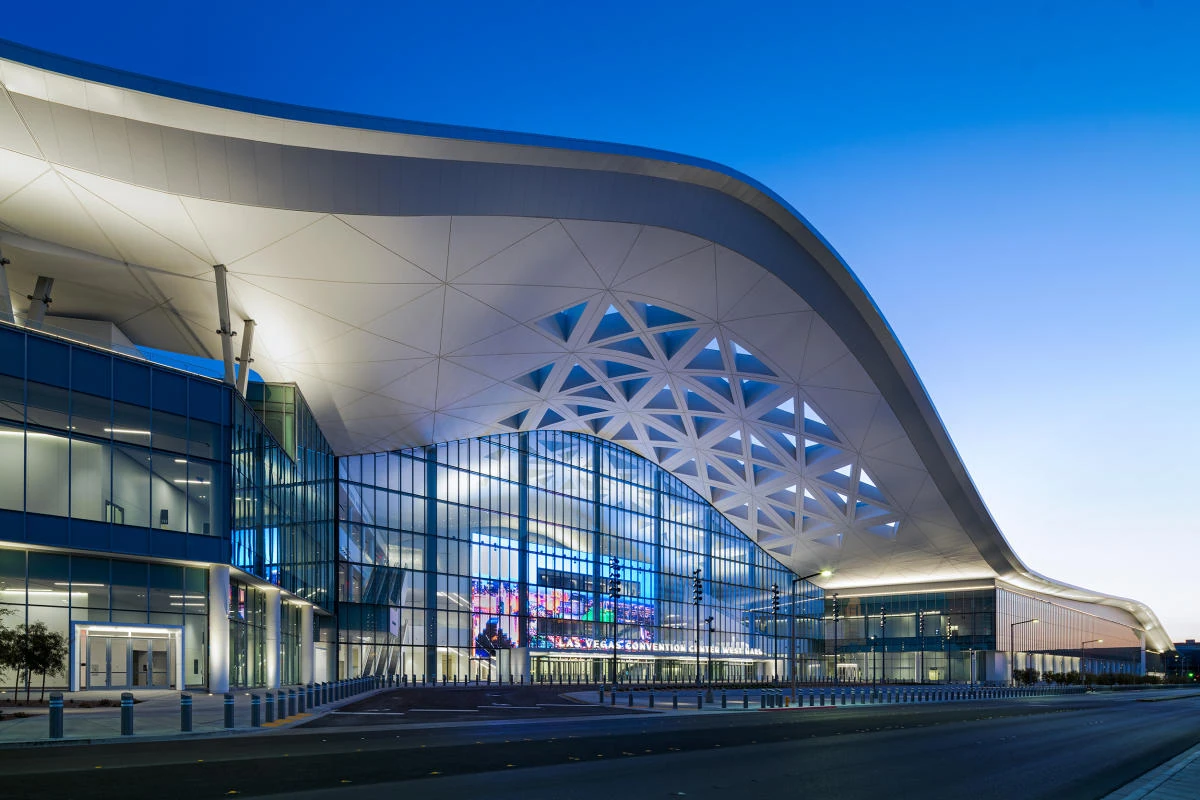
No district in Las Vegas operates independently, and Strip South events frequently intersect with the wider convention schedule that includes major venues tracked by regional business resources. The Las Vegas Convention Center, Venetian Expo, Caesars Forum Conference Center, and properties like Westgate Las Vegas all contribute to annual booking patterns that influence availability and attendance in the southern district. Effective planning involves monitoring these overlapping calendars to identify optimal dates and potential collaborative opportunities.
Properties such as Virgin Hotels Las Vegas and Alexis Park provide flexible spaces that can accommodate ancillary functions supporting a primary exhibition at Mandalay Bay. Similarly, the Henderson corridor venues including Green Valley Ranch Resort & Spa and Hilton Lake Las Vegas Resort expand options for multi-day conferences that begin or conclude in Strip South. This interconnected market requires coordinators to maintain current intelligence regarding citywide trends, peak periods, and emerging industry preferences.
Strategic timing decisions consider not only direct competitors but also complementary events that might drive additional traffic to the southern end of the Strip. For instance, alignment with larger conventions occurring elsewhere can create spillover benefits when proper transportation and programming links are established. Planning resources that address these dynamics help organizations navigate the complexities of the Las Vegas market while focusing on the distinctive advantages of the Strip South district.
Long-term success depends on building programs that remain adaptable as the convention landscape evolves. Regular assessment of how Strip South fits within the larger picture ensures that coordination efforts reflect current market realities rather than outdated assumptions about venue utilization and attendee behavior.
Developing Targeted Exhibit Strategies for Strip South
Exhibit strategies for Strip South Las Vegas begin with detailed audience analysis specific to events hosted in the southern district. The particular mix of professionals drawn to Mandalay Bay and surrounding properties often responds to displays that incorporate elements of the resort environment while maintaining clear focus on product or service benefits. This balance requires thoughtful design that respects both brand objectives and the contextual expectations of attendees who move between business sessions and leisure activities.
Spatial considerations unique to the district include varying booth dimensions, sightline opportunities, and proximity to high-traffic corridors within the convention facilities. Coordination that incorporates these factors early in the process helps prevent costly adjustments during installation. Additionally, the integration of digital elements and interactive features should align with the technology infrastructure documented for key south Strip venues.
Timeline management takes on particular importance given the density of events throughout Las Vegas. Planners benefit from building in adequate preparation windows that account for potential delays caused by sequential shows or seasonal demand fluctuations. Post-event evaluation frameworks tailored to district-specific metrics enable continuous refinement of approaches for future programs in Strip South or complementary locations across the market.
Ultimately, the most successful exhibits in this area demonstrate understanding of both the micro-environment of the southern Strip and its relationship to the larger Las Vegas convention ecosystem. This comprehensive perspective supports coordination that delivers measurable results while contributing to the ongoing development of the region's meetings industry.
Future Considerations for Convention Activity in the District
The convention market in Strip South Las Vegas continues to adapt to industry shifts, including changing preferences for hybrid formats, sustainability requirements, and enhanced attendee experiences. Infrastructure updates at key properties and evolving transportation options around the airport and Strip corridor will likely influence future planning parameters. Resources that track these developments provide valuable intelligence for organizations seeking to maintain competitive positioning within the district.
As Las Vegas solidifies its status as a global hub for trade shows and professional gatherings, the distinct role of Strip South becomes increasingly defined by its ability to deliver specialized environments that complement rather than duplicate the offerings of the Convention Center District or Summerlin. This specialization creates opportunities for niche events that leverage the unique characteristics of southern resort properties while connecting to the broader calendar of activities across the city.
Forward-looking coordination incorporates scenario planning for various market conditions, from post-pandemic recovery patterns to emerging technologies that may reshape exhibit formats. By maintaining awareness of developments at venues ranging from the Venetian Expo to Henderson properties, planners can position their events to capitalize on growth trajectories specific to Strip South Las Vegas.
Frequently asked questions
What makes Strip South Las Vegas distinct from other districts for trade shows?
The district is characterized by its resort-integrated convention facilities, proximity to the airport, and specific audience profiles that differ from those at the Las Vegas Convention Center or central Strip venues. Planning must account for these factors to optimize event flow and engagement within the southern portion of Las Vegas Boulevard.
How does the Mandalay Bay Convention Center influence planning in this area?
As a primary venue driving activity in Strip South, it requires specific attention to its technical specifications, attendee capacity, and integration with adjacent resort amenities. Coordination with the wider Las Vegas calendar, including Venetian Expo and Caesars Forum events, helps determine optimal scheduling and programming.
Why is airport proximity an important planning factor for Strip South events?
The short distance from Harry Reid International Airport enables more efficient attendee logistics, reduced transportation requirements, and tighter scheduling options. This advantage supports both domestic and international events by minimizing travel fatigue and allowing more time for substantive programming.
Should exhibit designs be modified for events in Strip South versus other Las Vegas locations?
Adaptations often prove beneficial when accounting for the specific spatial requirements, foot traffic patterns, and resort-themed environment of the southern district. Audience expectations in this area may differ from those in Summerlin, Downtown, or the Convention Center District, suggesting tailored approaches for maximum impact.
How can events in Strip South coordinate with the larger Las Vegas convention market?
Awareness of schedules at complementary venues like the Las Vegas Convention Center, Westgate Las Vegas, Virgin Hotels, and Henderson properties such as Green Valley Ranch allows for strategic date selection, cross-promotion, and multi-venue programming that enhances overall event reach and effectiveness.
What resources support detailed coordination for Strip South Las Vegas exhibitions?
Comprehensive planning guides focusing on district nuances, venue specifications, logistical considerations, and market integration provide the foundation for successful event development. These materials emphasize fact-based strategies drawn from established Las Vegas convention dynamics.
Top venues
See all venues