Las Vegas Markets
Arts District Las Vegas: Strategic Exhibit Planning and Coordination
Maximize impact in Las Vegas's creative core by aligning exhibit strategies with the Arts District's distinctive character and its connections to the city's primary convention infrastructure.
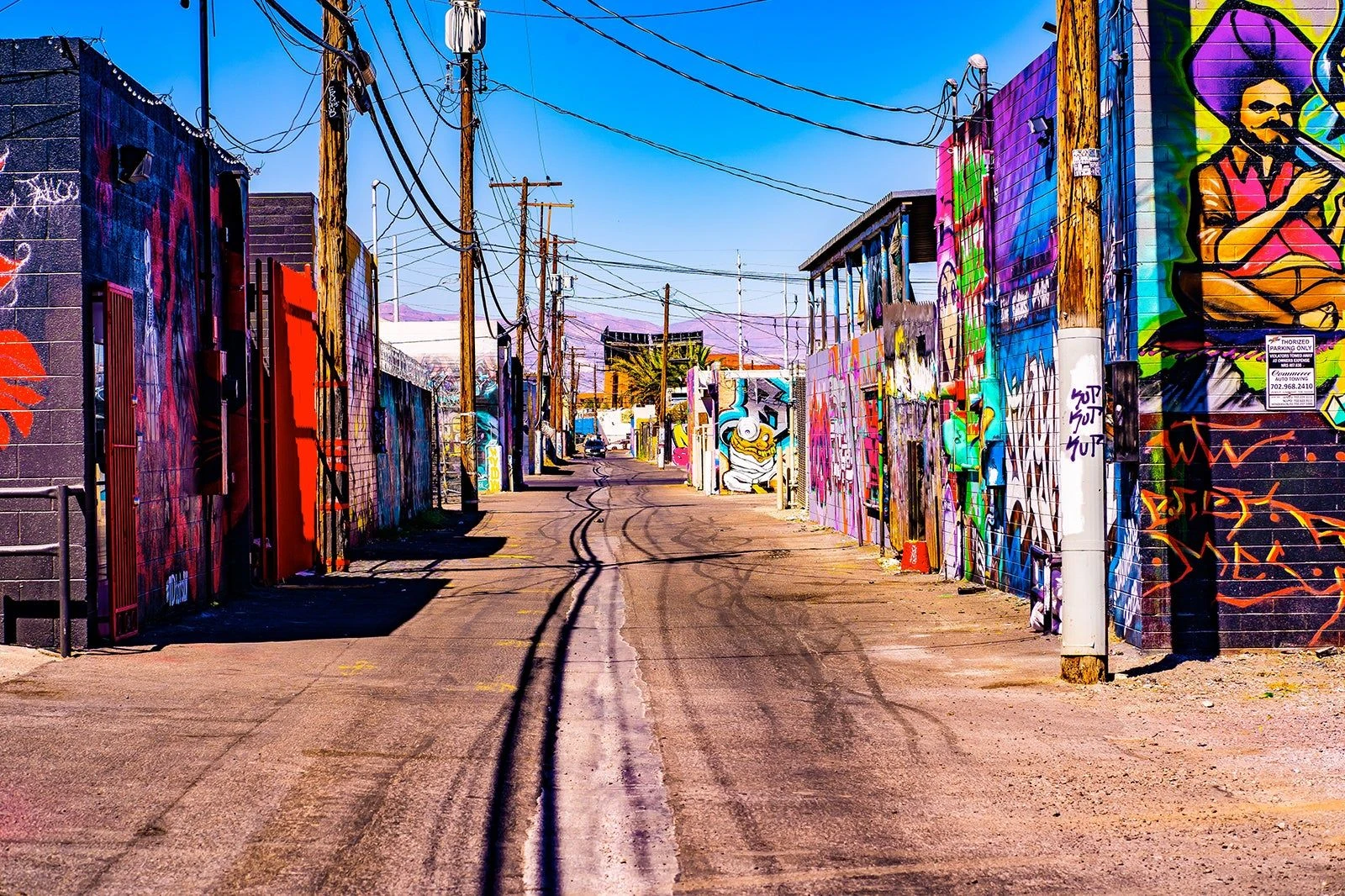
Positioning the Arts District Within the Las Vegas Convention Framework
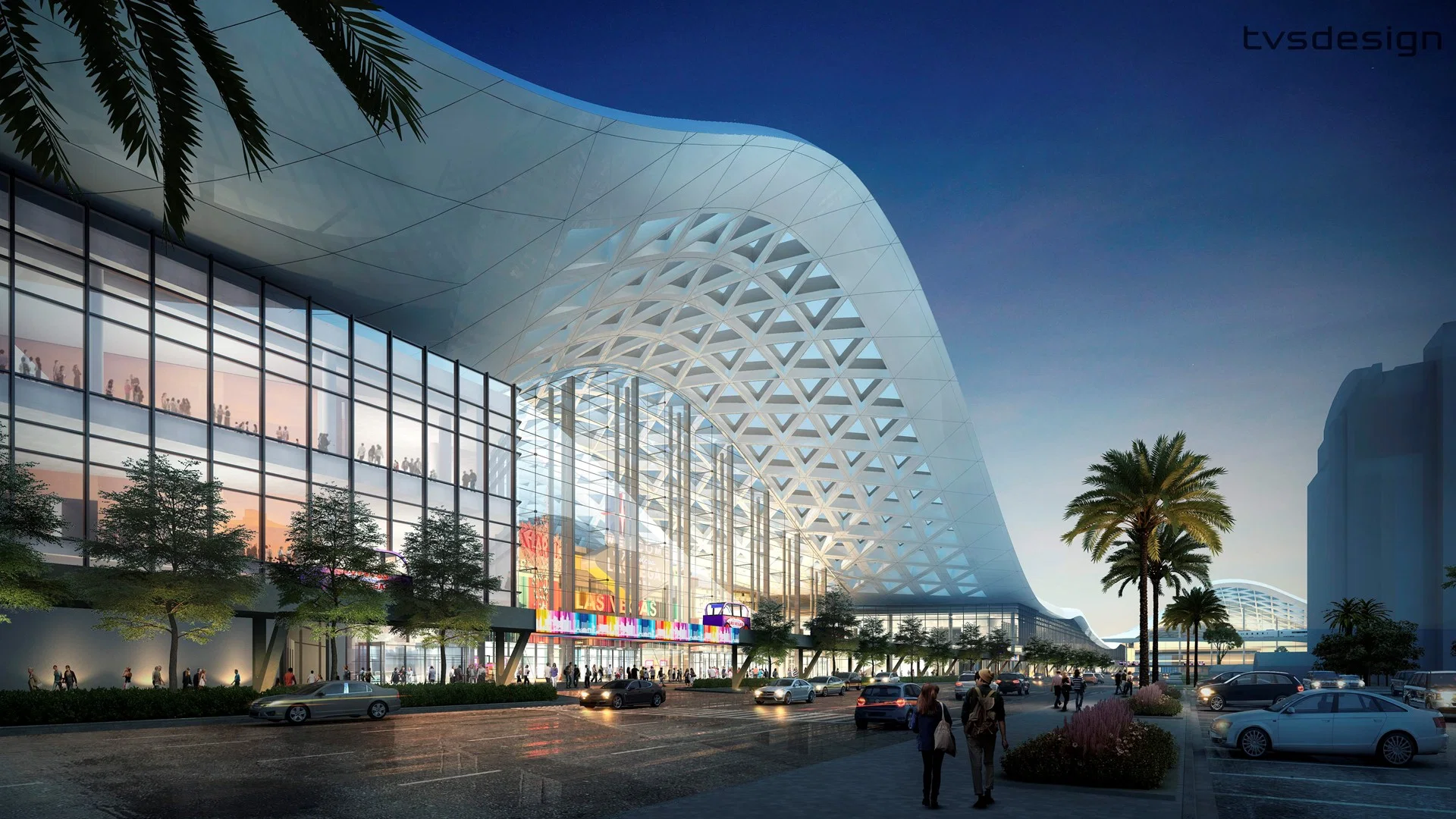
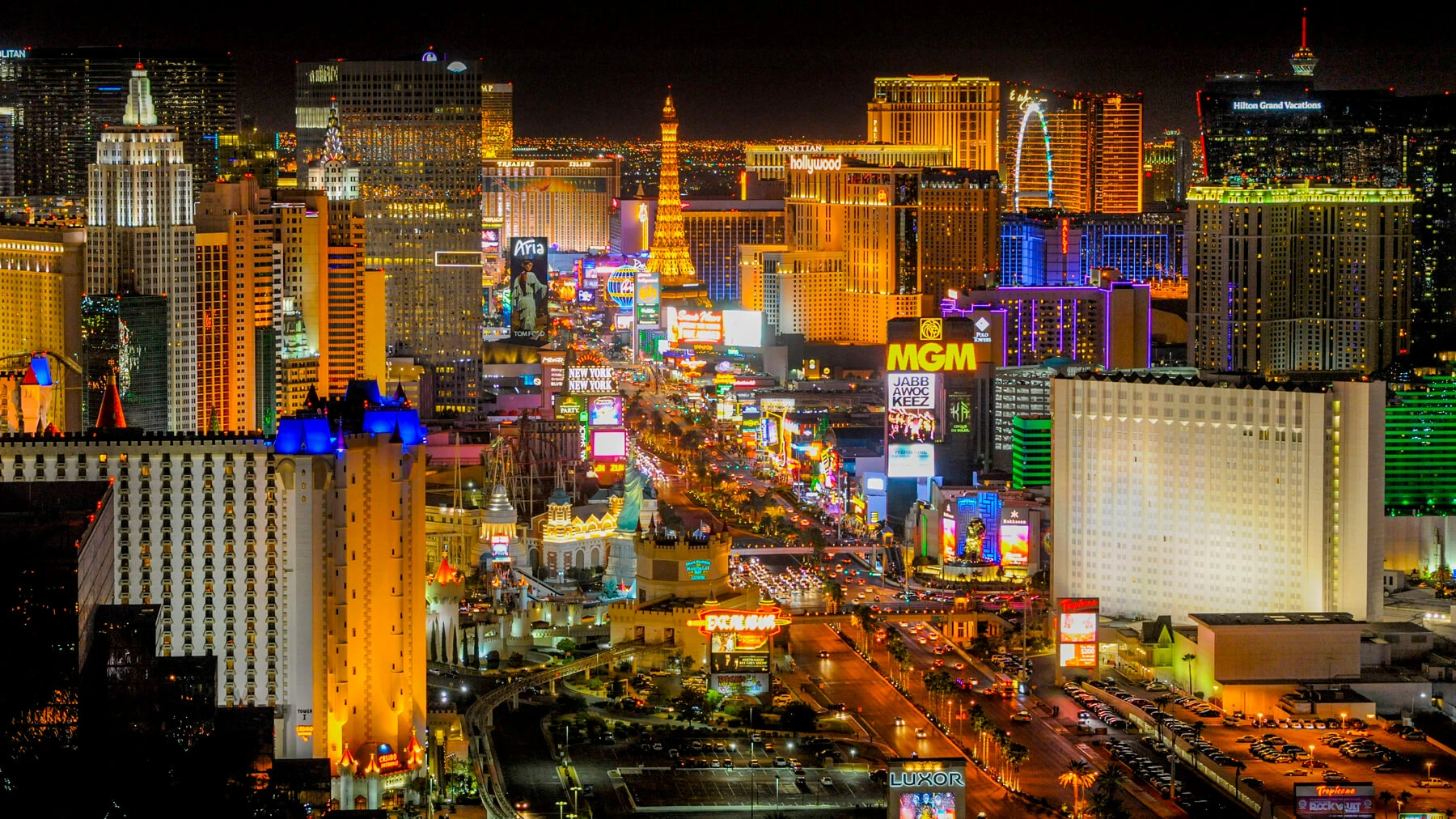
Las Vegas sustains its status as a premier events destination through an extensive network of convention facilities that generate consistent demand. The Arts District contributes to this framework by serving as an adjacent area capable of supporting ancillary activities that align with programming at primary venues. Its location enables planners to create extended experiences that connect major conventions with neighborhood-level engagements.
Understanding interconnections between the Arts District and locations including the Convention Center District, Paradise, Winchester, and Downtown Las Vegas allows for more comprehensive strategies. These relationships support synchronized scheduling that maximizes attendance overlap from key events. Market data from established convention sources underscores the scale of visitation that creates secondary opportunities throughout the region.
Strategic positioning involves mapping district attributes against the operational realities of larger facilities. This ensures exhibit plans reflect both the creative focus of the Arts District and the structured environment of dedicated convention centers. Such differentiation helps brands develop distinctive touchpoints within a competitive marketplace.
Major Venues Shaping Arts District Strategies
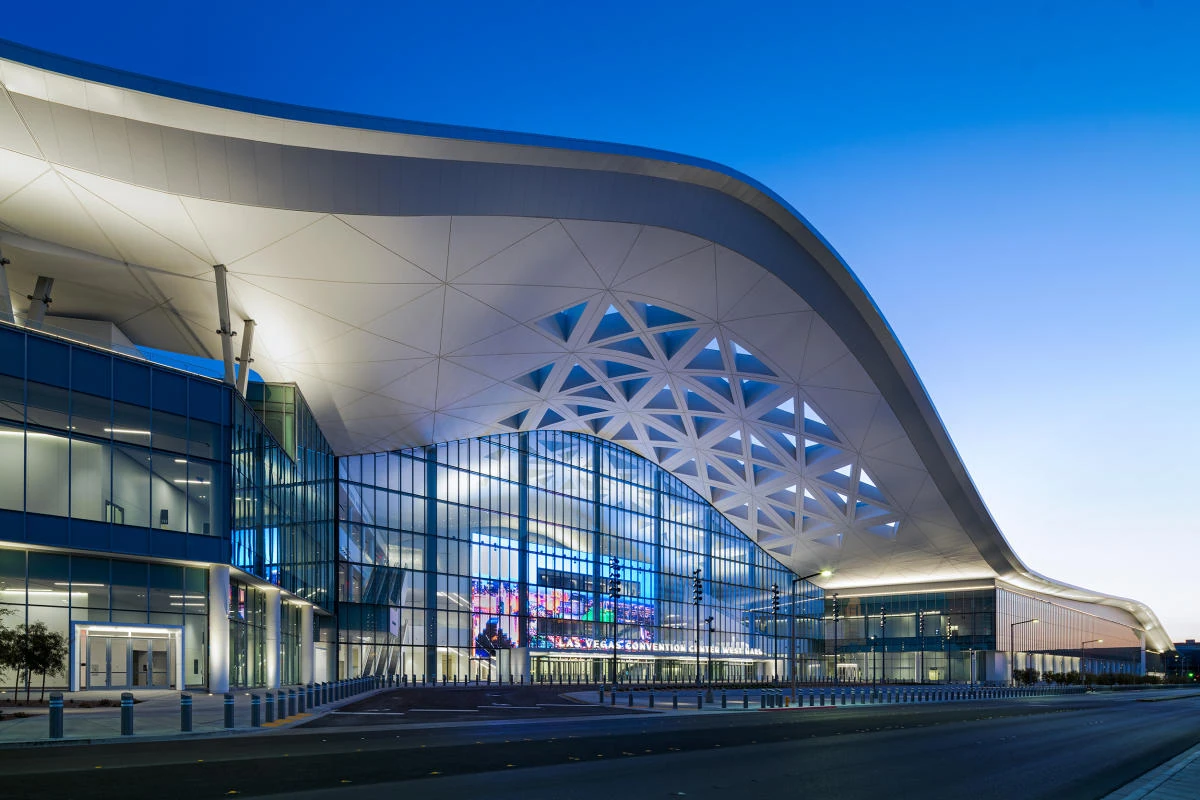
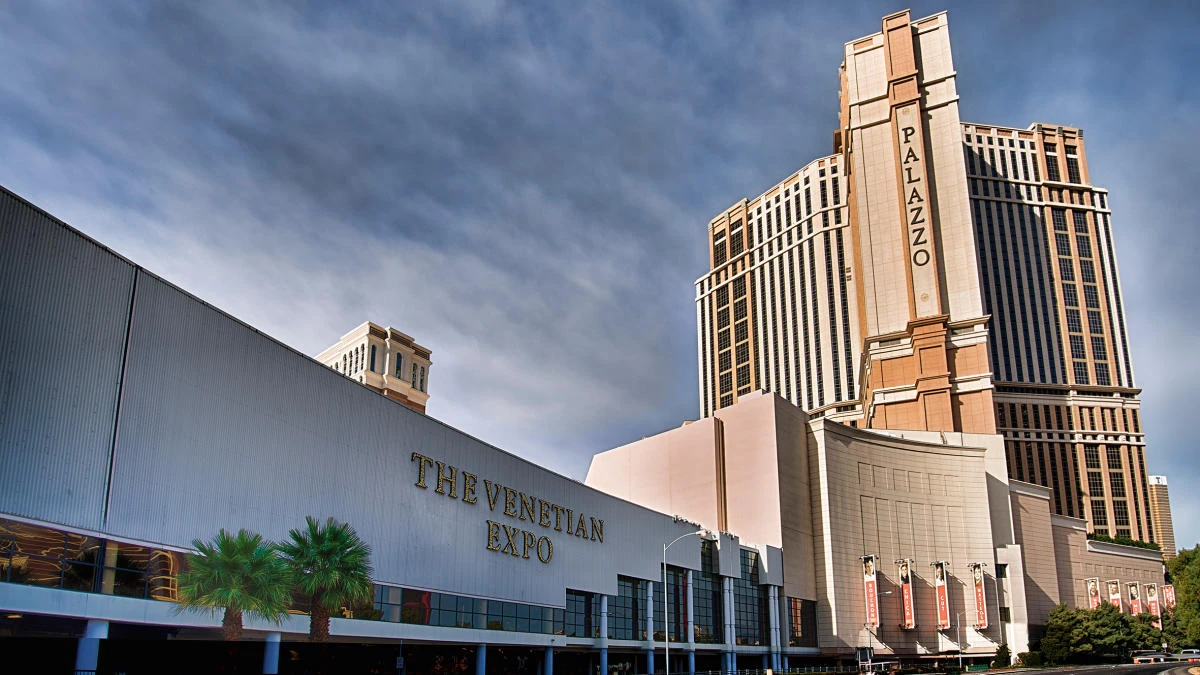
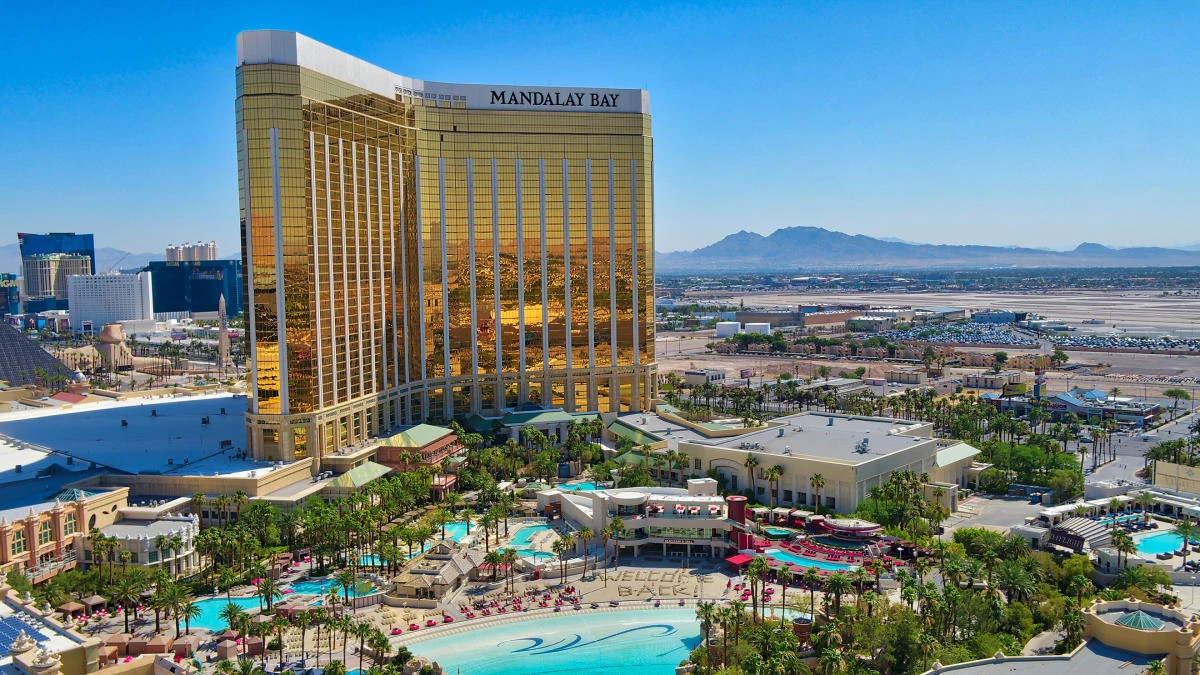
Several flagship venues establish the foundation for Las Vegas event planning, directly influencing approaches for the Arts District. The Las Vegas Convention Center, Venetian Expo, and Mandalay Bay Convention Center consistently host high-attendance functions that draw professionals who may engage with district-based activities. Coordination resources must account for these patterns to optimize timing and relevance.
Additional facilities including Westgate Las Vegas Resort, Virgin Hotels Las Vegas, and Alexis Park All Suite Resort expand the venue landscape, creating a distributed market that extends beyond the Strip. This distribution supports planning models that incorporate the Arts District as a complementary destination for targeted follow-up or parallel programming.
By referencing schedules and capacities from these established venues, exhibit coordinators can identify windows where district activations deliver highest potential return. This data-driven method avoids cookie-cutter approaches and instead emphasizes specific operational alignments unique to the Las Vegas ecosystem.
District Differentiation and Audience Engagement
The Arts District distinguishes itself through its emphasis on creativity, community, and cultural expression compared to more standardized convention environments. This differentiation enables exhibit concepts that incorporate interactive or experiential elements better suited to the neighborhood's character than traditional booth formats at large facilities.
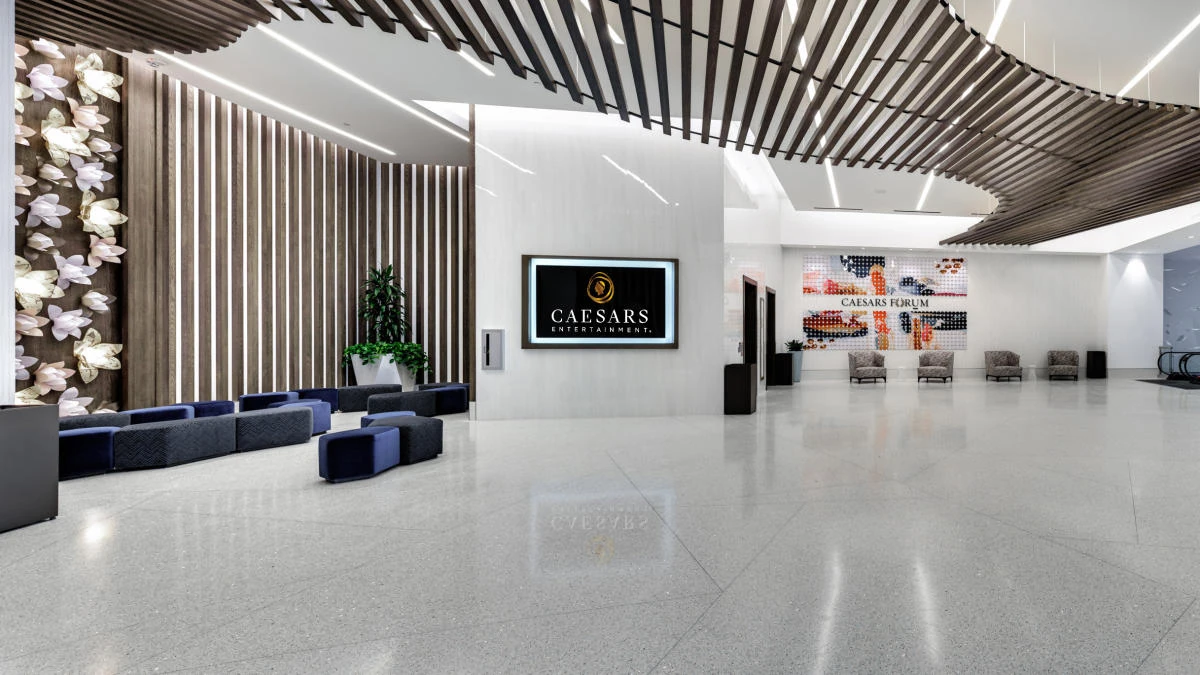
Audience segments drawn to the Arts District often overlap with convention attendees seeking distinctive experiences outside primary venues. Planning therefore involves tailoring messaging and activations to resonate with these profiles while maintaining alignment with overarching campaign goals established at centers like Caesars Forum or the Venetian Expo.
Operational details such as pedestrian flow, neighborhood rhythms, and proximity to other districts including Spring Valley and Enterprise require specific attention. These factors inform more nuanced coordination that enhances rather than duplicates experiences available at core convention locations.
Successful differentiation stems from research into both venue-driven demand and district-specific attributes, resulting in programs that feel authentic to their setting while delivering measurable exhibition objectives.
Coordination Best Practices Across Las Vegas Locations
Effective coordination for Arts District initiatives requires systematic approaches that account for the full Las Vegas service area, spanning the Strip, Summerlin, Henderson, and satellite locations. This begins with detailed calendar analysis of events at major venues to establish foundational timing parameters.
Resource allocation and stakeholder alignment become central when programs extend across districts. Clear protocols ensure consistency in brand presentation whether activities occur near the Convention Center District or within the Arts District itself. Contingency planning addresses potential variations in attendance or logistics inherent to multi-location campaigns.
Documentation of processes supports iterative improvement, allowing future programs to build upon documented outcomes from prior Las Vegas events. This methodical framework maintains focus on planning excellence without introducing unverifiable operational claims.
The emphasis remains on strategic oversight that connects the creative potential of the Arts District with the scale provided by established convention infrastructure.
Market Demand Drivers and Timing Considerations
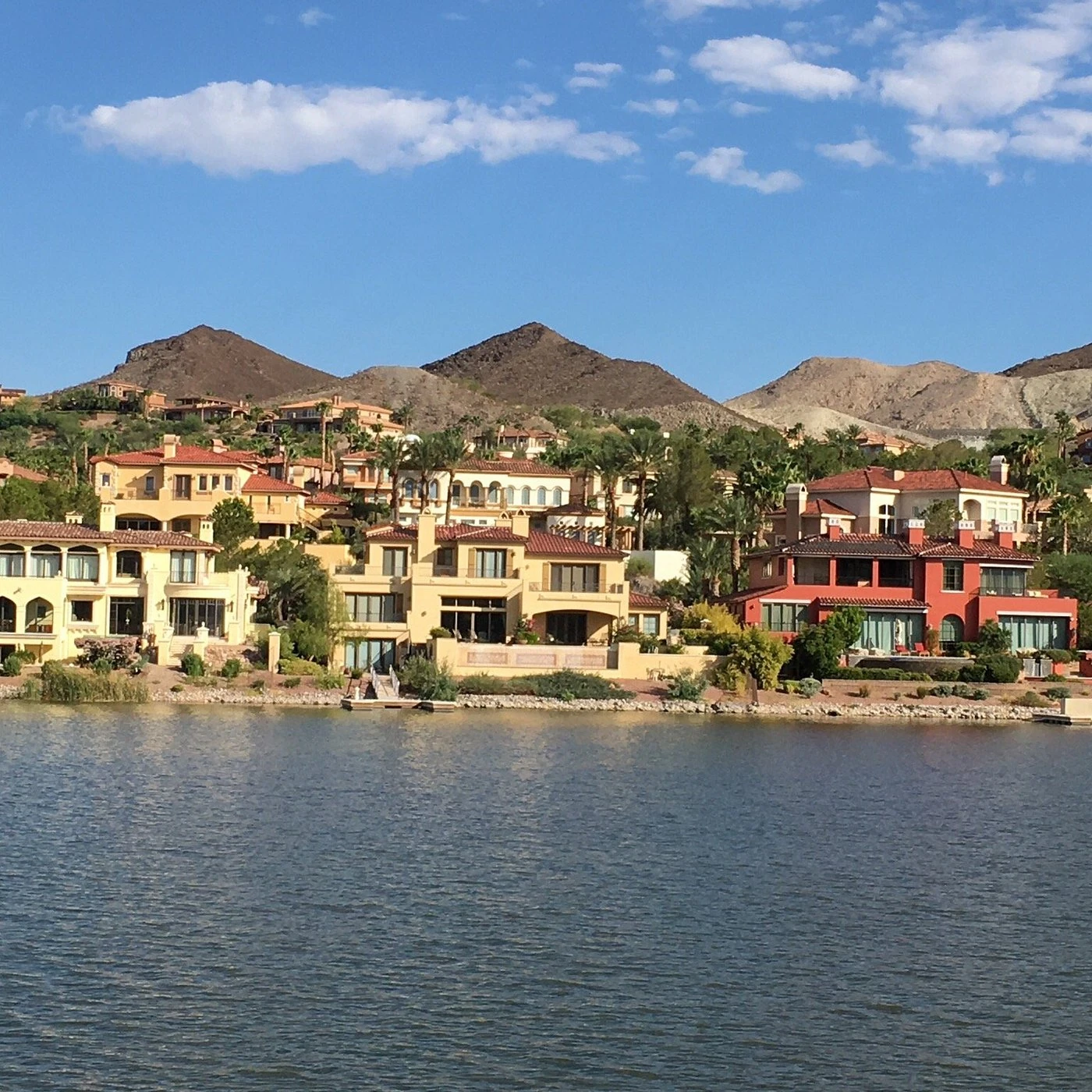
Demand drivers across Las Vegas include industry trade shows, corporate conferences, and specialized exhibitions hosted at venues such as Green Valley Ranch Resort, Hilton Lake Las Vegas Resort, and additional listed facilities. These create predictable visitation patterns that inform Arts District planning by indicating periods of elevated professional presence in the region.
Coordinators examine these drivers to align district activities with peak convention periods, ensuring complementary rather than competing programming. The resulting strategies leverage the cumulative draw of multiple venues while adapting to the Arts District's distinct positioning within recommended Las Vegas locations.
Operational details extend to understanding geographic relationships between the Arts District, Downtown Las Vegas, and convention corridor sites. This knowledge enables precise scheduling that respects attendee time constraints and travel considerations across the market.
Long-range planning incorporates emerging patterns from the full list of recommended locations to maintain relevance as the Las Vegas events landscape evolves.
Long-Term Planning Frameworks for Sustained Success
Sustainable outcomes in the Arts District depend on frameworks that integrate its unique attributes with the broader Las Vegas convention market. This involves ongoing analysis of venue performance data from sources covering the Las Vegas Convention Center through specialized resorts to refine approaches over multiple cycles.
Organizations benefit from planning resources that emphasize district-level nuance alongside citywide connectivity. Strategies for the Arts District, Summerlin Meeting District, or Southwest Las Vegas share foundational principles while requiring location-specific adjustments in engagement and logistics.
Measurement against defined objectives ensures continuous improvement, with attention to how district initiatives contribute to overall exhibition goals. This comprehensive view supports diversified approaches across the recommended Las Vegas locations.
The resulting programs position exhibitors to capitalize on both the creative opportunities inherent to the Arts District and the substantial draw of established convention infrastructure.
Frequently asked questions
How does the Arts District fit into overall Las Vegas convention planning?
The Arts District serves as a complementary location that supports activities connected to major venues including the Las Vegas Convention Center, Venetian Expo, and Mandalay Bay Convention Center. Its creative environment allows for differentiated experiences that extend the impact of primary convention programs across connected districts.
What venues most influence Arts District exhibit strategies?
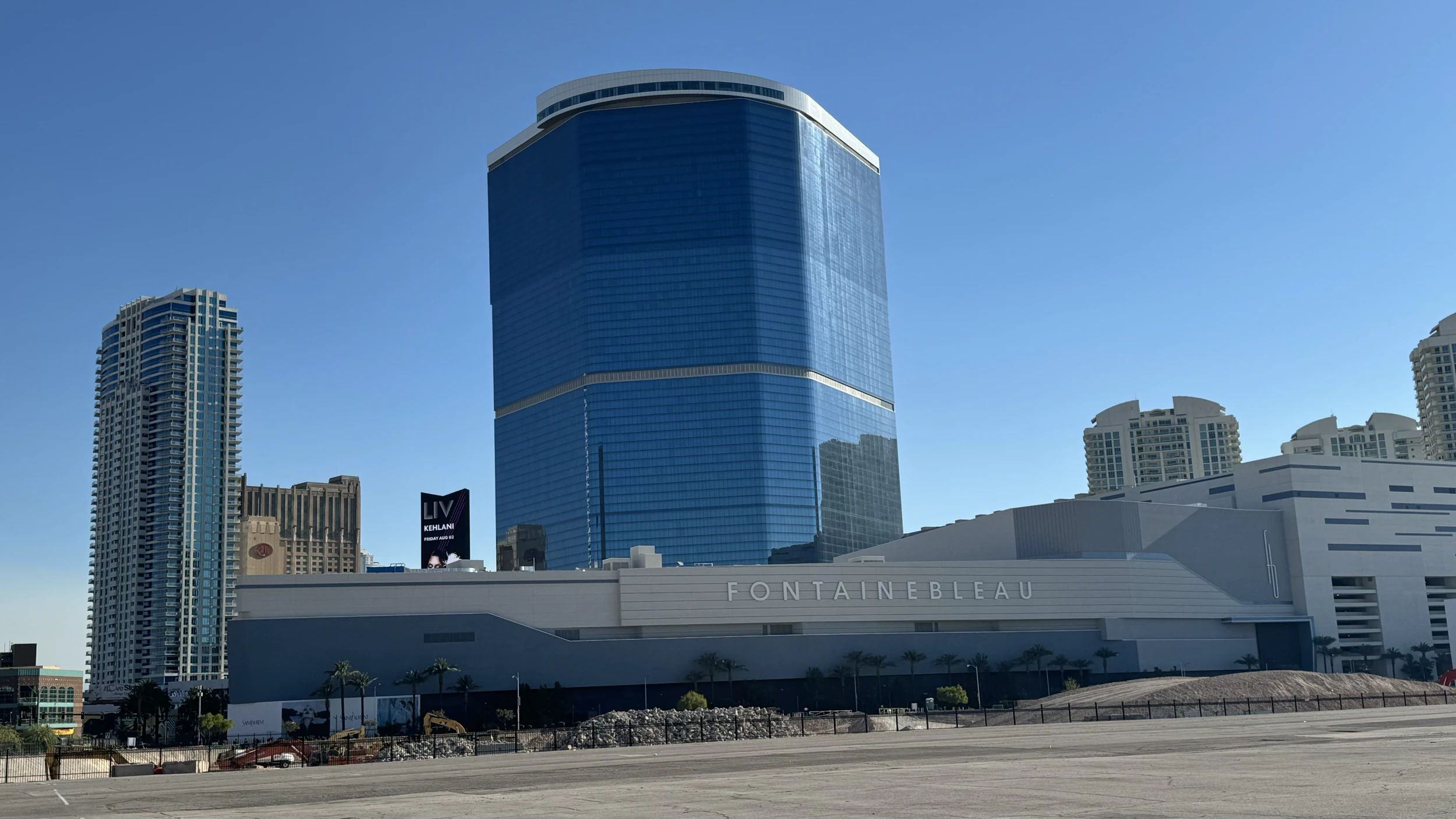
Key facilities such as the Las Vegas Convention Center, Venetian Expo, Caesars Forum, Fontainebleau Las Vegas, and Westgate Las Vegas Resort establish demand patterns and attendee flows that inform planning for the Arts District and nearby areas like Downtown Las Vegas and the Convention Center District.
Why consider district-level differentiation in Las Vegas exhibit planning?
Each area including the Arts District, Strip Central, Summerlin, and Enterprise presents distinct characteristics that support tailored engagement approaches. Coordination that accounts for these differences while maintaining alignment with major venue schedules produces more effective and memorable exhibition outcomes.
What operational details matter most for Arts District coordination?
Critical factors include alignment with convention schedules, audience flow between districts, adaptation to creative contexts, and logistical considerations for multi-location campaigns. These elements receive focused attention to ensure strategies reflect specific location attributes within the Las Vegas market.
How can exhibitors leverage demand drivers for Arts District initiatives?
By analyzing patterns from facilities like Virgin Hotels Las Vegas, Green Valley Ranch, and Hilton Lake Las Vegas alongside primary convention centers, planners identify optimal timing for district activities that capitalize on regional visitation without competing directly with main event programming.
What makes this planning resource authoritative for the Arts District?
Content draws exclusively from verified market indicators, recommended location frameworks, and convention venue data specific to Las Vegas. It prioritizes strategic coordination, district nuance, and operational detail while maintaining strict adherence to established facts about the regional events landscape.
Top venues
See all venues