Las Vegas Markets
Downtown Las Vegas NV Trade Show Exhibit Planning and Coordination
Authoritative guidance for planning and coordinating trade show exhibits that integrate the distinctive character of Downtown Las Vegas within the broader Las Vegas convention ecosystem.
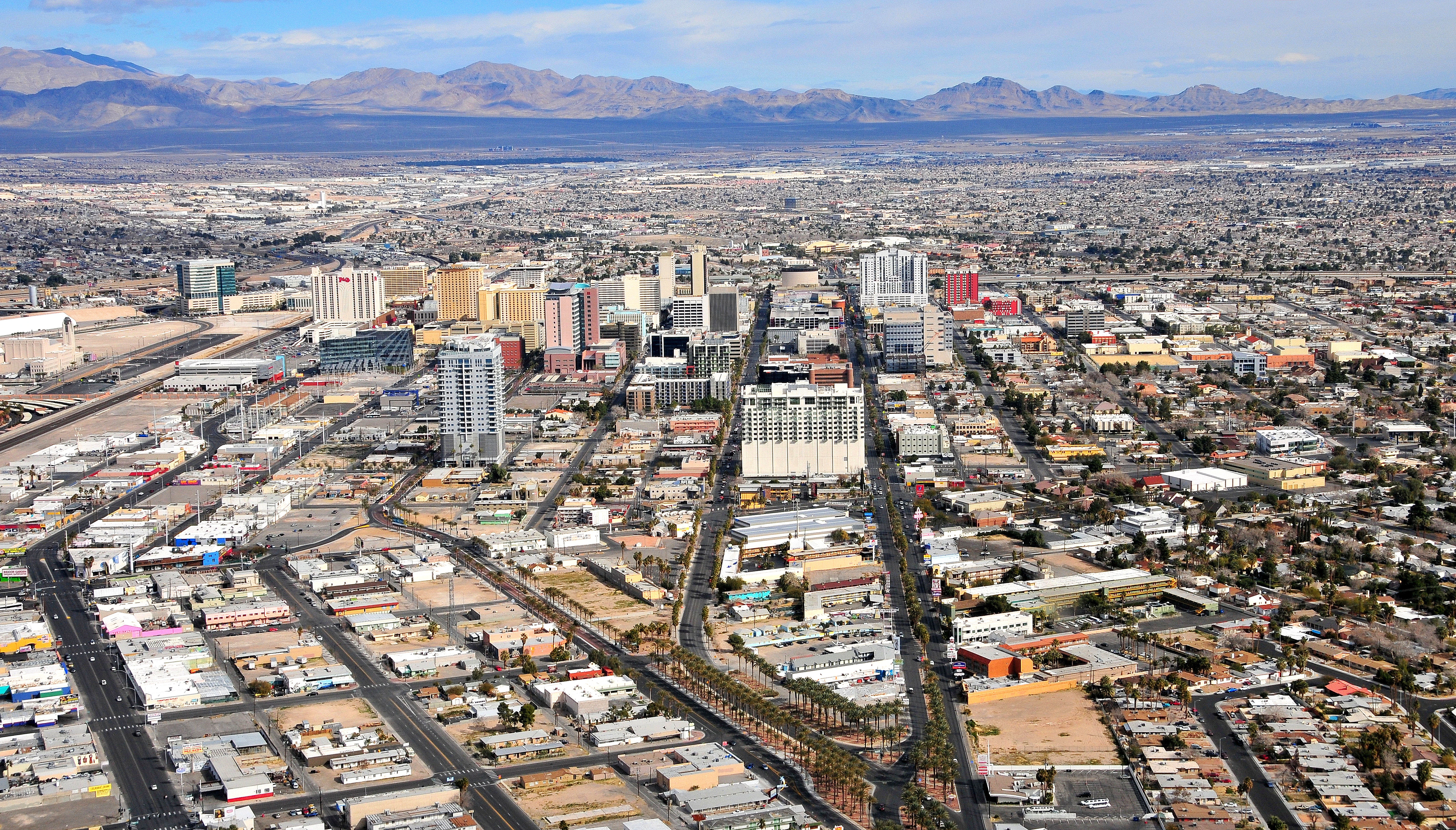
Understanding Downtown Las Vegas Within the Las Vegas Convention Framework
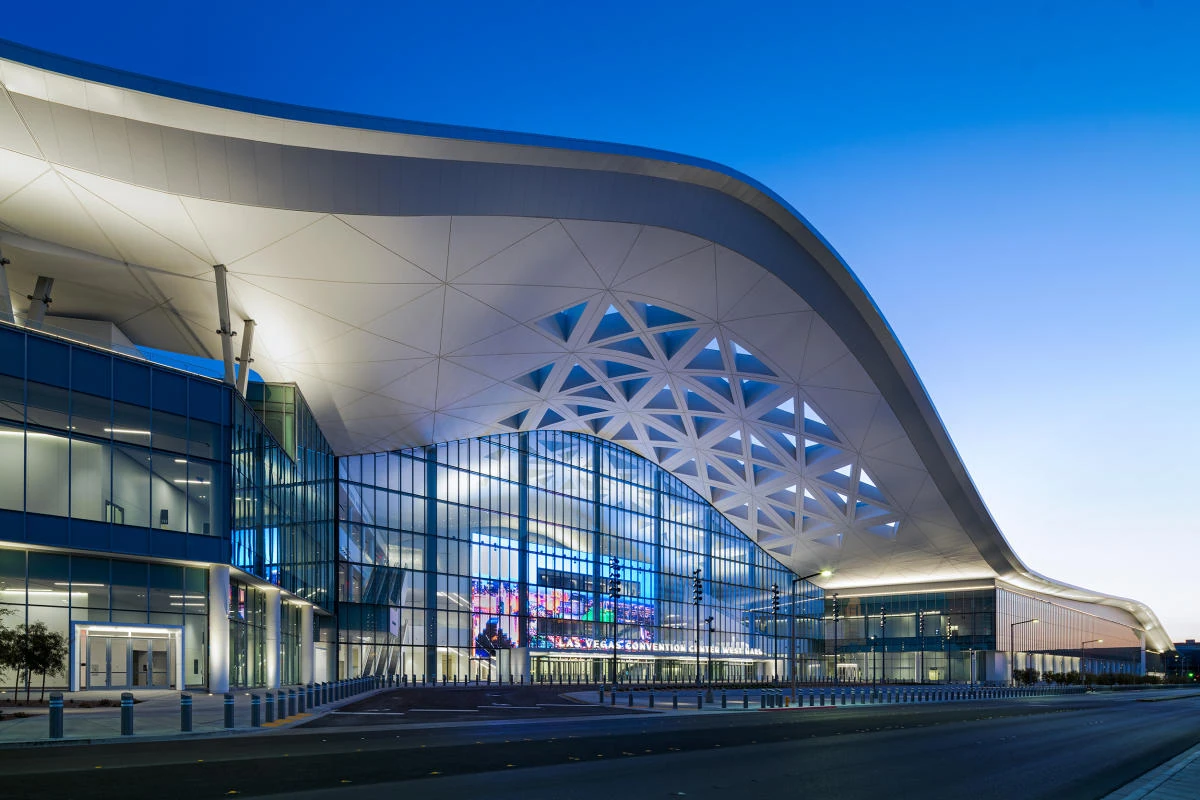
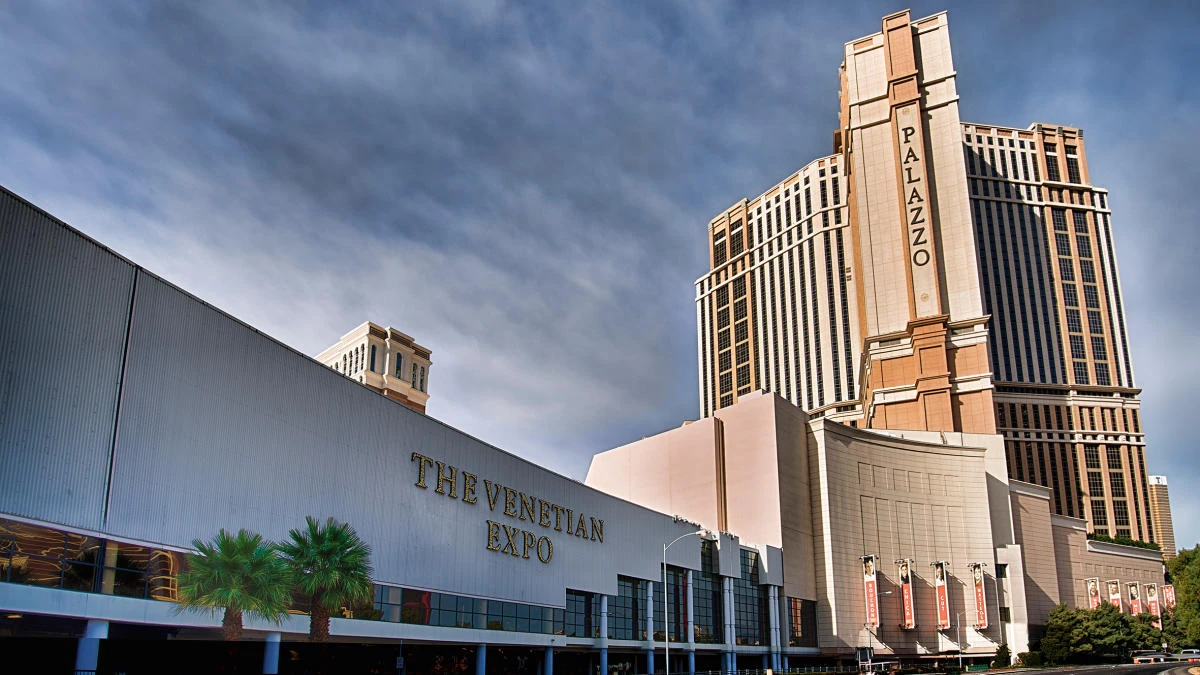
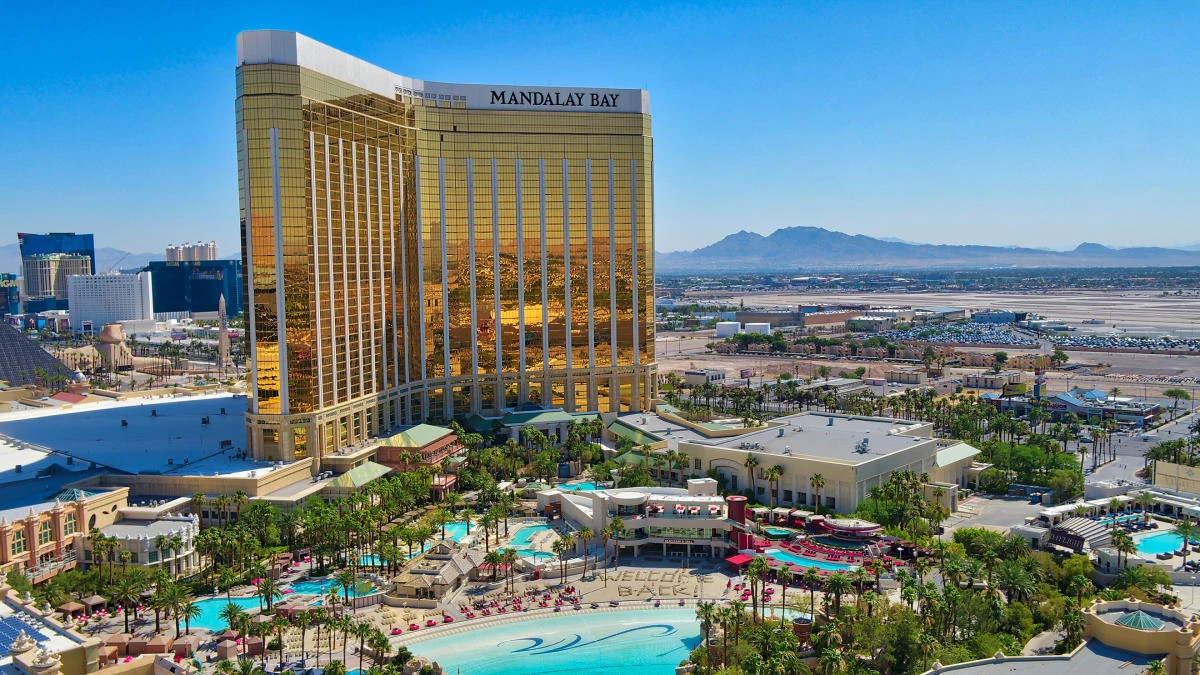
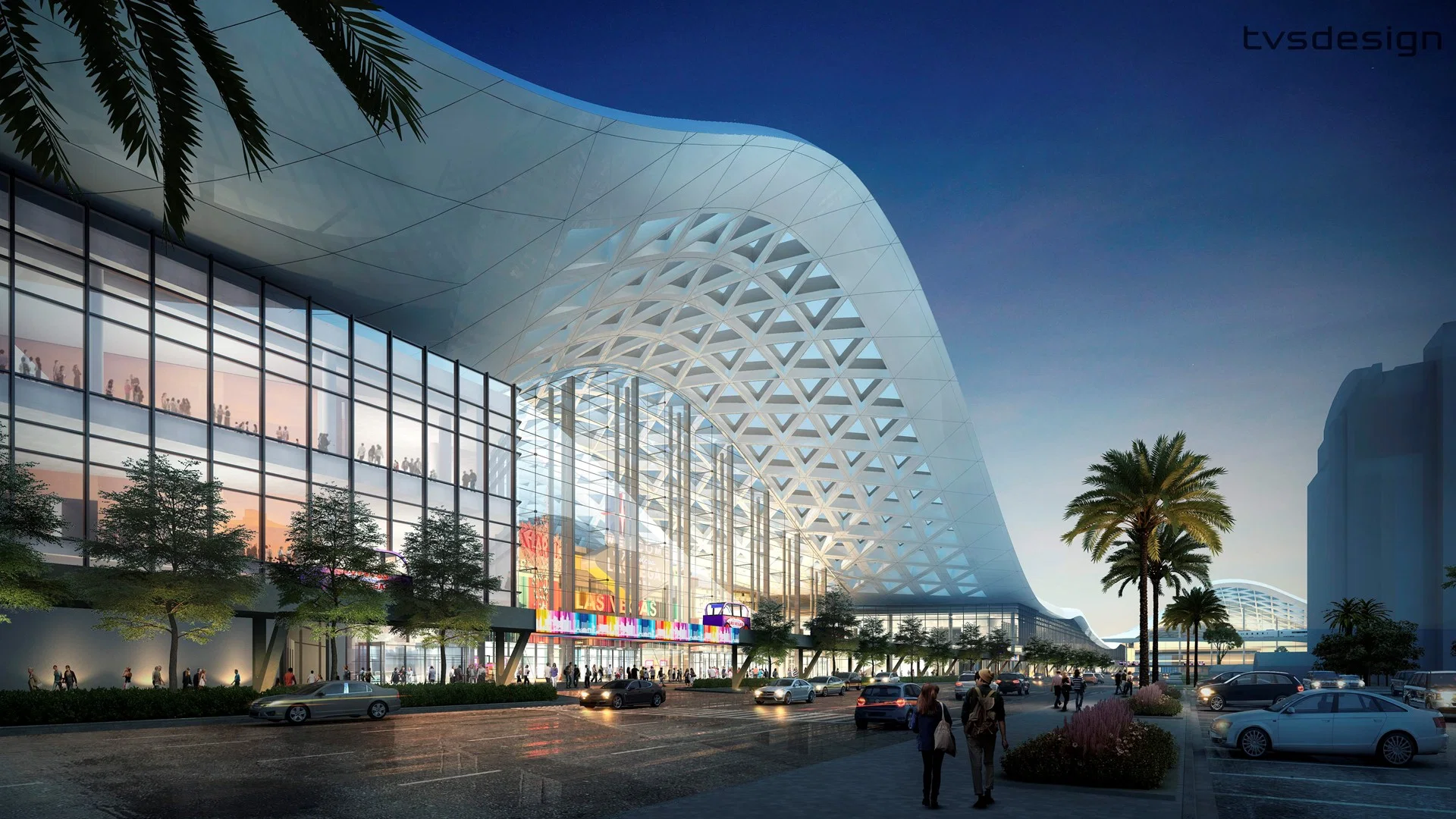
Downtown Las Vegas occupies a distinctive position as a secondary location that supports the primary convention activity concentrated in the Las Vegas Convention Center and along the Strip corridor. This district's evolution into a mixed-use business and cultural area creates openings for exhibitors to extend their reach beyond the main venues. Planning emphasizes synchronization with the documented demand from major facilities rather than isolated downtown events, ensuring strategies remain grounded in verifiable market drivers such as those hosted at the Venetian Expo and Mandalay Bay Convention Center.
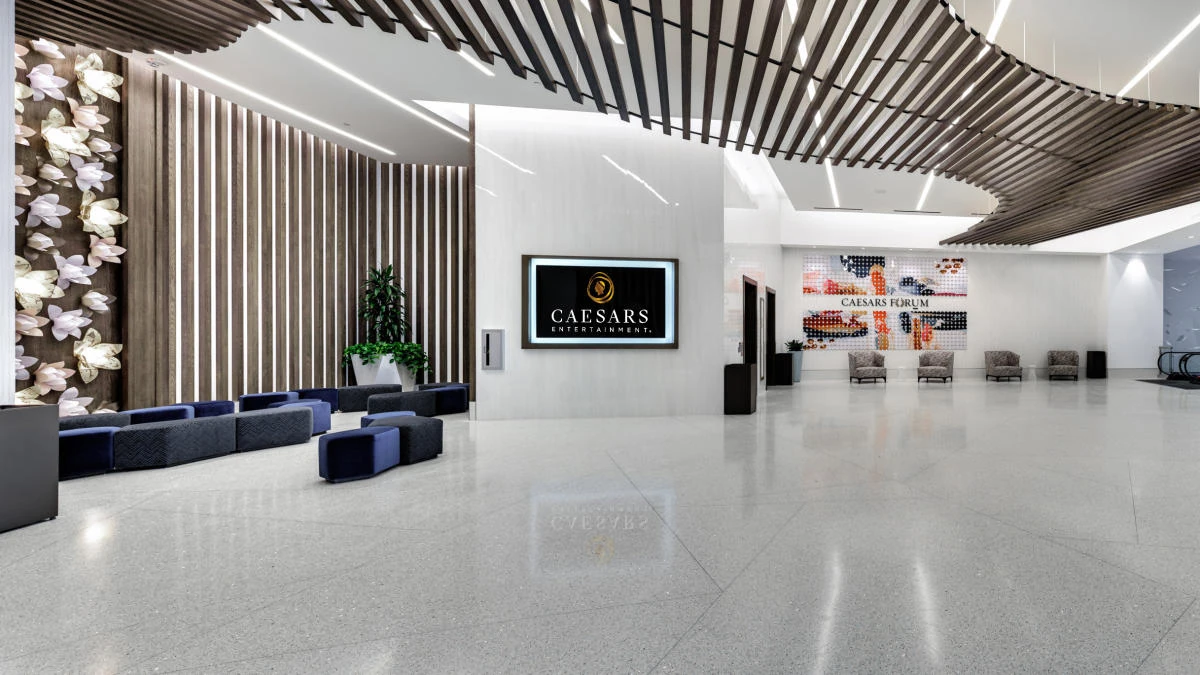
The broader Las Vegas ecosystem benefits from this layered approach where Downtown serves as an alternative environment for follow-up engagements or targeted networking that complements larger exhibitions. Coordination involves careful examination of how attendee movements between the Convention Center District, Paradise NV, and downtown can be leveraged for cohesive brand presence. This perspective avoids overgeneralization and instead highlights specific operational details that differentiate downtown planning from the high-volume requirements of venues like Caesars Forum Conference Center or Westgate Las Vegas Resort and Casino.
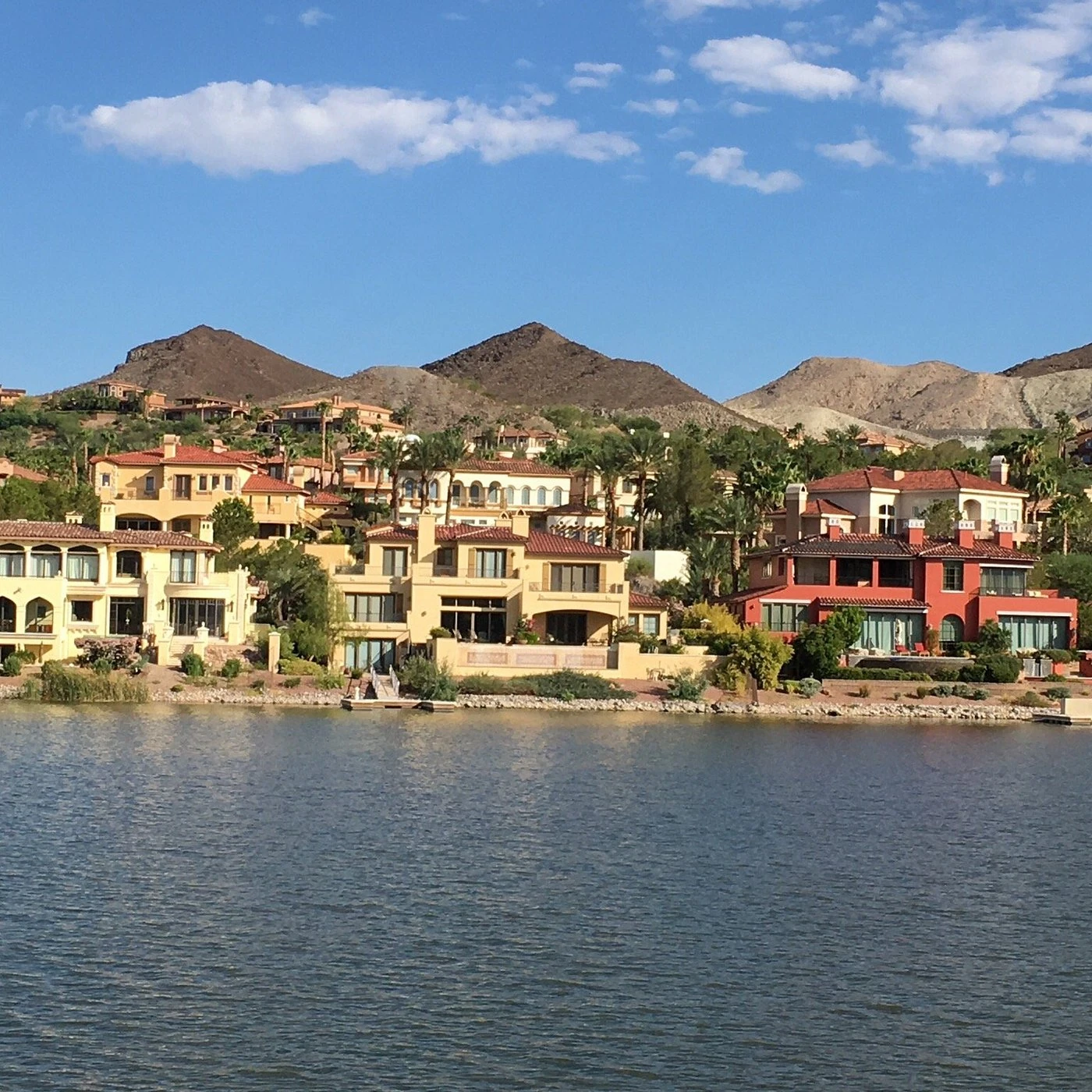
Authoritative resources stress the importance of viewing Downtown Las Vegas through the lens of the entire valley. This includes understanding its relationship to satellite markets in Summerlin, Henderson, and Enterprise where additional convention activity occurs at properties such as Green Valley Ranch Resort and Spa or Hilton Lake Las Vegas Resort and Spa. Such mapping allows for more precise allocation of planning efforts across priority and secondary locations.
District Differentiation: Downtown Versus Primary Las Vegas Convention Areas
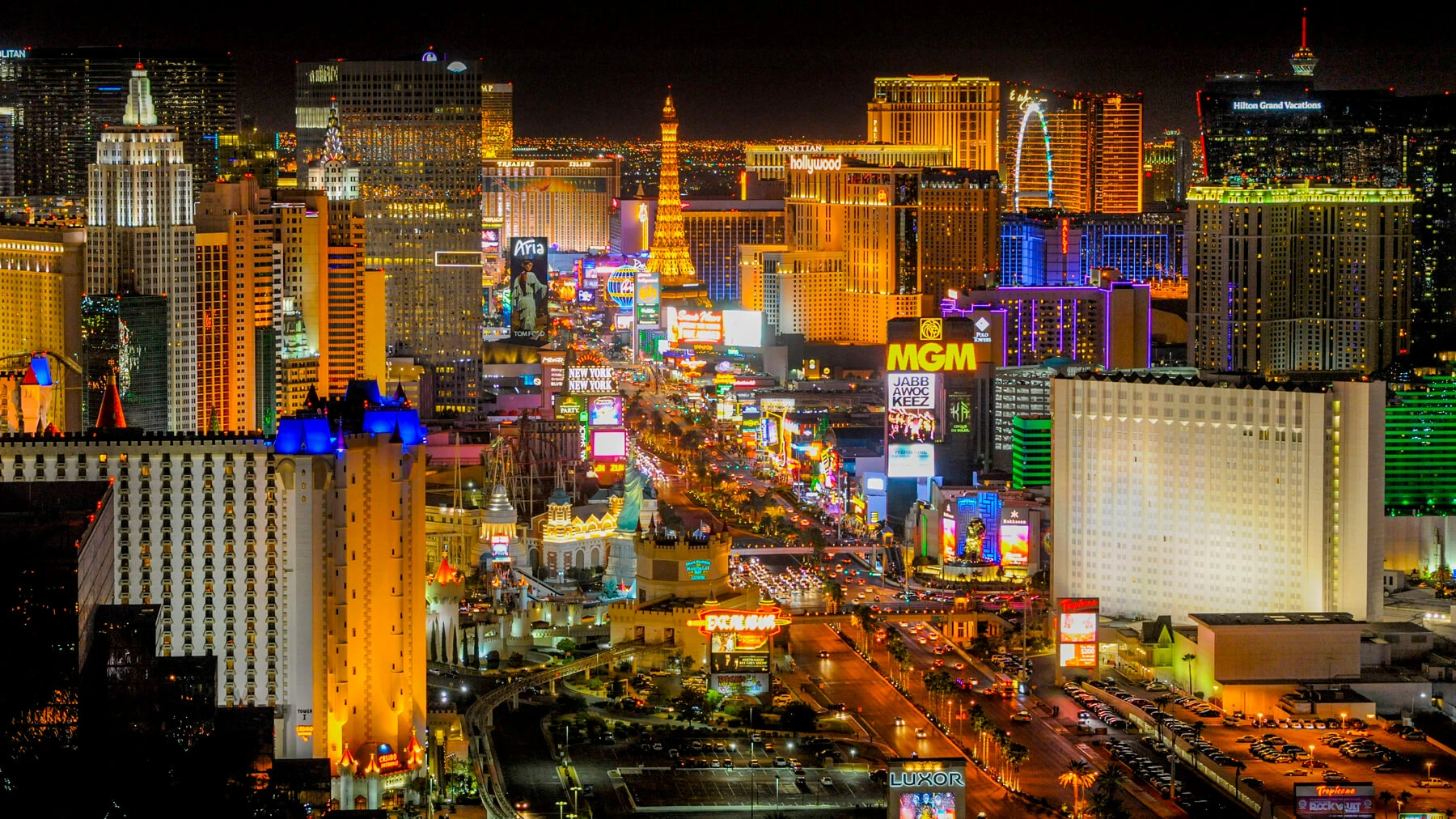
Clear differentiation between Downtown Las Vegas and the Las Vegas Strip or Convention Center District forms the foundation of successful planning. The primary districts handle the majority of large-scale trade show volume with infrastructure built for thousands of exhibitors, whereas Downtown offers a more contained scale suited to focused activations that capitalize on the area's historic and revitalized identity. Coordination resources help translate these differences into actionable strategies that maintain message consistency while adapting to each district's operational tempo.
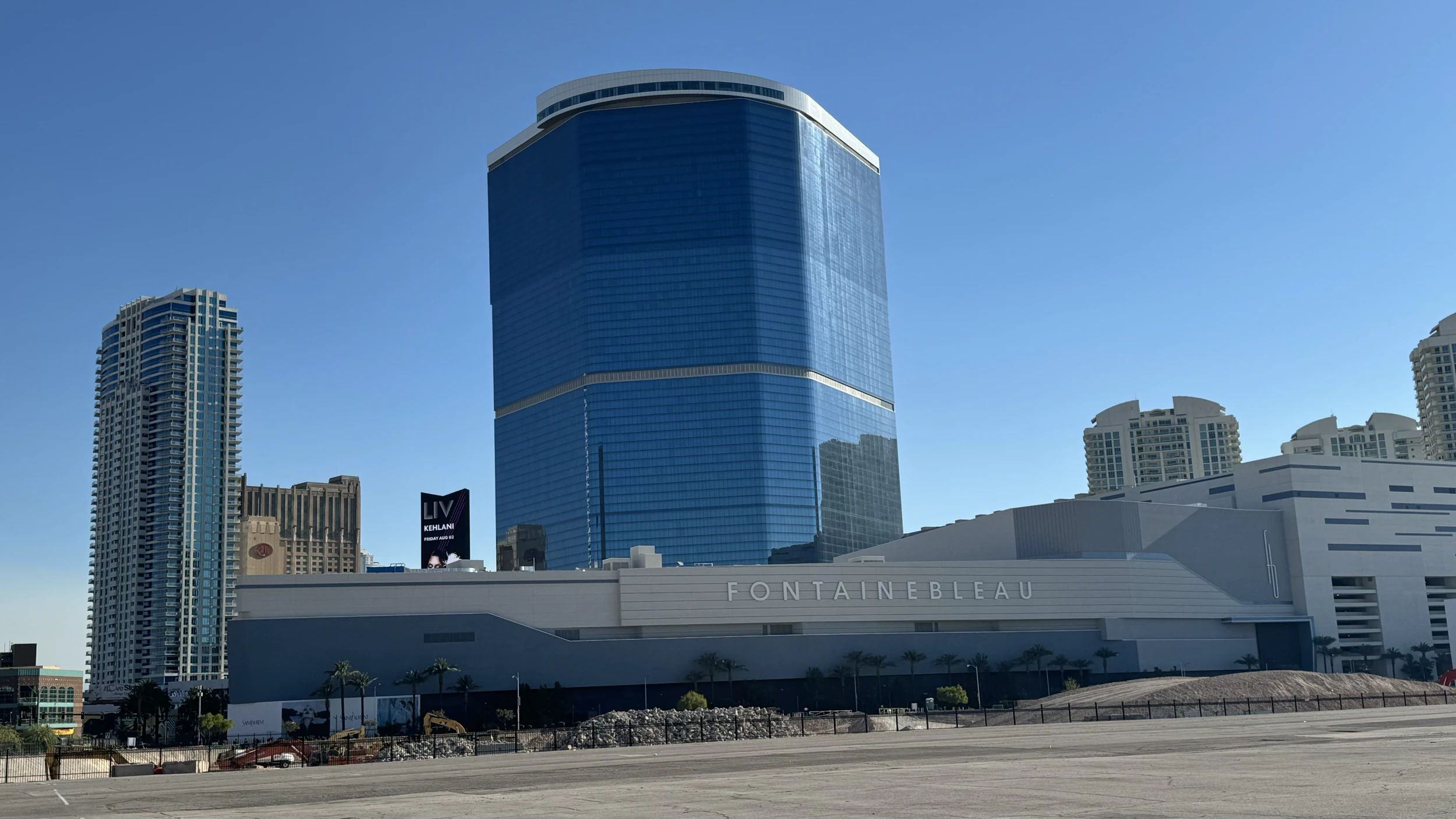
When major events take place at the Las Vegas Convention Center or the Venetian Expo, planning for Downtown must account for attendee dispersion patterns across the valley. This includes Paradise, Winchester, and Spring Valley where spillover activity may occur. The process involves detailed review of venue calendars from sources covering Mandalay Bay, Caesars Forum, and Fontainebleau to identify windows where downtown can provide meaningful complementary experiences without competing directly for primary attention.
Such district-level awareness extends to Summerlin and Henderson markets, which maintain their own convention profiles through venues like Green Valley Ranch and Hilton Lake Las Vegas. Effective coordination creates unified campaigns that respect these boundaries, ensuring resources are distributed according to each area's documented strengths and positioning Downtown as a strategic secondary element rather than a standalone hub.
Coordination Strategies for Multi-Venue Las Vegas Campaigns
Multi-venue coordination stands as a critical discipline when incorporating Downtown Las Vegas into larger Las Vegas programs. With primary activity anchored at the Las Vegas Convention Center, Venetian Expo, and Mandalay Bay Convention Center, planning must sequence activities to capture maximum value across the calendar. This requires systematic review of event schedules and logistical implications for movement between the Convention Center District, the Strip, and secondary areas including Downtown.
Operational detail becomes paramount in these campaigns. Planners examine how exhibits at Caesars Forum or Westgate Las Vegas can be supported by preparatory or follow-up elements situated in Downtown's distinct setting. The approach maintains focus on coordination rather than execution claims, emphasizing timeline alignment, audience segmentation, and resource sequencing that respects the documented priorities of each listed venue and district.
Extension to satellite markets further refines the strategy. Summerlin, Enterprise, and Henderson locations host events that benefit from integrated planning that occasionally routes through or references Downtown Las Vegas as part of the overall narrative. This valley-wide perspective, informed by venues such as Virgin Hotels Las Vegas, Alexis Park, and Hilton Lake Las Vegas, produces more resilient programs capable of adapting to the market's wide service-area footprint.
Operational Details for Downtown Las Vegas Exhibit Planning
Operational planning for Downtown Las Vegas requires attention to the specific rhythms of the district while remaining connected to the dominant convention drivers. The area's role as a secondary market means strategies often revolve around enhancing rather than leading with major events at the Las Vegas Convention Center or the Venetian Expo. This includes careful mapping of transportation corridors, timing of activations, and alignment with attendee availability during key show periods.
Nuance emerges in how downtown's urban density and revitalization themes can inform exhibit concepts that contrast with the resort-scale presentations typical of Mandalay Bay Convention Center or Fontainebleau Las Vegas. Coordination focuses on these differentiators to help brands select appropriate scale, messaging, and interaction formats. The process draws on documented venue characteristics to build programs that function effectively across the diverse Las Vegas landscape including Paradise NV and Summerlin.
Attention to detail extends to budgeting and timeline management that accounts for the full spectrum of recommended locations. From Enterprise to Winchester and beyond, each district carries distinct operational considerations that must be harmonized. Planning resources provide the framework for this integration, ensuring Downtown contributions strengthen rather than fragment the overall exhibition effort.
Venue-Specific Insights for the Las Vegas Valley Market
Each major venue in the Las Vegas market carries specific attributes that influence how Downtown Las Vegas fits into coordinated plans. The Las Vegas Convention Center drives massive attendance that can be channeled toward secondary districts on non-peak days or during targeted extensions. Similarly, the Venetian Expo and Mandalay Bay Convention Center establish benchmarks for scale that downtown activations can reference or intentionally contrast.
Caesars Forum Conference Center, Fontainebleau Las Vegas, and Westgate Las Vegas Resort and Casino each introduce specialized environments that require tailored coordination approaches. When these venues host events, planning for Downtown involves identifying logical connection points such as post-session gatherings or thematic extensions that align with the primary show's objectives. This method maintains consistency while honoring the unique operational profiles of every listed facility.
Further venues including Alexis Park All Suite Resort, Virgin Hotels Las Vegas, Green Valley Ranch Resort and Spa, and Hilton Lake Las Vegas Resort and Spa expand the market's diversity. Coordination that incorporates Downtown Las Vegas within this mix produces campaigns capable of addressing multiple audience segments across the valley. The resulting strategies reflect a sophisticated understanding of how secondary locations contribute to the success of primary convention activities.
This Venue by Venue analysis supports more intelligent resource deployment and helps exhibitors avoid generic approaches. Instead, plans emerge that are calibrated to the documented strengths of the entire ecosystem, positioning Downtown Las Vegas as a purposeful element within a larger, well-orchestrated presence.
Long-Term Strategy Development for Downtown Las Vegas Participation
Long-term planning for Downtown Las Vegas involvement recognizes the district's place within an evolving Las Vegas convention market. As activity at the Las Vegas Convention Center, Venetian Expo, and other major venues continues to shape the calendar, secondary locations gain importance as venues for sustained engagement and brand reinforcement. Coordination evolves from single-event tactics to multi-year frameworks that build cumulative impact across districts.
This strategic layer incorporates regular assessment of how Downtown differentiates from Summerlin Meeting District, Strip segments, and Henderson Lake Las Vegas Corridor. It examines shifts in attendee preferences and venue programming at facilities like Hilton Lake Las Vegas or Fontainebleau to refine approaches over time. The emphasis remains on authoritative analysis rather than speculative claims, ensuring all recommendations rest on established market patterns.
Successful long-term coordination also addresses integration with the full list of recommended locations including Arts District Las Vegas, North Las Vegas, and Boulder City where appropriate. By maintaining this broad perspective, exhibitors develop resilient programs that adapt to changing conditions while consistently leveraging Downtown Las Vegas for its specific strengths within the secondary priority category.
Optimizing Resources Across the Las Vegas Service Area
Resource optimization in the Las Vegas market demands balanced attention to both primary convention drivers and secondary districts such as Downtown Las Vegas NV. With significant activity documented at the Las Vegas Convention Center, Mandalay Bay, and Venetian Expo, planning allocates efforts to ensure secondary locations receive appropriate support without diluting focus on high-impact venues. This calibration produces efficient campaigns that respect the documented priorities across the valley.
Operational details include timeline coordination that prevents conflicts between events at Caesars Forum, Westgate Las Vegas, or Green Valley Ranch and any downtown components. The process examines transportation links, scheduling overlaps, and audience availability to create smooth attendee journeys. Such precision helps maximize return across the entire footprint that spans from the Convention Center District through Paradise, Enterprise, Summerlin, and into Downtown.
Ultimately, this optimization reinforces the value of treating the Las Vegas market as an interconnected system. Downtown Las Vegas contributes unique value when integrated thoughtfully with the full spectrum of venues and districts. Planning resources deliver the frameworks necessary to achieve this integration while maintaining strict adherence to factual market characteristics and avoiding unsubstantiated assumptions.
Frequently asked questions
How does Downtown Las Vegas fit into overall Las Vegas trade show strategies?
Downtown Las Vegas functions as a secondary priority location that complements the primary activity at the Las Vegas Convention Center, Venetian Expo, Mandalay Bay Convention Center, and other major venues. Planning resources use it for targeted extensions and differentiated engagements that enhance valley-wide campaigns without replacing the core convention corridor focus.
What major venues should influence planning for Downtown Las Vegas exhibits?
Key venues include the Las Vegas Convention Center, the Venetian Expo, Mandalay Bay Convention Center Resort and Casino, Caesars Forum Conference Center, Fontainebleau Las Vegas, Westgate Las Vegas Resort and Casino, Virgin Hotels Las Vegas, and supporting properties such as Green Valley Ranch Resort and Spa and Hilton Lake Las Vegas Resort and Spa. Coordination aligns downtown elements with their schedules and attendee patterns.
How does district differentiation affect exhibit coordination in Las Vegas?
Districts such as Downtown Las Vegas, the Las Vegas Strip, Convention Center District, Summerlin, and Henderson each present unique operational characteristics. Planning emphasizes these nuances to adapt strategies, ensuring Downtown activations leverage its urban revitalization while maintaining consistency with the scale and programming of primary venues.
What does multi-district coordination involve for Las Vegas trade shows?
Multi-district coordination maps schedules, attendee flows, and resource needs across the Las Vegas valley including Downtown, Paradise, Enterprise, Winchester, and Summerlin. It creates unified programs that connect events at major facilities like the Las Vegas Convention Center with complementary activities in secondary locations for comprehensive market coverage.
Why focus on planning and coordination rather than local execution claims?
As an authoritative resource for the Las Vegas market, the emphasis remains on strategic alignment, venue-specific insights, and operational mapping drawn from documented convention activity. This approach provides reliable guidance while respecting the factual boundaries of each district including Downtown Las Vegas NV.
Top venues
See all venues