Las Vegas Markets
East of Strip Las Vegas Exhibit Planning and Coordination
Authoritative guidance for strategic exhibit coordination at major convention venues and resort conference facilities east of the Las Vegas Strip.
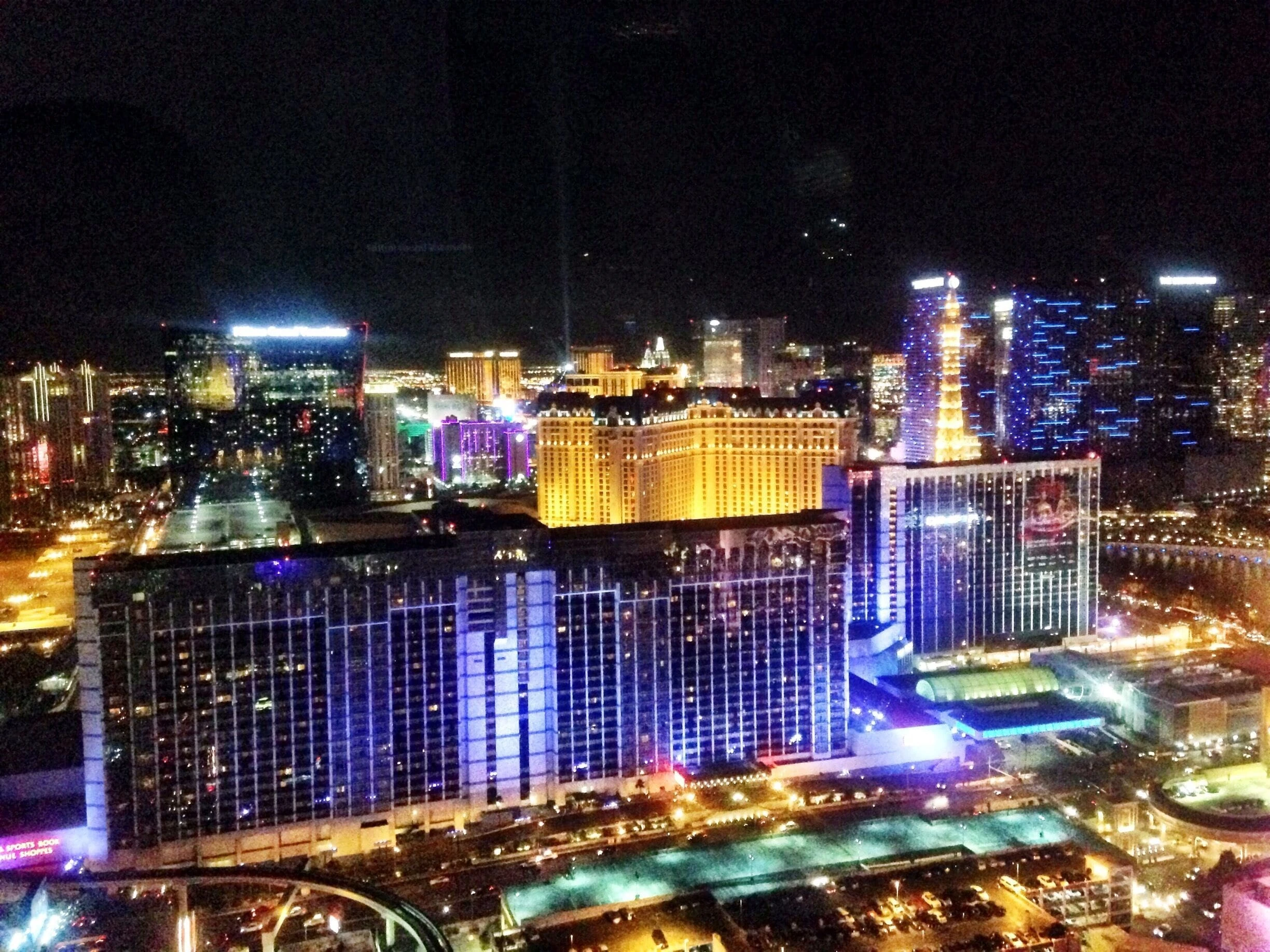
The East of Strip Convention Landscape and Primary Venues
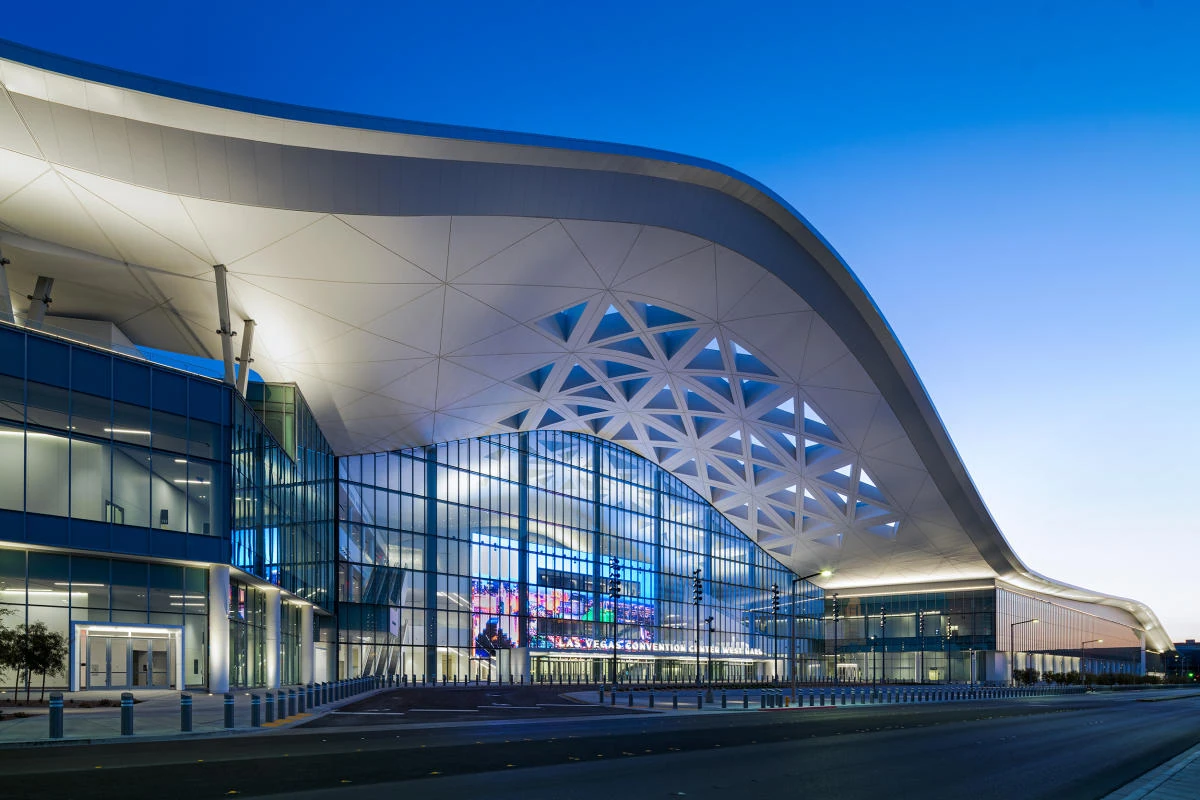
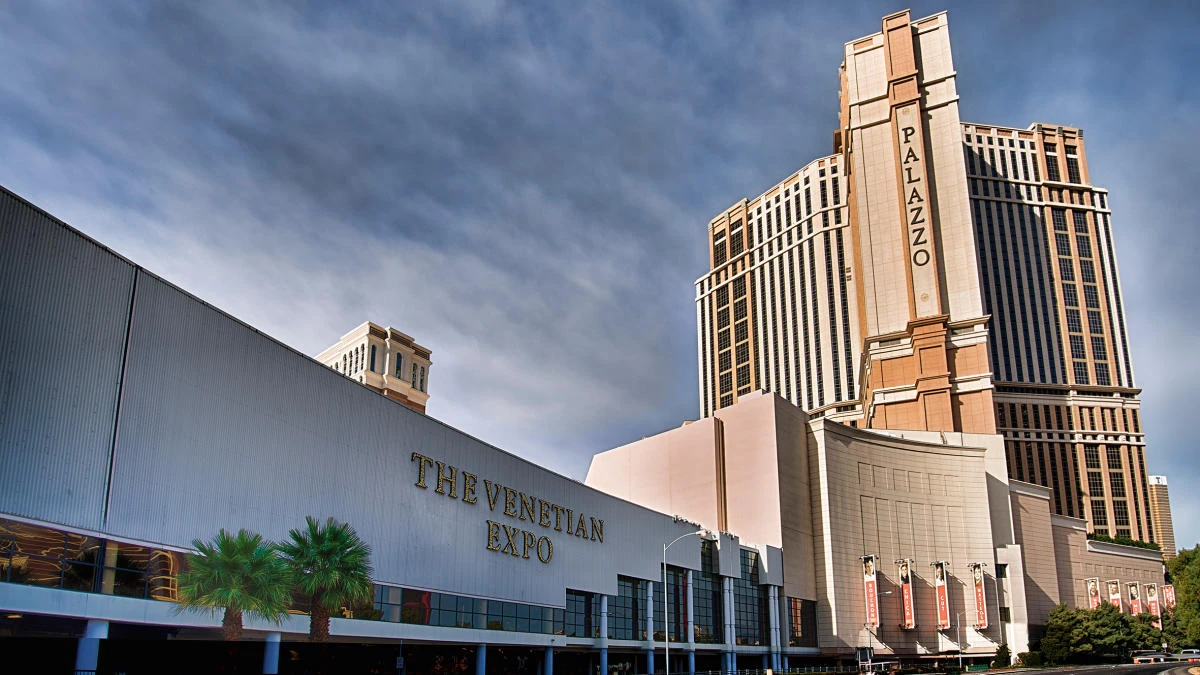
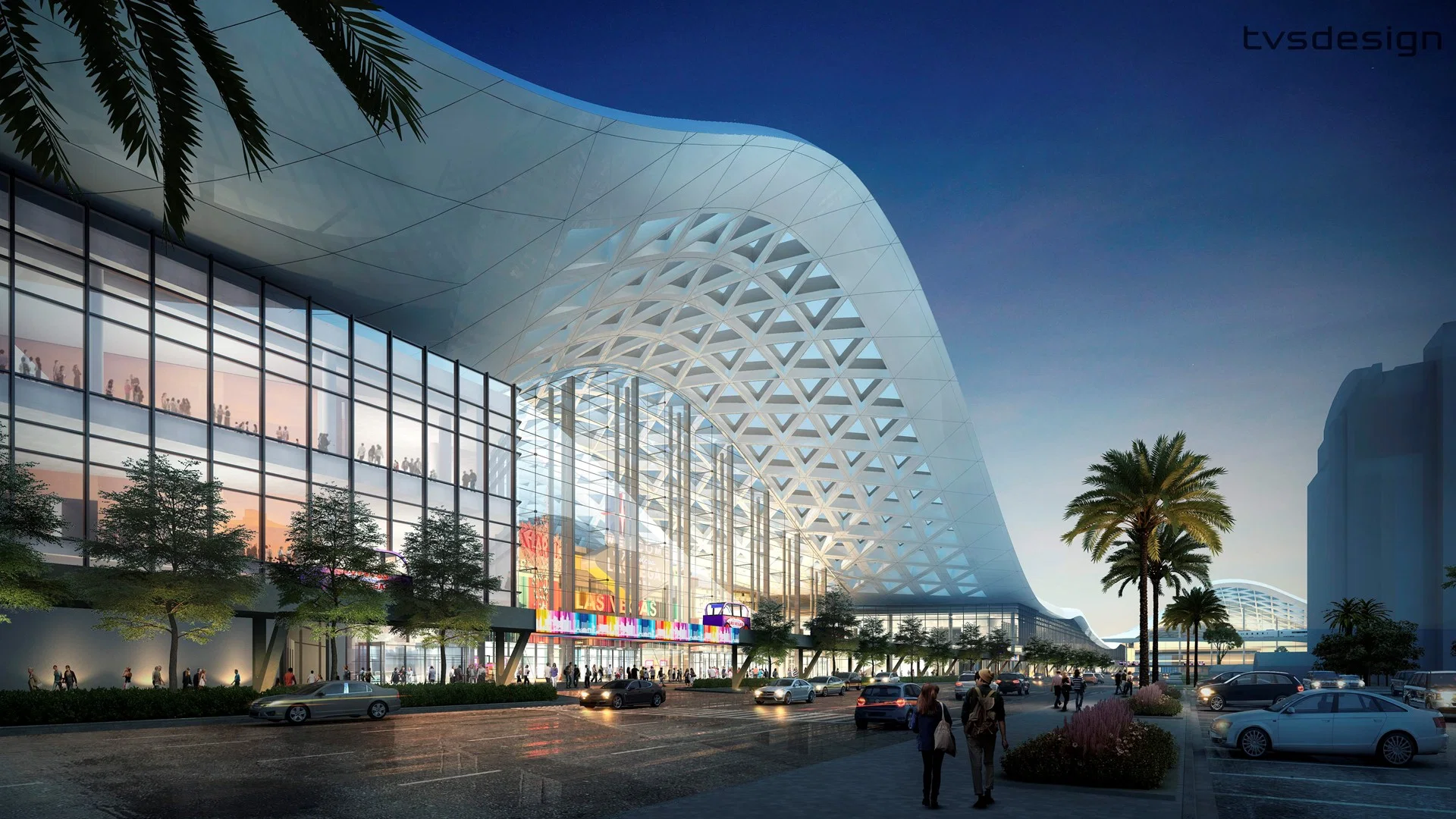
East of the Strip in Las Vegas constitutes a dedicated convention corridor led by facilities that consistently host high-profile trade shows, industry conferences, and large corporate meetings. The Las Vegas Convention Center serves as the central pillar with its vast exhibition halls engineered for maximum flexibility and heavy attendee capacity. Nearby, the Venetian Expo contributes additional square footage optimized for concurrent programming, allowing exhibitors to participate in events that often cross-pollinate between these interconnected spaces. Further contributions come from dedicated conference centers at Westgate Las Vegas Resort & Casino and Virgin Hotels Las Vegas, which frequently accommodate mid-sized association gatherings and specialized corporate functions that complement the larger shows.
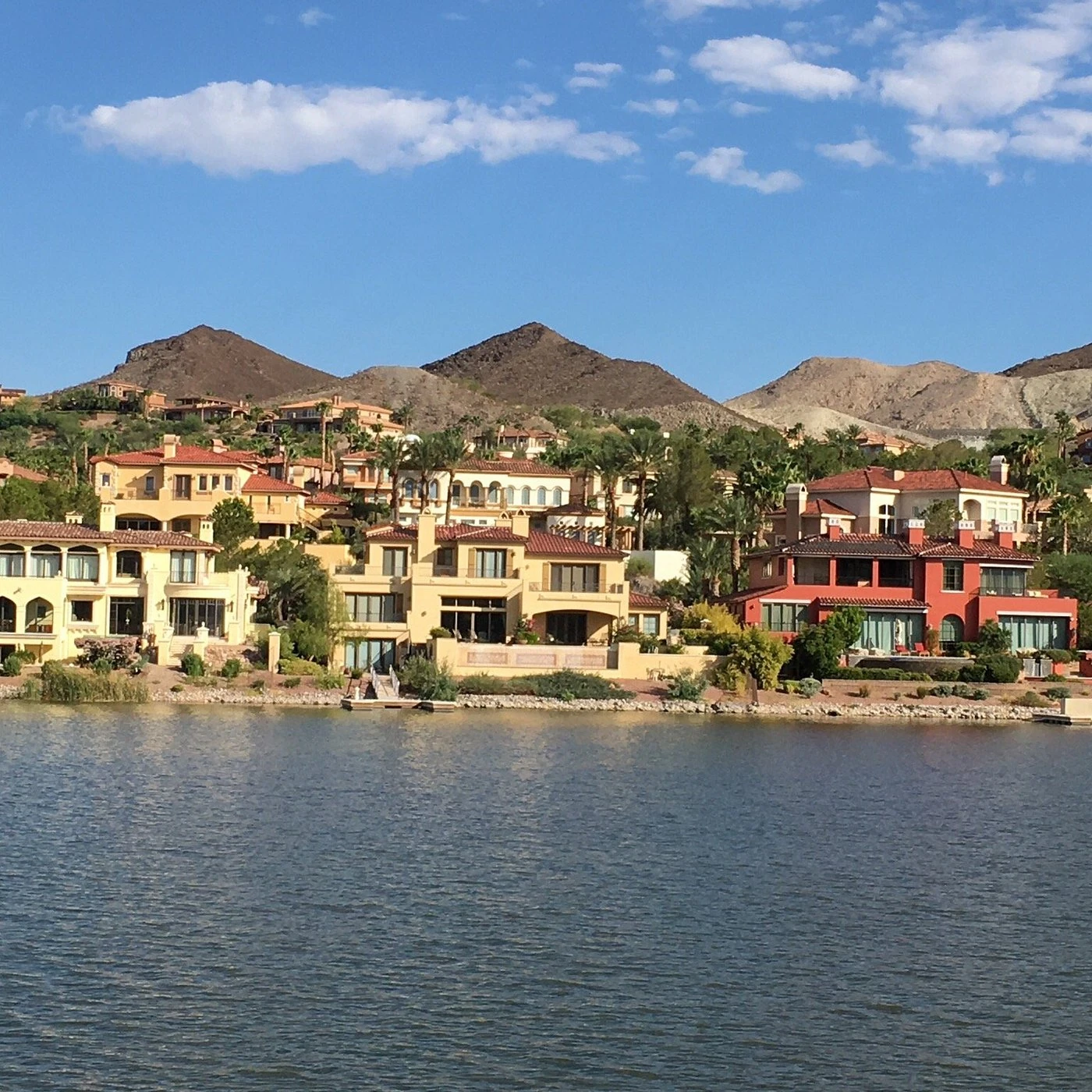
The eastern corridor extends its reach toward Henderson with properties such as Green Valley Ranch Resort & Spa and Hilton Lake Las Vegas Resort & Spa. These venues introduce a resort-oriented dimension to the market, hosting events that prioritize executive meetings, incentive programs, and sector-specific conferences in settings that balance professional focus with accessible amenities. This diversity across the East of Strip allows planners to match exhibit strategies to specific event scales and audience intents, whether targeting the high-volume traffic of the convention center or the more focused interactions possible at resort-based conferences.
Understanding the interconnections within this district enables more sophisticated planning. Attendees often move between the primary convention facilities and supporting resorts, creating opportunities for coordinated brand presence that reinforces messaging across multiple touchpoints during a single trip. Planning resources emphasize early mapping of these relationships to ensure exhibit elements, staffing, and follow-up mechanisms align with the natural rhythms of the East of Strip market.
Logistical Coordination Tailored to East of Strip Operations
Each major venue east of the Strip maintains distinct operational parameters that influence every stage of exhibit coordination. Freight docks, staging areas, and rigging requirements vary significantly between the Las Vegas Convention Center's expansive infrastructure and the more boutique configurations found at properties like Alexis Park All Suite Resort or Virgin Hotels Las Vegas. Advance review of these specifications prevents misalignment during move-in periods, particularly when multiple events overlap across the corridor and place pressure on shared resources.
Timing remains a critical variable in East of Strip planning. The concentration of venues creates both opportunity and complexity as shows frequently run on staggered schedules that allow for efficient multi-venue participation. Coordination involves precise scheduling for installation, peak show days, and dismantling that respects both individual venue rules and the broader flow of labor and materials through the district. This layered approach helps maintain program integrity while controlling costs associated with extended storage or rushed transitions.
Effective planning also accounts for transportation links that connect East of Strip venues to the wider Las Vegas area. Direct access from the airport and major arteries reduces transit time for exhibit materials and personnel, yet requires contingency planning for peak traffic periods associated with concurrent citywide events. By treating logistics as an integrated system rather than Venue by Venue tasks, coordinators achieve smoother execution and more predictable outcomes across the eastern districts.
Audience Engagement Strategies for Eastern Las Vegas Events
Events hosted east of the Strip attract targeted professional audiences whose expectations shape successful exhibit design. Trade shows at the Las Vegas Convention Center often draw thousands of qualified prospects focused on industry solutions, while conferences at Green Valley Ranch Resort & Spa or Hilton Lake Las Vegas tend toward more intimate, relationship-driven interactions. Planning resources recommend calibrating exhibit experiences to these differing densities and intents, whether through large-scale demonstrations at major halls or consultative environments at resort properties.
Technology integration has become central to engagement in this market. Venues across the East of Strip increasingly support high-bandwidth connectivity and digital infrastructure that enable interactive displays, real-time data capture, and smooth hybrid experiences. Incorporating these capabilities allows exhibitors to extend their reach beyond physical booths while maintaining compliance with each facility's technical guidelines. The result is higher quality lead generation that aligns with the sophisticated expectations of East of Strip attendees.
Post-event follow-up gains particular importance in a district where many participants attend multiple related functions during their stay. Systems designed to capture and nurture interactions across the Venetian Expo, convention center, and Henderson-area venues help convert initial interest into measurable business outcomes. This longitudinal approach distinguishes strategic coordination from transactional exhibit placement.
Comparative Positioning Within Greater Las Vegas Markets
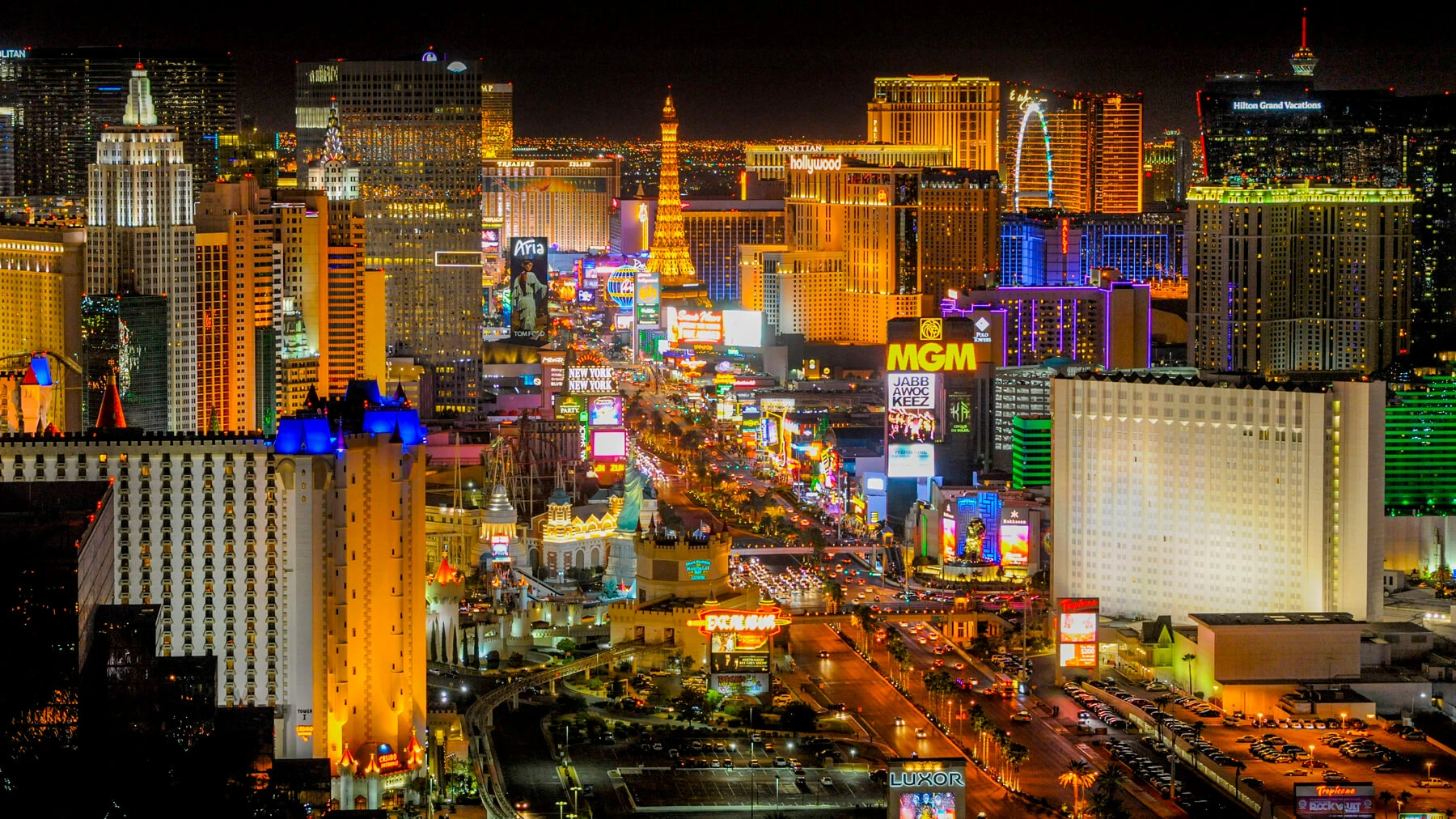
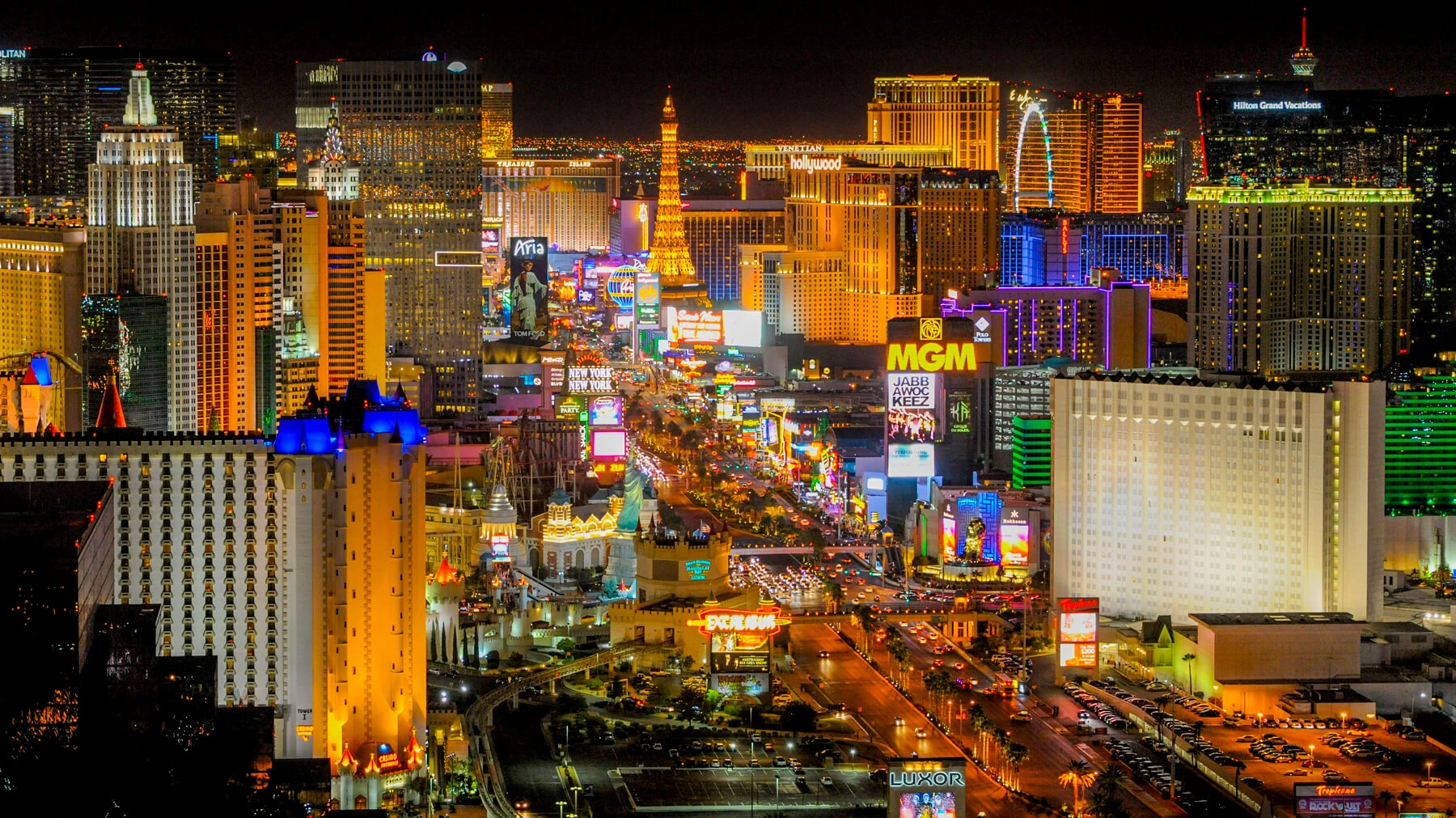
East of Strip Las Vegas offers distinct advantages when compared to central Strip activations or western districts such as Summerlin. While the Strip emphasizes high-visibility consumer-facing events, the eastern corridor prioritizes Business to Business conventions with purpose-built facilities that minimize distractions and maximize productive engagement time. This environment typically yields deeper conversations and higher conversion potential for exhibitors whose objectives center on qualified prospects rather than general foot traffic.
The Convention Center District and adjacent areas provide more flexible square footage options and specialized support infrastructure than many competing locations. Planners can scale exhibits from compact presentations at Virgin Hotels Las Vegas to island configurations at the Las Vegas Convention Center without changing core design languages. This flexibility proves especially valuable for organizations participating in varied event types throughout the year within the same geographic cluster.
Extending further east toward Green Valley and Lake Las Vegas introduces resort-centric environments that support hybrid business and relationship-building programming. These properties often host events with longer dwell times and more relaxed atmospheres, allowing for exhibit experiences that incorporate hospitality elements and extended demonstrations. Understanding these gradations across the eastern market enables more nuanced planning that matches specific show objectives to the most suitable district characteristics.
Program Scaling and Modular Exhibit Approaches
The range of event sizes across East of Strip venues demands exhibit solutions capable of efficient scaling. A modular system that transitions smoothly from a 10x20 footprint at a boutique conference at Alexis Park to a 40x60 island at the Venetian Expo delivers both cost efficiency and brand consistency. Planning emphasizes designs engineered around common venue increments while preserving visual impact and functional requirements at each scale.
Material selection and construction methods should account for the frequency of installation and dismantling common in this market. Venues east of the Strip often operate on tight turnaround schedules between major events, rewarding systems that assemble quickly, withstand heavy use, and break down without damage. This operational reality influences decisions from graphics application to structural components, ensuring long-term durability across repeated cycles in the Las Vegas convention calendar.
Storage and refurbishment considerations also factor into successful long-term programs. While avoiding unsubstantiated claims about local facilities, strategic planning includes contingency options for maintenance between shows at eastern venues. Regular evaluation of performance metrics specific to East of Strip events allows continuous refinement of both exhibit assets and coordination protocols.
Peak Season Preparation and Risk Mitigation
Las Vegas experiences pronounced peaks in convention activity that concentrate heavily on East of Strip facilities, particularly around the Las Vegas Convention Center and Venetian Expo. Preparation involves advance alignment with known calendar patterns to secure appropriate exhibit space, labor windows, and ancillary services. Planning resources stress the development of flexible protocols that accommodate both expected surges and unexpected schedule shifts common in this dynamic market.
Risk mitigation includes detailed contingency planning for transportation delays, supply chain variables, and venue-specific restrictions that may tighten during major overlapping events. By mapping these factors against the primary demand drivers documented across Las Vegas convention properties, coordinators create more resilient programs capable of maintaining quality even under compressed timelines. This preparation distinguishes professional exhibit management from reactive approaches.
Documentation and compliance tracking across multiple East of Strip venues further reduces operational friction. Each facility maintains its own set of guidelines regarding materials, electrical loads, and safety standards. Centralized planning systems that organize these requirements by property help ensure smooth execution while protecting the substantial investment represented by major trade show participation.
Measuring Success and Refining East of Strip Strategies
Effective coordination concludes with rigorous evaluation tailored to the specific outcomes possible in East of Strip environments. Metrics should reflect the professional focus of events at the Las Vegas Convention Center, Venetian Expo, and Henderson-area resorts rather than generic foot traffic counts. Lead quality, engagement depth, and post-show pipeline development provide more meaningful indicators of program effectiveness in this market.
Data collected across multiple venues in the eastern corridor often reveals patterns that inform future planning. For instance, certain exhibit configurations may perform differently at resort-based conferences versus large hall environments, allowing iterative improvements in design and staffing. This evidence-based refinement cycle helps organizations maximize returns on their Las Vegas exhibit investments over successive years.
Long-term success in East of Strip Las Vegas stems from treating each event as part of an evolving regional strategy rather than isolated activations. By maintaining consistency in brand presentation while adapting to the nuances of individual venues, exhibitors build recognition and trust within the professional communities that regularly convene in these districts.
Frequently asked questions
What defines the East of Strip Las Vegas convention district?
The East of Strip district includes areas such as segments of Paradise, Winchester, and the corridor extending toward Henderson. It encompasses major facilities including the Las Vegas Convention Center, Venetian Expo, Westgate Las Vegas Resort & Casino, Virgin Hotels Las Vegas, and properties like Green Valley Ranch Resort & Spa.
Which major venues drive demand for exhibits east of the Strip?
Primary venues include the Las Vegas Convention Center, the Venetian Expo, Westgate Las Vegas Resort & Casino, Virgin Hotels Las Vegas, Alexis Park All Suite Resort, Green Valley Ranch Resort & Spa, and Hilton Lake Las Vegas Resort & Spa. These facilities host a mix of large trade shows, association conferences, and corporate events.
How does exhibit planning differ for East of Strip versus central Strip events?
East of Strip events typically emphasize business-focused conventions with purpose-built infrastructure, leading to higher quality professional interactions. Planning prioritizes technical compliance with convention center specifications and multi-venue coordination rather than high-volume pedestrian traffic common on the central Strip.
What logistical factors are most important for East of Strip success?
Key factors include alignment with individual venue freight and rigging requirements, timing coordination across staggered event calendars, and management of transportation links from the airport and other districts. Early planning for peak season overlaps helps maintain schedule integrity.
How should exhibitors approach scaling programs across East of Strip venues?
Modular, adaptable exhibit systems allow efficient transitions between the expansive halls of the Las Vegas Convention Center and smaller configurations at resort properties such as Green Valley Ranch or Virgin Hotels. Designs should maintain brand consistency while accommodating the specific dimensional and technical needs of each facility.
What metrics best evaluate exhibit performance in this district?
Focus on lead quality, engagement depth, and post-event pipeline development rather than raw traffic counts. Data should be segmented by venue type to identify patterns between large convention center shows and more targeted resort-based conferences.
Top venues
See all venues