Las Vegas Markets
North Las Vegas NV Trade Show Exhibit Planning and Coordination
Position your exhibition strategy to leverage North Las Vegas as a strategic satellite hub within the expansive Las Vegas convention ecosystem, with precise coordination that aligns with major venue demands and northern market nuances.
Positioning North Las Vegas in the Regional Exhibition Ecosystem
Within the Las Vegas market, North Las Vegas functions as a secondary priority location that enhances the overall service area by connecting residential, commercial, and industrial zones to the primary convention destinations. The established rationale for locations underscores how the metropolitan region sustains activity across the Strip, convention corridor, Henderson, Summerlin, and neighboring satellite communities including North Las Vegas. This interconnected structure means exhibit coordination must account for varied travel distances and time considerations when professionals from the north attend events at central venues.
Planning resources highlight the value of treating North Las Vegas as a complementary market segment rather than a standalone destination. Exhibitors benefit from strategies that acknowledge the distinct economic drivers in northern areas, which often include sectors aligned with aviation, advanced manufacturing, and regional services. When developing campaigns, coordination involves mapping these characteristics against the event profiles at major facilities to ensure booth messaging and interactive elements address relevant pain points and opportunities for this audience subset.
Nuance emerges in the operational details of cross-district participation. Unlike more centrally located districts such as Paradise or the Convention Center District, North Las Vegas requires additional foresight regarding peak traffic periods along primary arteries leading south. Authoritative planning emphasizes building buffers into schedules and prioritizing modular designs that facilitate efficient transport and reconfiguration should an exhibit rotate between multiple events in a single campaign.
Accessing Major Venues from the North Las Vegas Perspective
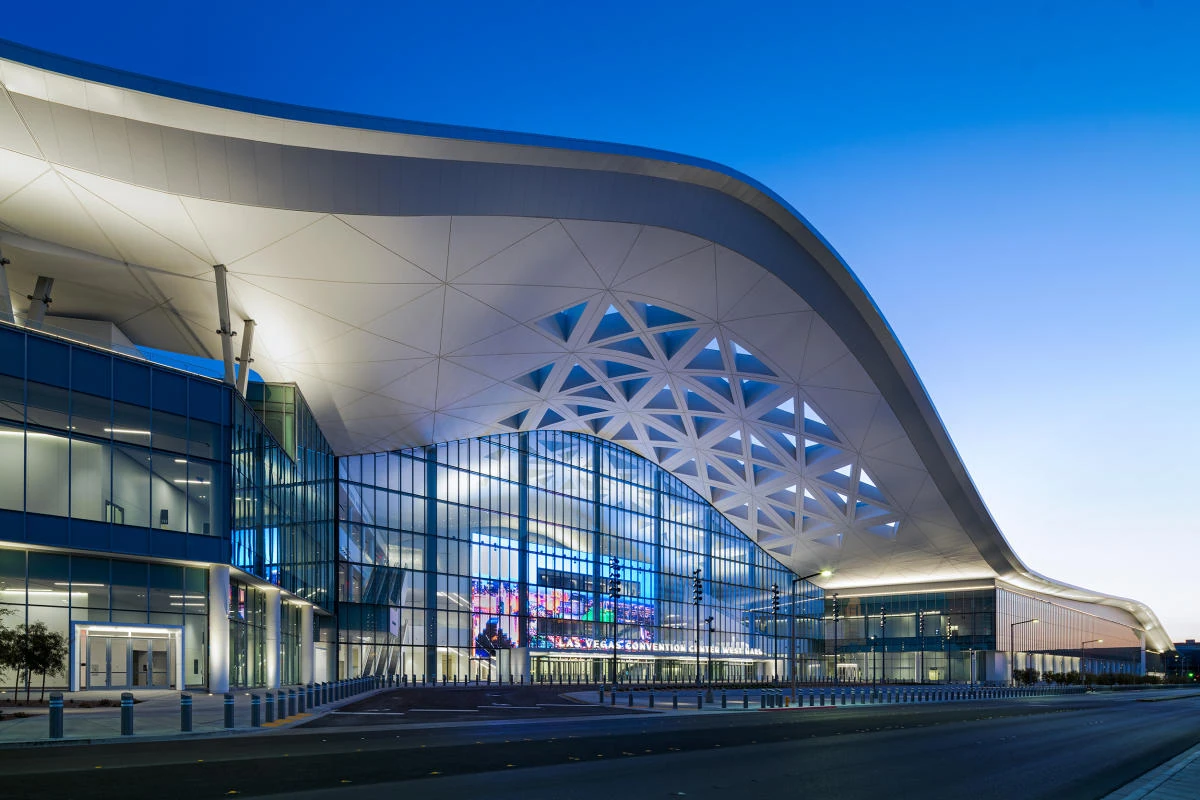
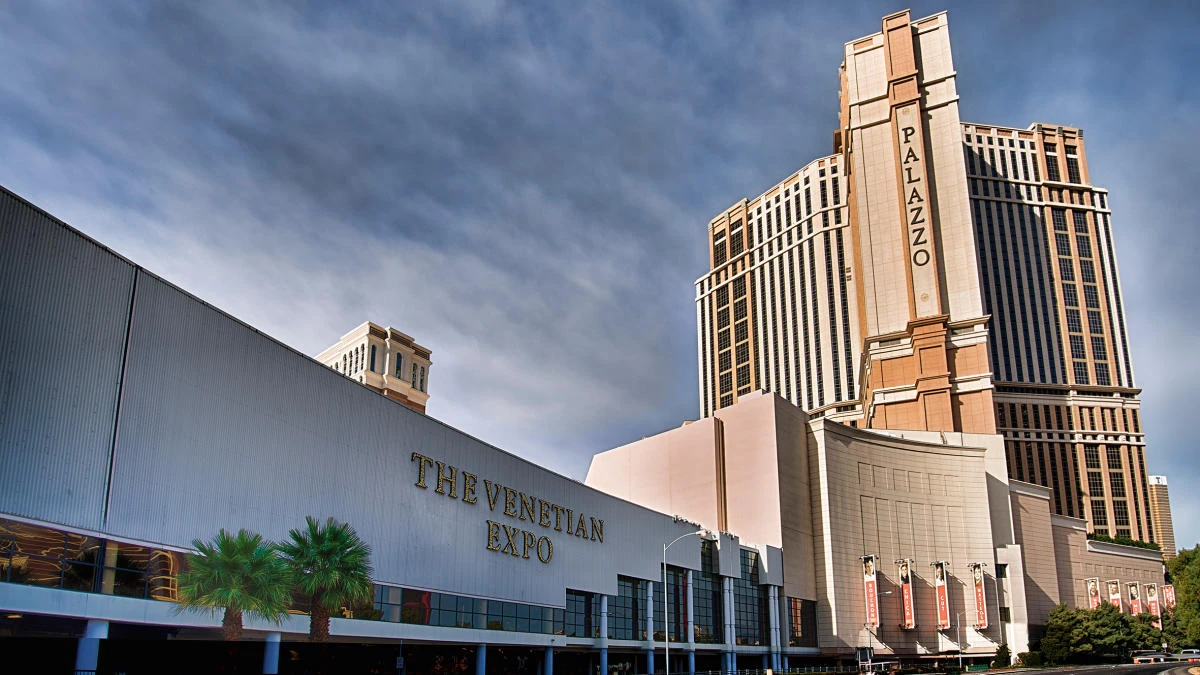
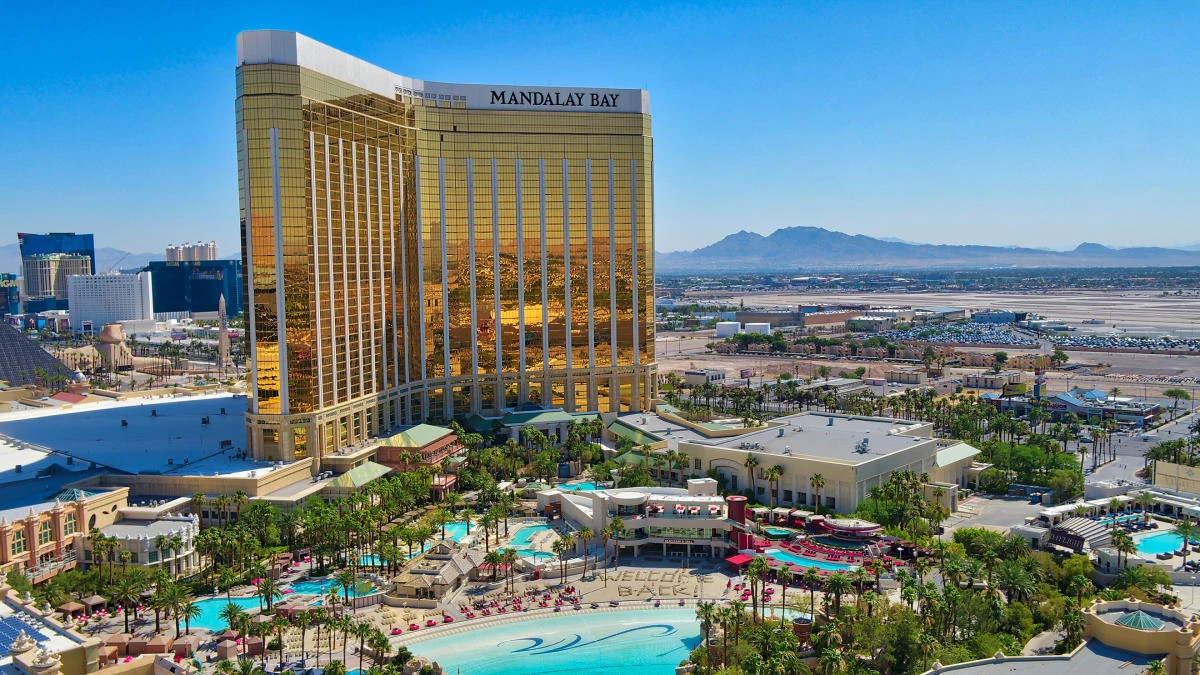
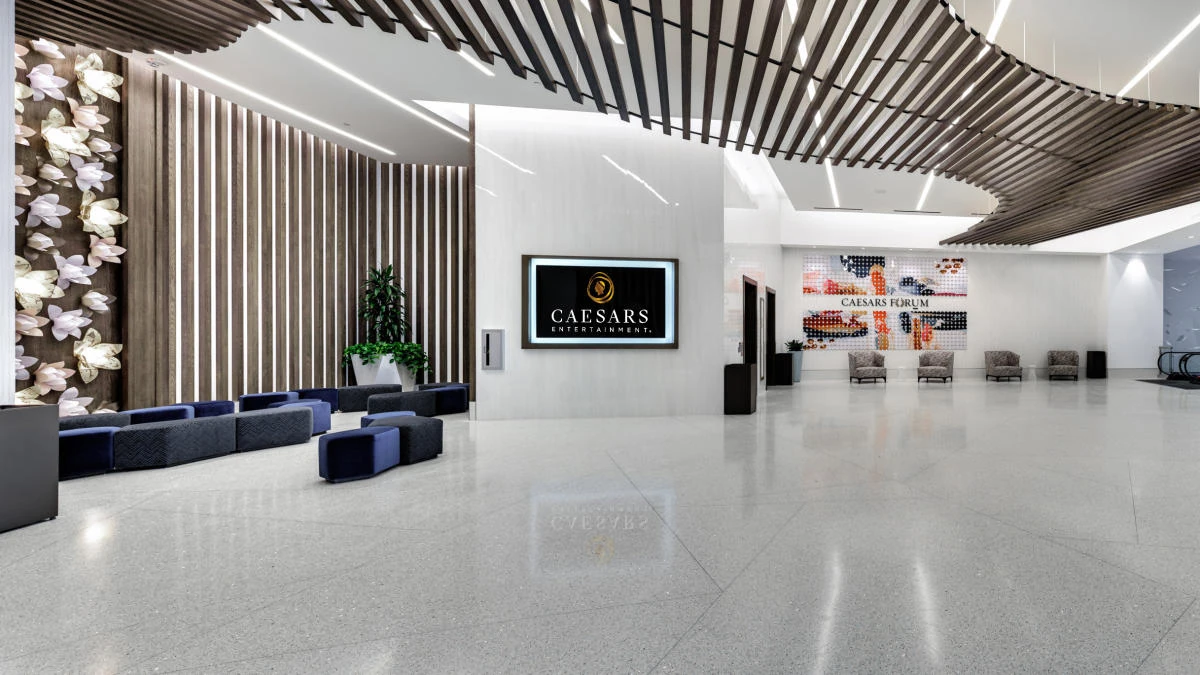
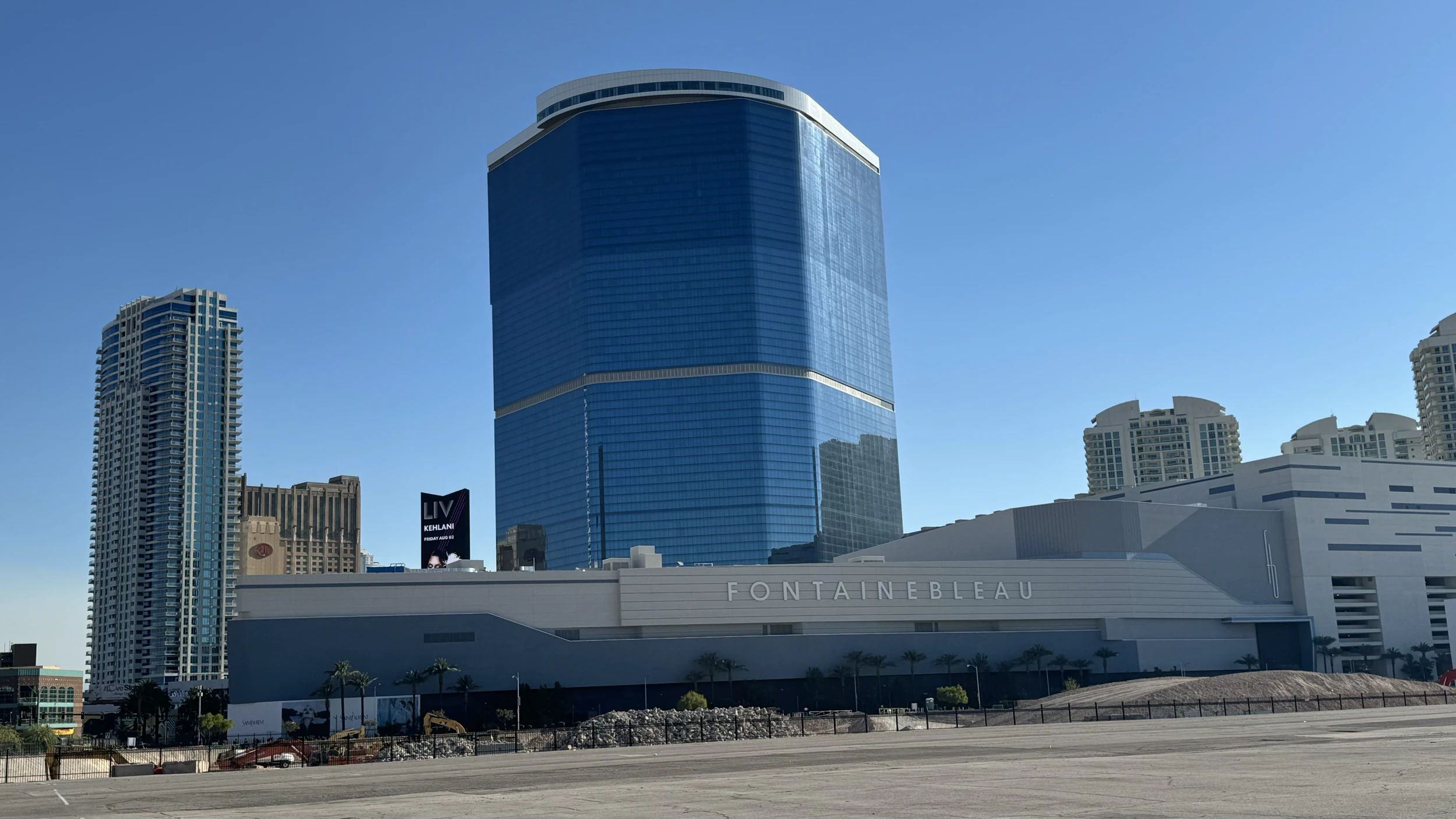
Key demand drivers for the Las Vegas market originate from premier facilities including the Las Vegas Convention Center, the Venetian Expo, Mandalay Bay Convention Center, Caesars Forum Conference Center, and Fontainebleau Las Vegas. For North Las Vegas-based planning, these venues represent primary targets due to their scale and the frequency of national and international events that attract cross-valley attendance. Fontainebleau Las Vegas, positioned toward the northern extent of the Strip, offers comparatively streamlined access that can be leveraged in coordination plans emphasizing reduced transit times and earlier setup windows.
Additional venues such as Westgate Las Vegas Resort & Casino, Alexis Park All Suite Resort, Virgin Hotels Las Vegas, Green Valley Ranch Resort & Spa, and Hilton Lake Las Vegas Resort & Spa expand the ecosystem further, each presenting unique spatial requirements and audience compositions. Coordination from North Las Vegas necessitates detailed review of floor plans, move-in protocols, and technical specifications published by these locations. Planning documentation should sequence preparations according to venue proximity, with northern Strip and convention center events typically prioritized in initial timelines before addressing southern destinations.
District-level differentiation appears in attendee behavior patterns. Professionals traveling from North Las Vegas may allocate different portions of their event day compared to those staying within walking distance of the Strip. Effective exhibit coordination incorporates this reality by designing for shorter, high-impact interactions or by incorporating digital follow-up mechanisms that extend engagement beyond the physical booth presence. Sources from vegasmeansbusiness.com provide foundational data on these venues that informs precise planning without reliance on speculative operational claims.
The Venetian Expo and Las Vegas Convention Center remain cornerstone destinations whose calendars drive much of the regional activity. When coordinating for North Las Vegas participants, emphasis falls on synchronizing exhibit elements with multi-day show schedules, ensuring materials and graphics maintain coherence across potentially consecutive events at these neighboring but distinct facilities.
Custom Exhibit Design Strategies for Northern District Audiences
Exhibit design for North Las Vegas coordination requires balancing universal Las Vegas production standards with targeted adaptations that reflect the practical, results-oriented perspectives common among northern professionals. Rather than generic approaches, planning focuses on structural integrity, clear sight lines, and technology integration that supports efficient demonstrations within the time constraints faced by attendees traveling from satellite districts.
Operational details include selecting modular systems that accommodate the varied booth sizes available at venues ranging from the expansive Las Vegas Convention Center to more intimate settings at properties like Alexis Park or Virgin Hotels. Coordination resources stress the importance of graphics that communicate quickly and effectively, using data visualizations and industry-specific case references that resonate with audiences connected to northern economic activities. This differentiation avoids the flash sometimes prioritized for central Strip events in favor of substantive, information-dense presentations.
Further nuance involves color palettes, messaging hierarchy, and interactive elements calibrated to the lighting and spatial dynamics typical of the venues most frequented by North Las Vegas participants. Planning includes contingency pathways for last-minute adjustments based on final venue assignments, ensuring the exhibit remains effective whether deployed at the Venetian Expo or a secondary conference at Green Valley Ranch. The process treats design as an integrated component of broader campaign coordination rather than an isolated creative exercise.
Developing Precise Timelines for North Las Vegas Exhibition Coordination
Successful outcomes in the North Las Vegas sector depend on timelines that begin significantly earlier than those for centrally located campaigns. Planning commences with venue selection and registration at primary drivers such as the Las Vegas Convention Center and Venetian Expo, followed by progressive milestones for design approval, material fabrication, and transport sequencing. Satellite location coordination adds layers of logistics review to account for staging points and optimal routing that minimizes variables on move-in days.
Detailed operational planning incorporates buffer periods for potential delays along northern access routes, particularly during peak convention seasons when multiple events overlap. Coordination frameworks reference established schedules at listed venues to create comprehensive calendars that encompass pre-show marketing to northern audiences, on-site execution protocols, and post-event debriefing that captures insights specific to this district. This methodical approach prevents compression of critical phases that could compromise quality at any of the interconnected Las Vegas facilities.
Advanced coordination also addresses the potential for an exhibit to serve dual purposes across both northern-oriented smaller gatherings and major expositions. Timeline construction therefore includes modular checkpoints where components can be evaluated and refined between deployments. By maintaining this level of granularity, planners ensure that North Las Vegas remains a strength within the wider market strategy rather than a complicating factor.
Sources detailing venue specifications from vegasmeansbusiness.com serve as foundational references for building these timelines, allowing coordination to remain grounded in verified event parameters and facility requirements across the board.
Audience Engagement and Industry Alignment in North Las Vegas
The professional demographics traveling from North Las Vegas to major Las Vegas events often represent specialized verticals that reward targeted engagement tactics. Coordination involves segmenting these audiences according to their likely presence at specific venues, from large-scale technology showcases at the Las Vegas Convention Center to more focused hospitality or corporate gatherings at Fontainebleau or Green Valley Ranch. Messaging and demonstration scripts receive refinement to address the operational realities and decision-making cycles characteristic of northern participants.
Planning resources provide frameworks for developing booth experiences that facilitate substantive conversations rather than purely transactional exchanges. This might include dedicated areas for technical discussions, digital libraries of supporting materials, or scheduling mechanisms that allow attendees to book follow-up sessions aligned with their travel plans back to North Las Vegas. Such details differentiate coordination for this district from approaches used in high-volume tourist-adjacent zones along the central Strip.
Industry alignment further requires monitoring which sectors demonstrate strongest representation at each listed venue. Cross-referencing this data with known economic drivers in North Las Vegas enables more accurate forecasting of attendance and more relevant exhibit investments. The resulting strategies contribute to higher conversion metrics by ensuring every element supports the specific value propositions most likely to resonate with this audience segment.
Budget Optimization and Performance Measurement Frameworks
Financial coordination for North Las Vegas exhibition activity extends beyond basic booth costs to encompass the full spectrum of planning, adaptation, and measurement activities required for satellite district success. Budgets allocate resources according to venue priorities, with higher proportions assigned to events at the Venetian Expo or Las Vegas Convention Center where northern attendance concentration tends to peak. Planning includes line items for audience research, timeline management, and analytics tools that isolate district-specific outcomes.
Performance measurement emphasizes metrics tailored to the extended footprint model. Rather than uniform KPIs applied across all Las Vegas locations, coordination for North Las Vegas tracks indicators such as lead quality from northern professionals, engagement duration adjusted for travel considerations, and downstream business development attributable to initial contacts made at central venues. This nuanced reporting enables more accurate ROI calculations that reflect the true contribution of the satellite market.
Optimization cycles incorporate lessons from previous events at the full range of referenced venues, from Fontainebleau Las Vegas to Hilton Lake Las Vegas. By systematically documenting what resonates with North Las Vegas audiences versus other districts, planners refine future allocations of budget and effort. The process treats each campaign as an iterative component within a longer-term regional presence strategy supported by authoritative coordination practices.
Comprehensive tracking frameworks also monitor ancillary costs related to multi-venue sequencing, ensuring that participation from North Las Vegas enhances rather than inflates overall program expenses. This disciplined approach maintains fiscal responsibility while expanding market coverage across the supported service area.
Integrated Planning Resources for Sustained Success Across the Market
Authoritative coordination for North Las Vegas draws upon a structured body of knowledge regarding venue specifications, calendar patterns, and audience behaviors across the entire Las Vegas metropolitan service area. This includes the Las Vegas Convention Center as the primary demand driver alongside complementary facilities that collectively sustain year-round activity. Planning resources synthesize these elements into actionable frameworks that support both one-off events and multi-year exhibition programs.
The extended list of recommended locations, from the Convention Center District through Summerlin, Henderson, and satellite communities, underscores the necessity of holistic strategies. For North Las Vegas specifically, coordination highlights connectivity advantages and demographic opportunities while maintaining consistency with standards established at every venue. This integrated perspective prevents siloed planning and instead creates synergistic campaigns that amplify presence across districts.
Ongoing refinement of these resources incorporates updates from primary sources detailing facility capabilities and market trends. The resulting guidance equips exhibitors to navigate the complexities of satellite location participation with confidence, transforming potential logistical challenges into competitive advantages through superior preparation and executional precision. Ultimately, the planning discipline applied to North Las Vegas strengthens the entire Las Vegas exhibition program.
Frequently asked questions
How does North Las Vegas integrate with overall Las Vegas trade show strategies?
North Las Vegas functions as a secondary priority satellite location that expands the reachable audience for events at primary venues like the Las Vegas Convention Center, Venetian Expo, and Fontainebleau Las Vegas. Coordination integrates its distinct participation patterns into broader metropolitan campaigns without treating it as an isolated market.
Which major venues should take priority when planning from North Las Vegas?
Primary focus falls on the Las Vegas Convention Center, Venetian Expo, Fontainebleau Las Vegas, and Westgate Las Vegas due to relative positioning within the northern corridor. Additional venues including Caesars Forum, Mandalay Bay Convention Center, and Green Valley Ranch expand options depending on specific event objectives and target industries.
What makes exhibit planning different for North Las Vegas compared to the Strip or Convention Center District?
Planning incorporates additional considerations for travel flows from satellite districts, audience profiles formed by northern economic drivers, and timeline buffers aligned with longer commute patterns. Designs and engagement tactics receive calibration to optimize for shorter interaction windows common among North Las Vegas participants.
When should coordination begin for exhibitions involving North Las Vegas audiences?
Initiation 9 to 12 months ahead of major events at flagship venues allows sufficient time for audience research, design iteration, venue-specific alignment, and logistical sequencing. Earlier starts become necessary for multi-venue campaigns spanning both northern and southern Las Vegas facilities.
How can success be measured for North Las Vegas market participation?
Measurement frameworks isolate metrics such as lead quality from northern attendees, engagement depth adjusted for travel considerations, and post-event conversion rates attributable to district-specific outreach. These indicators are tracked alongside overall program performance to evaluate the contribution of satellite location strategies.
What role do sources like vegasmeansbusiness.com play in North Las Vegas planning?
These sources supply verified specifications, capacity details, and market context for key venues including the Las Vegas Convention Center, Venetian Expo, and Fontainebleau. They ground coordination in factual venue data, supporting accurate timeline development and requirement alignment across the extended service area.
Top venues
See all venues