Las Vegas Markets
Southwest Las Vegas NV Trade Show Exhibit Planning and Coordination
Authoritative guidance for coordinating trade show exhibits and events that connect to Southwest Las Vegas as part of the broader Las Vegas convention ecosystem.
Positioning Southwest Las Vegas Within the Las Vegas Convention Footprint
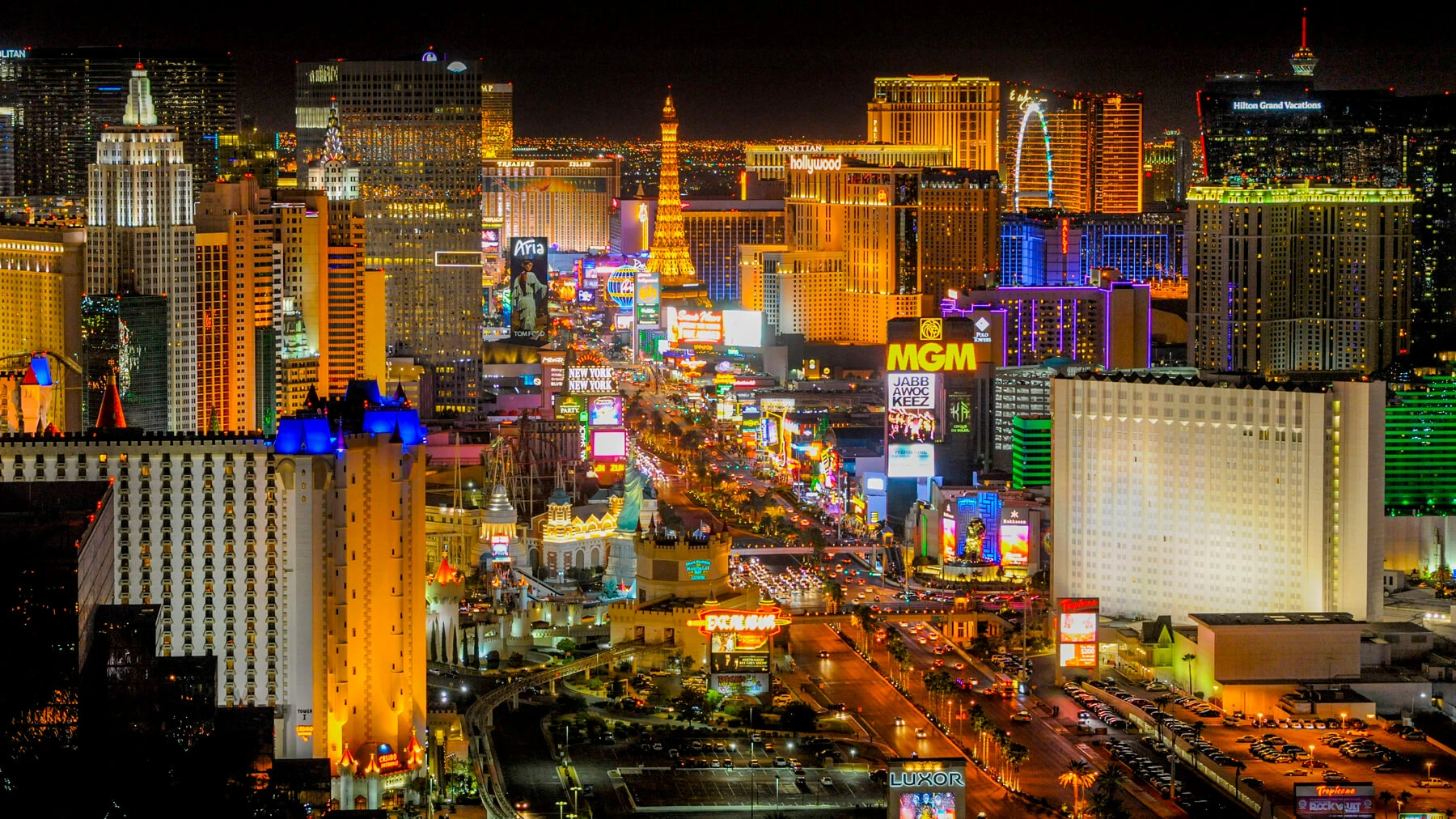
The Las Vegas market sustains an expansive service-area approach that incorporates Southwest Las Vegas alongside the Strip, convention corridor, Henderson, Summerlin, and neighboring satellite locations. This structure supports coordinated exhibit planning that recognizes how events at flagship venues generate activity throughout the region. Planners reference Southwest Las Vegas for its capacity to host preparatory sessions, follow-up appointments, and attendee accommodations that complement the primary convention flow.
District differentiation reveals that Southwest Las Vegas maintains distinct operational characteristics compared to the concentrated energy of the Convention Center District or the hospitality density found in Paradise and Winchester. Its adjacency to areas such as Spring Valley, Enterprise, and Summerlin creates opportunities for targeted outreach that accounts for varied attendee travel patterns. Coordination resources therefore prioritize mapping these relationships to ensure exhibit strategies remain responsive to the full geographic spread of participants.
By focusing on the established connections between Southwest Las Vegas and the surrounding recommended locations, including Summerlin South, Summerlin West, West of Strip, and East of Strip, exhibit coordinators develop plans that optimize presence across the market. This approach avoids isolated tactics in favor of integrated frameworks that reflect the rationale for a wide service-area footprint capable of supporting diverse event scales and attendee origins.
Primary Demand Drivers Shaping Exhibit Coordination
A defined set of major venues functions as the primary demand drivers for trade show activity across the Las Vegas region, directly influencing planning for districts including Southwest Las Vegas. These venues generate the volume and frequency of events that require coordinated exhibit approaches capable of addressing both central conventions and distributed participation. The resulting ecosystem demands advance alignment of design, logistics, and timing to match market realities.
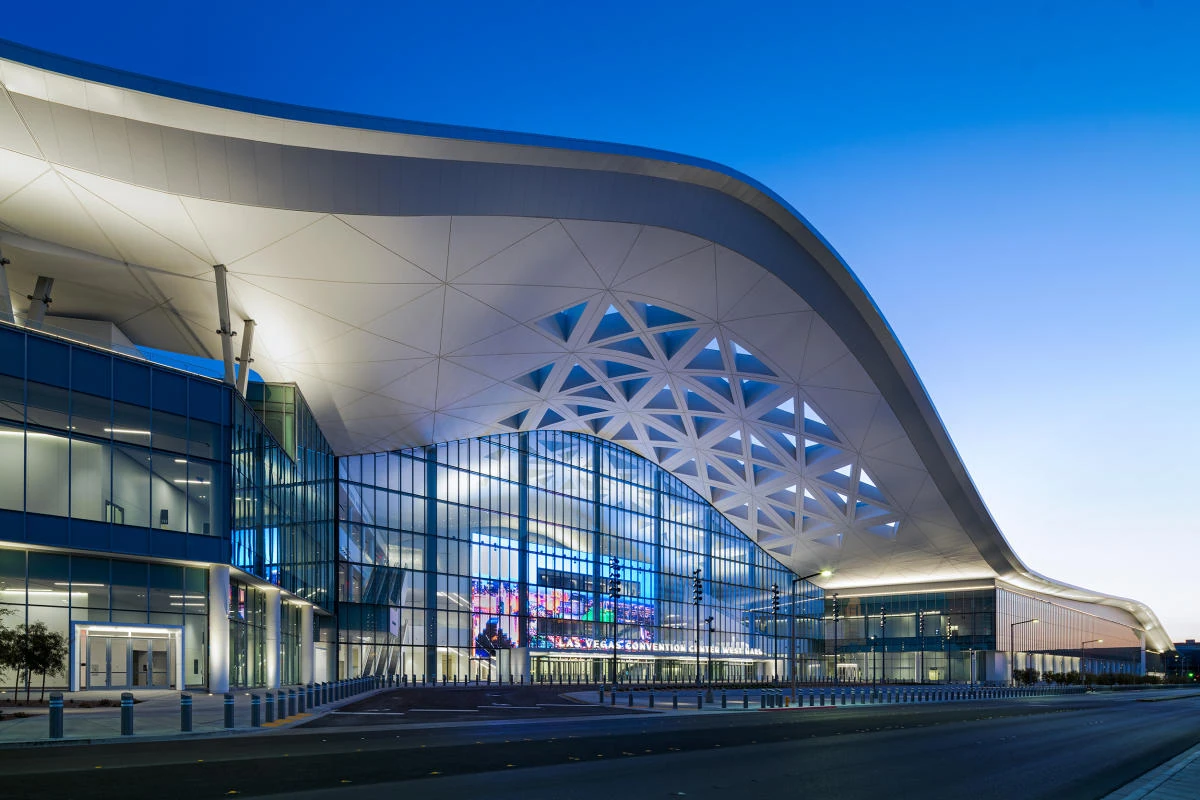
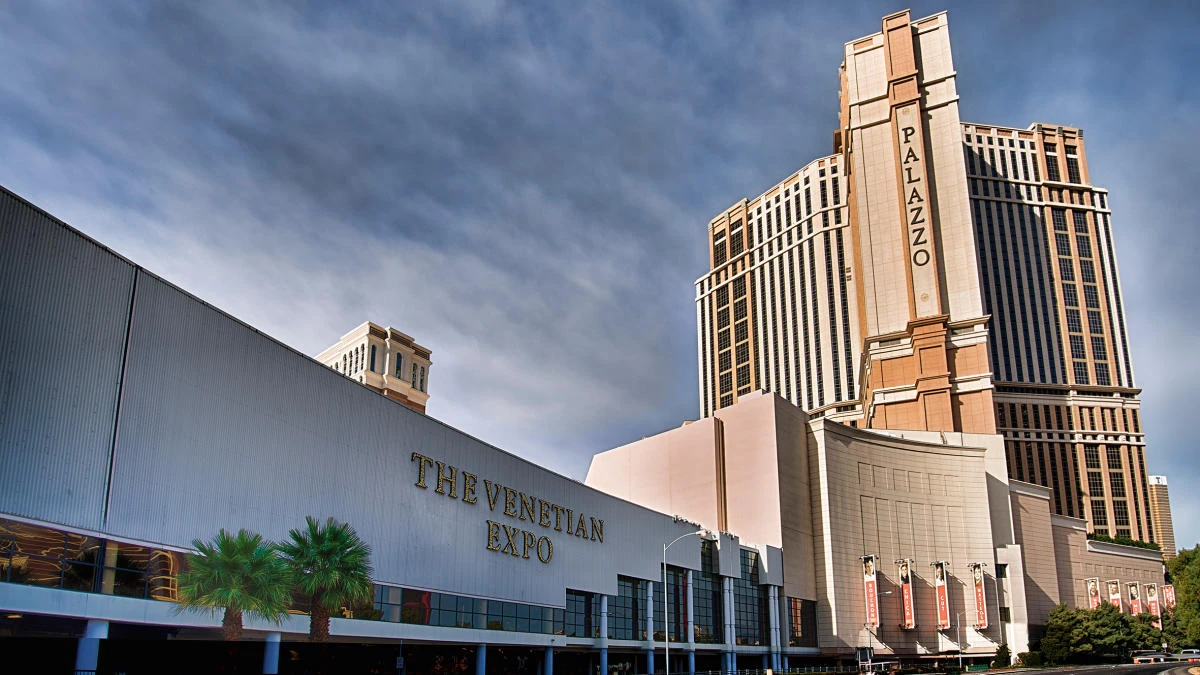
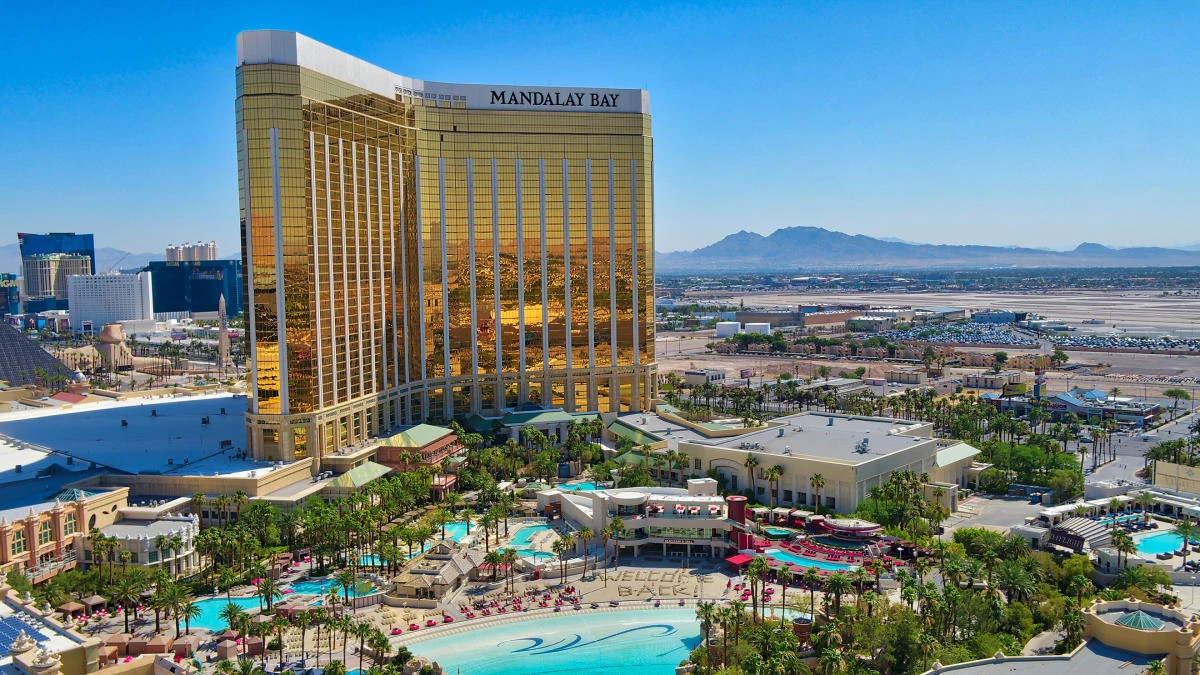
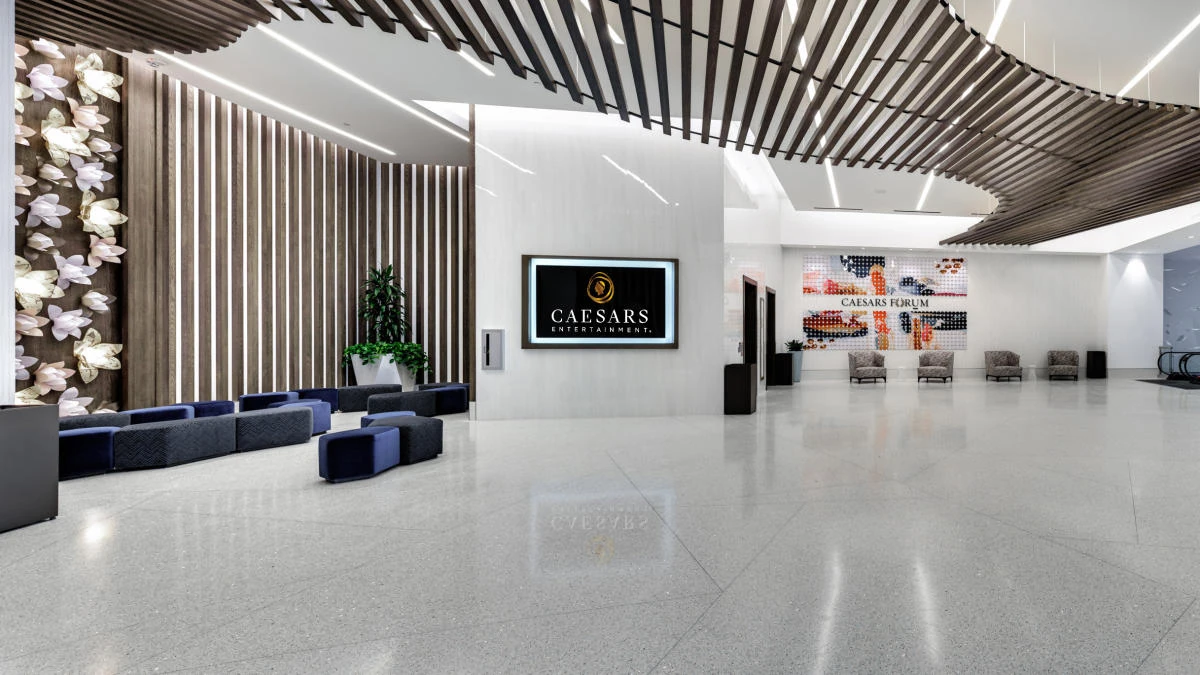
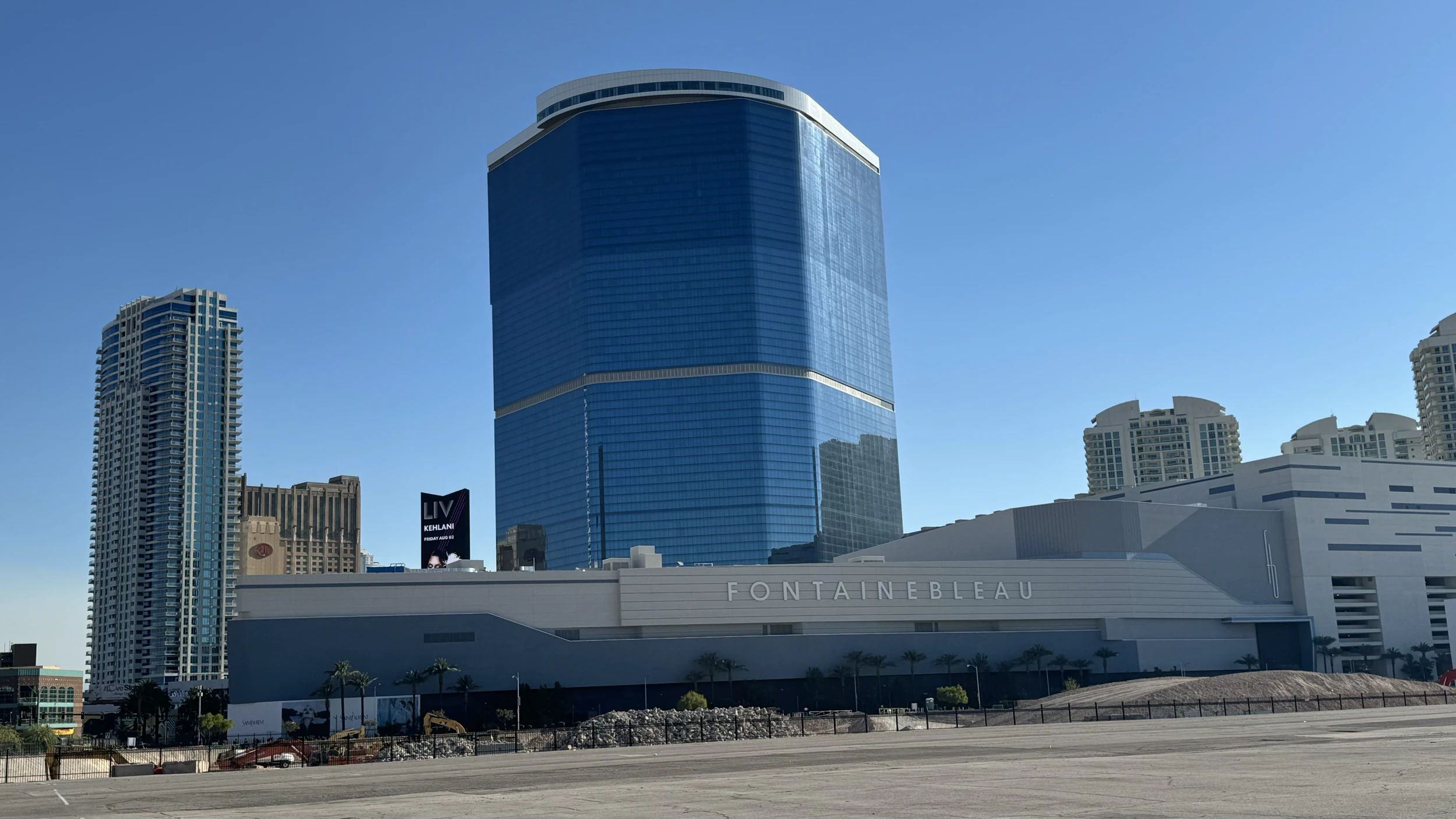
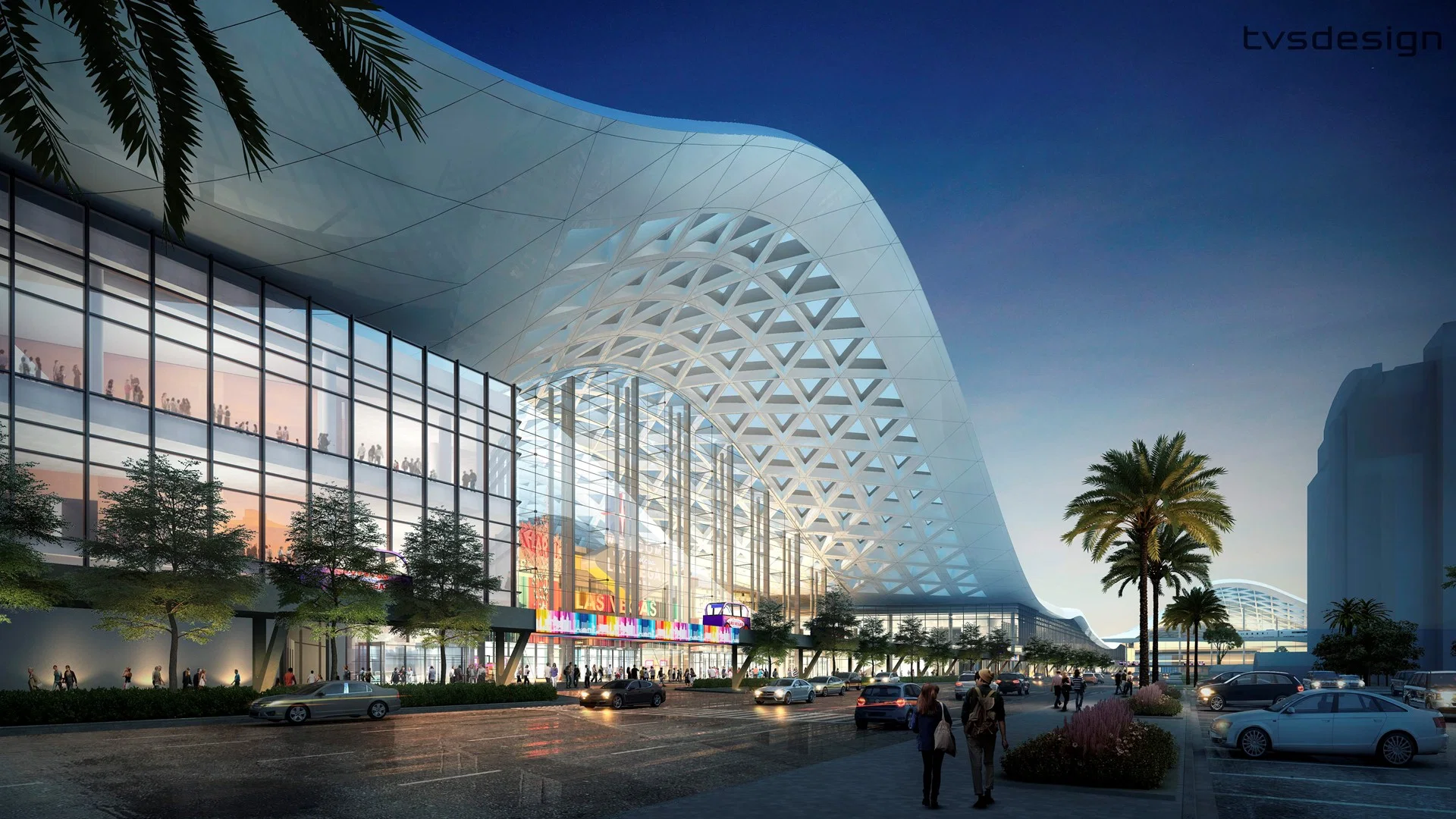
The Las Vegas Convention Center stands as a cornerstone facility, frequently paired in planning with the Venetian Expo and Mandalay Bay Convention Center for large-scale productions. Additional drivers such as Caesars Forum Conference Center, Fontainebleau Las Vegas, and Westgate Las Vegas Resort & Casino expand the calendar with specialized conferences and exhibitions that draw attendees who may utilize Southwest Las Vegas for lodging or secondary meetings. This distribution requires planners to develop flexible strategies that maintain consistency across venues.
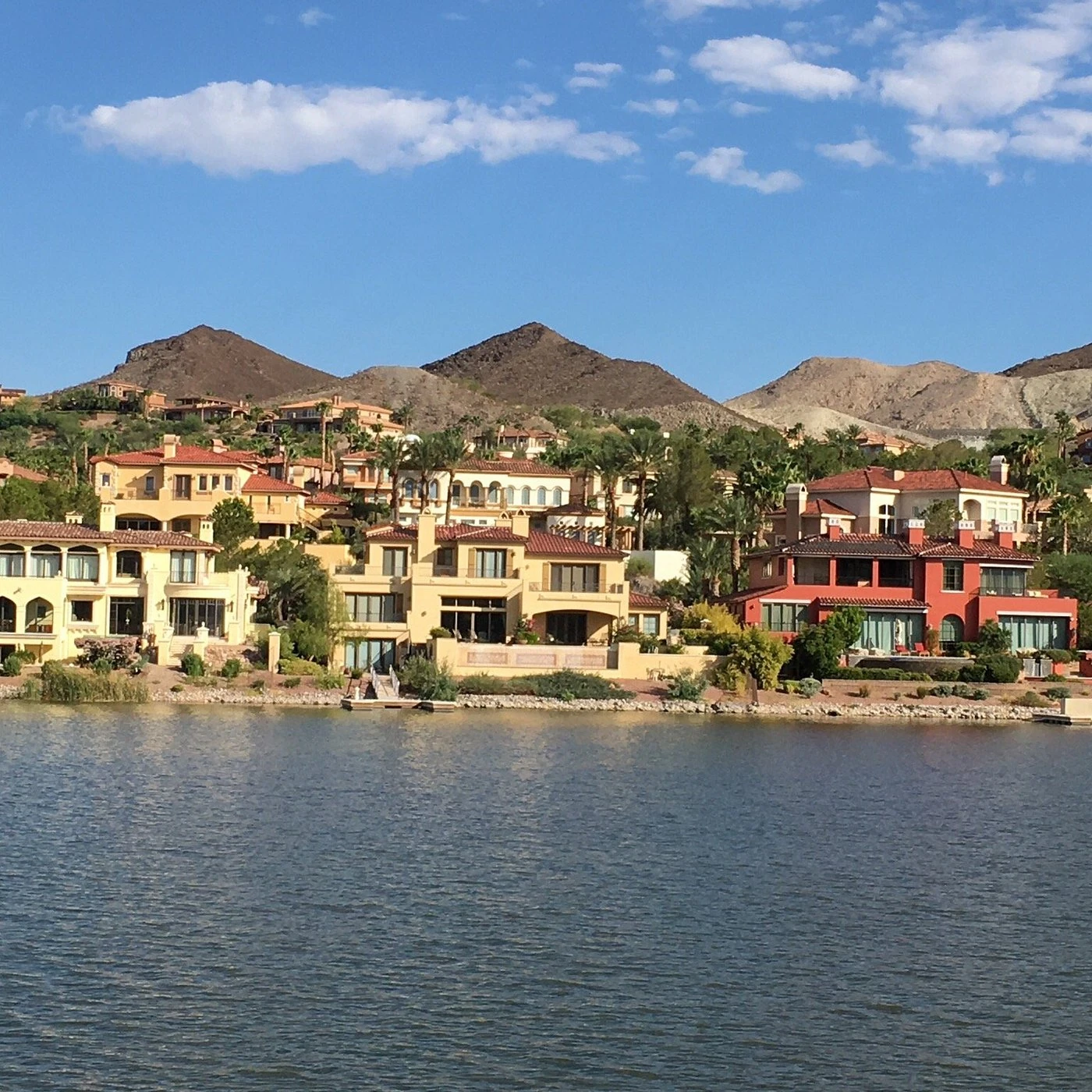
Smaller-scale but strategically important locations including Alexis Park All Suite Resort, Virgin Hotels Las Vegas, Green Valley Ranch Resort & Spa, and Hilton Lake Las Vegas Resort & Spa further contribute to the demand profile. When coordinating for Southwest Las Vegas, these venues inform decisions about audience segmentation, exhibit sizing, and follow-up protocols. The cumulative effect creates a robust calendar that rewards meticulous operational planning at the district level.
Understanding these demand drivers enables the creation of exhibit plans that synchronize with the overall Las Vegas event cadence while acknowledging the specific contributions of Southwest Las Vegas to attendee experience and logistical execution.
District-Level Differentiation and Operational Nuances
Southwest Las Vegas presents operational nuances that distinguish it from neighboring districts such as the Las Vegas Strip, Convention Center District, Paradise NV, and Winchester NV. Where central corridors emphasize high-density exhibit halls and immediate proximity to major venues, Southwest Las Vegas supports a more dispersed pattern of activity that includes corporate meetings, training sessions, and satellite events. This differentiation guides planners toward exhibit solutions that perform effectively across varied settings.
Comparison with Spring Valley, Enterprise, Summerlin, and Summerlin South highlights how Southwest Las Vegas balances residential and commercial elements in ways that affect attendee availability and preferences. Coordination therefore incorporates these factors when determining booth configurations, demonstration schedules, and interaction protocols. The goal remains smooth integration with the wider service-area footprint rather than standalone district execution.
Further distinctions emerge when examining Downtown Las Vegas, the Arts District, North Las Vegas, and Henderson corridors. Each area carries unique traffic flows and event alignments that must be referenced during planning phases. For Southwest Las Vegas specifically, emphasis falls on its linkages to West of Strip Las Vegas, Strip South, and the Henderson Lake Las Vegas Corridor, creating a network that informs comprehensive coordination strategies.
These operational details underscore the importance of treating each district according to its contribution to the overall Las Vegas market rather than applying uniform approaches. The result is more precise resource deployment and improved alignment with actual event dynamics.
Timeline and Scheduling Best Practices
Successful coordination in Southwest Las Vegas depends on timelines that synchronize with the schedules maintained by primary demand drivers throughout the Las Vegas market. Advance planning cycles must account for lead times associated with major venues while incorporating buffers for movement between districts such as Summerlin Meeting District, Inspirada, and Anthem. This layered scheduling prevents conflicts and maximizes presence across the service area.
Typical planning sequences begin with venue-specific date confirmation, followed by audience analysis that factors in Southwest Las Vegas lodging patterns and local transportation options. Subsequent phases address exhibit design approval, material coordination, and on-site protocol development. Each step references the interconnections among recommended locations to maintain operational coherence.
Post-event timelines receive equal attention, with structured follow-up windows calibrated to attendee departure patterns from Southwest Las Vegas and adjacent zones including Boulder City, Primm, and Jean. The extended market footprint requires documentation systems that track interactions across districts for accurate measurement and future refinement.
Adherence to these scheduling principles supports consistent execution while respecting the distinct operational tempo of Southwest Las Vegas relative to Strip North, Strip Central, and other defined sub-markets.
Strategic Exhibit Design and Resource Alignment
Exhibit design for Southwest Las Vegas events prioritizes adaptability to both large convention environments and smaller, district-focused gatherings. Coordination resources emphasize modular approaches that can be configured according to the specific demands of venues driving the Las Vegas market while maintaining brand consistency across the service area. This flexibility accommodates the range of event scales supported by the region.
Resource alignment considers how materials and technologies move through the network of districts including West of Strip Las Vegas, East of Strip Las Vegas, and the Summerlin Meeting District. Planning addresses storage considerations, setup sequences, and dismantling requirements as integrated elements of the broader timeline rather than isolated tasks. The objective is operational efficiency that reflects the market's capacity for sustained activity.
Technology integration follows similar principles, with interactive components selected for their ability to function reliably across multiple district settings. From the Convention Center District to Southwest Las Vegas and onward to Lake Las Vegas or Centennial Hills, designs must deliver engaging experiences without requiring district-specific customization unless justified by audience data.
Budget frameworks receive detailed scrutiny to ensure allocations match the differentiated needs of Southwest Las Vegas within the larger portfolio of Las Vegas locations. This includes contingency planning for variables introduced by the geographic spread of recommended districts and primary demand drivers.
Performance Measurement and Continuous Improvement
Measurement frameworks for Southwest Las Vegas exhibitions incorporate metrics that capture both district-specific outcomes and contributions to the overall Las Vegas market performance. Key indicators track engagement levels, lead quality, and follow-up conversion while accounting for the influence of primary venues and satellite locations. This dual focus ensures that planning remains data-driven across the service-area footprint.
Comparative analysis across districts such as Arts District Las Vegas, Downtown Las Vegas, Whitney, and Sunrise Manor reveals patterns that inform future coordination efforts. Southwest Las Vegas data often highlights strengths in targeted professional networking that complements the high-volume traffic of central convention corridors. Aggregating these insights produces actionable intelligence for subsequent events.
Continuous improvement cycles reference the full list of recommended locations to identify optimization opportunities. Whether adjusting for seasonal variations at Green Valley Ranch or Fontainebleau Las Vegas or refining approaches for the Henderson Lake Las Vegas Corridor, the process maintains alignment with established demand drivers and district characteristics.
The ultimate goal is the development of increasingly refined coordination strategies that leverage the unique position of Southwest Las Vegas within the expansive Las Vegas events ecosystem.
Integrated Coordination Across the Full Service Area
The rationale for a wide service-area footprint in Las Vegas finds practical application in the way Southwest Las Vegas connects with every other recommended district and venue cluster. Effective coordination treats these relationships as foundational, creating unified plans that eliminate silos between central conventions and peripheral activities. This integrated perspective distinguishes professional planning resources from fragmented approaches.
By maintaining visibility into schedules at all primary demand drivers while monitoring activity in locations from Jean and Primm to Seven Hills and Inspirada, coordinators position exhibits for maximum relevance. Southwest Las Vegas serves as one node in this network, contributing its specific operational strengths to the collective effort. The resulting synergy enhances outcomes for exhibitors operating throughout the market.
Documentation, communication protocols, and review processes all reflect this comprehensive viewpoint. Whether addressing a single major convention or a series of events spanning multiple districts, the coordination framework remains consistent with the established characteristics of the Las Vegas region and its supported service area.
Frequently asked questions
How does Southwest Las Vegas relate to the primary Las Vegas convention venues?
Southwest Las Vegas operates as a satellite district within the wide service-area footprint that supports events at the Las Vegas Convention Center, Venetian Expo, Mandalay Bay Convention Center, Caesars Forum, Fontainebleau Las Vegas, and additional listed demand drivers. It contributes through attendee lodging, ancillary meetings, and distributed professional activity.
What makes Southwest Las Vegas distinct from districts like Summerlin or the Convention Center District?
Southwest Las Vegas maintains a balanced residential-commercial profile that supports targeted engagements and overflow capacity, differing from the high-density convention focus of the Convention Center District and the master-planned character of Summerlin. Coordination accounts for these operational nuances within the overall Las Vegas market.
Which other locations should planners consider alongside Southwest Las Vegas?
Recommended locations include Las Vegas Strip, Paradise NV, Enterprise NV, Spring Valley NV, Summerlin NV, Henderson NV, Downtown Las Vegas, Arts District Las Vegas, West of Strip Las Vegas, East of Strip Las Vegas, and the full set of satellite areas such as Green Valley, Lake Las Vegas, and Centennial Hills.
What are the main demand drivers for trade show activity in the Las Vegas region?
Primary demand drivers comprise the Las Vegas Convention Center, the Venetian Expo, Mandalay Bay Convention Center Resort and Casino, Caesars Forum Conference Center, Fontainebleau Las Vegas, Westgate Las Vegas Resort & Casino, Alexis Park All Suite Resort, Virgin Hotels Las Vegas, Green Valley Ranch Resort & Spa, and Hilton Lake Las Vegas Resort & Spa.
Why is coordinated planning important for Southwest Las Vegas events?
Coordinated planning ensures alignment with the interconnected schedules, audience patterns, and logistical requirements that span the entire service-area footprint, allowing exhibit strategies to perform effectively across both Southwest Las Vegas and the primary convention corridors.
How far in advance should exhibit coordination begin for Las Vegas market events?
Planning timelines typically begin 12 to 18 months ahead for major conventions, with continued refinement as dates for supporting activities in Southwest Las Vegas and adjacent districts become confirmed. This allows synchronization with all listed primary venues and recommended locations.
Top venues
See all venues