Las Vegas Markets
West of Strip Las Vegas Trade Show Planning and Coordination
Authoritative strategies for navigating trade show exhibits and events in the West of Strip district, integrated with the broader Las Vegas convention ecosystem.
Positioning West of Strip Within the Las Vegas Market
The West of Strip Las Vegas area functions as a complementary zone to the primary convention corridor, supporting a range of trade show and exhibition activities that capitalize on the city's overall draw while offering distinct operational advantages. This district benefits from the established rationale that the Las Vegas market sustains a broad service-area footprint designed around the Strip, convention facilities, Henderson, Summerlin, and adjacent satellite towns. Coordination in this sector emphasizes how western locations can serve both as primary sites for targeted events and as extensions of larger programs centered on major venues.
By focusing on the interconnections between West of Strip and nearby districts such as Spring Valley NV, Enterprise NV, and Summerlin NV, planners can develop integrated approaches that enhance reach and efficiency. The area provides a measured environment that appeals to corporate and industry-specific audiences seeking substantive engagements away from peak tourist densities. This positioning supports strategic differentiation, allowing exhibits to stand out while remaining conveniently linked to the full range of Las Vegas attractions and infrastructure.
Authoritative planning begins with a comprehensive map of these relationships, ensuring that every element from scheduling to audience targeting reflects the unique attributes of the western side. The result is a more focused execution framework that leverages the strengths of the entire ecosystem without over-reliance on any single corridor.
Primary Demand Drivers and Venue Integration
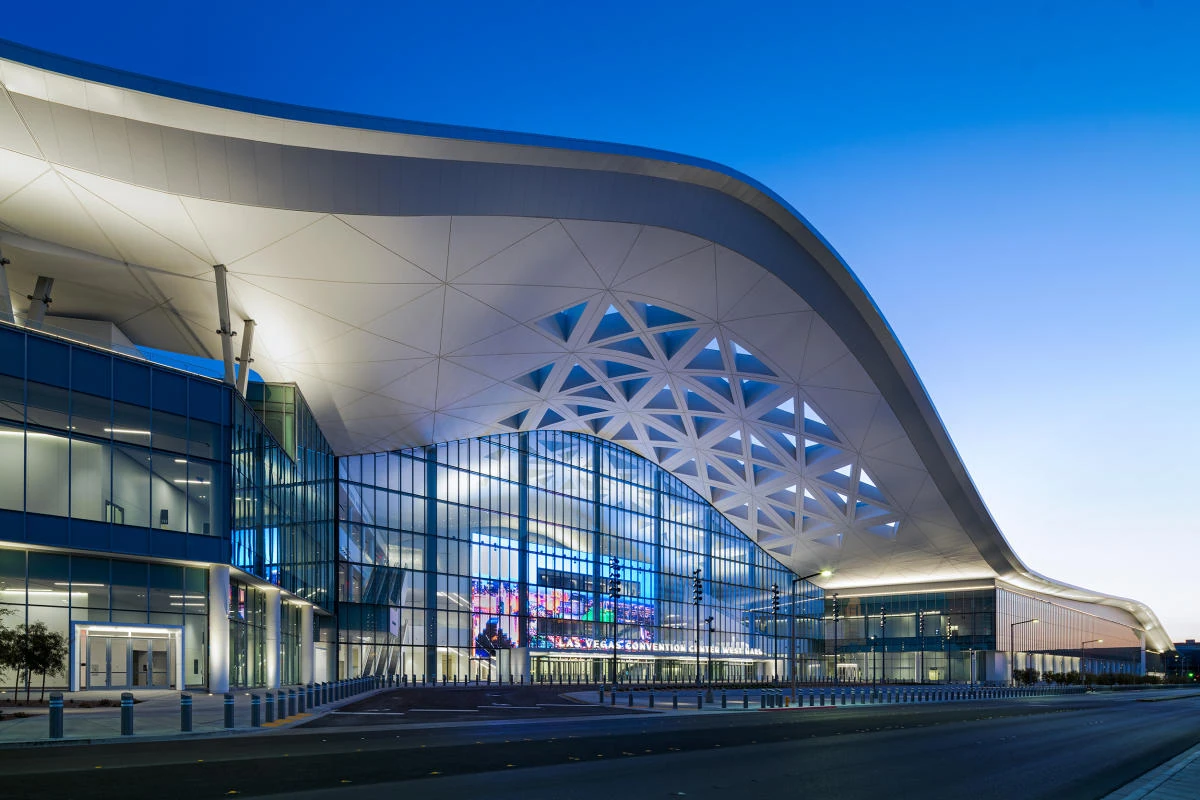
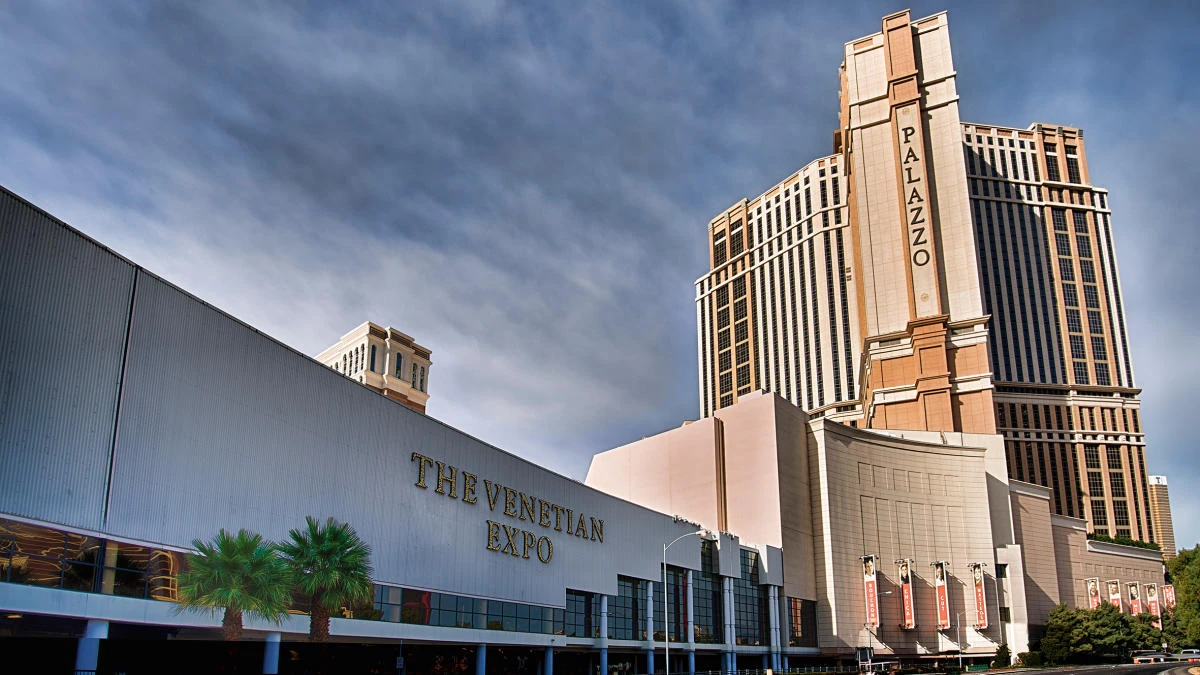
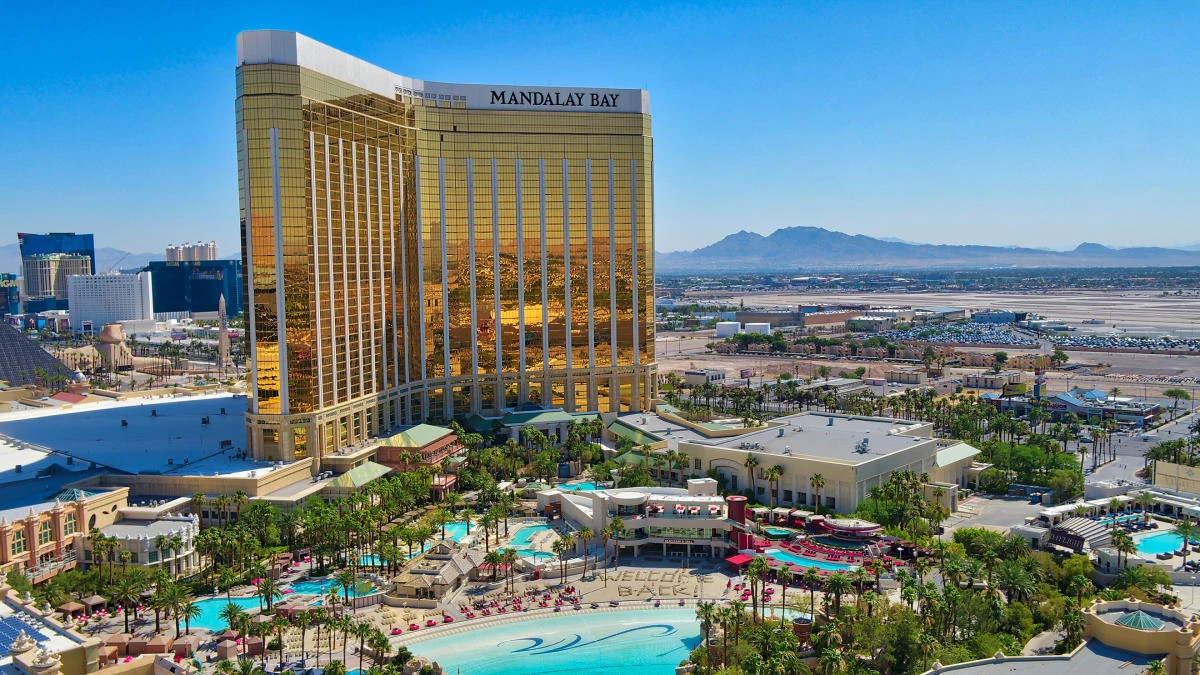
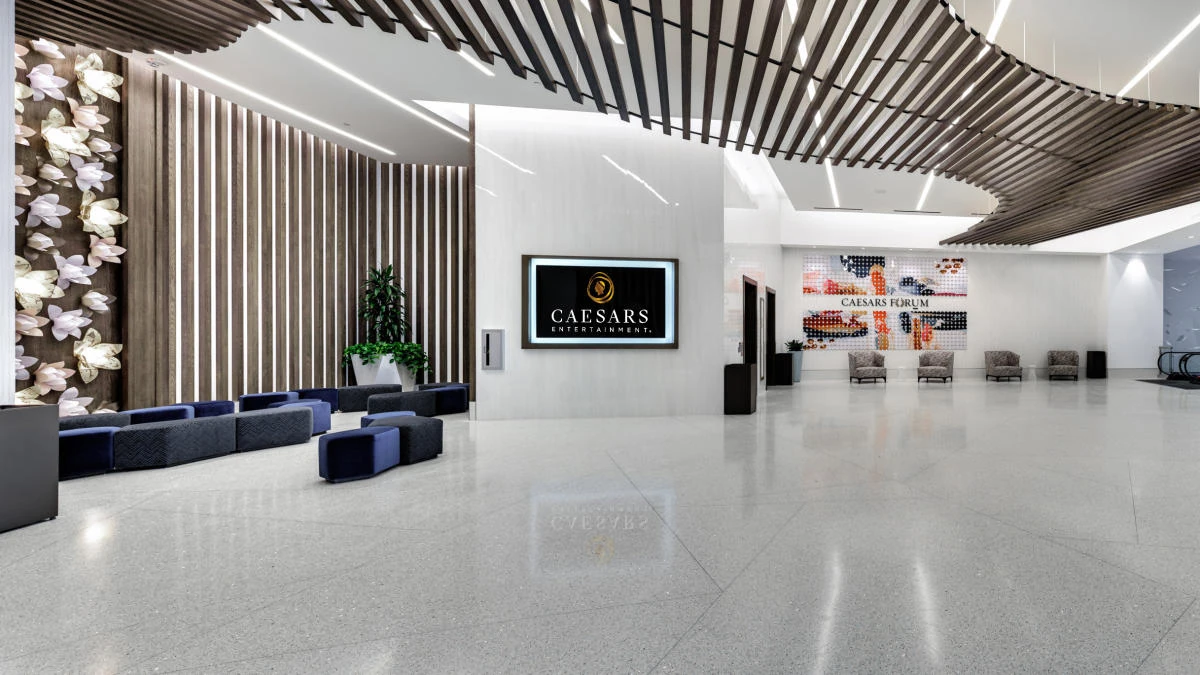
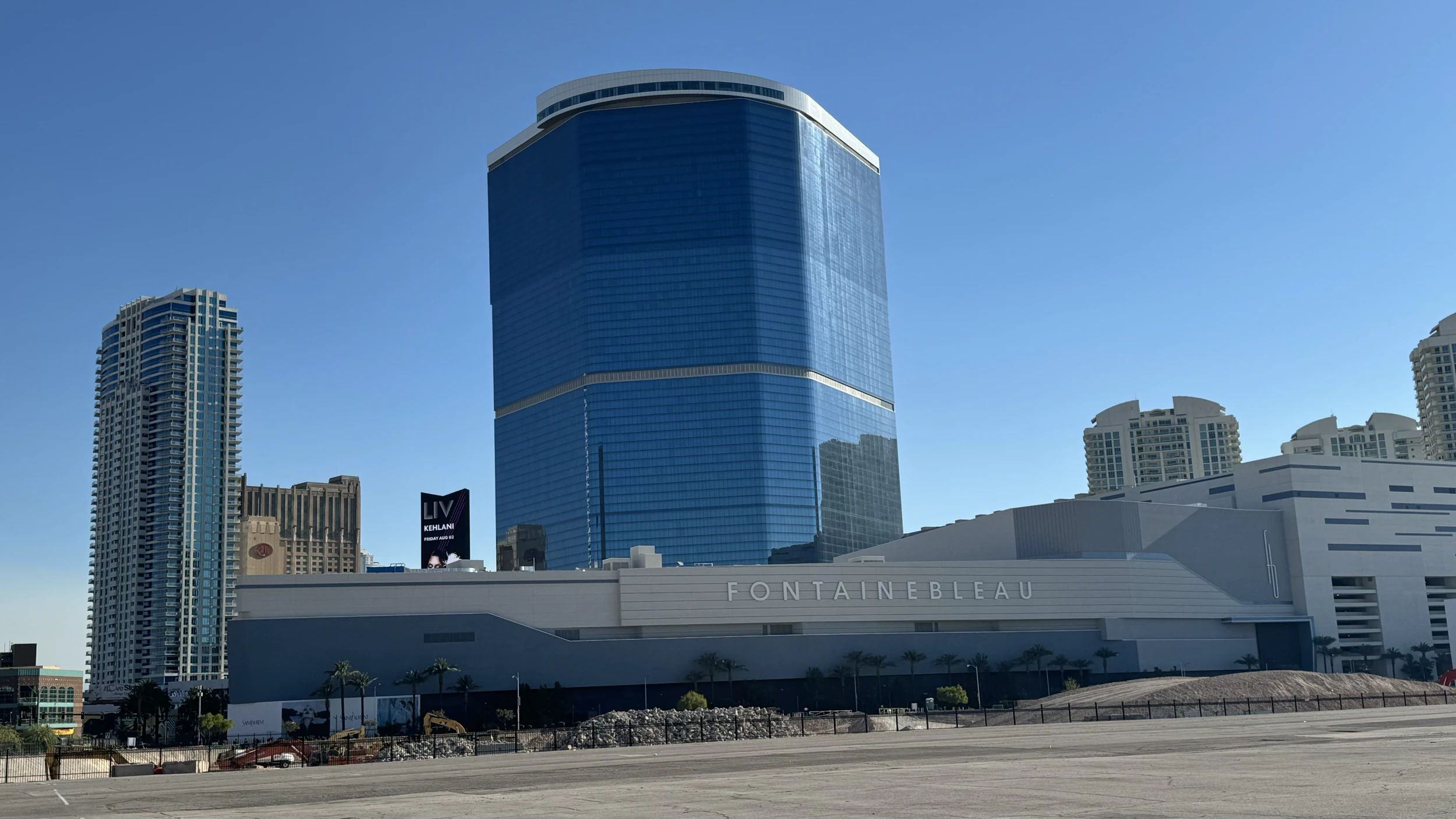
Las Vegas maintains its position as a premier destination through a network of significant convention and meeting facilities that drive consistent trade show activity. Key properties including the Las Vegas Convention Center, the Venetian Expo, Mandalay Bay Convention Center Resort and Casino, Caesars Forum Conference Center, Fontainebleau Las Vegas, and Westgate Las Vegas Resort & Casino generate the baseline demand that influences planning across all districts, including West of Strip Las Vegas.
The Westgate Las Vegas Resort & Casino serves as a particularly relevant anchor for western coordination, with its resort and meeting capabilities supporting events that align well with the character of the surrounding area. Additional venues such as Virgin Hotels Las Vegas, Alexis Park All Suite Resort, Green Valley Ranch Resort & Spa, and Hilton Lake Las Vegas Resort & Spa expand the range of influencing factors, creating opportunities for cross-market alignment that incorporates western locations into broader campaigns.
Effective coordination requires mapping these demand drivers against West of Strip timelines and capabilities. Schedules at central facilities often set the rhythm for activity in adjacent zones, making it essential to synchronize exhibit presence, thematic elements, and resource allocation. This integrated perspective ensures that programs in the western district contribute meaningfully to overall objectives while capitalizing on spillover and specialized interest generated by the major centers.
Planning resources stress the importance of treating these venues as an interconnected system rather than standalone entities, allowing for more sophisticated strategies that span multiple locations within the recommended Las Vegas footprint.
District-Level Nuances and Operational Details
West of Strip Las Vegas presents specific operational characteristics that distinguish it from central Strip or eastern districts. The area features distinct traffic patterns, access routes, and venue configurations that influence everything from attendee flow to exhibit setup parameters. Coordination must account for these nuances to optimize performance and avoid common pitfalls associated with mismatched assumptions about infrastructure.
Venue specificity becomes critical when operating in this corridor. Each facility maintains its own guidelines regarding floor plans, technology support, and attendee capacity, requiring detailed review during the planning phase. For properties serving West of Strip and its extensions into Summerlin, this often translates to emphasis on professional atmospheres, ample breakout capabilities, and integration with surrounding business environments.
The demographic profile in western districts tends toward regional professionals, corporate groups, and specialized industry participants drawn from Summerlin's planned communities and southwest Las Vegas developments. This audience orientation calls for exhibit strategies that prioritize depth of engagement, targeted messaging, and experiences designed for decision-makers rather than purely transactional interactions.
By incorporating these district-level differentiations into the planning process, organizations achieve higher relevance and impact. The approach treats West of Strip not as a secondary option but as a deliberately chosen environment with definable advantages within the larger Las Vegas market structure.
Strategic Coordination with Summerlin and Southwest Areas
The relationship between West of Strip Las Vegas and the Summerlin region represents one of the most valuable connections in the local events ecosystem. Summerlin NV, along with its dedicated meeting district, provides additional capacity and a concentrated business community that complements western Strip activities. Planning that bridges these areas creates opportunities for multi-district programs that extend the effectiveness of individual exhibits.
Southwest Las Vegas NV, Spring Valley, and Enterprise further strengthen the western corridor through their mix of hospitality, commercial, and residential developments. These zones support extended attendee stays and provide logistical advantages that enhance overall coordination. The wide service-area footprint supported by the Las Vegas market makes such integration both practical and advantageous for organizations seeking comprehensive coverage.
Coordination strategies should map these relationships explicitly, identifying points of synergy between events at Westgate Las Vegas or similar properties and activities in the Summerlin Meeting District. This layered approach allows for optimized scheduling, shared thematic elements, and more efficient resource deployment across the recommended locations.
The planning process benefits from early consideration of how western districts interact with the convention center district, Paradise NV, Winchester NV, and other segments. Such foresight produces resilient programs capable of adapting to the dynamic nature of the Las Vegas calendar.
Best Practices for Exhibit Strategy and Timing
Developing an effective exhibit strategy for West of Strip Las Vegas begins with thorough alignment to the broader convention calendar and specific demand drivers. Timing considerations must reflect the schedules of primary venues while identifying windows where the western district can capture dedicated attention. This requires maintaining current awareness of activity at the Las Vegas Convention Center, Venetian Expo, and supporting resorts.
Exhibit planning emphasizes customization that matches the operational realities and audience expectations of the western area. Designs should account for venue specifications at properties like Westgate Las Vegas while allowing flexibility for integration with larger citywide events. The goal is to create presence that feels intentional to the district rather than transplanted from central Strip approaches.
Logistical coordination forms another cornerstone, encompassing transportation planning, resource sequencing, and contingency development. As a planning resource, the emphasis lies in creating detailed frameworks that guide decision-making and stakeholder alignment without assuming direct execution capabilities.
Regular evaluation against market signals from the full list of recommended locations helps refine these strategies over time. The result is programs that consistently deliver measurable value through precise, well-informed coordination tailored to West of Strip nuances.
Building Comprehensive Market Programs
The most successful trade show initiatives in West of Strip Las Vegas form part of larger, cohesive market programs that span multiple districts and venue types. By incorporating the full range of recommended locations—from the Las Vegas Strip and Convention Center District to Summerlin, Henderson, and satellite areas—planners create synergistic effects that amplify individual components.
This comprehensive perspective draws directly from the understanding that the Las Vegas market supports wide-ranging service footprints. Coordination resources help identify leverage points where West of Strip activity can enhance outcomes at central venues or vice versa, producing greater efficiency and impact than isolated efforts.
Long-term adaptation remains essential as the city continues developing its convention offerings. Monitoring primary demand drivers including Fontainebleau Las Vegas, Caesars Forum, and the various resort conference centers enables proactive adjustments to maintain relevance in the western district.
Ultimately, authoritative planning for West of Strip Las Vegas combines deep market knowledge, venue-specific insight, and strategic integration to support organizations in achieving their objectives within this distinctive and evolving segment of the Las Vegas landscape.
Frequently asked questions
What defines the West of Strip Las Vegas area for trade show planning?
West of Strip Las Vegas encompasses districts adjacent to the central Strip that connect with Spring Valley, Enterprise, and Summerlin. It serves as a strategic planning zone that complements major convention activity at venues including the Las Vegas Convention Center, Venetian Expo, and Westgate Las Vegas Resort & Casino while offering distinct operational characteristics.
Which venues act as primary demand drivers for West of Strip activity?
Key demand drivers include the Las Vegas Convention Center, the Venetian Expo, Mandalay Bay Convention Center, Caesars Forum Conference Center, Fontainebleau Las Vegas, Westgate Las Vegas Resort & Casino, Virgin Hotels Las Vegas, and supporting properties such as Green Valley Ranch Resort & Spa.
How does West of Strip coordination integrate with Summerlin?
West of Strip functions as a natural gateway to Summerlin NV and its meeting district. Planning integrates these areas by aligning schedules, audience targeting, and program elements across the western corridor to create cohesive market strategies within the city's wide service-area footprint.
What makes planning for West of Strip different from central Strip efforts?
Planning for West of Strip emphasizes district-level nuances including audience demographics, venue configurations at properties like Westgate, reduced congestion factors, and stronger connections to business communities in Summerlin, Spring Valley, and Enterprise compared to high-density central Strip environments.
What should be prioritized when developing a West of Strip trade show plan?
Priorities include alignment with major demand drivers, venue-specific research, timing coordination with the Las Vegas convention calendar, customization for western audience profiles, and integration with recommended locations such as Summerlin, Southwest Las Vegas, and the Convention Center District.
Can exhibits in West of Strip connect with events across greater Las Vegas?
Yes. The interconnected Las Vegas market, supported by its convention corridor and surrounding towns, enables coordinated programs that link West of Strip activities with events at central venues, Henderson properties, Summerlin facilities, and other recommended locations for enhanced impact.
Top venues
See all venues