Las Vegas Venues
Aria Resort and Casino Exhibition Planning Guide
Master the complexities of hosting successful exhibitions at the Aria Resort and Casino with authoritative planning strategies tailored to Las Vegas Strip dynamics.
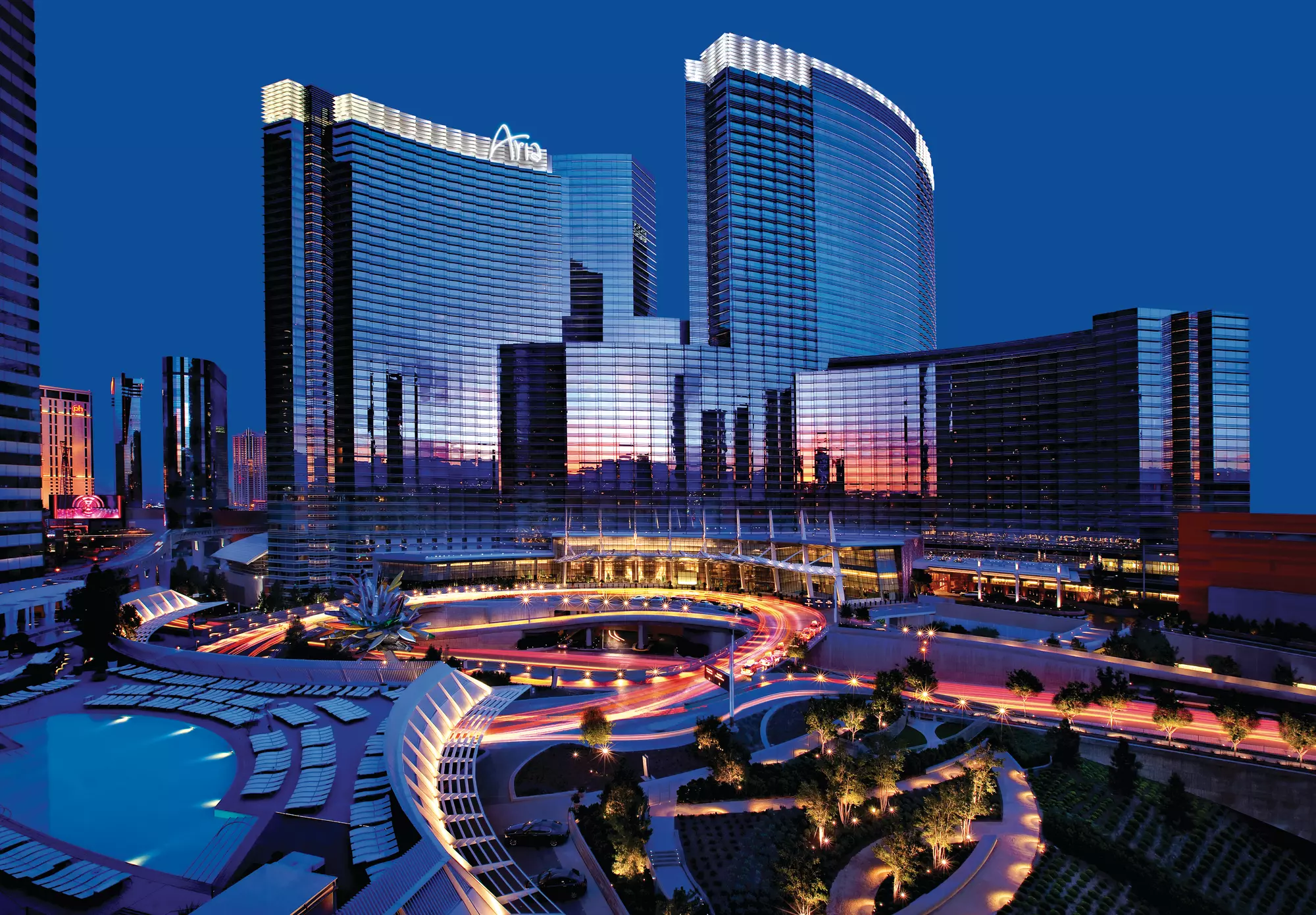
Understanding Aria's Place in the Las Vegas Event Landscape
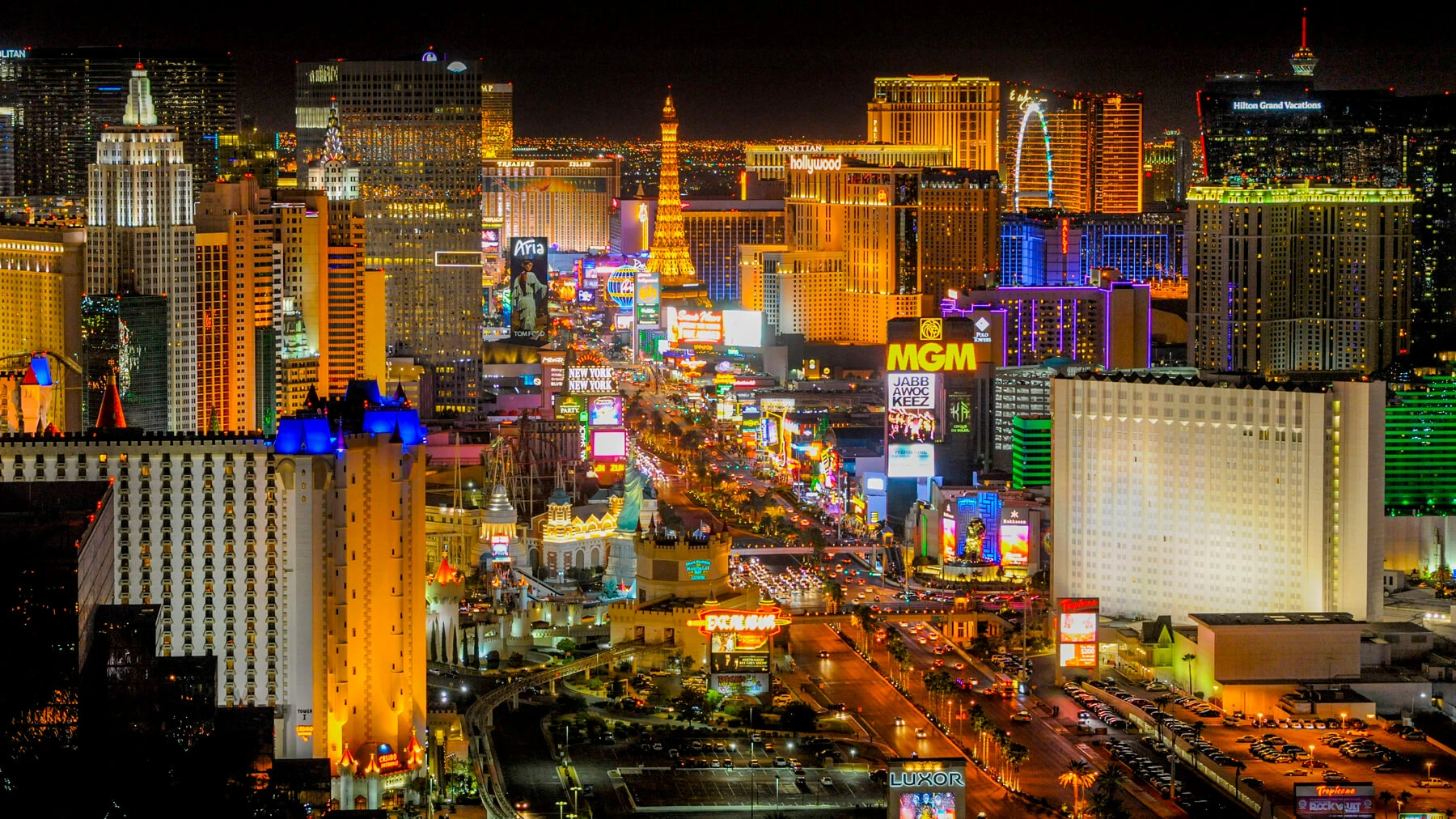
The Aria Resort and Casino holds a distinctive position among Las Vegas venues, situated within the Strip Central cluster that benefits from high visibility and accessibility along the Las Vegas Strip. This placement creates natural synergies with the surrounding resort ecosystem while requiring planners to account for the specific flow of visitors who may be balancing business engagements with entertainment and hospitality experiences. Unlike the expansive, purpose-built facilities found in the Convention Center District or the more boutique-oriented options in other clusters, the Aria environment calls for strategies that emphasize smooth integration rather than standalone scale.
Planners benefit from considering how the property's modern architectural approach and emphasis on refined guest experiences can inform exhibit concepts from the outset. This involves evaluating how booth placements and programming can align with natural movement patterns through the resort to increase organic exposure without disrupting core operations. Coordination-focused resources highlight these interactions to support decisions that enhance rather than compete with the venue's established atmosphere.
By approaching the Aria as part of a broader district strategy, exhibition teams can develop programming that leverages the energy of central Strip activity while maintaining focus on targeted business outcomes. This perspective helps avoid generic approaches that might work in other Las Vegas clusters but fall short in a property where luxury positioning and integrated amenities shape attendee expectations and behavior.
Logistics and Operational Coordination Best Practices
Effective logistics form the backbone of any successful exhibition at properties within the Las Vegas Strip Central cluster, including the Aria Resort and Casino. This involves careful scheduling of all preparatory phases, management of material and equipment movement, and alignment with the operational rhythms of an active resort environment where business events operate alongside ongoing guest activities. Planning must incorporate sufficient buffers to accommodate the unique pace of Las Vegas events, where peak periods can introduce additional variables into standard timelines.
In a market as dynamic as Las Vegas, timing considerations extend beyond the immediate venue to encompass citywide factors that influence everything from vendor availability to attendee travel patterns. Resources dedicated to planning emphasize the development of detailed operational maps that identify critical handoff points and decision windows. This structured approach supports coordination across multiple parties without assuming direct execution capabilities, allowing organizers to maintain oversight while drawing on established market practices.
Anticipating potential disruptions through scenario planning represents a key differentiator for events in this district. Whether addressing transportation variables common to the Strip or adjusting for the layered security and access protocols typical of integrated resorts, a thorough operational framework helps preserve momentum. These practices contribute to smoother implementation and allow exhibition teams to concentrate on content and engagement rather than resolving unforeseen logistical conflicts.
Design Strategies That Complement the Aria Aesthetic
The contemporary design language of the Aria Resort and Casino, characterized by clean architectural lines and refined material selections, provides exhibitors with an opportunity to create cohesive visual narratives that resonate within the space. Effective designs acknowledge these surroundings by incorporating elements that harmonize with rather than contradict the venue's sophisticated palette and lighting conditions. This consideration becomes particularly important in the Strip Central district, where properties compete for attention through elevated experiences rather than sheer volume alone.
Practical aspects of spatial planning must receive equal attention to aesthetic choices. Factors such as optimal viewing angles from primary corridors, appropriate scale relative to ceiling heights, and integration with existing architectural features all influence how effectively an exhibit communicates its message. Planning guides stress the value of iterative concept development that balances these technical requirements with creative objectives to produce environments that encourage meaningful interaction.
When differentiated from approaches suited to other Las Vegas clusters, such as the utility-focused setups common near the convention center or the entertainment-driven concepts more prevalent in certain southern properties, designs for the Aria tend to prioritize quality of engagement over quantity of impressions. This nuanced perspective often leads to stronger connections with targeted audiences who respond to thoughtful integration within premium surroundings.
Technology Integration for Enhanced Attendee Experiences
Contemporary exhibitions in Las Vegas increasingly rely on thoughtful technology integration to create memorable touchpoints that align with attendee expectations at premium properties like the Aria Resort and Casino. Solutions ranging from interactive digital displays to data capture applications can transform standard booth spaces into dynamic environments when selected and implemented with the venue context in mind. The luxury positioning characteristic of Strip Central properties rewards technology that feels smooth rather than intrusive.
Successful integration begins with early assessment of infrastructure compatibility, power requirements, and connectivity considerations specific to resort-based events. Planning resources outline the primary decision factors that help teams evaluate options against their objectives, ensuring that technological elements support rather than complicate overall event flow. This preparation becomes especially relevant when contrasting with the more industrial requirements sometimes found in convention district facilities.
Beyond basic implementation, effective technology planning also addresses how these tools contribute to measurable outcomes such as lead qualification or brand interaction tracking. By establishing clear parameters during the coordination phase, organizers can select solutions that deliver actionable insights while enhancing the experience for participants accustomed to high production standards in the Las Vegas market.
Navigating Regulatory Requirements in Las Vegas
Events held at the Aria Resort and Casino operate within the established regulatory framework governing Clark County and the City of Las Vegas, which encompasses safety standards, permitting procedures, and operational guidelines applicable to public gatherings of various scales. Familiarity with these requirements from the initial planning stages helps create realistic timelines and prevents unnecessary complications during execution phases. The regulatory environment reflects the volume and variety of events that define the Las Vegas market.
Key considerations typically include documentation for temporary structures, health and safety protocols, accessibility compliance, and noise management, each with specific timelines that must be factored into overall project schedules. Planning as an authoritative coordination resource involves presenting these elements in context so that teams can prepare appropriate materials and anticipate review cycles. This knowledge proves particularly valuable when coordinating events that span multiple days or incorporate specialized demonstrations.
Comparison with requirements in other districts reveals both commonalities and distinct emphases based on venue type. The integrated resort setting of the Aria introduces certain layered approval pathways that benefit from systematic tracking. Resources that outline these pathways support more confident navigation of the process, contributing to compliance without diverting focus from strategic exhibition goals.
Budget Planning and Resource Optimization
Developing a comprehensive budget for exhibitions at the Aria Resort and Casino requires balancing aspirational outcomes with the practical cost structures associated with Strip Central properties. Primary considerations include space allocation, design and fabrication investments, technological components, staffing models, and ancillary services that reflect the operational realities of the Las Vegas events market. Strategic prioritization helps ensure that expenditures align closely with intended business objectives.
Optimization opportunities often emerge through careful phasing and contingency planning that accounts for both expected and variable expenses. By examining cost drivers specific to integrated resort environments, planners can identify areas where adjustments maintain impact while improving efficiency. This analytical approach differs from budgeting models more applicable to convention district events, where scale may shift the relative weight of various line items.
Longer-term planning horizons also support better resource management by allowing for multi-event strategies that can stabilize certain costs over time. Detailed coordination frameworks assist in modeling various scenarios, helping teams make informed decisions that enhance return on investment while respecting the premium positioning associated with venues in this district.
Post-Event Analysis and Continuous Improvement
Comprehensive evaluation following events at the Aria Resort and Casino transforms individual exhibitions into data points that inform future planning across the Las Vegas market. Effective analysis goes beyond surface metrics to examine engagement quality, lead potential, brand perception shifts, and operational efficiencies against the specific context of the Strip Central environment. Establishing measurement criteria during initial planning ensures that appropriate data collection mechanisms are in place throughout the event lifecycle.
Structured debrief processes that capture both quantitative results and qualitative observations provide the foundation for iterative improvement. This disciplined approach helps identify which strategies resonated within the Aria setting and which elements might benefit from refinement when compared against performance at other venue types or clusters. The competitive nature of Las Vegas events makes this evaluation step particularly valuable for organizations with ongoing presence in the market.
Planning resources frequently include adaptable frameworks for this analysis phase, supporting consistent methodology that facilitates Year Over Year comparison. By treating post-event review as an integral component of the coordination process rather than an afterthought, teams build institutional knowledge that compounds with each subsequent exhibition, ultimately leading to more sophisticated and effective approaches tailored to properties like the Aria Resort and Casino.
Frequently asked questions
How does planning for the Aria differ from other Las Vegas Strip venues?
The Aria's position within the Strip Central cluster and its integrated resort format require specific attention to how exhibitions interact with hospitality flows, guest experiences, and competing attractions. Planning resources highlight these distinctions to support more targeted strategies that differ from those used for convention-focused or suburban properties.
What are the primary planning challenges for events in the Strip Central district?
Key challenges include managing high visitor volumes, aligning with resort operational schedules, and creating differentiation amid surrounding entertainment options. Structured planning addresses these factors by emphasizing early analysis of traffic patterns and integration opportunities.
When should we begin planning for an exhibition at the Aria Resort and Casino?
For major exhibitions, initiating planning 12 to 18 months in advance allows sufficient time for venue consideration, concept development, regulatory preparation, and coordination of supporting elements within the competitive Las Vegas calendar.
How can we ensure compliance with all relevant regulations?
A systematic planning approach that identifies applicable Clark County, City of Las Vegas, and venue-specific requirements from the outset supports thorough preparation. Resources provide overviews of typical pathways while emphasizing the value of building appropriate buffers into timelines.
What metrics should we track for events at this venue?
Focus on engagement depth, lead quality and conversion indicators, brand sentiment measures, and operational efficiency alongside financial outcomes. These metrics, when viewed through the lens of the Strip Central environment, provide more meaningful insights than volume statistics alone.
Top venues
See all venues