Las Vegas Venues
Bellagio Las Vegas: Authoritative Guide to Exhibit Planning and Coordination
Navigate the distinct operational requirements of events at the Bellagio through strategic planning resources developed specifically for the Las Vegas market and its Strip Central venue cluster.
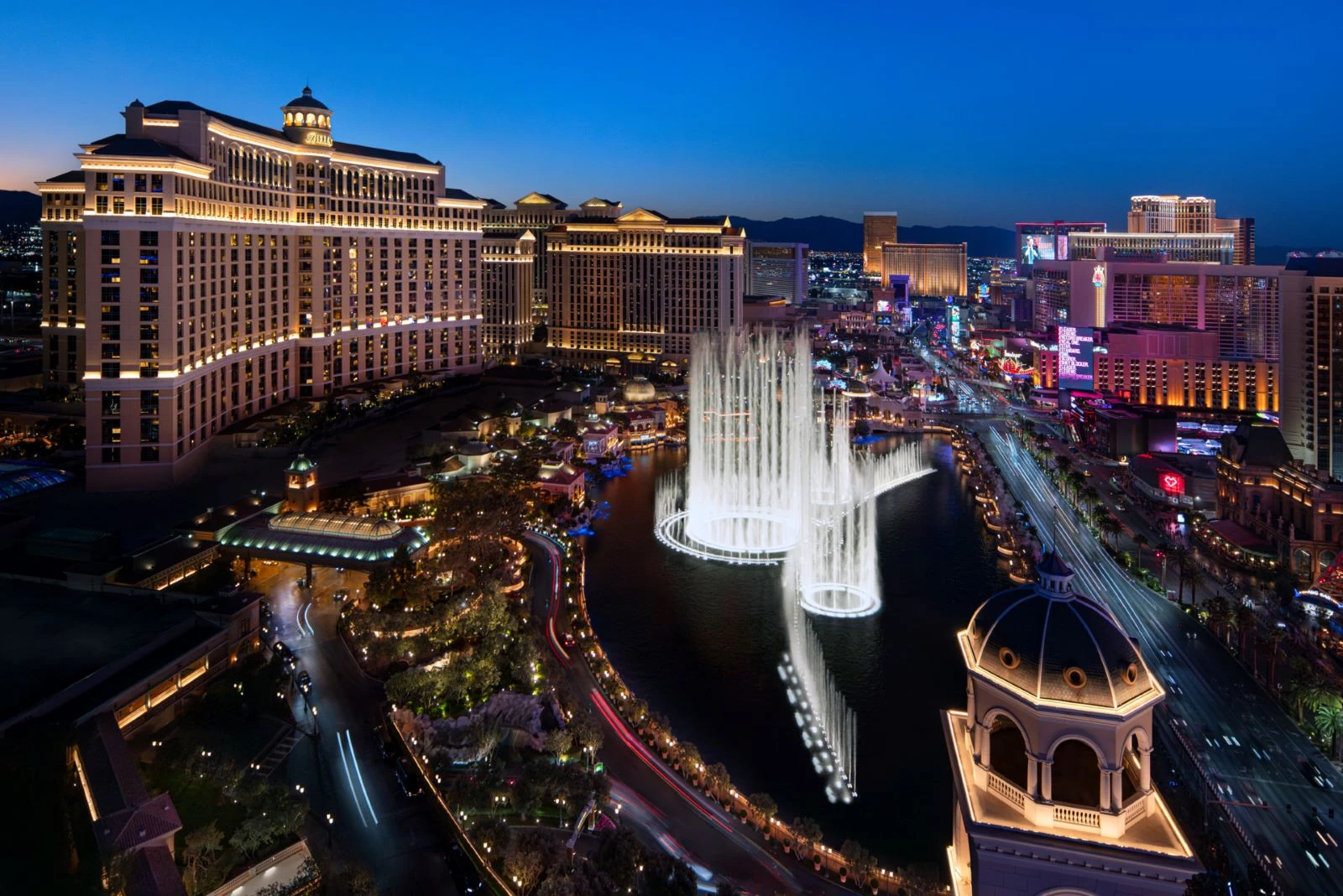
Bellagio Within the Las Vegas Convention Landscape
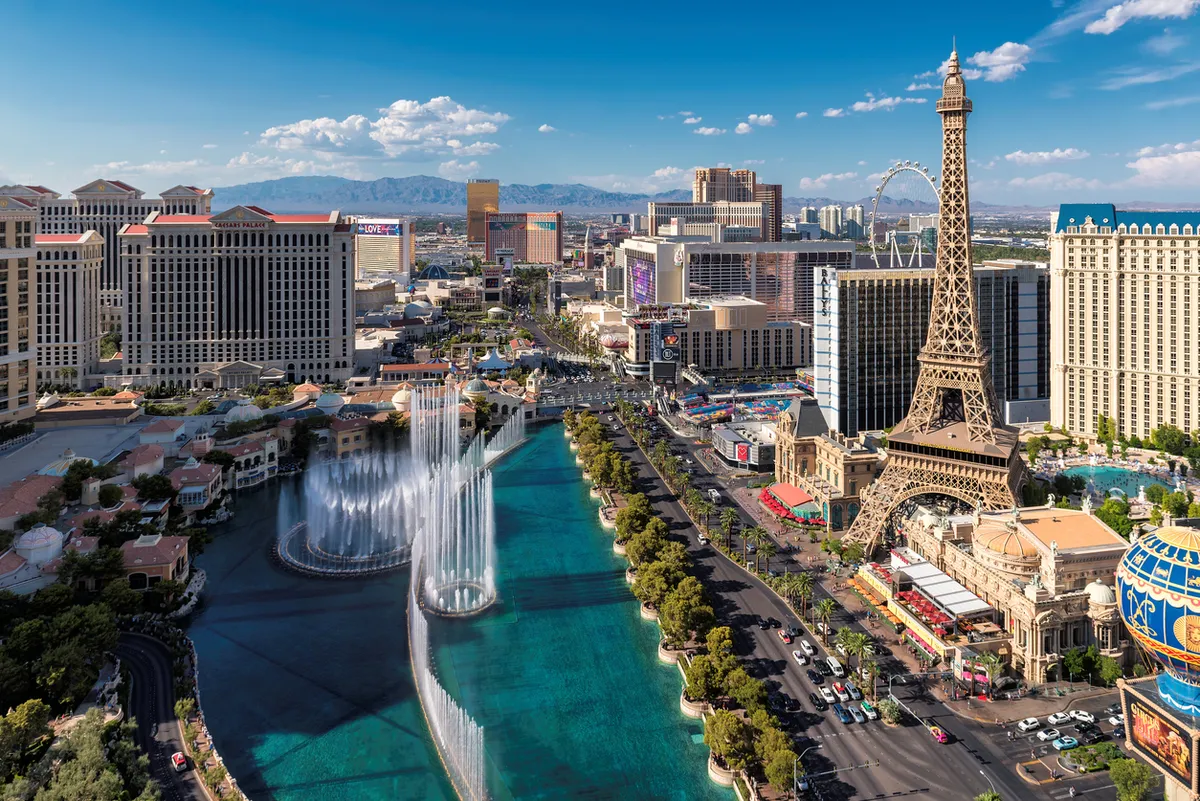
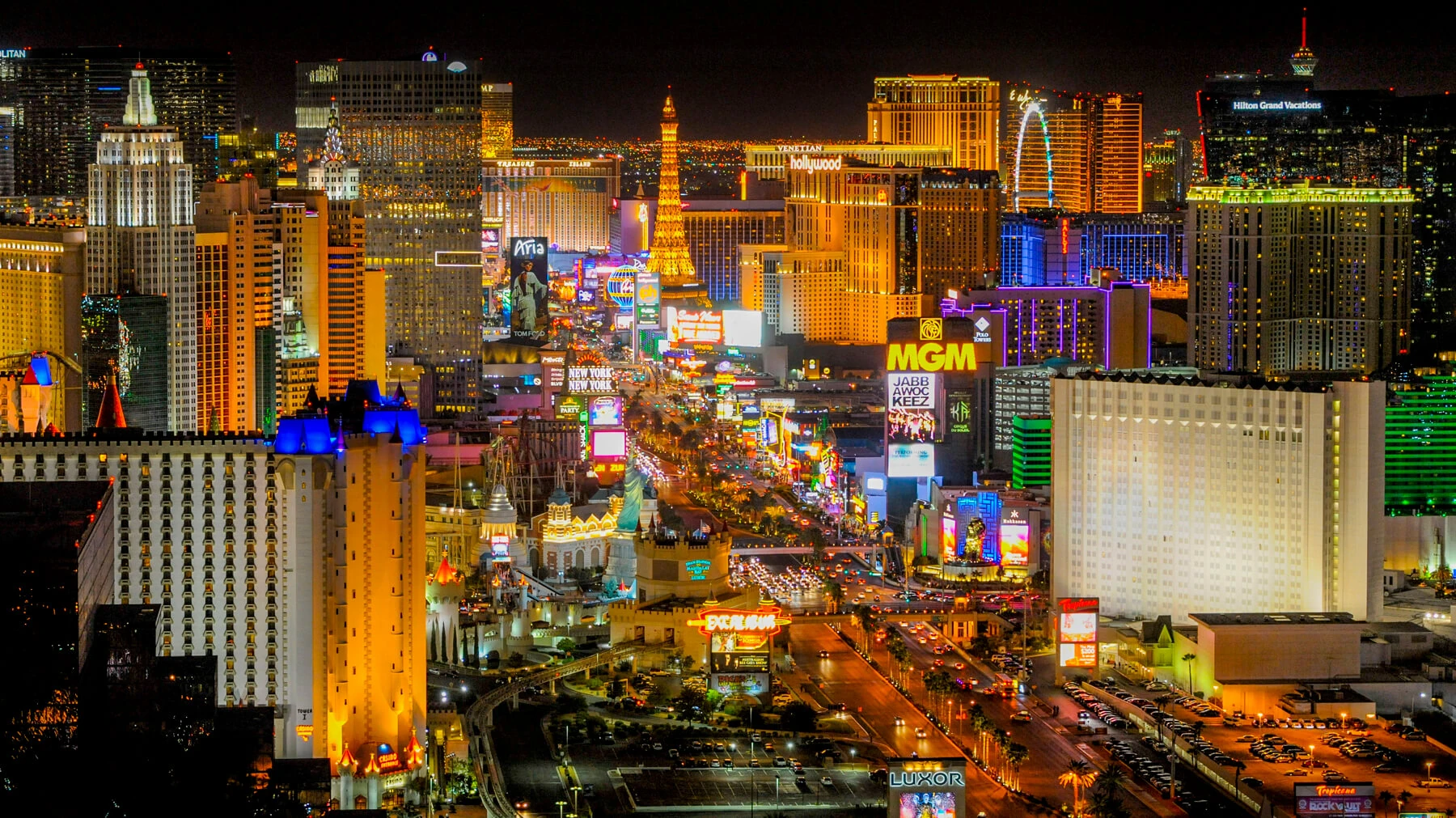
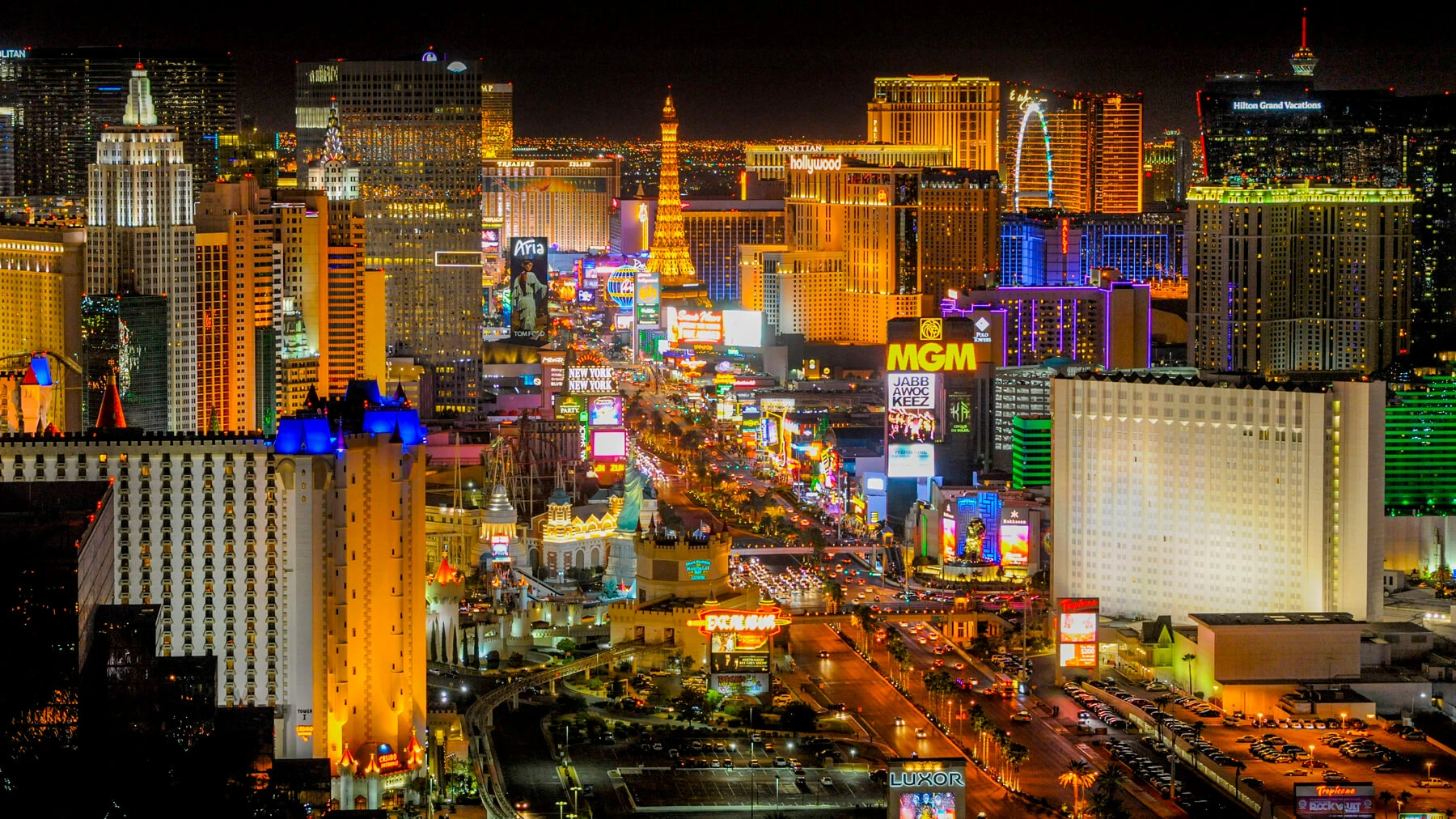
Las Vegas maintains consistent growth in meetings and conventions, fueled by facilities that range from large-scale exposition halls to integrated resort campuses. Sources across the market highlight primary demand drivers including corporate meetings, trade associations, and incentive programs that seek venues offering both functionality and memorable settings. The Bellagio fits into this framework as part of the Strip Central cluster, where its location supports attendance from professionals already navigating the city's core entertainment and business corridor.
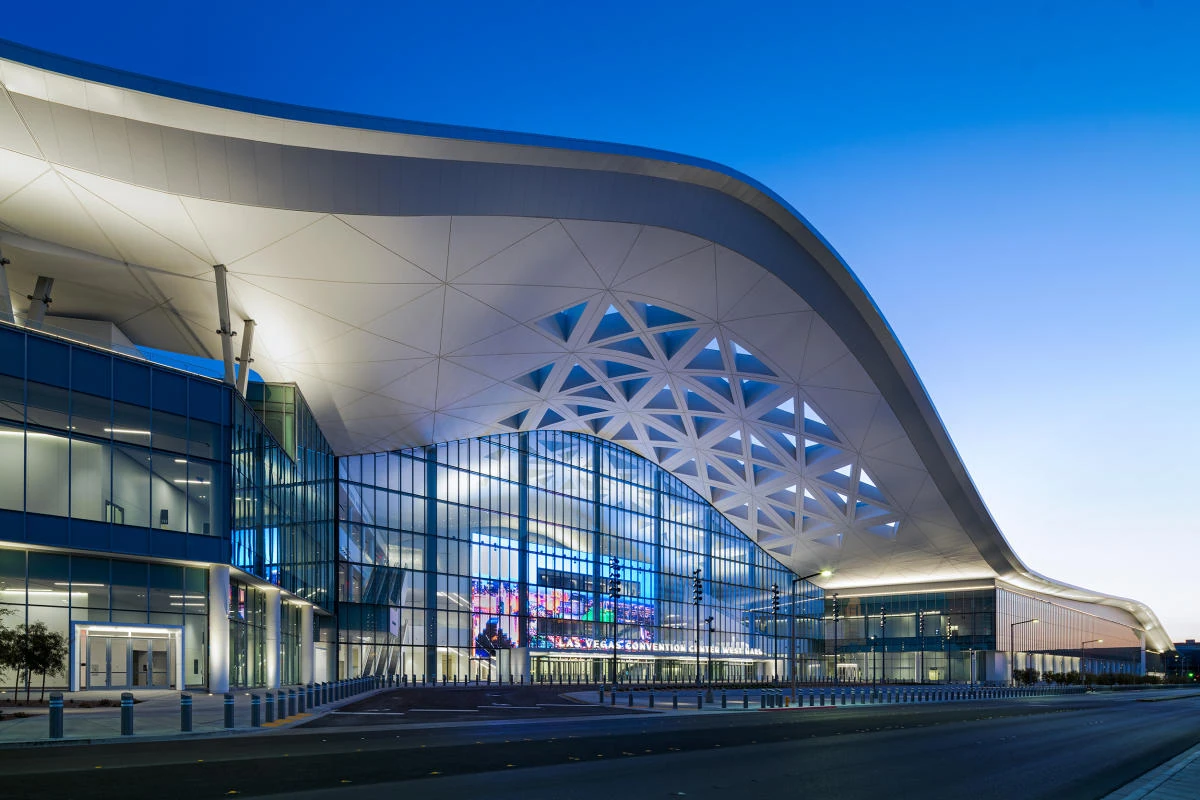
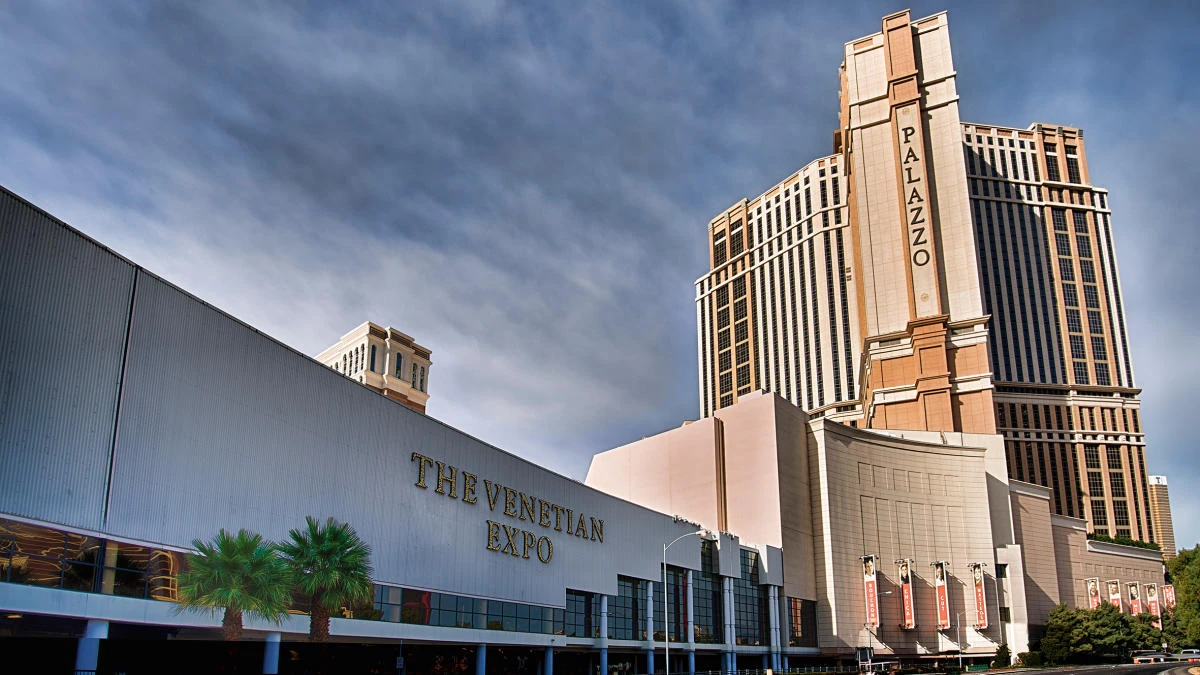
Effective planning begins by mapping the Bellagio against neighboring properties and major draws such as the Las Vegas Convention Center and the Venetian Expo. This comparative view reveals how events at resort properties often emphasize quality of experience alongside display objectives. Planners benefit from recognizing these distinctions early, allowing for resource allocation that matches the elevated expectations typical of gatherings in this district.
Market data underscores the importance of understanding venue clusters when developing exhibit strategies. Strip Central locations operate under different rhythms than Strip South or Convention Center District properties, influencing everything from delivery windows to attendee dwell time. Coordination resources that account for these patterns help avoid common bottlenecks and support more predictable outcomes across the planning lifecycle.
Strip Central District Operational Considerations
The Strip Central cluster encompasses properties positioned for maximum visibility and accessibility within the Las Vegas corridor. Events at locations in this district must navigate concentrated traffic flows, shared infrastructure, and the interplay between business programming and surrounding attractions. For the Bellagio, this translates into planning that prioritizes efficient movement of materials and personnel while maintaining the area's characteristic pace.
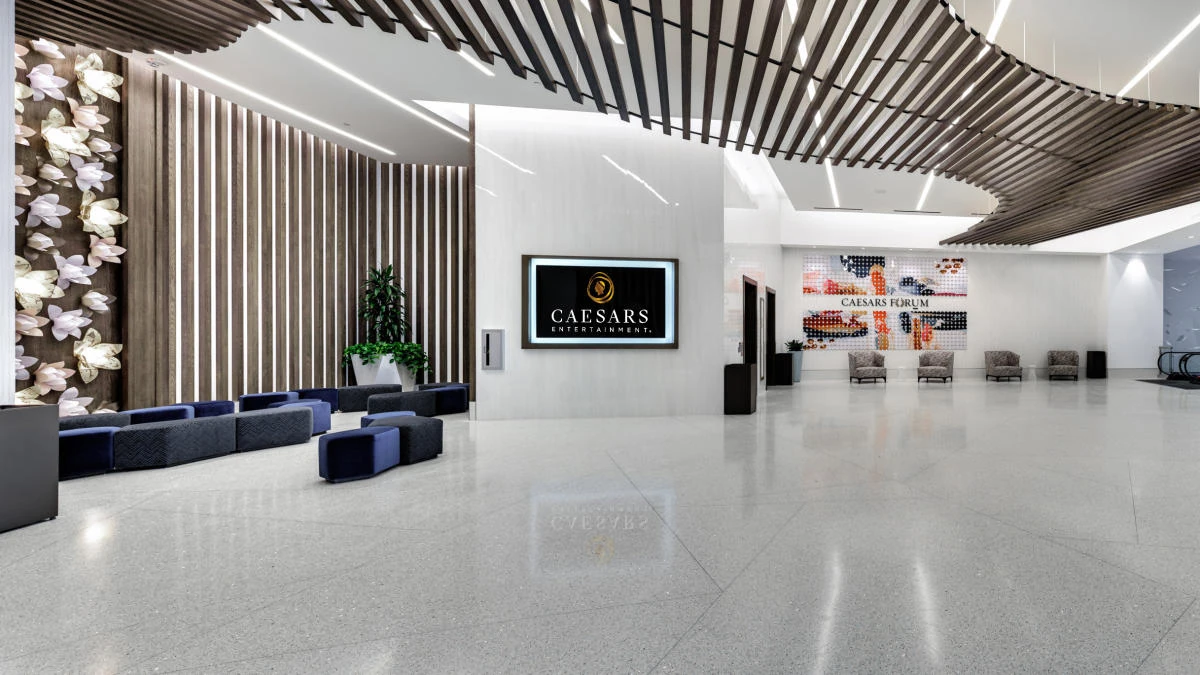
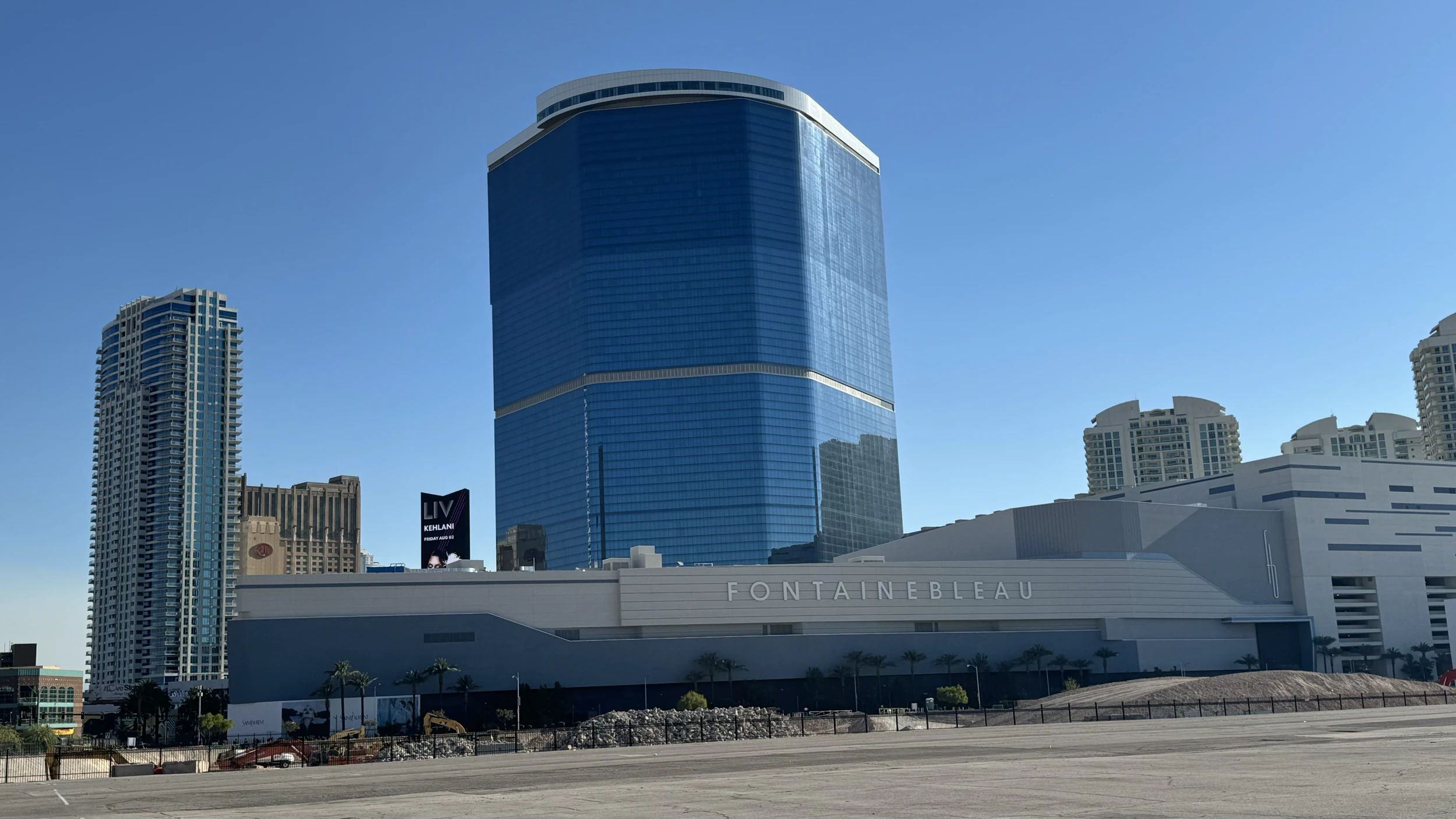
District-level nuances include synchronization with peak periods driven by major conventions at facilities like Caesars Forum and Fontainebleau Las Vegas. Planners should map these overlapping schedules to identify optimal windows for setup and attendee engagement. Such foresight prevents resource conflicts and allows exhibits to capitalize on heightened market activity rather than competing against it.
Accessibility remains a central theme in Strip Central planning. Proximity to major thoroughfares and adjacent resorts creates both advantages and constraints that must be modeled during initial phases. Resources focused on these dynamics provide frameworks for sequencing that respect municipal patterns and venue-specific protocols established across the Las Vegas market.
Strategic Exhibit Design for Resort Venues
Exhibit design for Bellagio events benefits from approaches that balance impact with environmental sensitivity. The resort context calls for presentations that enhance rather than compete with surrounding aesthetics, favoring refined materials and modular configurations capable of adapting to varied space configurations common in integrated properties.
Successful designs in this segment incorporate flexibility to accommodate different event scales while maintaining brand coherence. Planners often reference broader Las Vegas trends that emphasize experiential elements capable of engaging audiences accustomed to high-production environments. This requires early integration of visual, interactive, and spatial components that align with documented attendee profiles across the market.
Coordination of design elements extends beyond aesthetics to include compatibility with venue infrastructure and neighboring activations. By addressing these intersections during concept development, teams reduce revision cycles and improve overall program cohesion. Established planning methodologies stress iterative reviews that incorporate district-specific variables from the outset.
Logistical Sequencing and Material Coordination
Logistics for events in the Strip Central cluster demand detailed sequencing that accounts for compressed timelines and shared loading facilities. Planning resources emphasize creation of comprehensive checklists that map each phase against known market constraints, ensuring materials arrive and depart according to established windows without disrupting ongoing operations.
Effective coordination involves multiple stakeholder groups whose schedules must be aligned from initial bid through final removal. This includes synchronization with broader event calendars documented at venues such as the Westgate Las Vegas Resort and Casino or Virgin Hotels Las Vegas. Structured frameworks help identify dependencies and build contingency measures that maintain program integrity.
Documentation of each logistical step creates institutional knowledge that benefits future activations in the Las Vegas market. By capturing lessons around delivery routing, storage buffers, and dismantling protocols, planners develop repeatable processes tailored to resort environments while remaining adaptable to evolving municipal and venue requirements.
Timeline Management Across Event Phases
Timeline construction for Bellagio events requires granular attention to pre-event, on-site, and post-event phases within the context of Las Vegas seasonality and major convention cycles. Planning begins with mapping against primary demand drivers that influence availability across the annual calendar, allowing for realistic allocation of preparation periods.
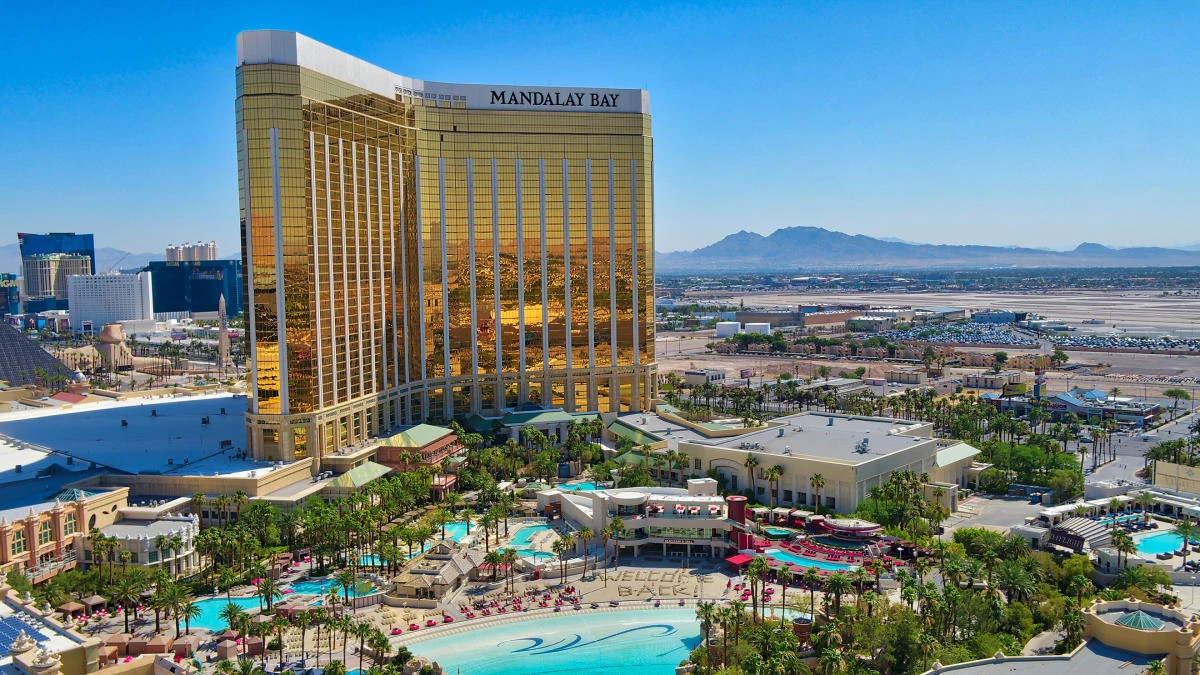
Critical milestones include concept finalization, production approvals, transport coordination, and on-site validation. Each stage carries implications for subsequent activities, particularly when events coincide with activity at nearby facilities like the Mandalay Bay Convention Center or Green Valley Ranch Resort. Integrated scheduling tools help visualize these relationships and prevent cascade delays.
Post-event evaluation represents an often overlooked yet essential component of comprehensive timeline management. Structured review processes capture data on efficiency metrics and attendee response, informing refinements for subsequent programs. This iterative approach strengthens outcomes across the Las Vegas resort venue segment over time.
Market-specific considerations such as labor availability during peak periods and transportation variables within the Strip Central district must be embedded in all timeline projections. Resources that foreground these factors enable more accurate forecasting and reduced exposure to unforeseen disruptions.
Maximizing Engagement and Measuring Outcomes
Engagement strategies for events at the Bellagio should leverage the venue's capacity to attract discerning audiences by creating targeted interaction opportunities within exhibits. Planning frameworks stress alignment between display objectives and documented attendee expectations within the Las Vegas convention segment, fostering experiences that drive measurable business results.
Outcome measurement begins with establishment of clear KPIs during initial planning stages. These metrics encompass both quantitative indicators such as lead volume and qualitative assessments of brand perception within the upscale resort setting. Regular benchmarking against broader market performance at comparable venues supports continuous optimization.
Integration of technology platforms for data capture and real-time analytics has become standard practice across Las Vegas events. When coordinated properly, these tools provide insights that extend beyond single activations, contributing to refined strategies for future programs in the Strip Central cluster and throughout the city.
Long-term success depends on synthesizing engagement data with operational lessons to evolve exhibit approaches. This evidence-based refinement cycle respects the distinctive characteristics of each venue while building institutional expertise in the dynamic Las Vegas market.
Sustainability and Future-Focused Planning
Sustainability considerations increasingly shape exhibit planning across all Las Vegas venues, including those in the Strip Central cluster. Coordination resources highlight approaches that incorporate reusable components, responsible material selection, and waste reduction protocols that align with evolving expectations from both organizers and attendees.
Forward-looking strategies also address emerging trends in hybrid event formats that blend physical presence at properties like the Bellagio with virtual participation. Planning for these integrated experiences requires additional layers of technical coordination while maintaining focus on core display effectiveness within the physical space.
By embedding these considerations into standard workflows, planners position their programs to meet both current requirements and anticipated shifts in the convention industry. This proactive stance supports compliance with market-wide initiatives while differentiating activations through demonstrated environmental responsibility.
Frequently asked questions
How does the Bellagio fit into the broader Las Vegas venue ecosystem?
The Bellagio forms part of the Strip Central cluster, distinguished by its integration of luxury resort amenities with meeting facilities. This positioning requires planners to account for interactions with nearby properties and citywide convention calendars when developing exhibit and coordination strategies.
What district-specific factors should be considered for Strip Central events?
Strip Central planning emphasizes traffic flow, overlapping schedules with major draws like the Las Vegas Convention Center, and logistical sequencing that respects the pace of central Las Vegas operations. These elements influence timeline construction, material routing, and attendee engagement approaches.
How can exhibit designs be optimized for resort venues like the Bellagio?
Optimization involves selecting modular, refined components that complement sophisticated environments while supporting interactive brand experiences. Early integration of district variables and attendee demographics helps ensure designs enhance rather than conflict with the venue context.
Why is timeline management particularly important for Bellagio events?
Compressed windows, overlapping demand from other Las Vegas venues, and multi-stakeholder dependencies make detailed phasing essential. Structured timelines that incorporate market seasonality and cluster dynamics reduce risk and improve coordination across all event stages.
What role do demand drivers play in Bellagio event planning?
Documented demand drivers across Las Vegas influence scheduling, resource allocation, and engagement strategies. Understanding these patterns allows planners to align activations with peak corporate and association activity while anticipating infrastructure demands.
How should outcomes be measured for events at the Bellagio?
Measurement frameworks should combine quantitative metrics such as engagement volume with qualitative assessments of brand impact. Regular comparison against market benchmarks from comparable venues supports data-driven refinement of future programs.
Top venues
See all venues