Las Vegas Venues
Strategic Exhibit Planning for Caesars Palace in Las Vegas
Authoritative coordination guidance for impactful trade show exhibits at Caesars Palace, emphasizing district-specific nuances within the Las Vegas Strip Central cluster.
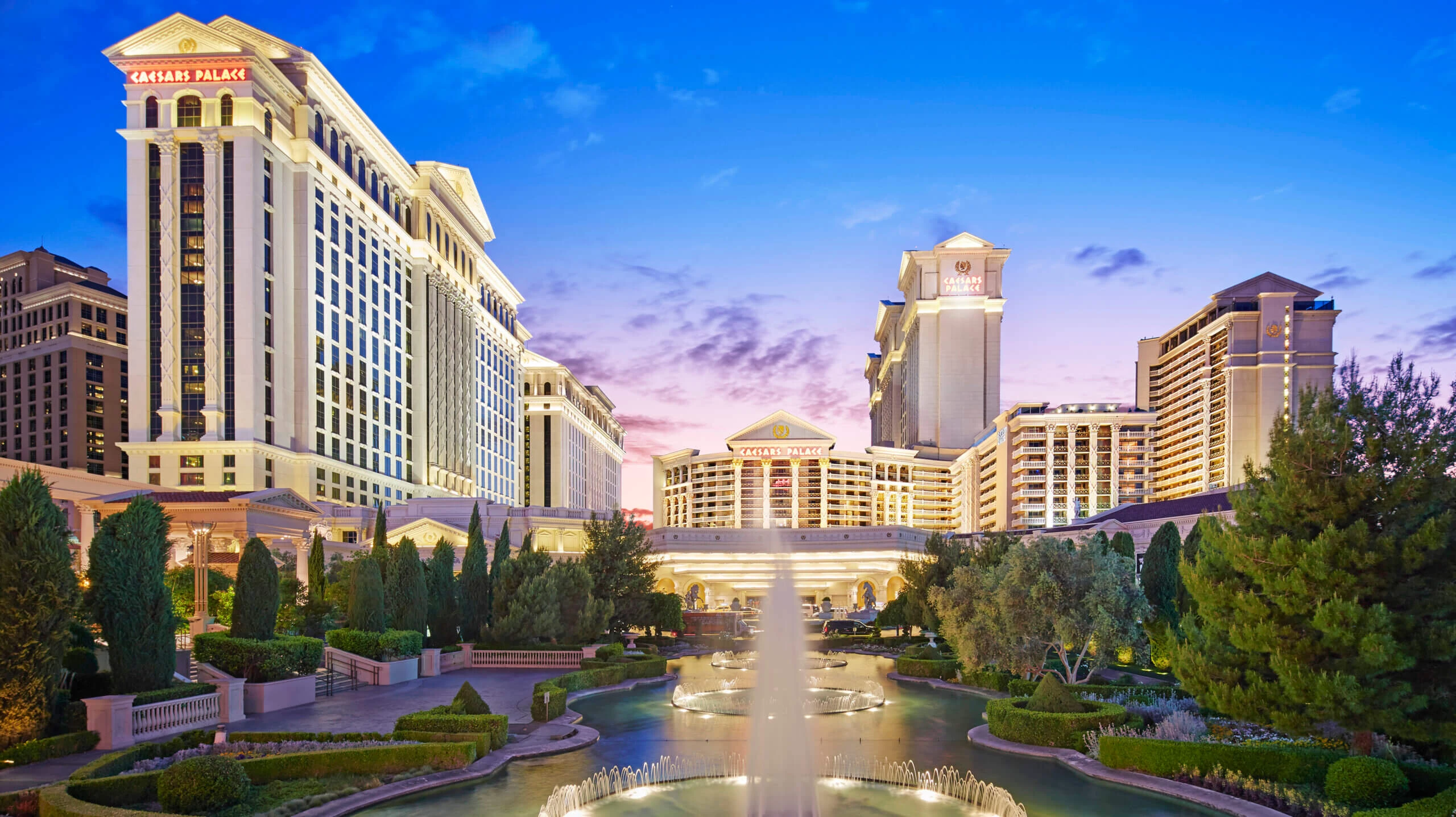
Positioning Within the Las Vegas Strip Central District
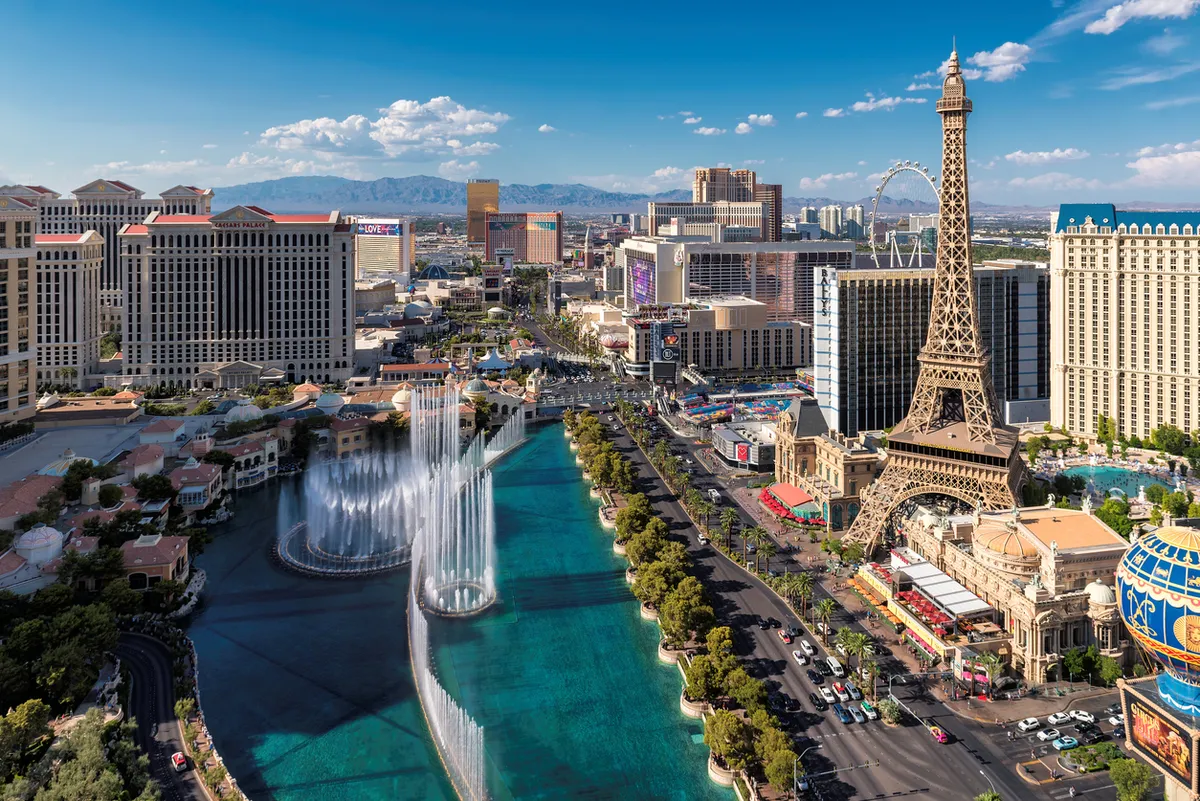
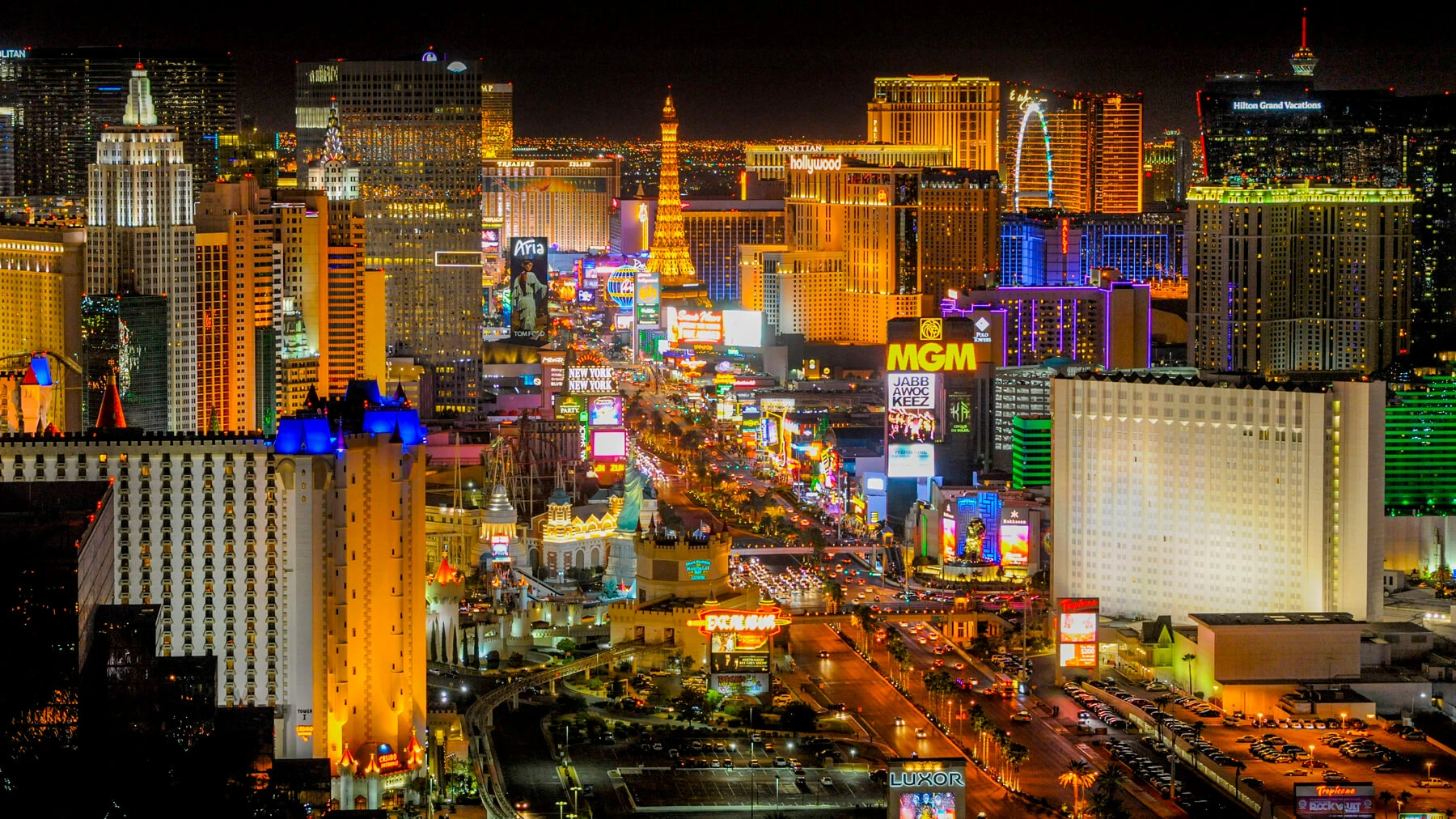
Caesars Palace functions as a cornerstone of the Strip Central venue cluster, where multiple high-profile properties create a dense concentration of business activity distinct from the Convention Center District or Strip South areas. This clustering affects attendee flow, with professionals often moving between nearby resorts for concurrent sessions or networking functions. Planning resources emphasize understanding these patterns to position exhibits where they can capture maximum visibility without disrupting the established operational flow of the district.
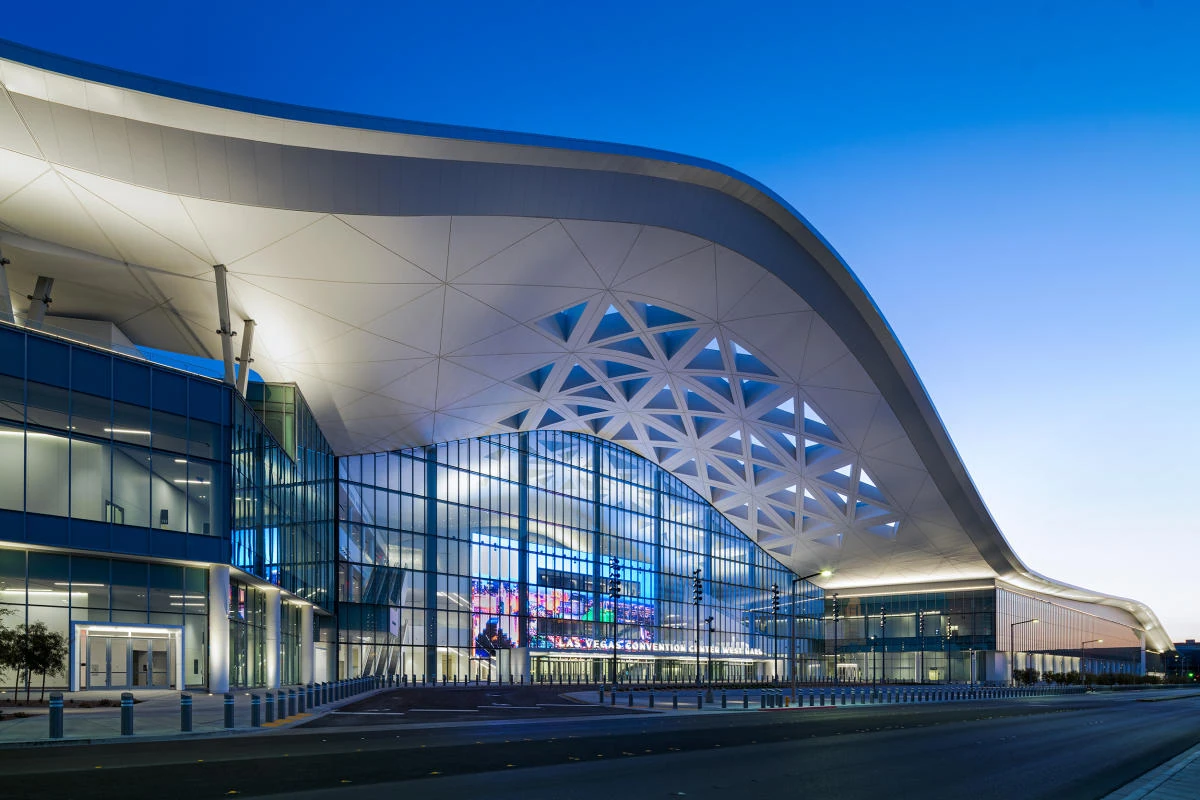
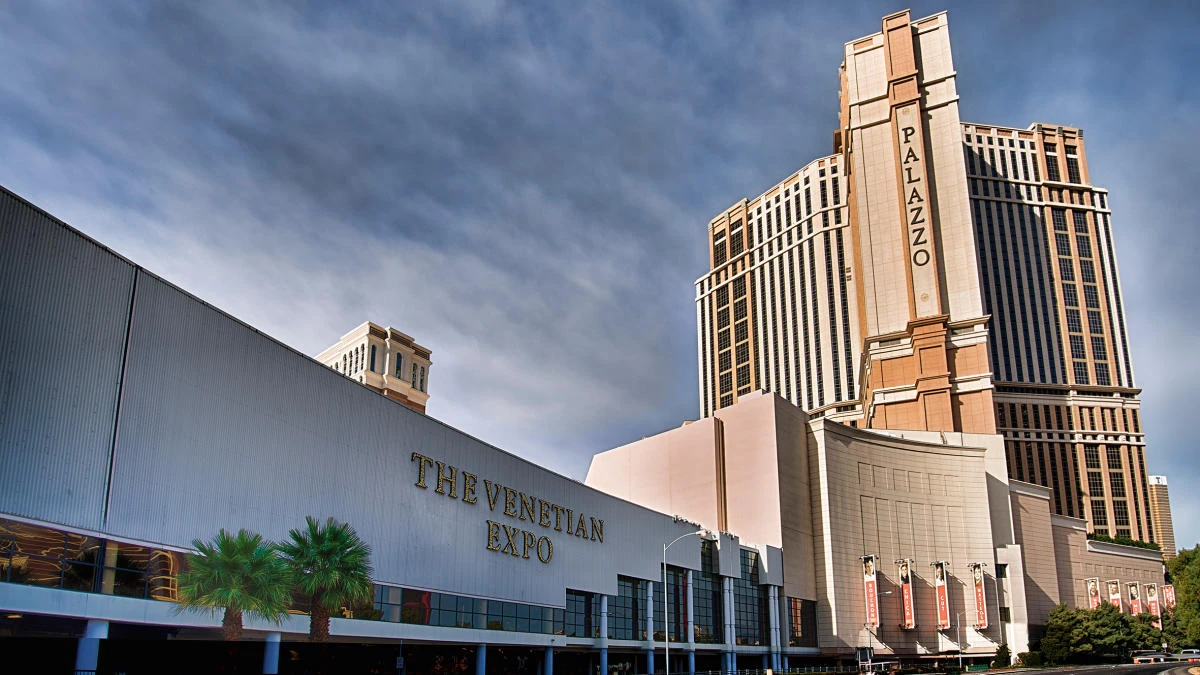
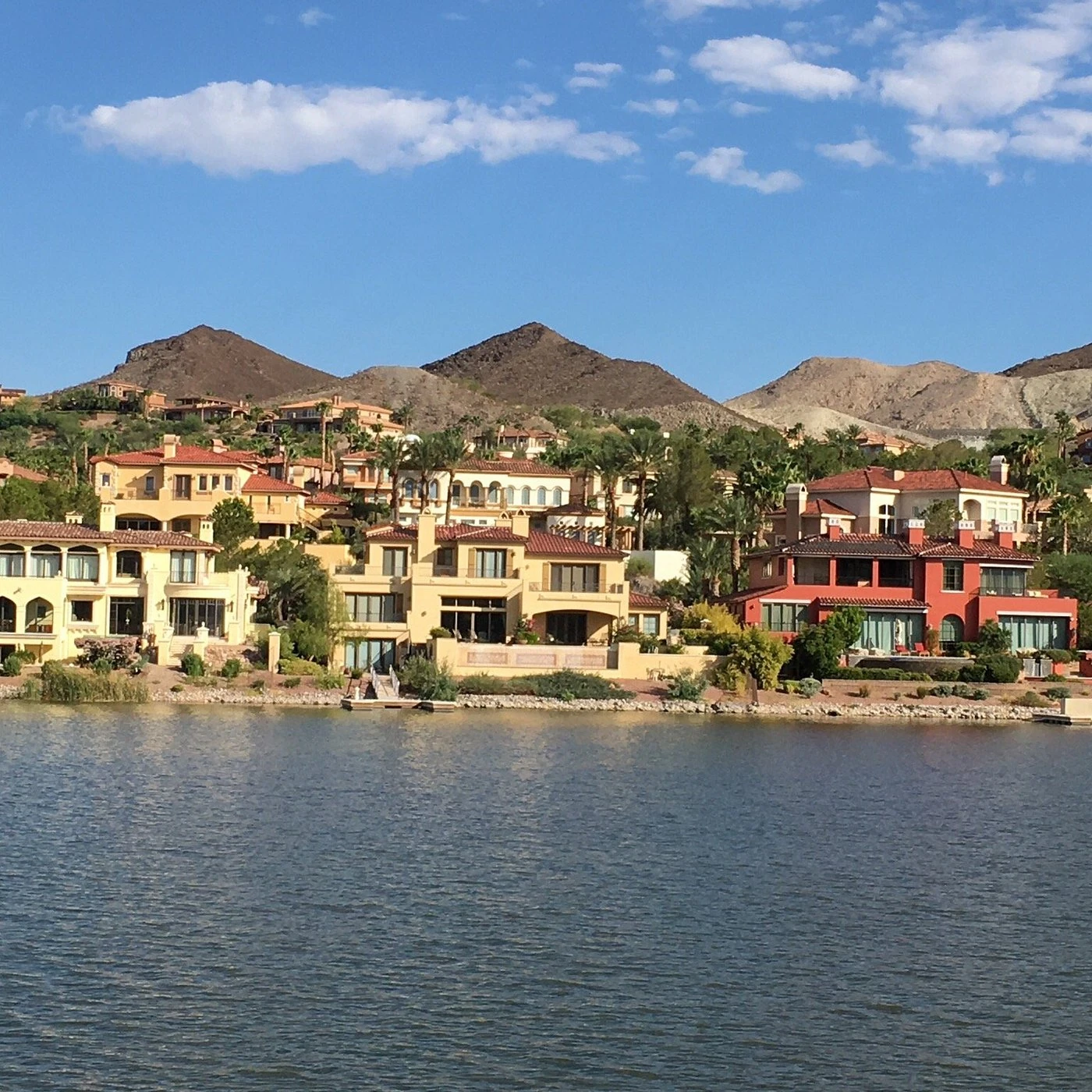
Unlike more purpose-built facilities such as the Las Vegas Convention Center or the Venetian Expo, resort venues in Strip Central like Caesars Palace integrate exhibition spaces with hospitality and entertainment amenities. This creates both opportunities and constraints for exhibitors, requiring designs and coordination plans that respect the architectural context and guest experience priorities. Differentiation at the district level allows for more precise resource allocation, focusing efforts on characteristics that set Strip Central apart from suburban options like Green Valley Ranch Resort and Spa or Hilton Lake Las Vegas.
Operational details such as peak arrival times, service access points, and interconnection with the broader Las Vegas transportation infrastructure become central considerations. Coordination frameworks help map these elements into cohesive plans that account for the specific cadence of events hosted at Caesars Palace, ensuring alignment with the district's established rhythms rather than generic approaches applied uniformly across all Las Vegas venues.
Aligning with Primary Demand Drivers in the Las Vegas Market
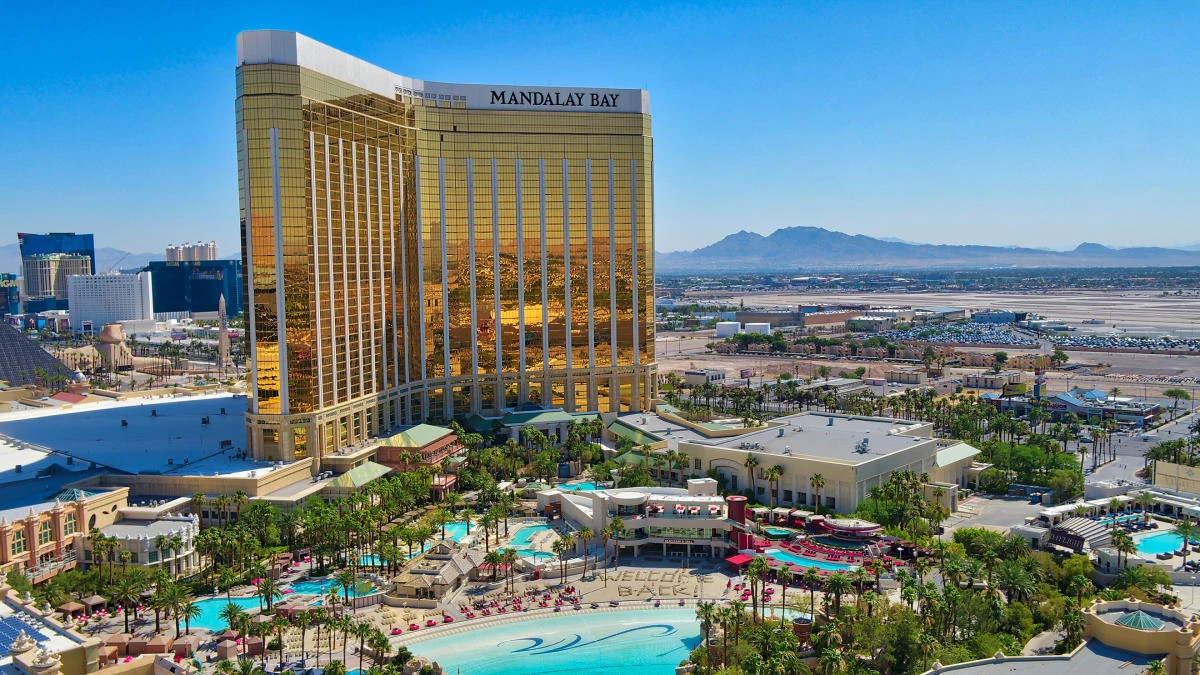
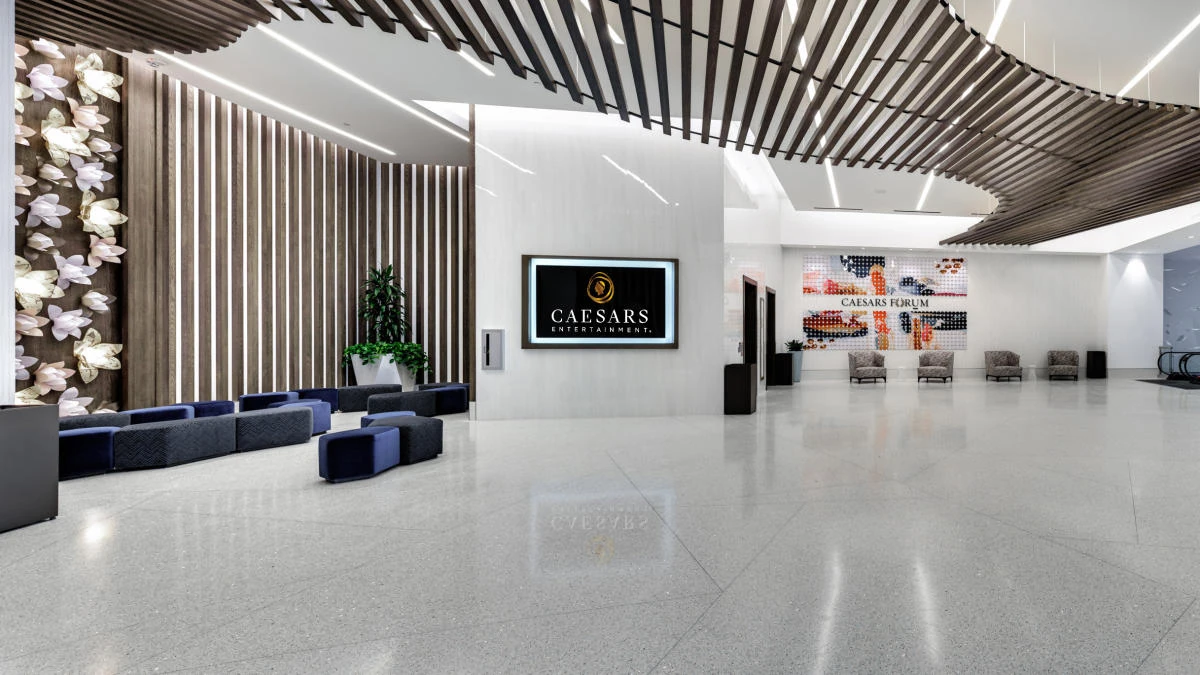
Las Vegas sustains its position as a premier destination through consistent demand drivers that influence scheduling and attendance at properties including Caesars Palace. These drivers, documented across major venues such as the Las Vegas Convention Center, Mandalay Bay Convention Center, and Caesars Forum Conference Center, create predictable cycles of heightened activity that reward early and strategic coordination. Understanding these patterns enables exhibitors to time their presence at Caesars Palace for optimal relevance to target industries and decision-makers.
The interplay between different venue types across clusters affects how demand manifests at resort properties versus dedicated exposition facilities. For Caesars Palace specifically, coordination involves recognizing when its events complement or compete with programming at Westgate Las Vegas, Virgin Hotels Las Vegas, or Alexis Park All Suite Resort. This market-level awareness supports more sophisticated planning that positions exhibits within the larger ecosystem rather than in isolation.
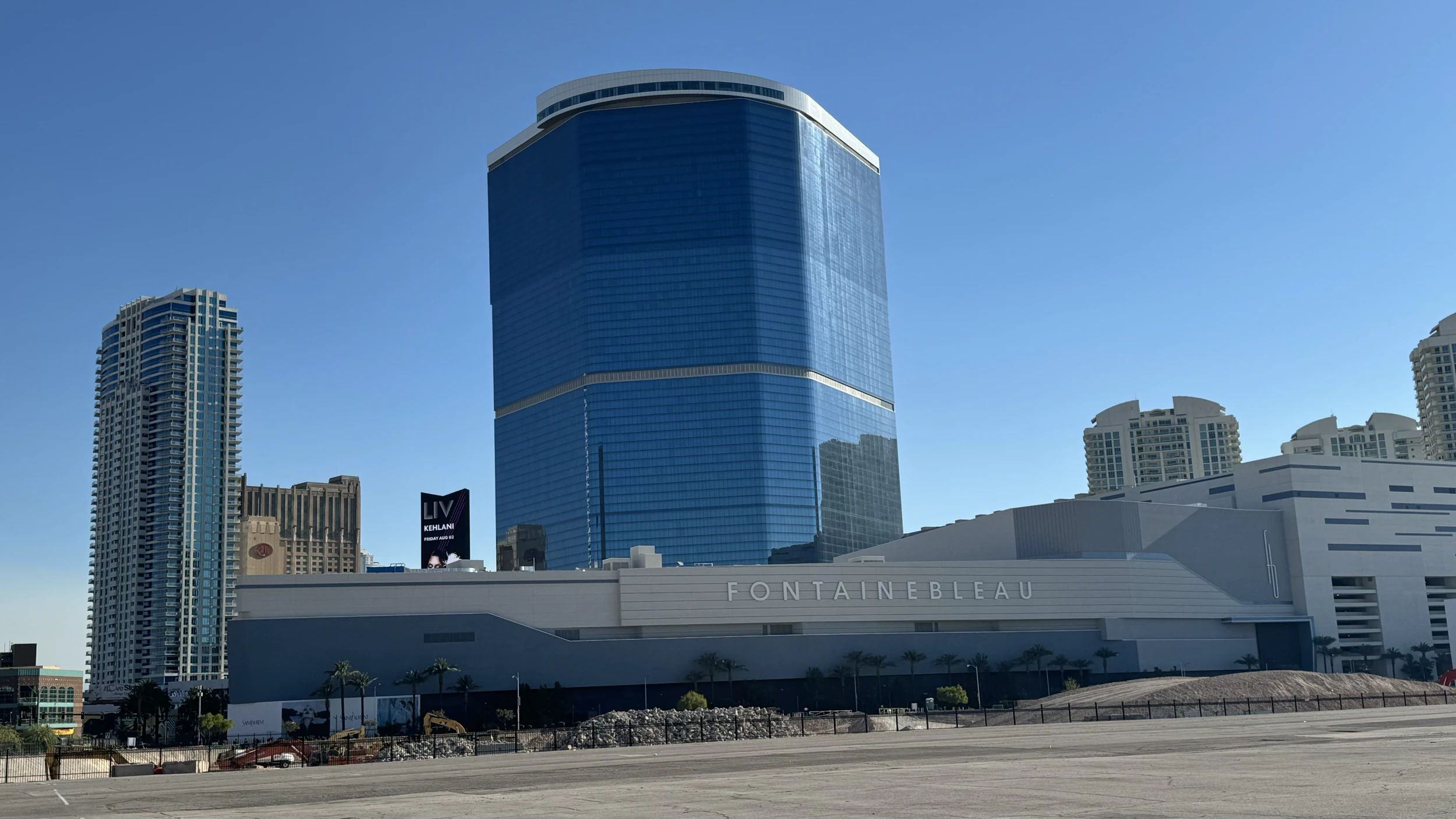
Resource allocation decisions benefit from this contextual knowledge, allowing organizations to develop participation strategies that extend beyond single events. By examining demand patterns across the full spectrum of listed venues, from Fontainebleau Las Vegas to more remote options like Hilton Lake Las Vegas Resort and Spa, planners can create integrated approaches that maximize return across multiple touchpoints in the annual calendar.
Exhibit Design Principles for the Caesars Palace Environment
The distinctive character of Caesars Palace as a luxury resort venue calls for exhibit approaches that harmonize with its architectural and atmospheric elements rather than competing against them. Coordination resources stress the importance of designs that reflect the property's emphasis on sophistication while delivering the functional requirements necessary for effective product demonstration and interaction. This balance requires careful consideration of scale, materials, and experiential components tailored to the specific setting.
Within the Strip Central district, Caesars Palace exhibits benefit from differentiation that acknowledges the resort context compared to the more industrial or modular environments found at the Las Vegas Convention Center or the Venetian Expo. Designs should facilitate smooth integration with surrounding spaces, supporting both scheduled presentations and informal networking that occurs naturally in resort environments. Operational details such as lighting compatibility, power access planning, and adaptability to varying booth dimensions become critical factors in successful coordination.
Long-term effectiveness comes from iterative refinement based on observed performance within this particular venue type. Exhibits that successfully navigate the luxury orientation of Caesars Palace often incorporate subtle technology integrations and interactive zones that engage audiences accustomed to high-end experiences, creating memorable connections while maintaining brand coherence across different Las Vegas clusters.
Logistics Coordination for Strip Central Properties
Logistical planning for Caesars Palace requires attention to the operational specifics associated with Strip Central venues, including timing for material delivery, on-site movement constraints, and coordination with resort service schedules. These details differ notably from logistics at the Las Vegas Convention Center or more spacious suburban properties like Green Valley Ranch. Effective frameworks address these nuances to prevent disruptions while maintaining the quality standards expected in this district.
Transportation sequencing, storage considerations during multi-day events, and contingency planning for the unique challenges of central Strip locations form essential components of comprehensive coordination. The proximity of multiple venues creates both efficiencies and potential congestion points that must be anticipated in advance. Planning resources provide structured approaches for mapping these elements without presuming direct implementation capabilities.
Cross-referencing logistical requirements with those of nearby properties such as Virgin Hotels Las Vegas or Westgate Las Vegas allows for standardized yet flexible protocols that can be adapted across campaigns. This district-aware approach helps organizations develop repeatable processes that improve efficiency over successive events at Caesars Palace and complementary Las Vegas locations.
Timeline Development and Event Synchronization
Creating effective timelines for Caesars Palace events begins with alignment to the broader Las Vegas event calendar and the specific demand drivers that influence scheduling at this property. Planning typically spans months in advance to accommodate design finalization, logistical arrangements, and integration with venue programming. This extended preparation window allows for thorough consideration of how the exhibit fits within the overall event architecture rather than functioning as an afterthought.
Key milestones within these timelines include preliminary venue assessment, iterative design reviews, stakeholder alignment phases, and post-event evaluation periods. For Strip Central properties, additional attention to overlapping activities at adjacent resorts helps avoid conflicts while identifying potential collaboration opportunities. The resulting schedules support sustained performance throughout multi-day programs common at Caesars Palace.
Regular review mechanisms embedded in these timelines facilitate adjustments based on updated information regarding attendance, concurrent programming at other venues like Fontainebleau Las Vegas or Alexis Park, or shifts in market conditions. This adaptive approach distinguishes strategic coordination from more rigid planning methods, enabling responsive optimization throughout the preparation and execution cycle.
Audience Engagement and Experience Optimization
Audiences at Caesars Palace events typically reflect the venue's position within the luxury resort segment of the Las Vegas market, requiring engagement strategies that resonate with professionals expecting elevated experiences. Coordination focuses on creating interaction opportunities that align with both the property's atmosphere and the specific objectives of each exhibition. This involves thoughtful programming that complements rather than competes with the venue's built-in amenities and session formats.
District-level nuances become apparent when comparing engagement approaches suitable for Strip Central against those effective at the Convention Center District or more specialized properties like the Virgin Hotels Las Vegas. Understanding these differences allows for refined tactics that maximize connection quality within the Caesars Palace context. Metrics beyond simple traffic counts, including interaction depth and follow-up conversion potential, provide more meaningful assessment of effectiveness.
Longer-term coordination incorporates insights gained from previous events to continuously improve engagement frameworks. By maintaining awareness of patterns across the full range of Las Vegas venues, from major exposition centers to boutique options like Hilton Lake Las Vegas Resort and Spa, organizations can develop sophisticated audience strategies that evolve with the market while remaining appropriately calibrated to each property's unique character.
Performance Measurement and Strategic Refinement
Evaluating outcomes from Caesars Palace events requires frameworks that account for the specific characteristics of Strip Central resort venues rather than applying uniform metrics across all Las Vegas properties. Success indicators should reflect both immediate engagement results and longer-term business development connected to the distinctive audience profiles attracted to this location. Coordination resources emphasize establishing relevant KPIs during the planning phase to enable accurate assessment.
Comparative analysis against participation at other venues, whether the Las Vegas Convention Center, Mandalay Bay facilities, or more specialized resorts, provides valuable context for understanding relative performance. Documentation of operational details, challenges encountered, and solutions implemented builds institutional knowledge that enhances future coordination efficiency. This evidence-based refinement process supports increasingly sophisticated market presence over time.
The ultimate goal involves developing a comprehensive view of how Caesars Palace fits within an organization's broader Las Vegas strategy, potentially spanning multiple clusters and venue types. Regular review of accumulated insights allows for strategic adjustments that optimize resource deployment and improve results across the entire ecosystem of available exhibition opportunities in the market.
Integration with the Broader Las Vegas Venue Ecosystem
Caesars Palace represents one component within a diverse Las Vegas venue landscape that includes the Las Vegas Convention Center, the Venetian Expo, Westgate Las Vegas Resort and Casino, and numerous other properties distributed across distinct clusters. Strategic coordination recognizes these interconnections, developing approaches that leverage the particular strengths of Caesars Palace while maintaining consistency with activities at complementary locations. This ecosystem perspective prevents siloed planning and promotes more cohesive market strategies.
District differentiation plays a central role in these integrated plans, with Strip Central offering advantages in terms of accessibility and atmosphere that differ from those found in Convention Center District or Strip North properties. Understanding these variations enables more precise matching of objectives to appropriate venues, whether for large-scale product launches better suited to major exposition centers or more targeted executive engagements that align with resort environments like Caesars Palace.
As market conditions evolve, the relationships between these venues continue to shift, requiring ongoing attention to maintain optimal coordination approaches. Resources focused on planning and strategy development support organizations in navigating this complexity, providing structured methods for evaluating options across the full spectrum from urban core properties to more secluded destinations like Hilton Lake Las Vegas Resort and Spa.
Frequently asked questions
How does Caesars Palace differ from other Las Vegas venues in terms of exhibition planning?
As a luxury resort property within the Strip Central district, Caesars Palace requires coordination approaches that integrate with its sophisticated atmosphere and operational patterns, distinct from dedicated facilities like the Las Vegas Convention Center or suburban options such as Green Valley Ranch.
What role does the Strip Central cluster play in Caesars Palace event strategy?
The cluster creates specific logistical considerations, attendee flow patterns, and synergy opportunities that should inform planning, differentiating it from the Convention Center District or Strip South properties in terms of accessibility and event density.
When should coordination begin for events at Caesars Palace?
Planning timelines typically extend 6 to 12 months prior to the event to allow for thorough alignment with demand drivers, design development, and integration with the specific operational requirements of Strip Central venues.
How can exhibits be optimized for the Caesars Palace environment?
Design and programming should complement the resort's luxury aesthetic while delivering functional engagement opportunities, with careful attention to how elements interact with the venue's architecture and the expectations of its particular audience demographic.
What demand drivers influence scheduling at Caesars Palace?
Market-wide demand drivers documented across Las Vegas venues, including major industry conferences and corporate events, create cycles that affect Caesars Palace alongside properties like Fontainebleau Las Vegas, the Venetian Expo, and others listed in primary market resources.
How does district differentiation affect overall Las Vegas exhibition strategy?
Each cluster presents unique operational details, audience characteristics, and logistical considerations. Effective coordination matches specific objectives to the most suitable district, whether Strip Central for Caesars Palace or alternative areas for different event types.
Top venues
See all venues