Las Vegas Venues
Durango Casino and Resort Exhibit Planning Guide in Las Vegas
Strategic coordination resources for trade show exhibitors navigating events at Durango Casino and Resort in southwest Las Vegas.
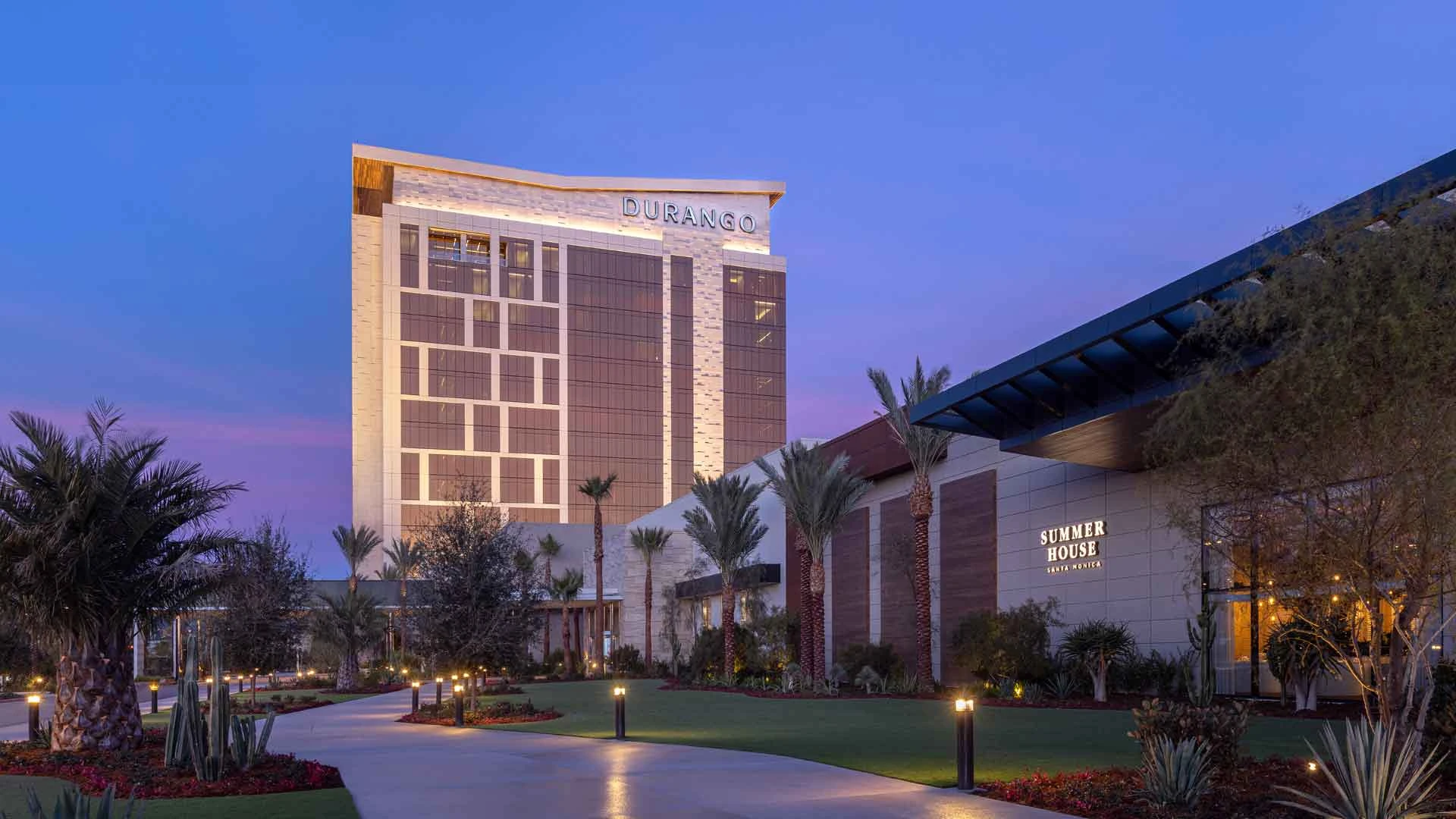
Understanding Durango Casino and Resort's Role in Las Vegas Events
The resort's location in the southwest valley creates a different operational dynamic compared to venues concentrated in Strip South or the Las Vegas Convention Center. Planners must consider how this positioning affects transportation patterns, with easier access from interstate routes appealing to regional corporate groups and associations seeking an alternative to traditional high-density event districts. This setup supports events that benefit from a more contained environment where exhibits can serve as central hubs for networking without competing against overwhelming foot traffic.
Event spaces at the property integrate with the overall resort experience, including proximity to gaming floors and multiple dining options. Coordination requires mapping these connections to determine optimal exhibit placement that encourages natural attendee movement. Strategic planning emphasizes how these adjacencies can enhance brand exposure through extended dwell times as participants move between sessions and hospitality areas.
Market data from comparable Las Vegas properties indicates that southwest venues like this attract audiences with specific professional interests, often tied to industries that favor precision and relationship-building over mass exposure. This informs exhibit narratives that resonate with targeted demographics rather than broad appeals suited to larger convention centers.
Strategic Exhibit Design for the Resort Environment
Exhibit designs for Durango Casino and Resort should account for the property's modern architectural style and varied lighting conditions across event and adjacent public spaces. Planning involves selecting structures that maintain visual impact while allowing flexibility for different session formats, from breakout meetings to larger receptions. The goal is to create displays that facilitate conversation in a hospitality-driven setting where attendees may arrive with varied expectations formed by the resort's leisure components.
Coordination with venue specifications ensures materials align with operational parameters for setup and breakdown, avoiding disruptions to the property's ongoing programming. This includes attention to scale so exhibits neither overwhelm intimate spaces nor get lost in more open areas. Effective designs incorporate elements that tie into the resort's contemporary aesthetic, reinforcing brand messages through contextual relevance.
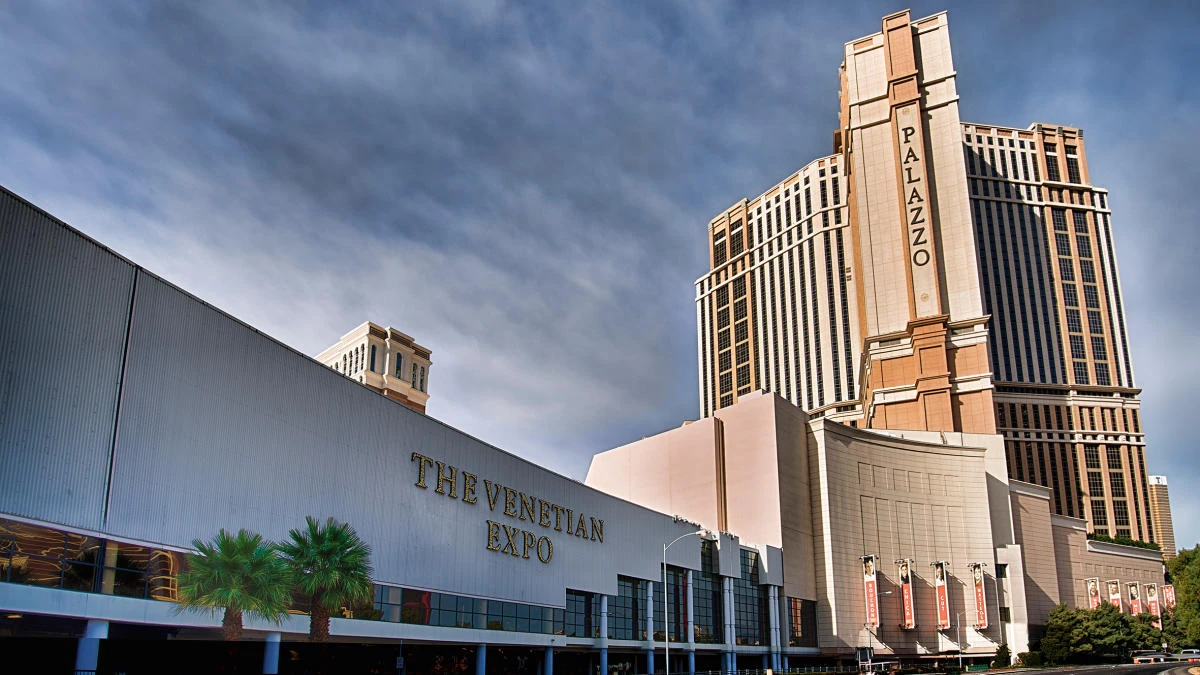
Nuanced differentiation comes from analyzing how event types at this location differ from those at places like the Venetian Expo or Westgate Las Vegas. Here, the emphasis often falls on experiential elements that encourage lingering, suggesting modular components that adapt to both structured presentations and informal networking periods.
Resource allocation in the design phase should prioritize durability and ease of reconfiguration, supporting multiple uses across a single event cycle while maintaining professional appearance throughout extended hours.
Logistics and Operational Coordination Best Practices
Coordinating logistics for exhibits at Durango Casino and Resort requires precise timeline development that respects the property's integrated operations. This includes mapping delivery windows, material handling sequences, and access points to minimize interference with daily resort activities. Authoritative planning stresses early identification of these constraints to build buffers that accommodate both exhibit needs and the venue's hospitality schedule.
Transportation planning focuses on the southwest location's highway advantages, enabling more predictable inbound and outbound scheduling compared to venues in heavily trafficked central districts. However, coordination still demands clear communication protocols for all parties to ensure smooth transitions from arrival to installation without assuming on-site execution capabilities.
Post-event coordination involves structured teardown processes that align with the resort's overnight operational requirements. Detailed checklists help track each phase, from dismantling to outbound shipping, maintaining organization in a multi-use facility where event spaces may transition quickly to other functions.
Successful outcomes depend on comprehensive checklists that cover every operational touchpoint, creating a reliable framework that supports exhibitors regardless of event scale.
Audience Engagement Strategies Specific to This Venue
Engagement at Durango Casino and Resort benefits from the property's ability to blend business with hospitality, creating natural opportunities for deeper interactions. Planning should identify how attendees move between event sessions, casino areas, and dining venues to position activation zones that capture attention during these transitions. This district-specific approach yields higher conversion potential than generic tactics used in larger Convention Center District environments.
Demographic patterns in southwest Las Vegas events often include professionals from regional industries who respond well to consultative demonstrations rather than high-volume lead generation. Coordination resources help tailor messaging that aligns with these preferences, emphasizing solution-oriented experiences that fit the resort's sophisticated yet approachable atmosphere.
Technology-enhanced engagement tools can be integrated to capture data smoothly while respecting the venue's ambiance. Planning involves selecting solutions that enhance rather than disrupt the flow, ensuring staff are prepared to facilitate meaningful conversations that extend beyond the booth footprint into adjacent lounge or reception areas.
Technology Integration and Infrastructure Planning
The resort's modern infrastructure supports a range of presentation and connectivity options that savvy exhibitors can leverage through careful planning. Coordination involves assessing bandwidth requirements, power availability, and AV compatibility specific to the event spaces to ensure uninterrupted performance during key sessions. This preparation prevents technical issues that could undermine otherwise strong exhibit strategies.
Digital integration extends to lead capture systems and interactive displays that perform optimally within the property's network parameters. Strategic planning includes testing protocols and backup solutions to maintain professionalism throughout the event duration, particularly important in a venue where attendees may compare experiences against other Las Vegas properties.
Innovation opportunities exist in aligning exhibit technology with the resort's overall guest experience focus. This might include apps or digital wayfinding that help attendees locate both the exhibit and complementary resort amenities, creating a cohesive journey that reinforces the exhibitor's attention to detail.
Budget Development and Resource Allocation
Developing a budget for Durango Casino and Resort events requires balancing exhibit investment against the venue's unique cost drivers, including transportation efficiencies from its off-Strip location and potential savings in attendee acquisition due to targeted demographics. Planning resources help identify where allocation delivers highest return, such as in customized materials that perform across multiple event types versus one-off installations.
Comparative analysis with properties like Green Valley Ranch or Hilton Lake Las Vegas reveals opportunities to optimize spending on elements that directly impact engagement in resort settings. This includes prioritizing staff training for the specific audience mix and investing in follow-up coordination tools that extend the event's value beyond the physical presence.
Comprehensive budgeting incorporates contingency planning for variables like fluctuating attendance patterns common to suburban Las Vegas venues. By focusing on measurable outcomes tied to the resort's programming, exhibitors can refine allocations over time for increasingly efficient participation.
Long-term planning considers how initial events at this property can establish precedents for future coordination, building institutional knowledge that reduces costs on subsequent activations.
Comparative Analysis with Other Las Vegas Venues
When evaluating Durango Casino and Resort against options in Strip North or the Venetian Expo, key distinctions emerge in scale, audience composition, and operational tempo. The southwest location typically supports more focused events with less emphasis on massive concurrent programming, allowing exhibits to command greater relative attention. This differentiation guides decisions on design scale and activation intensity.
Unlike the high-volume environment of the Las Vegas Convention Center, events here integrate more closely with hospitality services, suggesting exhibit strategies that extend into networking dinners or lounge areas. Planning coordination helps map these opportunities while maintaining clear boundaries with the property's primary functions.
Properties such as Virgin Hotels Las Vegas or Alexis Park offer somewhat similar boutique feels, yet Durango's newer construction and specific valley placement create unique traffic patterns that reward precise timing and placement. Understanding these nuances prevents misapplication of tactics successful in central districts.
Frequently asked questions
How does the southwest Las Vegas location of Durango Casino and Resort affect exhibit planning?
The 215 Beltway location typically offers more predictable logistics and attracts regional audiences, requiring strategies that capitalize on easier access while adapting to the resort's integrated hospitality flow rather than standalone convention traffic.
What should exhibitors prioritize when designing for this venue compared to the Las Vegas Convention Center?
Focus on conversational setups that integrate with dining and entertainment areas rather than high-visibility mass appeal. The more contained environment rewards nuanced, experience-driven designs over large-scale structures.
How far in advance should coordination begin for events at Durango Casino and Resort?
Detailed planning timelines should start several months ahead to account for property-specific operational requirements, material approvals, and alignment with the resort's broader programming schedule.
What technology considerations are unique to events at this resort?
Infrastructure supports modern connectivity but benefits from early assessment to ensure compatibility with both event spaces and adjacent public areas, maintaining smooth performance within the hospitality environment.
How does audience engagement differ at Durango compared to Strip Central venues?
Attendees often seek more consultative interactions in this setting, responding better to educational demonstrations and relationship-focused activations that align with the resort's sophisticated yet relaxed atmosphere.
What metrics matter most when evaluating success at this venue?
Quality of connections, extended engagement time, and post-event conversion rates typically provide better indicators than raw lead volume, given the targeted nature of southwest valley events.
Top venues
See all venues