Las Vegas Venues
Horseshoe Las Vegas: Strategic Exhibition Coordination for Central Strip Events
Develop precise planning approaches for exhibitions at Horseshoe Las Vegas by focusing on the property's position in the central Las Vegas Strip and its distinct operational characteristics that shape attendee experiences and brand interactions.
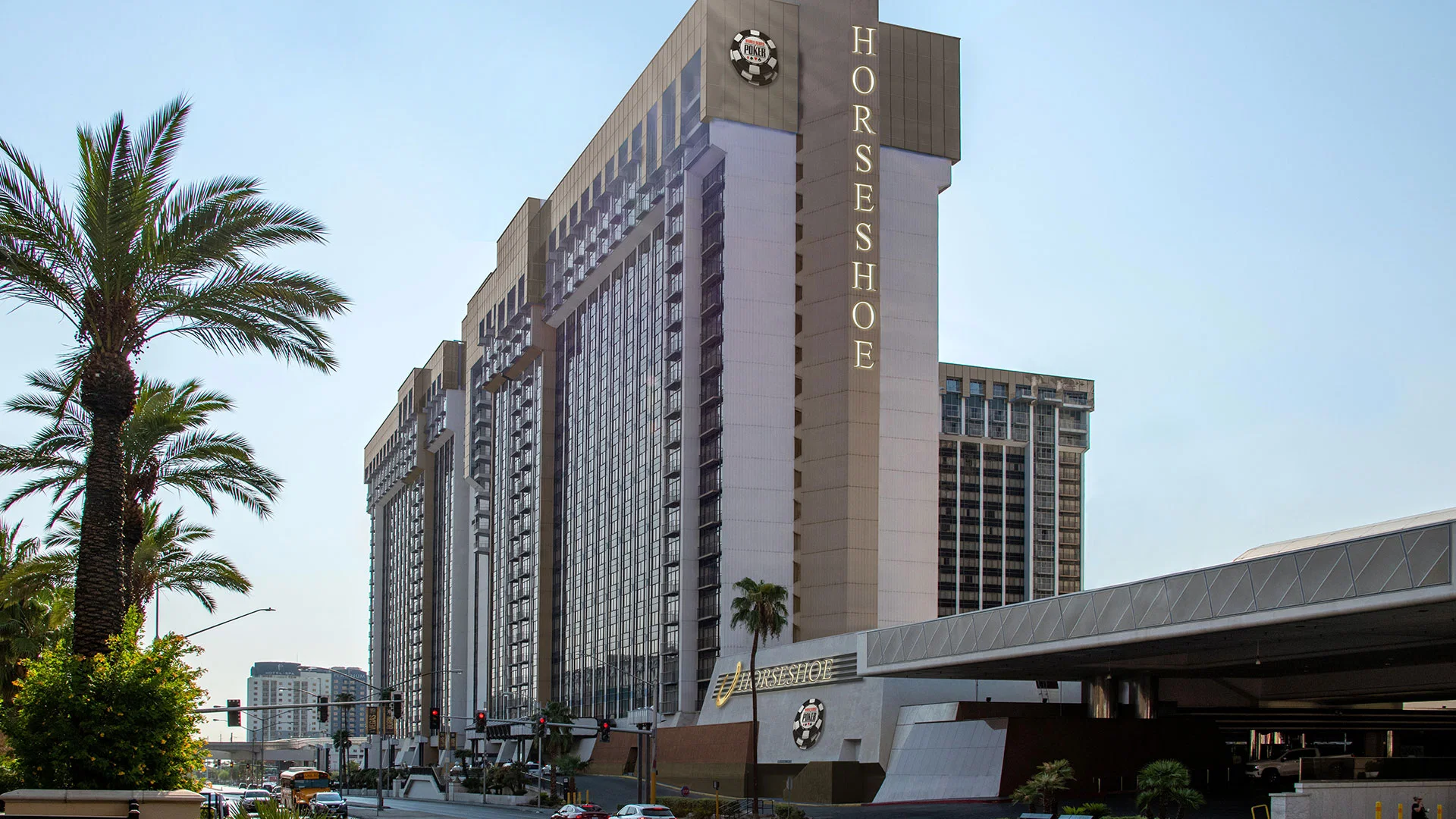
Contextualizing Horseshoe Las Vegas Within Strip Central Operations
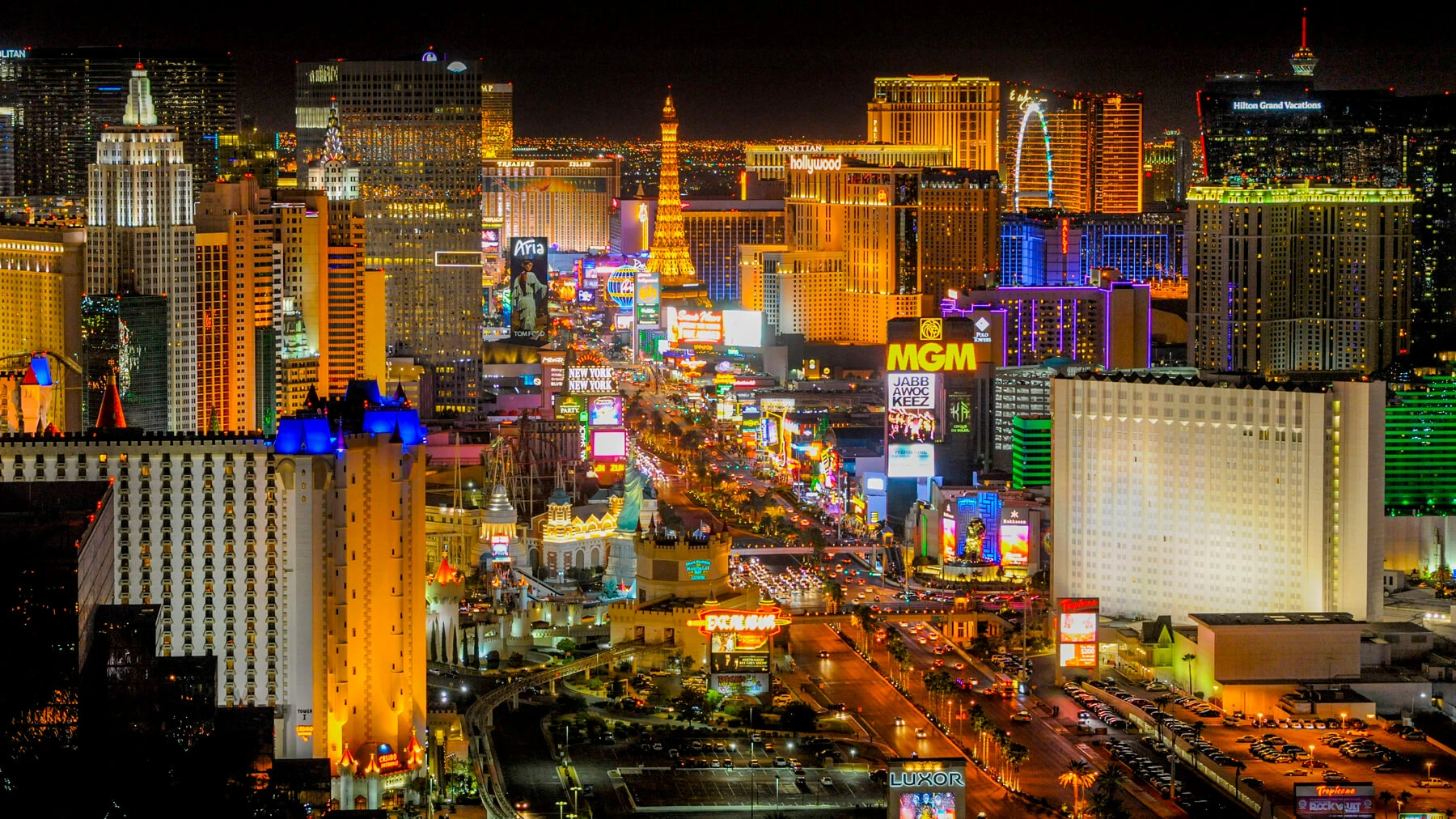
The placement of Horseshoe Las Vegas in central the Strip Central cluster creates a planning environment defined by high pedestrian density and the interplay between casino operations and scheduled professional functions. Unlike the purpose-driven infrastructure of the Las Vegas Convention Center or the more contained setups at northern properties, this district fosters natural crossover traffic that can amplify exposure when coordinated effectively. Planners must account for how attendees navigate between resort amenities, external attractions, and event spaces, which influences optimal placement and design elements to ensure visibility without overwhelming the environment.
This differentiation extends to the operational cadence, where events at Horseshoe Las Vegas often coincide with broader market activity across nearby venues. Preparation involves building in considerations for variable attendance patterns driven by the central location, allowing exhibitors to capitalize on both registered participants and opportunistic visitors drawn by the property's reputation. Such nuances require a planning lens that prioritizes adaptability, ensuring resources are directed toward elements that perform best under these specific conditions rather than generic approaches applied uniformly across Las Vegas districts.
Effective coordination therefore begins with a thorough mapping of these district realities, enabling more informed decisions about scale, timing, and activation. The central Strip setting supports programs that leverage the energetic atmosphere, turning potential distractions into opportunities for memorable brand encounters when every detail is aligned with the venue's unique characteristics.
Timeline Development and Operational Synchronization
Developing timelines for Horseshoe Las Vegas requires synchronization with the property's 24-hour operational rhythm and the intensified activity levels typical of central Strip locations. This goes beyond standard event calendars to incorporate buffers for high-traffic periods, setup constraints influenced by resort guest activity, and the need to align with broader Las Vegas event cycles that frequently overlap across multiple properties. Authoritative planning emphasizes building these realities into the schedule from the outset, creating a framework that maintains momentum while preventing conflicts with the venue's primary hospitality functions.
The process involves mapping key milestones against district-specific factors, such as transportation influxes along Las Vegas Boulevard and the scheduling patterns of neighboring resorts that can impact overall attendance. By focusing on these operational details, coordinators can establish realistic benchmarks for design finalization, resource allocation, and on-site adjustments that respect the fast-paced nature of this cluster. This level of specificity distinguishes planning for Horseshoe Las Vegas from approaches suited to more isolated suburban conference hotels or the massive halls of dedicated convention facilities.
Attention to these elements supports smoother execution and better outcomes, allowing teams to focus on strategic objectives rather than reactive problem-solving. The central district context means that small timing adjustments can yield significant differences in visibility and engagement, making rigorous timeline coordination an essential component of any successful exhibition strategy at this venue.
Longer-range planning also considers how Horseshoe Las Vegas fits into annual market rhythms, enabling proactive positioning for peak seasons when the central Strip sees intensified activity from both business and leisure travelers.
Design Adaptation for the Distinctive Resort Setting
Exhibit design for Horseshoe Las Vegas must respond to the particular visual and spatial characteristics of a landmark casino resort, where lighting conditions, architectural features, and ambient energy differ markedly from standard convention environments. Coordination involves selecting components that maintain professional credibility while engaging audiences accustomed to the stimulating atmosphere of the central Strip. This venue-specific calibration affects choices in color palettes, structural heights, and interactive features to ensure they perform effectively within the available spaces and compete appropriately for attention.
The process prioritizes modularity and flexibility to accommodate the varied configurations possible in resort meeting areas, allowing adjustments based on final space assignments and expected attendance. Planners focus on how design elements integrate with the property's heritage and surroundings, creating cohesion that reinforces rather than clashes with the established environment. Such nuance elevates the exhibition from a standard display to a tailored experience that resonates with the audience drawn to events in this district.
Operational details like material durability under continuous foot traffic and the integration of technology to cut through potential distractions receive particular emphasis during the planning phase. By addressing these factors with precision, the design phase contributes directly to overall program effectiveness, supporting stronger connections in an environment where attendees often balance multiple interests.
This adaptive approach also considers sustainability aspects appropriate to the Las Vegas market, selecting options that align with evolving expectations while meeting the functional demands of central Strip exhibitions.
Engagement Tactics Matched to Central District Audiences
Audiences at Horseshoe Las Vegas events typically reflect a blend of industry-focused professionals and those incorporating the Las Vegas experience into their visit, creating a need for engagement strategies that address both motivations with sophistication. Planning coordination emphasizes activations that feel organic to the resort context rather than imposed, fostering interactions that capitalize on the property's reputation for memorable experiences. This requires understanding how the central location influences attendee mindsets, with many arriving via the Strip and carrying impressions from surrounding properties.
Effective tactics incorporate qualification methods suited to potentially higher walk-in volumes, ensuring staff resources focus on high-potential connections amid the district's competitive environment. The planning resource role involves providing frameworks for developing these approaches, highlighting how subtle adjustments in presentation and follow-up can yield better results compared to methods used in more traditional convention center settings or quieter suburban venues.
Measurement of engagement extends beyond immediate metrics to include indicators of lasting impact, recognizing that the Horseshoe Las Vegas setting often facilitates relationship-building in more relaxed intervals between formal sessions. By embedding these considerations into the coordination plan, exhibitors position themselves to capture value unique to this Strip Central context.
Ongoing refinement of tactics based on observed patterns at similar district properties further strengthens outcomes, creating a cycle of improvement tailored to the specific characteristics of Horseshoe Las Vegas events.
Resource Coordination and Market Alignment
Coordinating resources for Horseshoe Las Vegas involves aligning with the broader operational ecosystem of the Las Vegas market while maintaining focus on the venue's central district requirements. This includes developing frameworks for vendor selection, material handling, and support services that respect the logistical patterns of properties along the Strip. As a planning authority, the guidance centers on creating comprehensive checklists and decision matrices that help organizations navigate available options without presupposing specific execution pathways.
The central positioning introduces particular considerations around accessibility, where proximity to major thoroughfares can streamline certain aspects while intensifying others during peak times. Planning addresses these through structured evaluation processes that weigh district-specific variables, ensuring resource decisions enhance rather than complicate the exhibition program. This level of detail supports more confident preparation across the multiple stages from concept to evaluation.
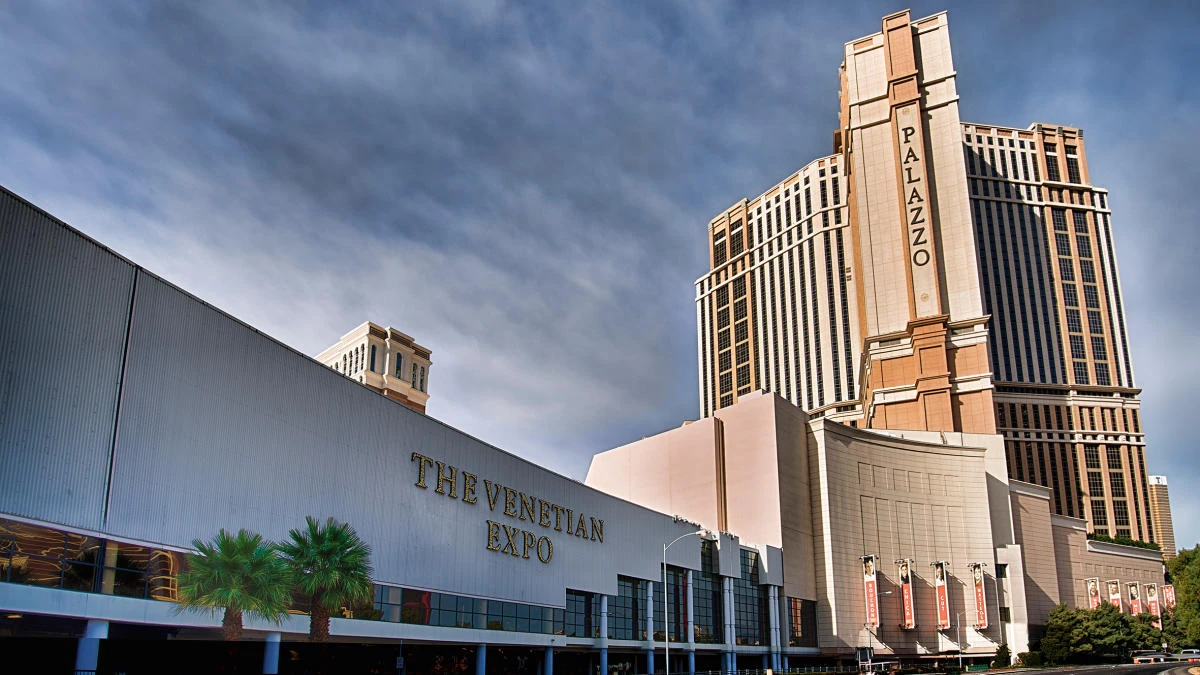
Integration with the larger set of Las Vegas venues, including those in the Venetian Expo or Fontainebleau clusters, allows for strategic insights that inform how Horseshoe Las Vegas fits into multi-event itineraries. Such holistic coordination maximizes efficiency for organizations with presence across different districts, leveraging the unique advantages of each location.
Emphasis remains on adaptability, equipping planners with tools to adjust resource allocation based on evolving event parameters while staying grounded in the operational realities of central Strip properties.
Performance Evaluation Frameworks for Resort-Based Events
Evaluating success at Horseshoe Las Vegas demands frameworks that capture the distinctive outcomes possible in a central Strip resort setting, moving beyond conventional metrics to include indicators of engagement quality and environmental fit. Coordination planning incorporates objective-setting at the earliest stages, establishing benchmarks reflective of the audience demographics and interaction opportunities specific to this property. This approach recognizes that the blend of business focus with leisure elements often produces different value propositions than those at dedicated convention centers or more isolated resorts.
Post-event analysis benefits from structured review processes that examine how well the exhibition performed within the district context, identifying insights applicable to future iterations at Horseshoe Las Vegas or comparable venues. The central location's influence on traffic and dwell times receives particular scrutiny, allowing for data-driven refinements that enhance precision in subsequent planning cycles.
Longer-term measurement considers the compounding effects of consistent presence in this market, where relationships built through well-coordinated events at landmark properties can yield extended business impact. By embedding robust evaluation from the beginning, organizations gain clearer visibility into return on investment tailored to the nuances of Strip Central exhibitions.
These frameworks also support comparative analysis across the various Las Vegas venue types, highlighting the particular strengths of Horseshoe Las Vegas for certain exhibition objectives and audience segments.
Evolving Considerations for Sustained Presence at Horseshoe Las Vegas
The Las Vegas events landscape continues to develop, with properties like Horseshoe Las Vegas adapting to incorporate new formats, technologies, and attendee preferences that affect exhibition coordination. Forward-focused planning integrates flexibility to accommodate these changes, ensuring strategies remain relevant within the central district's competitive environment. This involves monitoring shifts across venue clusters to identify how they may influence optimal approaches at this specific location over time.
Adaptive frameworks help organizations maintain effectiveness by building in review points that assess alignment with emerging trends while preserving core elements proven successful at Horseshoe Las Vegas. The property's position in the Strip Central area means that innovations in areas like hybrid participation or experiential activations can have amplified impact when coordinated with the existing operational characteristics.
Sustained presence benefits from accumulated knowledge of the venue's rhythms, allowing for increasingly sophisticated planning that leverages historical patterns alongside new developments. This evolutionary perspective supports more strategic allocation of resources and higher cumulative returns across multiple events.
By maintaining an authoritative planning stance, the focus stays on equipping decision-makers with actionable insights that evolve alongside the market, always grounded in the specific context of Horseshoe Las Vegas and its district differentiation.
Frequently asked questions
How does the central Strip location of Horseshoe Las Vegas affect exhibition planning compared to the Convention Center District?
The central Strip positioning creates different attendee flow patterns with more crossover from leisure traffic, requiring designs and activations that perform in higher-energy environments with potentially shorter interaction windows than the structured layouts of dedicated convention facilities.
What timing factors should be prioritized when coordinating events at Horseshoe Las Vegas?
Planning should account for the property's integration with broader Strip activity cycles, building buffers for peak pedestrian periods and aligning with concurrent events at neighboring resorts to optimize visibility and resource availability.
How should exhibit design account for the resort environment at this venue?
Design must balance professional presentation with the busy casino atmosphere, focusing on elements that stand out amid surrounding stimuli while integrating thoughtfully with the architectural and lighting characteristics typical of central Las Vegas Strip properties.
What audience characteristics influence engagement strategies at Horseshoe Las Vegas?
Attendees often combine professional objectives with the Las Vegas experience, benefiting from tactics that acknowledge this blend through authentic activations and efficient qualification methods suited to the district's mixed traffic patterns.
What role does district differentiation play in overall coordination success?
Recognizing how Strip Central differs from other clusters in scale, accessibility, and operational cadence enables more precise resource allocation and strategy development tailored to the specific opportunities and challenges of Horseshoe Las Vegas.
How can performance be effectively measured for events at this property?
Frameworks should incorporate both quantitative traffic data and qualitative indicators of engagement quality, reflecting the unique value created in a resort setting where memorable interactions often drive longer-term business relationships.
Top venues
See all venues