Las Vegas Venues
JW Marriott Las Vegas Resort and Spa: Strategic Exhibit Planning and Coordination
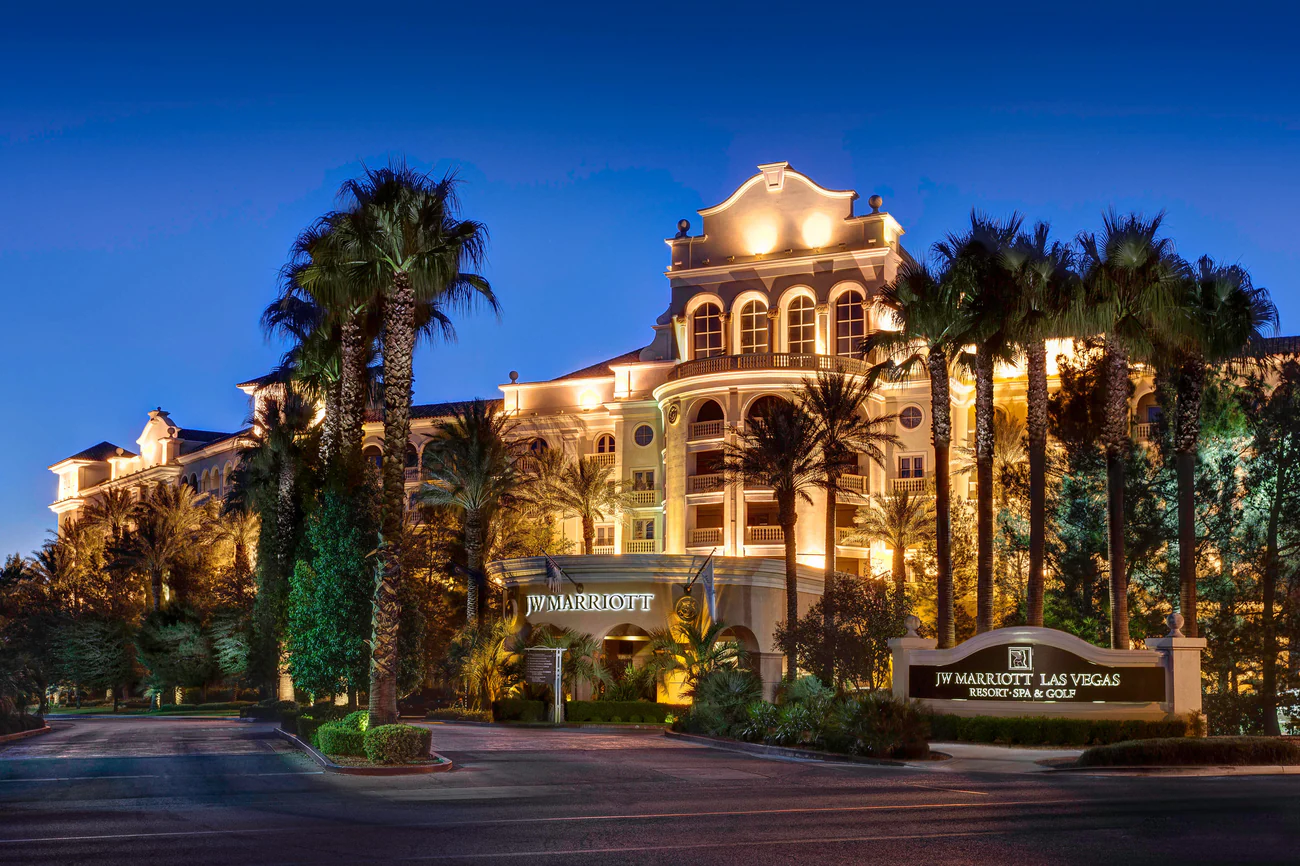
The JW Marriott Las Vegas Resort and Spa provides a refined off-Strip setting that rewards precise exhibit coordination and thoughtful integration with resort-style conference facilities.
Understanding the Venue's Role in the Las Vegas Event Ecosystem
The JW Marriott Las Vegas Resort and Spa functions as a strategic alternative within the Las Vegas venue landscape, situated outside the primary Strip clusters and convention center district. This positioning allows event organizers to access a more contained and upscale environment while remaining within reasonable proximity to major business corridors. Coordination resources emphasize how this resort integrates with the city's overall infrastructure of meeting facilities, providing planners with options that balance seclusion with connectivity to the larger market.
Resort campuses in this category support events that prioritize quality interactions over sheer volume. The property's layout encourages curated experiences where exhibits can serve as focal points for discussion rather than transit-oriented displays. Successful planning accounts for these dynamics by developing solutions that respect the scale and character of the spaces while contributing to the overall event narrative.
Market data from Las Vegas business event resources consistently highlight the value of diversified venue choices. Properties positioned similarly to the JW Marriott Las Vegas Resort and Spa enable organizations to reach specialized audiences that may prefer refined settings over high-energy Strip environments. This differentiation becomes a core element of strategic planning, influencing everything from invitation strategy to exhibit messaging.
Exhibit Design Principles for Resort Conference Settings
Exhibit structures intended for the JW Marriott Las Vegas Resort and Spa must harmonize with the property's emphasis on sophisticated materials and tranquil aesthetics. Bold, high-impact designs common in convention center environments may feel out of place here, whereas modular systems with refined finishes tend to support the desired tone. Planning therefore begins with a clear understanding of how visual elements will interact with natural light, interior palettes, and architectural details specific to resort ballrooms and meeting suites.
Interactive components should facilitate conversation rather than compete for attention. Touchpoints, demonstration areas, and seating configurations need to be scaled appropriately so they enhance rather than disrupt the flow of a resort-style event. This approach often yields higher quality engagements, as attendees in these environments typically allocate more time to individual exhibits when the setting encourages it.
Graphics and messaging must reinforce brand positioning without overwhelming the space. Clean typography, subtle animation where appropriate, and high-resolution imagery that aligns with the venue's luxury positioning produce better results than dense text panels. Coordination at this stage prevents costly adjustments later and ensures the exhibit contributes positively to the overall impression of the event.
Logistical Coordination Within the Las Vegas Resort Framework
Material handling and scheduling for events at the JW Marriott Las Vegas Resort and Spa follow parameters formed by resort operations rather than dedicated exhibition docks found at central convention facilities. Advance planning of delivery windows, staging areas, and move-in sequences helps maintain the property's service standards while meeting program timelines. This process benefits from early alignment with the broader Las Vegas event calendar to avoid peak conflicts.
Transportation considerations extend beyond the venue itself to include efficient routing from other district hubs such as the Convention Center District or Strip Central. Attendees arriving from major resorts or the airport experience smoother transitions when exhibit elements are positioned to complement rather than complicate arrival patterns. Strategic sequencing of these elements forms a core part of comprehensive event architecture.
Post-event disassembly and outbound logistics require similar foresight. Clear timelines and designated pathways minimize disruption to ongoing resort activities. When integrated correctly, these operational details allow the exhibit to fulfill its purpose without drawing attention to the mechanics of its presence.
Technology Integration Suited to Executive Resort Environments
Modern exhibits at venues like the JW Marriott Las Vegas Resort and Spa increasingly incorporate digital tools that enhance rather than dominate the experience. Presentation systems, connectivity solutions, and data capture methods must operate reliably within the technical infrastructure typical of upscale resorts. Planning includes verification of power requirements, bandwidth availability, and audiovisual compatibility to prevent disruptions during key sessions.
The audience profile at these events often includes decision-makers who respond well to smooth demonstrations and personalized digital interactions. Touchscreen displays, augmented reality components, and integrated lead retrieval systems can be effective when calibrated to the room acoustics and ambient lighting. Overly complex setups risk distracting from the core message, so balance remains essential.
Data security and privacy considerations gain heightened importance in environments where high-level executives gather. Coordination of compliant technology platforms ensures that information collected during the event meets both corporate standards and venue expectations. This layer of planning protects the integrity of the entire program.
Seasonality and Market Timing for Las Vegas Events
Las Vegas experiences distinct demand cycles that influence attendance and operational considerations at all venue types, including resort properties such as the JW Marriott Las Vegas Resort and Spa. Periods aligned with major industry conferences or avoiding extreme summer temperatures typically yield stronger participation. Strategic scheduling against these patterns allows exhibitors to maximize visibility and interaction potential.
The city's role as a year-round destination creates both opportunities and challenges. Shoulder seasons may offer more favorable rates and availability at resort campuses, while peak periods bring larger audiences but increased competition for attention. Understanding these rhythms helps shape not only when to exhibit but also how to differentiate the presentation.
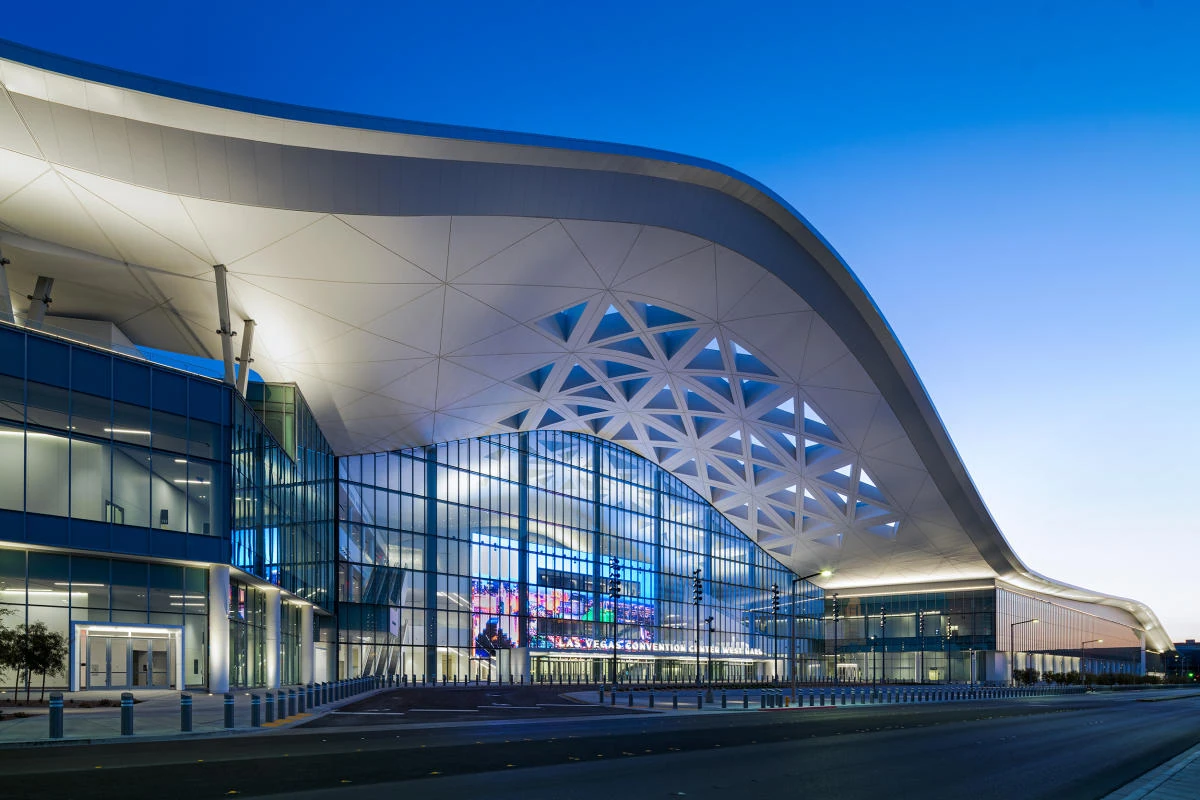
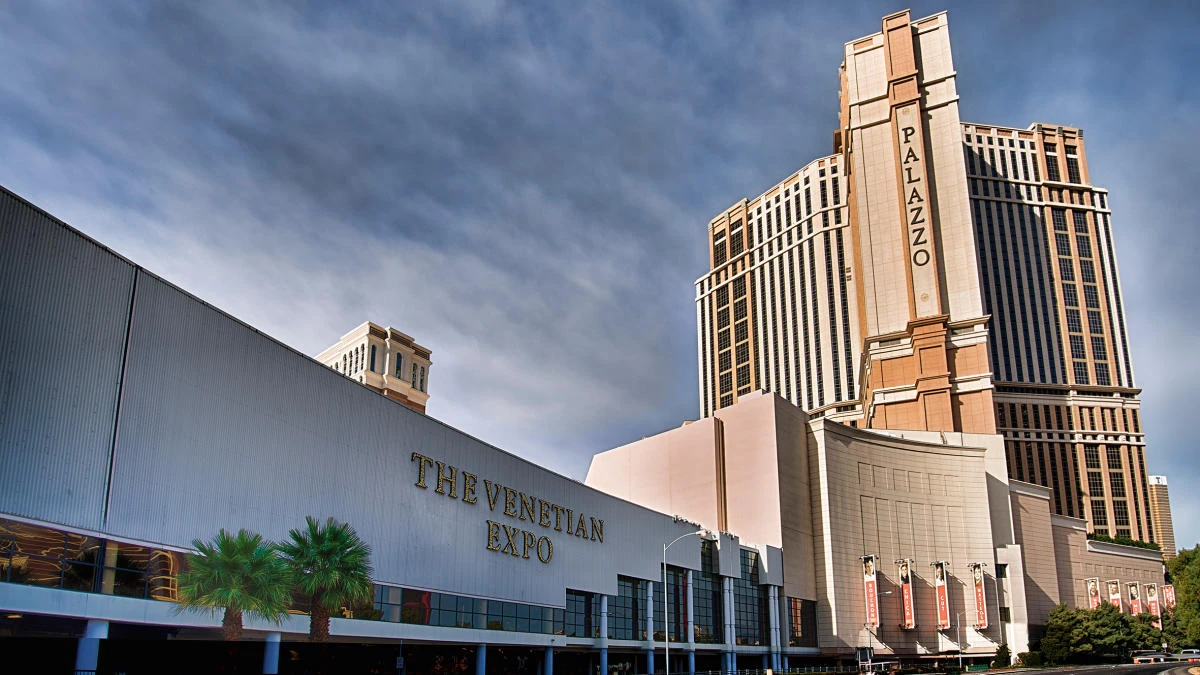
Cross-referencing with activity at primary facilities such as the Las Vegas Convention Center or the Venetian Expo provides additional context for timing decisions. Events that complement rather than compete with these larger gatherings often achieve better results at satellite venues. This market awareness forms an important part of the planning matrix.
Measuring Outcomes and Refining Future Exhibit Strategies
Successful coordination for the JW Marriott Las Vegas Resort and Spa extends beyond installation to include structured evaluation of results. Metrics should reflect the venue's emphasis on quality engagements rather than raw traffic counts. Lead quality, conversation depth, and post-event follow-up conversion rates provide more relevant indicators than simple booth traffic tallies.
Documentation of spatial performance, technology effectiveness, and audience response creates a reference base for subsequent events at this or similar properties. Patterns observed in resort settings often differ from those in convention center environments, making venue-specific insights particularly valuable. Systematic review turns each program into a foundation for continuous improvement.
The broader Las Vegas market offers abundant benchmarking opportunities across its range of venue types. Comparing outcomes from resort campuses against those from Strip Central or Convention Center District events reveals clear preferences and performance variations. These comparisons inform more nuanced planning for future iterations.
Sustainability Practices in Resort Venue Exhibitions
Increasingly, exhibitors at Las Vegas venues incorporate sustainable elements that align with the environmental values of their audiences and the operational goals of resort properties. Material selection, reuse strategies, and waste reduction protocols can be adapted to the scale and style of events at the JW Marriott Las Vegas Resort and Spa. These practices enhance brand reputation while supporting efficient coordination.
Properties in this category often maintain standards for resource management that extend to third-party exhibits. Planning with these expectations in mind avoids last-minute adjustments and demonstrates foresight. Modular components, recyclable substrates, and digital alternatives to printed collateral represent practical steps toward responsible exhibition.
The desert climate and regional context of Las Vegas add another dimension to sustainability planning. Solutions that minimize energy consumption and water usage resonate particularly well in this environment. When integrated thoughtfully, these elements become part of the exhibit narrative rather than an afterthought.
Frequently asked questions
How does the JW Marriott Las Vegas Resort and Spa differ from Strip venues for exhibit planning?
This resort property offers a more contained and upscale environment that favors conversational exhibits and refined aesthetics over high-traffic, high-energy displays common on the Strip. Coordination focuses on integration with luxury surroundings and targeted audience experiences rather than maximizing volume.
What types of events work best at this venue?
Corporate meetings, executive retreats, specialized industry gatherings, and mid-sized conferences benefit from the serene setting and resort amenities. The property supports programming that values depth of engagement and brand alignment with a sophisticated atmosphere.
When should exhibit planning begin for events at this resort?
Initial strategy development should start 6 to 12 months in advance to align with Las Vegas market seasonality, secure appropriate space configurations, and allow sufficient time for design iteration and logistical sequencing.
How can exhibitors differentiate from events held at the Las Vegas Convention Center?
Focus on experiential and conversational elements that leverage the resort's intimate scale and elegant environment. Emphasize quality interactions and integrated programming rather than large-scale visibility tactics suited to convention center floorplans.
What technology considerations are important for this venue?
Solutions must integrate smoothly with resort infrastructure, maintain refined aesthetics, and support reliable connectivity for executive audiences. Redundant systems and compatibility with house audiovisual capabilities help ensure smooth operation.
How does seasonality affect planning for this Las Vegas resort?
Peak convention periods and extreme summer temperatures influence attendance and logistics. Shoulder seasons may provide better availability and rates while still drawing committed audiences when aligned with relevant industry calendars.
Top venues
See all venues