Las Vegas Venues
MGM Grand Hotel and Casino Trade Show Planning and Coordination
Authoritative strategies for planning exhibits and events at one of the Las Vegas Strip's flagship resort properties.
Understanding MGM Grand in the Las Vegas Venue Ecosystem
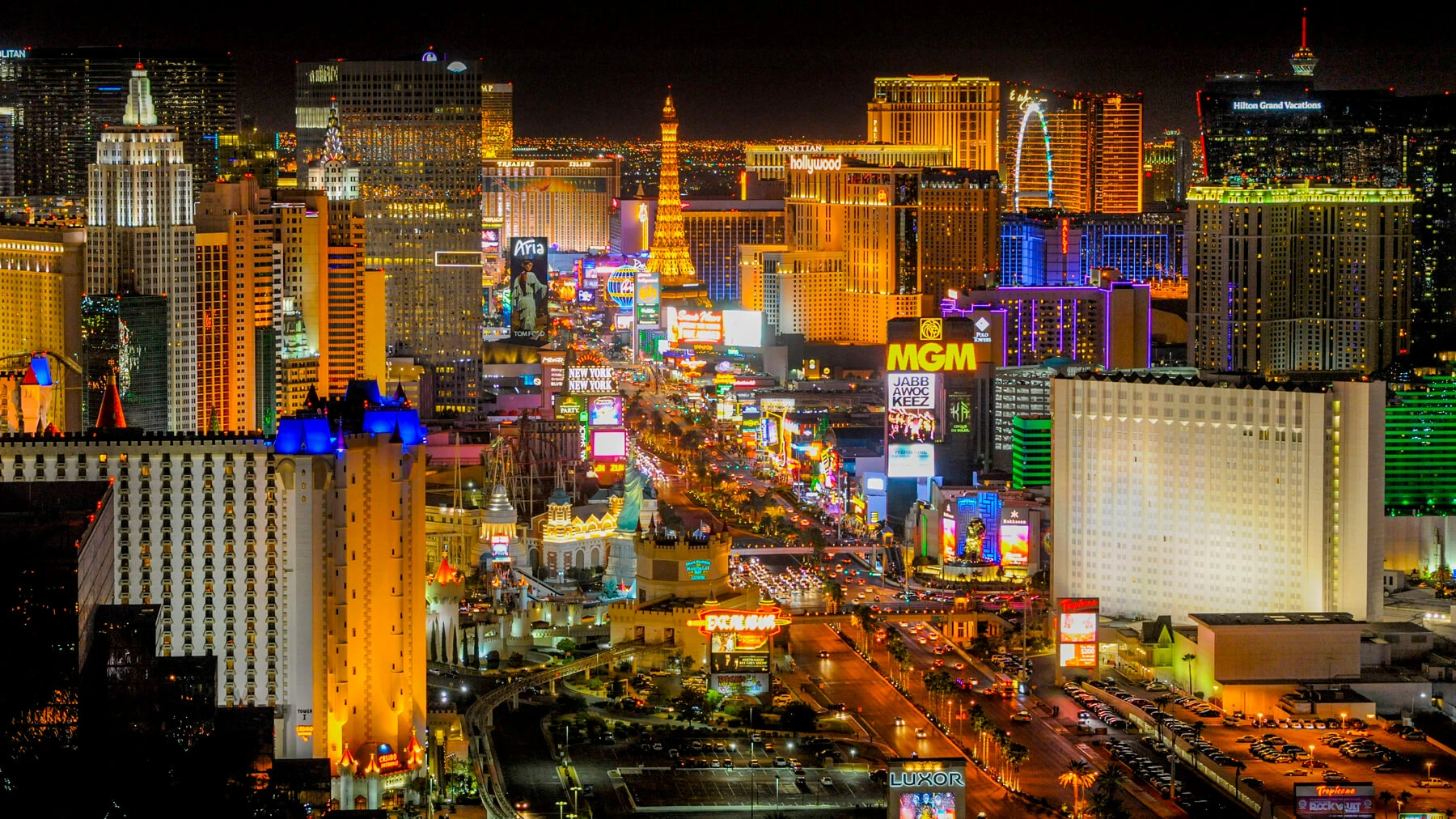
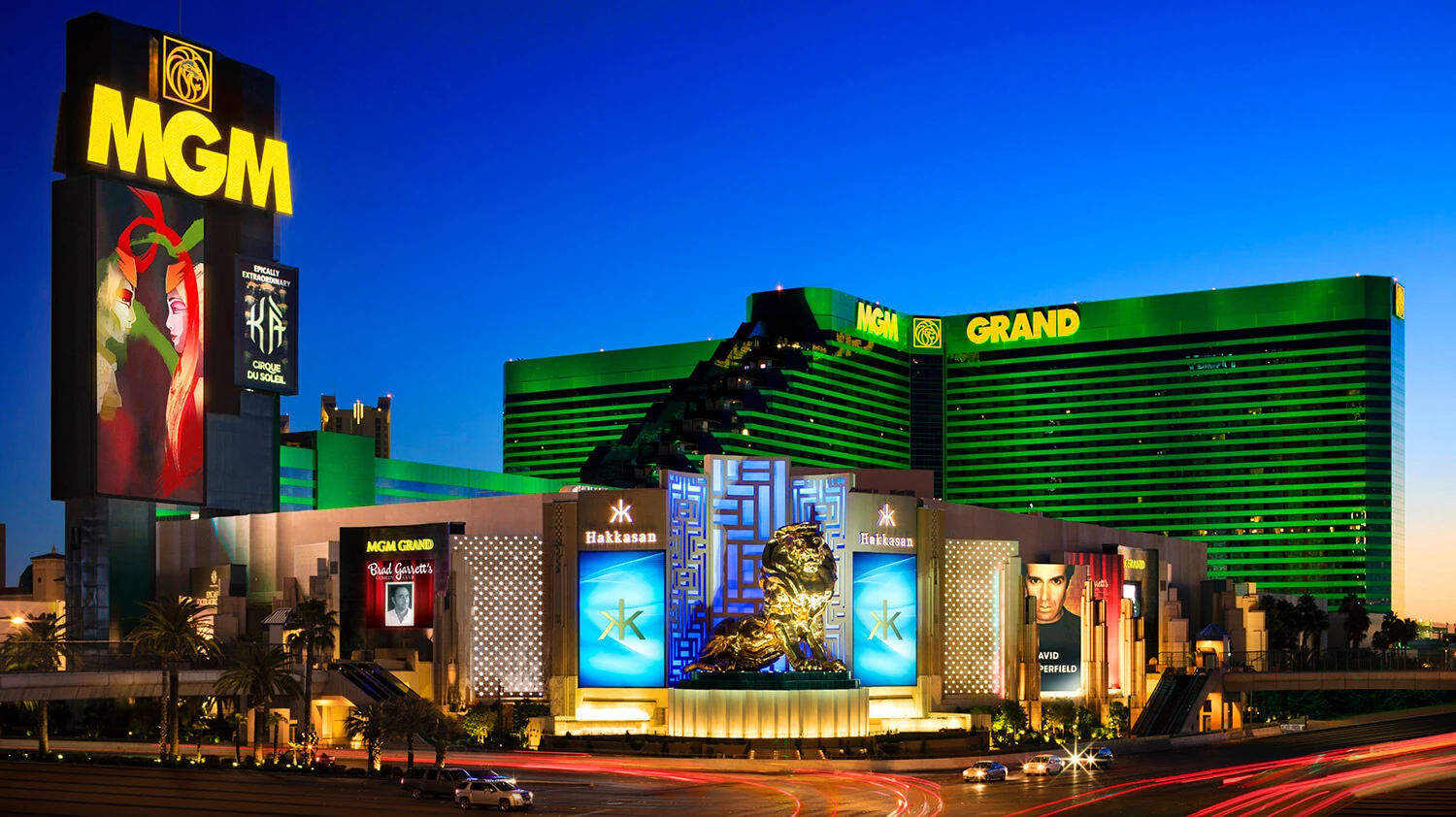
The MGM Grand Hotel and Casino operates as part of the Strip South venue cluster, an area recognized for combining resort amenities with dedicated event infrastructure. This positioning allows it to draw from the same demand drivers that power major Las Vegas conventions, including corporate meetings, industry trade shows, and specialized expos. Coordination begins with mapping how the property's scale and layout interact with surrounding attractions to maximize exposure for exhibitors.
Unlike the dedicated facilities found in the Convention Center District, the MGM Grand blends hospitality and event spaces in ways that influence everything from registration flows to breakout session placement. Planners benefit from viewing it as one component in a larger Strip network that includes nearby properties, enabling strategies that extend the event experience beyond a single location. Market data from comparable venues underscores the importance of early alignment with these patterns.
Effective planning resources emphasize the need to review historical event calendars for the region. This helps identify windows where the MGM Grand sees heightened activity tied to citywide conventions, allowing organizations to position their exhibits within broader programming cycles rather than in isolation.
District-Level Differentiation Across Las Vegas Clusters
Las Vegas features distinct venue clusters, each with operational implications for trade show planning. The MGM Grand, located in the Strip South, differs from the Convention Center District by offering an integrated resort experience that combines lodging, dining, and entertainment with exhibit halls. This creates opportunities for immersive programming but requires distinct coordination tactics compared to purpose-built centers.
In contrast to Strip North or Strip Central properties, the southern location provides proximity to airport routes and specific attendee demographics that favor extended stays. Planning documents should address these variables to avoid generic approaches that overlook how district nuances shape traffic, dwell time, and competitive positioning. Resources focused on the full spectrum of Las Vegas venues help isolate these factors.
Successful differentiation involves analyzing how the MGM Grand's environment supports certain exhibit formats over others. For instance, resort campuses often favor designs that encourage networking in adjacent spaces, a consideration less prominent in standalone convention centers. This level of detail supports more targeted strategies that leverage the unique attributes of each cluster.
Market analyses of properties throughout the region reveal that Strip South venues like the MGM Grand frequently align with events that benefit from the area's hospitality infrastructure, informing everything from staffing plans to technology integration.
Demand Drivers Shaping Events at the MGM Grand
Las Vegas maintains strong demand across multiple sectors, with venues such as the MGM Grand benefiting from the city's established position as a premier meetings destination. Primary drivers include corporate events, technology showcases, and healthcare conferences that seek the combination of business facilities and leisure options. Coordination strategies should reference these patterns to ensure exhibits are timed and themed appropriately.
Data from regional listings indicate that properties in the Strip South experience consistent booking from organizations looking for environments that extend beyond traditional exhibit floors. This influences planning by necessitating early assessment of overlapping schedules with neighboring venues to capitalize on shared audiences or to mitigate direct competition.
Understanding these drivers supports more precise budgeting and resource allocation. For example, periods of elevated citywide activity often require advanced planning for material handling and program elements to maintain effectiveness within the MGM Grand's specific operational windows.
As a planning resource, the focus remains on translating market signals into actionable frameworks rather than execution specifics. This approach helps organizations build resilient strategies that adapt to evolving demand across the Las Vegas landscape.
Strategic Exhibit Coordination and Layout Planning
Coordinating an exhibit at the MGM Grand Hotel and Casino involves detailed attention to spatial dynamics within its resort configuration. Planners must consider how different zones connect to create logical attendee pathways that enhance visibility and interaction. This requires reviewing available diagrams and historical event reports to inform booth placement and supporting elements.
Resort venues introduce variables such as integrated hospitality functions that can either complement or compete with exhibit objectives. Effective strategies address these by developing comprehensive timelines that sequence setup phases, programming, and teardown while accounting for the property's overall calendar. Such coordination helps maintain focus on measurable outcomes like engagement metrics.
District context further informs these plans. Being part of Strip South means potential for multi-venue attendance, encouraging designs that facilitate easy transitions between locations. Resources for Las Vegas events stress the value of scenario planning to prepare for variations in attendance driven by concurrent activities elsewhere on the Strip.
Budgeting and Resource Allocation Best Practices
Budget frameworks for events at the MGM Grand must reflect the economic realities of operating within a major Las Vegas resort. Factors include variable costs associated with peak periods, technology requirements, and ancillary services typical of Strip South properties. Detailed planning documents help isolate these elements to create realistic projections without over-reliance on unverified assumptions.
Comparative analysis with other clusters reveals that resort venues often involve different line items than dedicated convention centers, particularly around hospitality integration and extended programming. Authoritative resources provide templates for categorizing expenses in ways that align with documented market behaviors across Las Vegas.
Effective allocation also considers long-term ROI indicators common to the region. By structuring budgets around data from similar properties, organizations can prioritize investments in elements proven to drive results in this environment, such as interactive displays or targeted networking components.
Ongoing review against actual market conditions allows for adjustments that maintain fiscal responsibility while supporting strategic goals at the MGM Grand and similar venues.
Post-Event Analysis and Continuous Improvement
Post-event evaluation at venues like the MGM Grand centers on collecting actionable data that informs future coordination efforts. Key performance indicators should reflect both quantitative attendance figures and qualitative feedback tied to the resort setting. This analysis helps refine approaches for subsequent events within the Las Vegas market.
Comparing results against benchmarks from the Convention Center District or other Strip clusters provides context for understanding what worked within the MGM Grand's specific environment. Factors such as cross-property attendance or hospitality utilization often emerge as differentiators in these reviews.
Structured debriefing processes support the development of institutional knowledge about operating in this market. Over time, this leads to more sophisticated planning that anticipates challenges unique to Strip South resort properties while building on successes observed across the broader Las Vegas ecosystem.
As demand drivers evolve, consistent analysis ensures that exhibit strategies remain aligned with current conditions at the MGM Grand and throughout the region.
Future Considerations for Las Vegas Trade Show Coordination
The Las Vegas events market continues to adapt, with properties such as the MGM Grand positioned to accommodate emerging trends in hybrid programming, sustainability, and experiential design. Forward-looking coordination incorporates these developments by building flexible frameworks that can scale with changing attendee expectations.
Strip South venues benefit from the area's ongoing investment in infrastructure, creating new opportunities for integrated events that span multiple days and locations. Planning resources that track these shifts help organizations prepare strategies that remain relevant amid evolving market dynamics.
Emphasis on data-driven decision making will remain central. By referencing patterns established across multiple Las Vegas properties, planners can anticipate how innovations at one venue may influence approaches at the MGM Grand and similar resort campuses.
Frequently asked questions
How does the MGM Grand fit into the Las Vegas Strip South cluster?
The MGM Grand is recognized as part of the Strip South venue group, which combines resort hospitality with event facilities. This positioning supports coordination strategies that leverage proximity to other southern Strip properties and aligns with regional demand patterns distinct from the Convention Center District or northern clusters.
What are the main demand drivers for events at this venue?
Demand stems from corporate, technology, healthcare, and related sectors that utilize Las Vegas for its combination of business infrastructure and entertainment options. Planning should reference established market signals from comparable properties to time and structure programs effectively.
How should exhibit strategies differ from those used at dedicated convention centers?
Resort venues like the MGM Grand require attention to integrated hospitality flows, extended attendee dwell times, and opportunities for cross-property programming. This contrasts with the more linear layouts typical of standalone convention centers, calling for tailored timeline and design approaches.
What role does district differentiation play in event success?
District characteristics influence attendee demographics, transportation logistics, and competitive positioning. Understanding how Strip South differs from other Las Vegas clusters allows for more precise planning that capitalizes on the MGM Grand's specific environmental advantages.
How can post-event analysis improve future MGM Grand coordination?
Structured reviews focusing on both quantitative metrics and qualitative insights from the resort setting help refine strategies. Comparing outcomes against other venue clusters provides context that supports continuous improvement in Las Vegas market approaches.
When should planning begin for an event at the MGM Grand?
Early coordination is essential given the city's active convention calendar. Beginning 12 to 18 months in advance allows sufficient time to align with demand drivers, secure appropriate slots, and develop integrated strategies that account for Strip South dynamics.
Top venues
See all venues