Las Vegas Venues
Red Rock Casino Resort Spa Exhibition Planning Guide
Authoritative strategies for coordinating trade shows and corporate exhibitions at Red Rock Casino Resort Spa within the Las Vegas market.
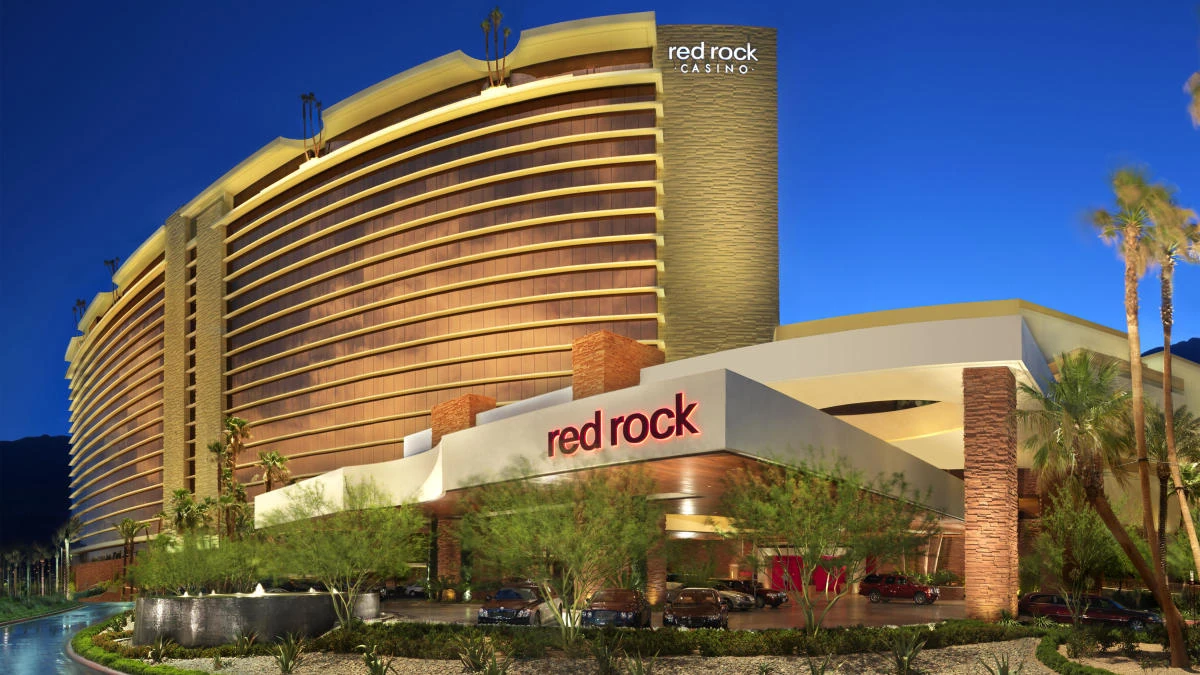
Positioning Red Rock Casino Resort Spa Within Las Vegas Venue Options
Las Vegas features multiple venue clusters including Convention Center District, Strip Central, Strip South, and Strip North. Red Rock Casino Resort Spa operates outside these primary corridors in the western suburban segment, offering an alternative for events where a contained, high-end environment supports deeper business conversations. This differentiation influences attendee profiles, with many participants combining professional sessions with resort amenities such as the spa and dining options.
Planning teams benefit from mapping event goals against these location attributes early. Events emphasizing relationship building or exclusive product introductions often achieve stronger results here than in high-volume Strip venues where foot traffic is more transient. Coordination requires accounting for travel patterns from McCarran International Airport and other Las Vegas hubs to ensure smooth arrival sequencing.
Understanding these market nuances allows for more precise budgeting and promotion tactics. Rather than competing directly with massive convention center events, exhibitions at this resort can carve out specialized niches within industries that value privacy and elevated hospitality integration.
Exhibit Design Approaches Matched to Resort Aesthetics
The physical environment at Red Rock Casino Resort Spa features warm tones, natural light, and sophisticated architectural details that reward exhibit designs emphasizing quality over spectacle. Structures using substantial materials, integrated lighting, and subtle branding elements integrate more successfully than oversized, high-contrast displays better suited to convention hall floors.
Effective designs prioritize flexible configurations that adapt to varying room dimensions within the resort's meeting and ballroom spaces. Modular systems allow planners to scale presence based on confirmed registration numbers while maintaining consistent brand expression. Attention to sight lines from entry points and adjacent function areas prevents visual clutter and supports natural attendee circulation.
Incorporating seating zones and demonstration areas encourages longer dwell times, which aligns with the resort's hospitality rhythm. Storage solutions for collateral and technology components should remain discreet to preserve the polished appearance expected in this setting. Coordination with design partners familiar with hospitality venues ensures these details receive proper weight during concept development.
Floor Plan Optimization and Space Utilization Tactics
Resort venues like Red Rock Casino Resort Spa typically allocate exhibition space within dedicated meeting wings or ballrooms rather than purpose-built exposition halls. This constraint requires precise floor plan development that balances display footprints with circulation paths, seating, and staging areas. Early schematic planning helps avoid last-minute adjustments that compromise both functionality and aesthetics.
Traffic flow patterns differ from those in larger convention centers due to the more intimate scale. Planners should position high-interest elements away from primary entrances to distribute attendance evenly and prevent bottlenecks near adjacent casino or dining access points. Clear zoning between competing exhibitors maintains the upscale atmosphere while maximizing each participant's visibility.
Digital floor plan tools combined with scale models facilitate accurate pre-event visualization. Testing multiple configurations against expected attendance data allows refinement before final commitments. These operational details become particularly important when multiple organizations share the same ballroom space during multi-day programs.
Technology and Audiovisual Coordination Requirements
Resort properties maintain distinct infrastructure capabilities compared to dedicated convention facilities. Planning for Red Rock Casino Resort Spa involves confirming power distribution, data connectivity, and audiovisual compatibility within the specific meeting rooms selected. Advance documentation of these specifications prevents disruptions during installation windows.
Interactive displays, digital signage, and presentation systems must operate reliably within the acoustic and lighting conditions typical of hospitality venues. Sound bleed between adjacent sessions requires careful equipment selection and placement. Similarly, lighting designs should enhance exhibits without conflicting with the resort's ambient illumination strategy.
Backup systems and technical support protocols form essential components of risk management. Establishing clear escalation paths for any infrastructure issues maintains event momentum. When integrated thoughtfully, technology elevates the attendee experience while remaining secondary to the core content and relationship-building objectives.
Logistics and Operational Sequencing for Off-Strip Events
Transportation logistics for Red Rock Casino Resort Spa differ from those serving Strip Central or Convention Center District properties. Material delivery routes, permitted unloading times, and storage limitations must be mapped during initial planning phases. Developing realistic timelines that account for distance from primary vendor staging areas prevents schedule compression.
Installation and dismantle windows are often narrower in resort settings due to overlapping hospitality functions. Detailed labor and equipment sequencing ensures compliance with venue policies while completing all setup requirements. Pre-event dry runs using scaled mockups can identify potential conflicts before on-site execution begins.
Post-event material handling follows similar precision requirements. Coordinating outbound shipping with resort security and loading dock availability avoids delays that impact overall budget. These operational details, when managed as part of a comprehensive plan, contribute significantly to perceived professionalism and event success.
Attendee Engagement Frameworks for Resort Environments
The extended dwell time possible at Red Rock Casino Resort Spa allows for engagement strategies beyond standard trade show interactions. Programming that combines educational content, interactive demonstrations, and hospitality touches creates memorable touchpoints that reinforce brand positioning. Planning these elements requires synchronization with the resort's service standards.
Lead capture mechanisms should balance efficiency with the refined atmosphere, favoring digital solutions over paper forms where appropriate. Follow-up protocols established before the event ensure timely distribution of requested information. Measuring engagement quality through structured observation and post-event surveys provides actionable data for future iterations.
Integration with broader Las Vegas market events can amplify reach when timing aligns. However, the distinct positioning of this venue supports standalone programs that attract participants seeking a more curated experience. Successful coordination maintains focus on objectives while adapting to the natural rhythms of a resort campus.
Budget Development and ROI Measurement Protocols
Developing accurate budgets for Red Rock Casino Resort Spa requires granular understanding of resort-specific cost structures including space rental, service fees, and ancillary requirements. Separating fixed and variable expenses early allows for scenario planning based on different attendance levels. Regular variance tracking during preparation maintains financial discipline.
Return on investment calculations should incorporate both direct metrics such as qualified leads and longer-term indicators including brand perception shifts within target sectors. Establishing baseline measurements before the event enables meaningful comparison after conclusion. This disciplined approach supports data-driven decisions about future participation.
Cost optimization opportunities exist through multi-year planning and standardization of certain exhibit components. However, maintaining quality appropriate to the venue remains non-negotiable. The most effective budgets align resource allocation with strategic priorities rather than applying uniform percentages across all event elements.
Long-Term Strategy Development for Repeated Las Vegas Events
Organizations that participate regularly in Las Vegas events can refine their approach to Red Rock Casino Resort Spa over multiple cycles. Documentation of what succeeded in previous iterations creates institutional knowledge that improves efficiency and effectiveness. This evolution transforms one-off exhibitions into components of a coordinated market presence.
Comparing outcomes across different venue types within the Las Vegas landscape reveals which environments best serve specific objectives. Insights gained at resort properties often inform adjustments to Strip or convention center programs. Maintaining a master calendar that considers overlapping industry events prevents resource conflicts.
Continuous improvement requires staying current with evolving expectations around sustainability, technology integration, and attendee experience. Authoritative planning incorporates these developments while preserving the core strengths that distinguish successful exhibitions at properties like Red Rock Casino Resort Spa.
Frequently asked questions
How does Red Rock Casino Resort Spa compare to Strip Central venues for trade show exhibitions?
Red Rock provides a more contained and upscale environment that typically supports deeper business discussions and extended attendee engagement. This contrasts with the higher volume but more distracted traffic patterns common in Strip Central locations.
What design elements perform best within the Red Rock meeting spaces?
Sophisticated, modular designs using quality materials that complement the resort's warm aesthetic and natural lighting tend to integrate most effectively. Avoiding overly large or high-contrast elements helps maintain the expected luxury atmosphere.
When should planning begin for an exhibition at this venue?
Initial planning should commence 9 to 12 months prior for events requiring significant customization. Earlier timelines allow proper evaluation of space options and development of integrated marketing and operational sequences.
What operational factors distinguish resort venues from convention centers?
Narrower installation windows, integration with hospitality operations, and different material handling routes require more precise sequencing. Understanding these constraints during initial planning prevents conflicts with other resort functions.
How should success be measured for events at Red Rock Casino Resort Spa?
Metrics should emphasize interaction quality, lead qualification rates, and post-event business development rather than sheer volume. Surveys and structured debriefs provide context for these quantitative measures.
Can sustainability practices be effectively integrated at this type of venue?
Yes, through material selection, waste minimization during installation, and digital alternatives to printed collateral. These elements can align with the resort's upscale positioning when planned as core components rather than afterthoughts.
Top venues
See all venues