Las Vegas Venues
Resorts World Las Vegas Trade Show Planning and Coordination
Strategic planning resources for successful exhibits and events at Resorts World Las Vegas, positioned within the competitive dynamics of the Strip North cluster.
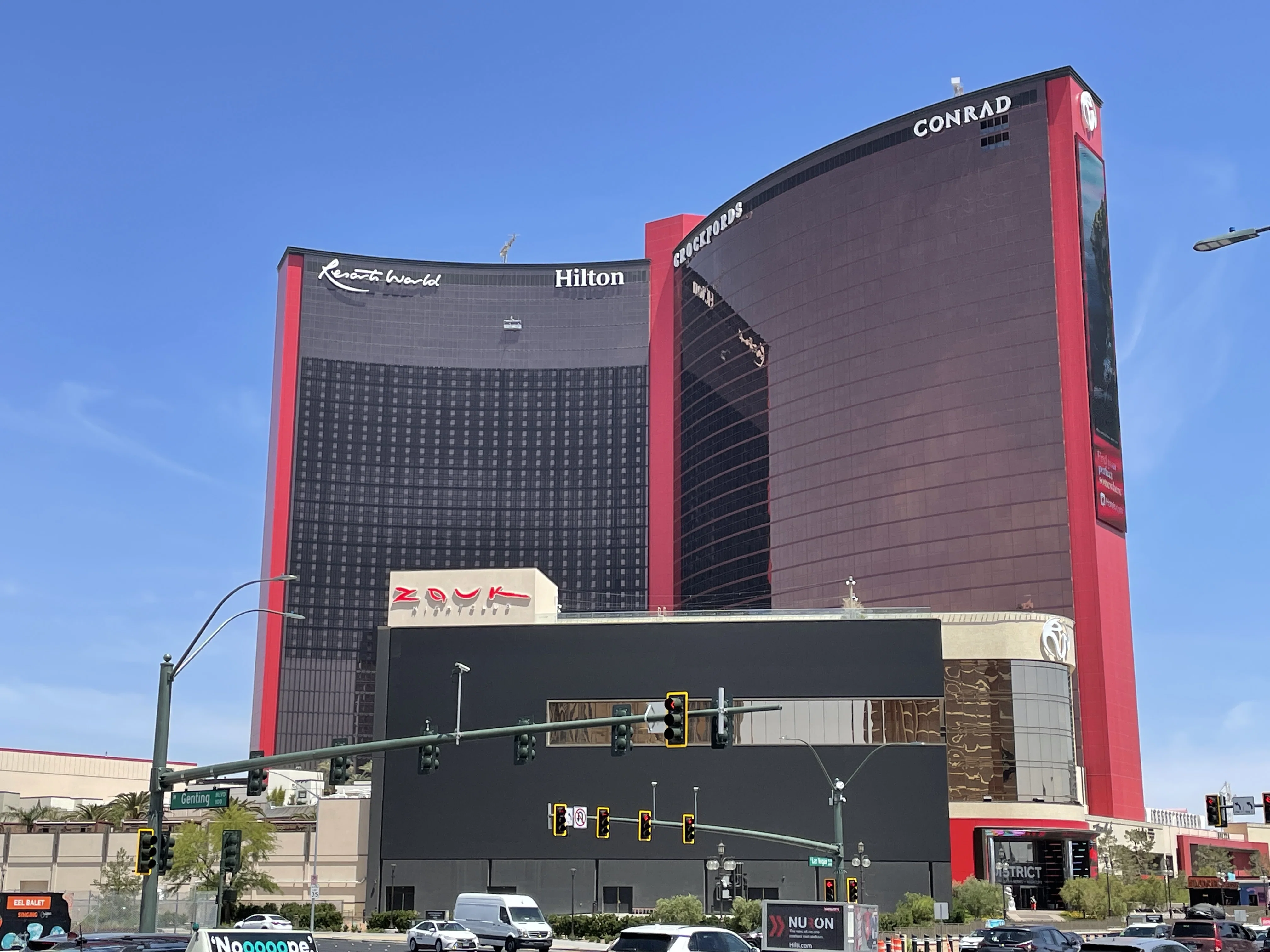
Understanding Resorts World Within the Las Vegas Venue Ecosystem
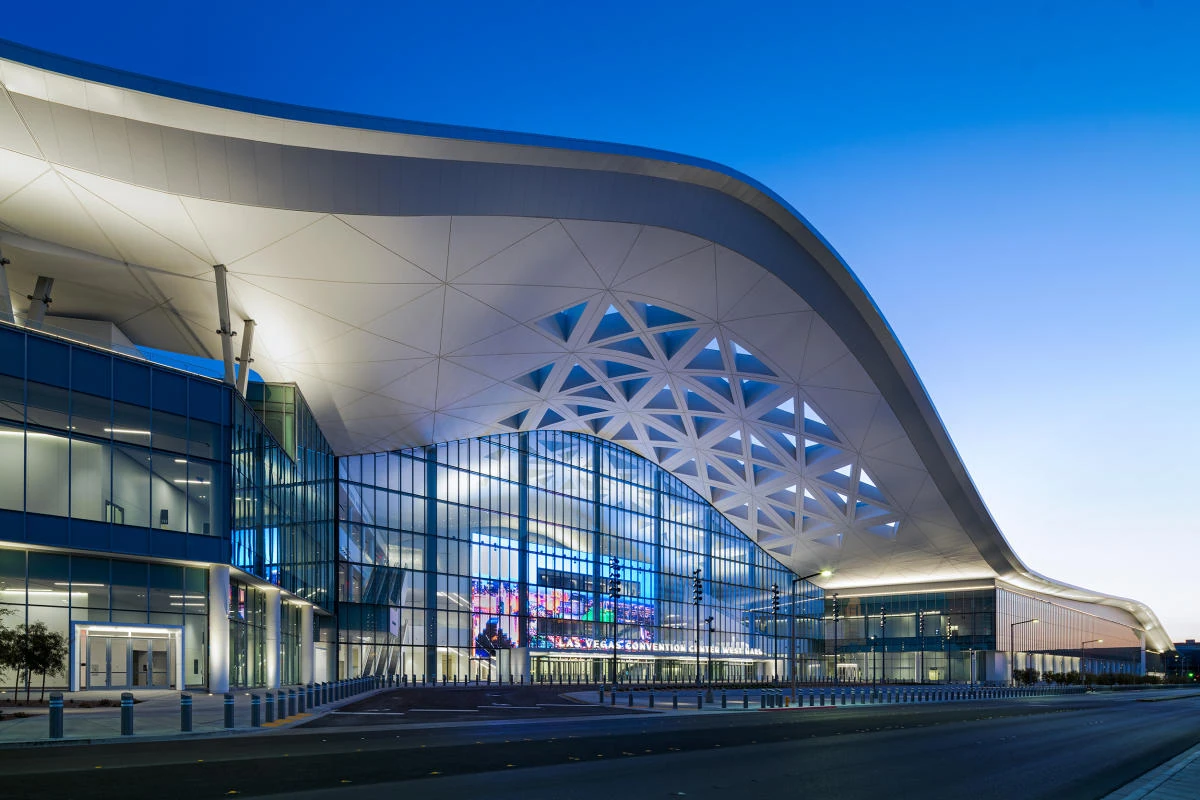
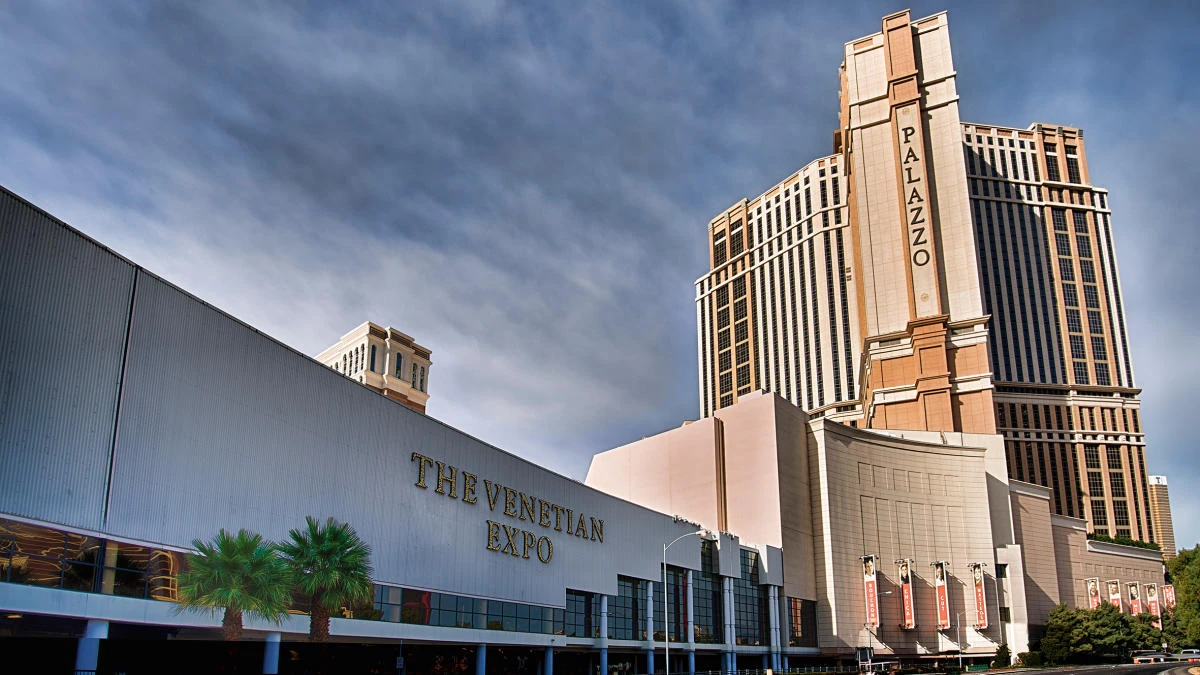
Resorts World Las Vegas forms part of the Strip North cluster identified in Las Vegas market analyses, where multiple properties collectively support overflow and specialized programming from larger conventions held at the Las Vegas Convention Center and the Venetian Expo. This positioning creates both opportunities and planning necessities, as attendee movement between venues influences registration patterns, session attendance, and exhibit traffic. Coordination resources therefore stress the value of mapping these relationships during the earliest stages of strategy development to avoid scheduling conflicts and to capitalize on shared audience interest.
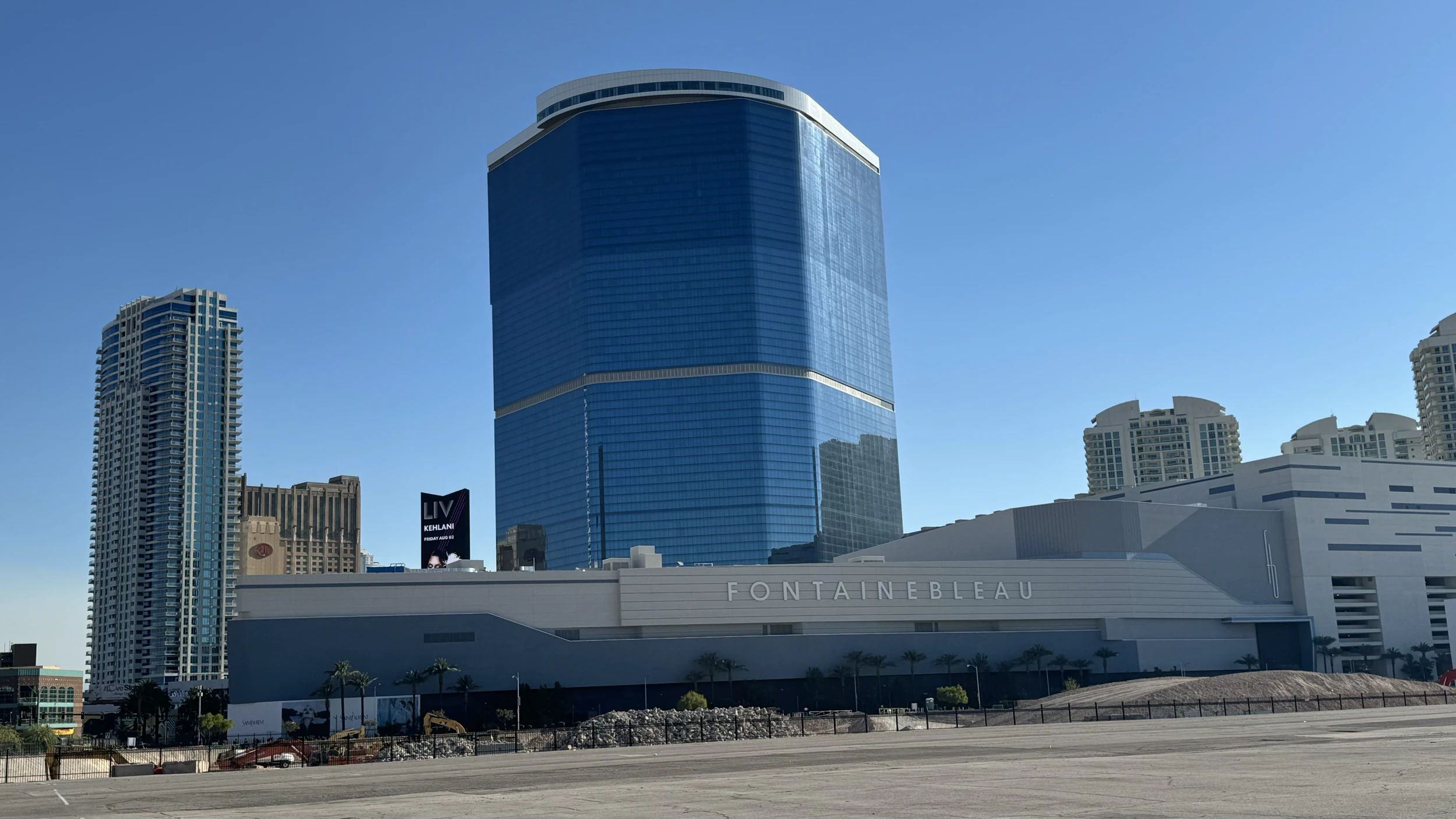
The resort's scale and amenities allow it to function as a self-contained destination while remaining connected to the wider convention infrastructure. Planners benefit from frameworks that address how events at Resorts World may coincide with activity at properties such as Fontainebleau Las Vegas or Virgin Hotels Las Vegas, both of which also serve the north Strip corridor. This district-level perspective helps organizations calibrate their exhibit presence to the specific rhythms of the market rather than treating any single venue in isolation.
Authoritative guidance in this area draws on established Las Vegas demand patterns documented across multiple official sources. These patterns reveal that successful programs often incorporate contingency planning for fluctuating attendance driven by concurrent citywide events. By focusing on these macro considerations, exhibitors can develop more resilient strategies that maintain effectiveness even when broader market conditions shift.
Strategic Exhibit Design Coordination for the Property
Exhibit concepts for Resorts World Las Vegas perform best when they acknowledge the property's modern architectural vocabulary and integrated layout. Planning emphasizes designs that facilitate smooth transitions between display areas and adjacent hospitality or dining spaces, creating extended engagement opportunities without disrupting overall venue circulation. This requires attention to scale, sightlines, and material selections that complement rather than compete with the surrounding environment.
Coordination resources provide structured approaches to balancing brand expression with venue appropriateness. For example, open configurations that encourage interaction tend to align with the resort's emphasis on experiential programming, while modular elements allow adaptation to varying hall configurations across different event phases. These considerations are especially relevant when events at Resorts World run parallel to larger gatherings at the Las Vegas Convention Center, where attendees may compare experiences across multiple sites.
Advanced planning also incorporates flexibility for technology enhancements that match the property's contemporary infrastructure. Such preparation helps ensure that audiovisual components, interactive stations, and data-collection tools integrate smoothly, avoiding last-minute adjustments that can compromise program effectiveness. The goal remains consistent delivery of brand messaging within the operational realities of a busy resort-based exhibition environment.
District differentiation further informs design decisions. Exhibits at Resorts World can leverage the relative proximity to other north Strip destinations by incorporating wayfinding or cross-promotional elements that acknowledge the broader attendee journey through the cluster.
Logistics Planning and Sequence Management
Logistical coordination for Resorts World Las Vegas centers on precise sequencing of delivery, installation, operation, and removal activities within the constraints of a fully integrated resort operation. Planning resources outline systematic approaches to developing timelines that account for shared loading facilities, peak traffic periods, and the need to minimize disruption to ongoing hotel and casino functions. Early mapping of these sequences reduces the likelihood of delays that compound quickly in a market known for concurrent large-scale events.
Effective frameworks address the full cycle from initial freight routing through final post-event reporting. This includes establishing clear checkpoints for service provider alignment and contingency protocols for situations where citywide conventions create unexpected pressure on labor or equipment availability. Such structured planning supports consistency even when specific operational details remain subject to venue directives.
Attention to these operational layers distinguishes successful programs at resort campuses from those at standalone convention centers. Resorts World exhibits often require tighter coordination between exhibit activities and attendee hospitality elements, necessitating integrated schedules that synchronize booth readiness with related programming elsewhere on the property.
Technology and Presentation Infrastructure Alignment
Contemporary events at Resorts World Las Vegas increasingly depend on robust technology integration to support both presentation quality and attendee data capture. Planning guidance focuses on aligning exhibitor requirements with the venue's available infrastructure, ensuring that bandwidth, power distribution, and connectivity expectations are addressed during initial strategy sessions rather than after arrival. This proactive stance helps prevent technical interruptions that can undermine otherwise well-designed programs.
Resources emphasize the importance of matching presentation formats to the architectural characteristics of the assigned spaces. High-definition displays, interactive kiosks, and mobile engagement platforms each introduce distinct coordination demands that benefit from early vetting against known venue capabilities. When events coincide with major activity at the Venetian Expo or Las Vegas Convention Center, technology choices can also influence how attendees perceive consistency across their multi-venue experience.
Beyond basic functionality, strategic technology deployment can enhance measurement capabilities. Planning frameworks therefore include provisions for integrating lead retrieval, session analytics, and follow-up automation in ways that respect both privacy standards and the operational tempo of a resort property. The resulting data informs not only current program adjustments but also future iterations across the Las Vegas market.
Audience Engagement and Activation Strategies
The integrated nature of Resorts World Las Vegas supports engagement models that extend beyond static booth interactions. Planning resources highlight approaches that leverage proximity to dining, entertainment, and hospitality functions to create extended touchpoints throughout an attendee's visit. These strategies require careful scheduling to align with natural traffic patterns rather than forcing artificial congregation at specific times.
Effective activation planning also considers the demographic mix typical of events that select resort-based venues. Programs that combine educational content, experiential elements, and networking opportunities tend to resonate in this environment, particularly when coordinated with the broader calendar of Strip North and Convention Center District activities. This holistic view prevents siloed thinking that can limit overall impact.
Measurement remains central to engagement planning. Resources provide templates for defining success metrics during the initial coordination phase, allowing organizations to track not only immediate interactions but also longer-term behavioral outcomes. Such disciplined approaches help justify investment levels and refine tactics for subsequent events at Resorts World or comparable Las Vegas properties.
Budget Development and Resource Allocation
Comprehensive budgeting for Resorts World Las Vegas events extends beyond booth construction to encompass coordination, logistics, technology, measurement, and contingency categories. Planning guidance encourages allocation models that reflect the operational realities of resort venues, where certain services may carry different cost structures than those found at dedicated convention centers. Early categorization helps surface hidden variables before commitments are finalized.
Market data from Las Vegas sources indicates that successful programs maintain flexibility within their budgets to accommodate fluctuations driven by citywide demand. This is particularly relevant for properties in the Strip North cluster, where proximity to major events at the Las Vegas Convention Center can influence availability and pricing of ancillary services. Structured planning frameworks support scenario modeling that prepares organizations for multiple outcomes.
Return-on-investment considerations should be embedded in the budgeting process from the outset. By linking expenditures to specific objectives tied to the unique characteristics of Resorts World, exhibitors create clearer pathways to evaluation. This disciplined approach also facilitates comparison with programs executed at sibling venues such as Westgate Las Vegas or Green Valley Ranch, revealing relative efficiencies across different market segments.
Post-Event Evaluation and Continuous Improvement
Structured evaluation completes the planning cycle for events at Resorts World Las Vegas. Resources advocate for debrief frameworks established prior to the show that capture quantitative metrics, qualitative observations, and logistical lessons specific to the property and its cluster context. This information becomes foundational for refining future participation, whether at Resorts World again or at comparable locations across the Las Vegas landscape.
The evaluation phase also examines how the exhibit integrated with the resort's operational cadence and how that integration compared to experiences at other venues. Insights regarding attendee flow, technology performance, and staff coordination provide actionable intelligence that compounds over multiple events. When synthesized with broader market intelligence from sources covering the Las Vegas Convention Center and Venetian Expo, these observations inform higher-level strategy.
Continuous improvement models treat each Resorts World activation as one data point within a longer Las Vegas presence. Planning resources therefore emphasize documentation standards and review protocols that convert experience into institutional knowledge. Organizations that adopt this discipline typically demonstrate improved outcomes and more efficient resource utilization over successive market visits.
Frequently asked questions
How does Resorts World Las Vegas fit into the broader Las Vegas convention market?
Resorts World contributes to the Strip North cluster, providing integrated resort facilities that complement programming at the Las Vegas Convention Center, the Venetian Expo, and nearby properties. Planning therefore requires awareness of overlapping schedules and attendee movement patterns across these locations.
What are the main coordination challenges unique to this venue?
Challenges include synchronizing exhibit activities with resort operations, managing timelines within a high-traffic campus environment, and aligning with district-level event calendars. Early planning frameworks help address these factors systematically.
When should planning begin for an exhibit at Resorts World Las Vegas?
Initiating coordination 12 to 18 months in advance supports thorough strategy development, especially when the program intersects with major conventions at the Las Vegas Convention Center or other Strip venues. This timeline allows for detailed logistical sequencing and design refinement.
How can exhibitors differentiate their presence within the Strip North cluster?
Differentiation arises from strategies that acknowledge the flow between Resorts World and neighboring properties while maintaining a cohesive brand experience. Planning resources emphasize mapping these connections and designing activations that capitalize on the full attendee journey.
What role does technology play in successful events at this property?
Technology supports both presentation quality and data collection when aligned with the venue's infrastructure during the planning phase. Coordination ensures compatibility and minimizes on-site adjustments, particularly during periods of elevated citywide demand.
How is ROI evaluated for Resorts World Las Vegas programs?
ROI assessment begins with objectives set during initial planning and incorporates metrics related to engagement, lead quality, and operational efficiency. Post-event reviews compare outcomes against both property-specific and market-wide benchmarks.
Top venues
See all venues