Las Vegas Venues
Rio Hotel and Casino: Strategic Trade Show Planning and Exhibit Coordination in Las Vegas
Access authoritative guidance for planning and coordinating successful trade shows and corporate exhibitions at the Rio Hotel and Casino, emphasizing operational precision and venue-aligned strategies within the Las Vegas market.
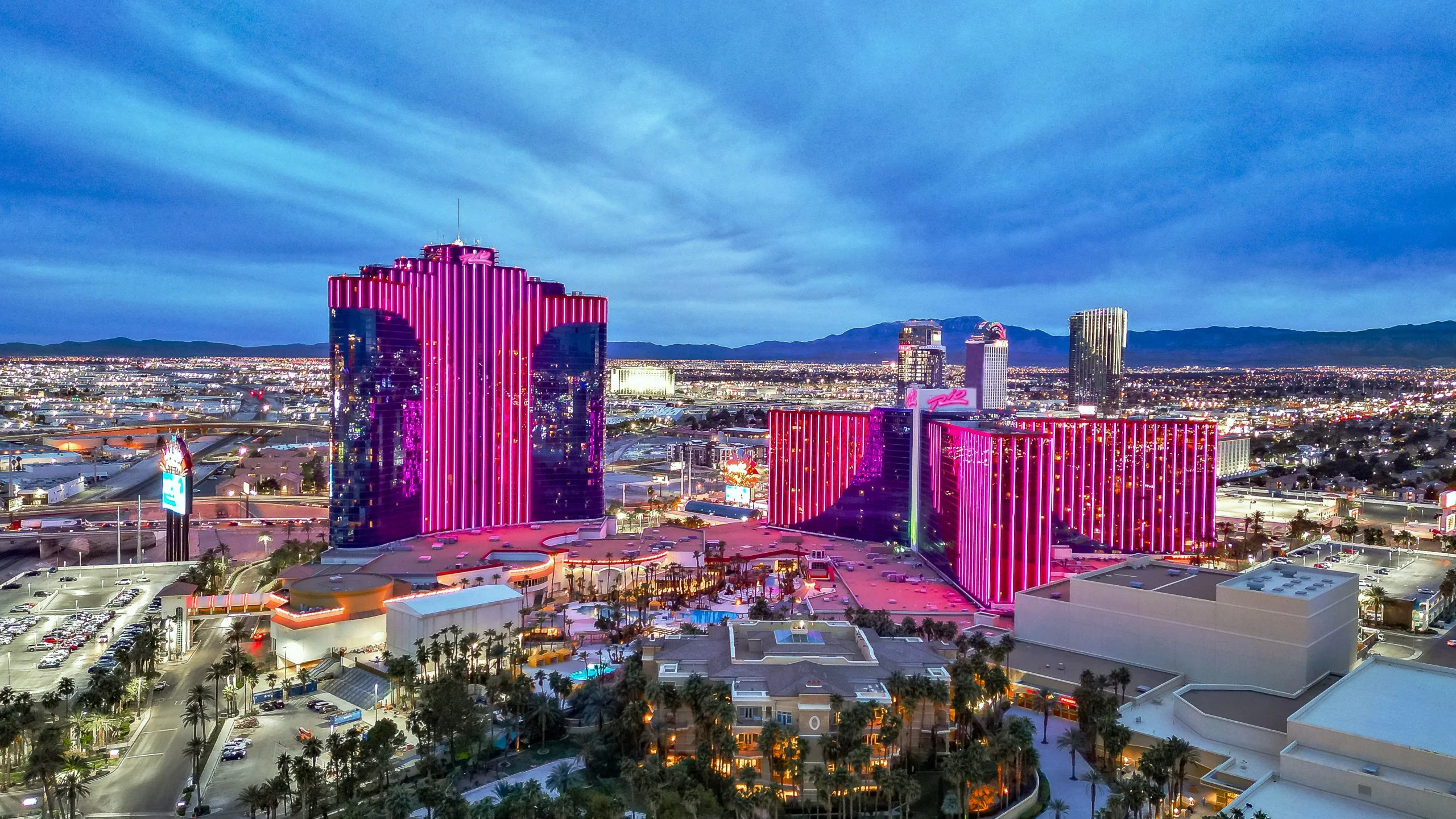
Positioning the Rio Hotel and Casino Within Las Vegas Event Strategy
Within the Las Vegas landscape, the Rio Hotel and Casino functions as a self-contained resort property that appeals to organizers seeking an alternative to high-density convention center environments. Its placement supports events that benefit from reduced external distractions, allowing focused business conversations within an atmosphere that blends professional spaces with resort amenities. Strategic planning begins by evaluating how this positioning affects attendee travel patterns from other Strip locations and airport access points, factors that influence registration timing and daily attendance consistency.
Coordination resources emphasize the importance of aligning event scale with the venue's capacity for concurrent activities. Unlike larger central district campuses, the Rio's configuration encourages tighter integration between exhibition areas, breakout sessions, and hospitality functions. This creates opportunities for sustained engagement but requires precise scheduling to prevent overlap between programmed content and natural guest traffic. Planners should develop detailed diagrams that account for these intersections during the earliest planning stages.
Operational detail extends to understanding peak periods in the Las Vegas calendar and how they intersect with availability at the Rio. Events scheduled during major industry windows benefit from proactive coordination that anticipates higher demand for related services. By treating the venue as one component within a larger market ecosystem, organizers gain flexibility to incorporate supplemental activities at nearby properties when appropriate, creating comprehensive experiences without over-reliance on a single location.
Exhibit Design Approaches Optimized for the Rio Environment
Exhibit design for the Rio Hotel and Casino must account for the property's thematic elements and spatial constraints to create cohesive visitor experiences. Effective designs incorporate modular elements that adapt to varying booth footprints while maintaining brand visibility from multiple approach angles. Coordination during the design phase focuses on sight lines that align with primary traffic corridors, ensuring that key messaging reaches attendees as they move between sessions and hospitality outlets.
Material selection and construction techniques should prioritize durability suitable for the accelerated timelines common in Las Vegas events. Designs that facilitate quick reconfiguration support last-minute adjustments based on final attendance projections or programming changes. The integration of lighting and graphic systems requires careful calibration to complement the venue's ambient illumination without creating visual competition from surrounding entertainment features.
Successful coordination involves iterative reviews of renderings against actual venue specifications to eliminate potential installation conflicts. Attention to height restrictions, power access points, and structural support considerations prevents delays during setup. By embedding these operational parameters into the creative process, exhibit teams deliver installations that perform reliably while enhancing rather than competing with the Rio's established environment.
Advanced designs may incorporate interactive elements that leverage the resort's technology backbone, creating memorable touchpoints that extend engagement beyond the exhibit floor. These features require upfront validation against venue capabilities to ensure smooth performance throughout the event duration.
Logistical Coordination Frameworks for Rio Events
Logistical planning for the Rio Hotel and Casino centers on synchronized timelines that encompass pre-event preparation, active show days, and efficient dismantling. Coordination protocols should establish clear milestones for material delivery, labor scheduling, and technical testing to maintain momentum across all vendors. The venue's integrated resort structure simplifies certain aspects of on-site management while introducing specific requirements for shared space utilization that must be addressed in advance.
Effective resource allocation involves detailed forecasting of utility needs, including electrical capacity, data bandwidth, and climate control adjustments specific to exhibit density. Planners benefit from creating contingency protocols that address potential disruptions ranging from transportation delays to unexpected attendance surges. These frameworks maintain operational integrity even when variables shift during the critical setup window.
Post-event coordination receives equal emphasis, with structured processes for rapid clearance that minimize incremental costs and prepare the space for subsequent venue functions. Documentation of all logistical decisions throughout the cycle creates valuable reference material for future iterations at the Rio or comparable Las Vegas properties. This systematic approach transforms one-time events into repeatable success models.
Integration with broader supply chain partners active in the Las Vegas market ensures consistent quality across all service categories. Early engagement with these partners allows for optimized routing and storage strategies that align with the Rio's receiving protocols.
Enhancing Attendee Engagement Within the Rio Setting
Attendee engagement at events hosted at the Rio Hotel and Casino benefits from strategies that capitalize on the property's hospitality strengths. Programming that extends beyond static booth presentations into facilitated networking zones creates higher interaction rates. Coordination of these elements requires alignment with the venue's food and beverage operations to maintain smooth transitions between educational content, exhibit exploration, and refreshment breaks.
Traffic pattern analysis informs placement of interactive demonstrations and gathering spaces to prevent congestion while maximizing dwell time. The Rio's layout encourages organic movement between areas, presenting opportunities for serendipitous connections when properly orchestrated. Data collection tools integrated into exhibit experiences provide real-time feedback that allows mid-event adjustments to programming emphasis.
The entertainment component inherent to the Rio environment can be strategically incorporated to create memorable touchpoints that reinforce key messages. Coordination involves balancing these elements so they support rather than distract from core business objectives. Targeted invitations and personalized scheduling enhance participation rates among high-value prospects drawn to this particular venue profile.
Measurement of engagement extends beyond simple attendance metrics to include interaction quality and follow-up conversion indicators. Frameworks established during planning ensure that collected data informs both immediate tactical decisions and long-term strategy refinement for subsequent Las Vegas events.
Technology Infrastructure and Audiovisual Coordination
Modern exhibitions at the Rio Hotel and Casino rely heavily on robust technology infrastructure that supports everything from high-definition displays to real-time data transmission. Coordination begins with comprehensive assessment of bandwidth requirements and power distribution to prevent performance degradation during peak usage. Integration of attendee-facing applications requires testing against the venue's network parameters to ensure reliability across all event spaces.
Audiovisual elements must be calibrated to the acoustic properties and sight lines specific to the Rio's meeting and exhibition areas. Strategic placement of presentation zones considers both primary viewing areas and potential audio bleed into adjacent spaces. The selection of equipment should balance technical capability with practical factors such as setup time and compatibility with existing venue systems.
Emerging technologies including augmented reality demonstrations and contactless interaction tools offer differentiation opportunities when properly coordinated. Planning teams should validate these implementations against operational constraints to deliver smooth experiences that enhance rather than complicate the overall event flow. Documentation of technical specifications creates repeatable frameworks that streamline future deployments at this or similar properties.
Security protocols for technology assets require particular attention given the high-traffic nature of Las Vegas events. Coordination with venue standards ensures protection of proprietary systems while maintaining accessibility for authorized users throughout the exhibition period.
Budget Optimization and ROI Measurement for Rio Events
Financial planning for exhibitions at the Rio Hotel and Casino requires granular allocation across design, logistics, programming, and measurement categories. Early development of comprehensive budgets that account for both direct and indirect costs creates parameters for decision-making throughout the planning cycle. Coordination with multiple stakeholders ensures that resource distribution aligns with prioritized outcomes rather than defaulting to historical patterns.
ROI frameworks tailored to the Rio environment incorporate both quantitative metrics such as lead volume and qualitative indicators including sentiment analysis and relationship advancement. Data collection begins at the planning stage with clearly defined success criteria that reflect the unique audience profiles attracted to events at this property. Regular review intervals allow for tactical adjustments that protect financial objectives.
Cost containment strategies focus on efficiency across the entire event lifecycle rather than isolated line items. Negotiation parameters established during initial coordination create leverage for securing favorable terms with service providers familiar with the Rio's operational patterns. Post-event reconciliation provides detailed variance analysis that informs more accurate forecasting for future Las Vegas activities.
The integration of sustainability considerations into budget planning increasingly influences both cost structures and brand perception. Coordination of waste reduction, energy efficiency, and material reuse programs delivers measurable savings while aligning with evolving industry expectations in the Las Vegas market.
Long-Term Strategy Development for Repeated Rio Utilization
Organizations that return to the Rio Hotel and Casino for multiple events gain compounding advantages through accumulated operational knowledge. Strategic coordination establishes standardized processes that reduce planning overhead while increasing execution consistency. Documentation of lessons learned creates institutional knowledge that transfers across planning teams and evolves with changing market conditions.
Relationship management with venue coordinators and preferred vendors forms another pillar of long-term success. While maintaining professional boundaries, consistent communication patterns streamline approvals and problem resolution. This continuity supports more ambitious programming in subsequent iterations as trust and familiarity increase.
Market positioning evolves through repeated presence at the Rio, allowing organizations to establish the property as a cornerstone of their Las Vegas event calendar. Coordination of messaging across multiple events creates narrative threads that reinforce brand development objectives. Analysis of cross-event data reveals trends that inform larger strategic decisions about resource allocation within the broader Las Vegas ecosystem.
Future-proofing involves monitoring shifts in technology, attendee expectations, and regulatory requirements that may impact the Rio's suitability for specific event formats. Regular strategic reviews ensure that coordination approaches remain aligned with both organizational goals and the venue's evolving capabilities.
Frequently asked questions
How does planning for the Rio Hotel and Casino differ from central Las Vegas convention centers?
The Rio's integrated resort format creates tighter connections between exhibition spaces and hospitality functions compared to larger convention campuses. This requires more granular coordination of attendee flow and programming schedules but offers opportunities for sustained engagement within a contained environment. Planning emphasizes internal logistics rather than city-wide transportation networks.
What are the primary operational details to address early in Rio event planning?
Focus initially on spatial mapping, utility requirements, and timeline synchronization across setup, exhibition, and teardown phases. Understanding traffic patterns between functional areas prevents bottlenecks, while early validation of technical specifications avoids last-minute adjustments. These elements form the foundation for all subsequent decisions.
How can exhibitors maximize engagement at events held at the Rio?
Develop interactive experiences that leverage the property's hospitality strengths while aligning with natural movement patterns. Strategic placement of demonstration areas, combined with integrated networking opportunities, increases dwell time and interaction quality. Data-driven adjustments during the event further optimize results.
What technology considerations are unique to exhibitions at the Rio Hotel and Casino?
Bandwidth planning must account for concurrent usage across exhibit and guest areas. Audiovisual systems require calibration to the specific acoustic and lighting conditions of the property. Early testing of interactive components against venue infrastructure ensures reliable performance throughout the event.
How should teams measure success for trade shows at this venue?
Establish metrics during initial planning that reflect both quantitative outcomes like qualified leads and qualitative factors such as engagement depth. Post-event analysis should compare results against predefined objectives while documenting operational variances. This creates benchmarks for continuous improvement across multiple Las Vegas events.
When should coordination for a Rio Hotel and Casino event begin?
Complex exhibitions benefit from planning initiation 12 to 18 months in advance to secure preferred dates and space configurations. Even simpler events require at least six months for thorough logistical alignment. Early engagement allows for creative development that fully leverages the venue's distinctive characteristics.
Top venues
See all venues