Las Vegas Venues
Sahara Las Vegas Exhibit Planning and Coordination
Strategic guidance for trade shows and exhibitions at Sahara Las Vegas, focusing on the unique characteristics of the Strip North district and effective event execution strategies.
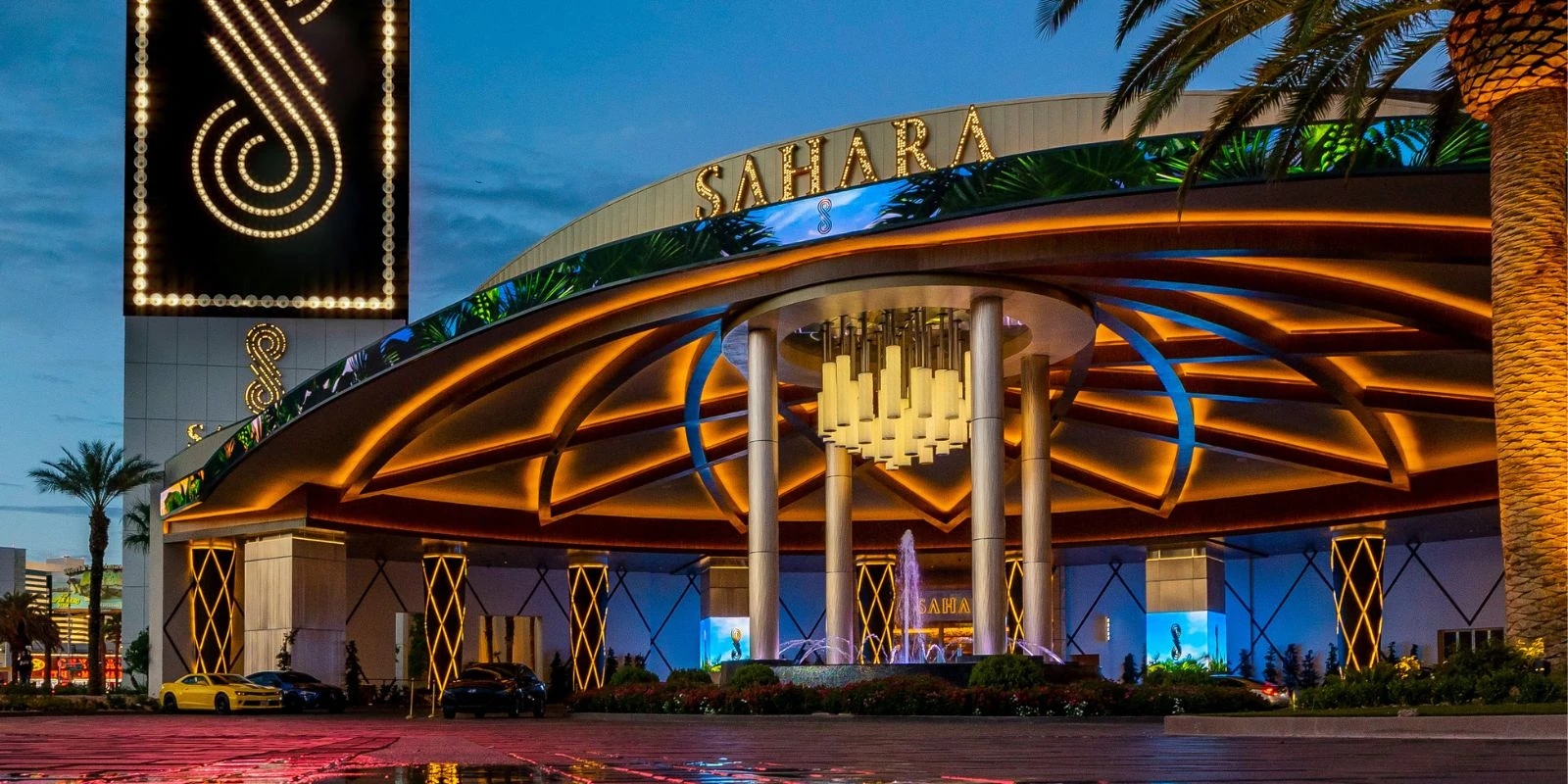
The Role of Sahara Las Vegas in the Broader Las Vegas Events Market
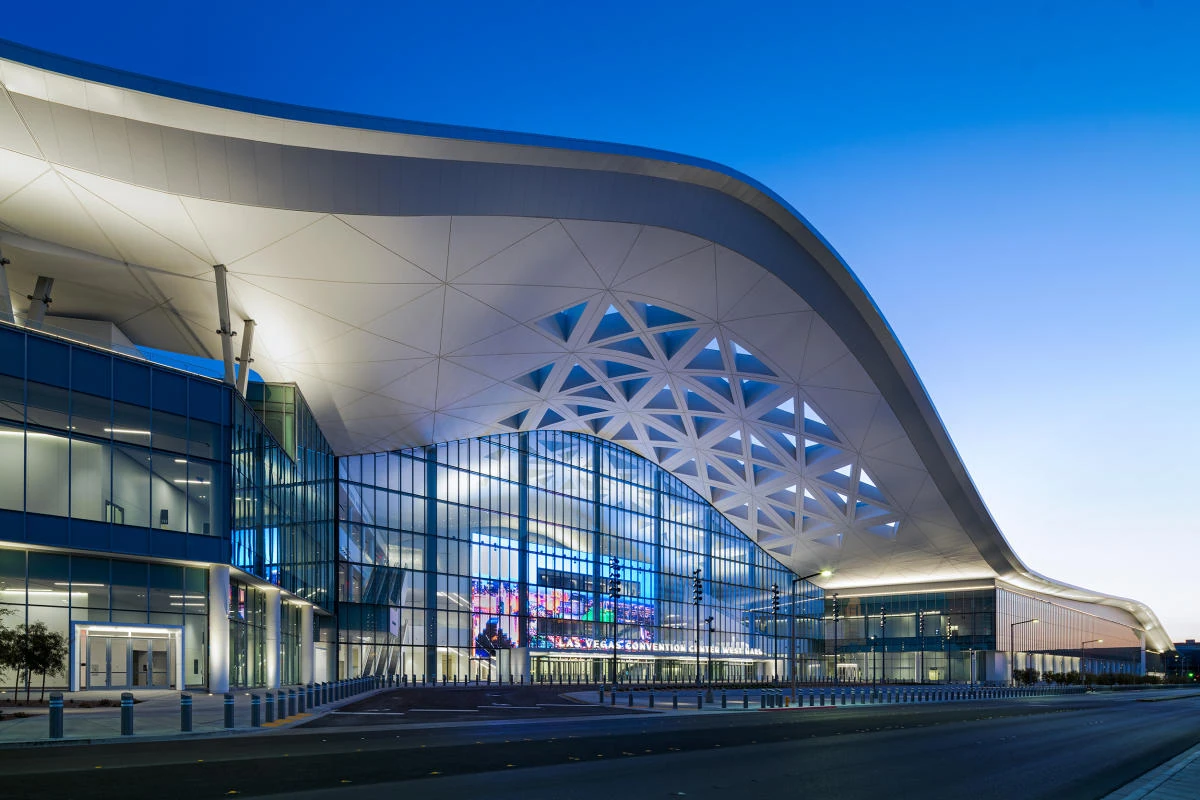
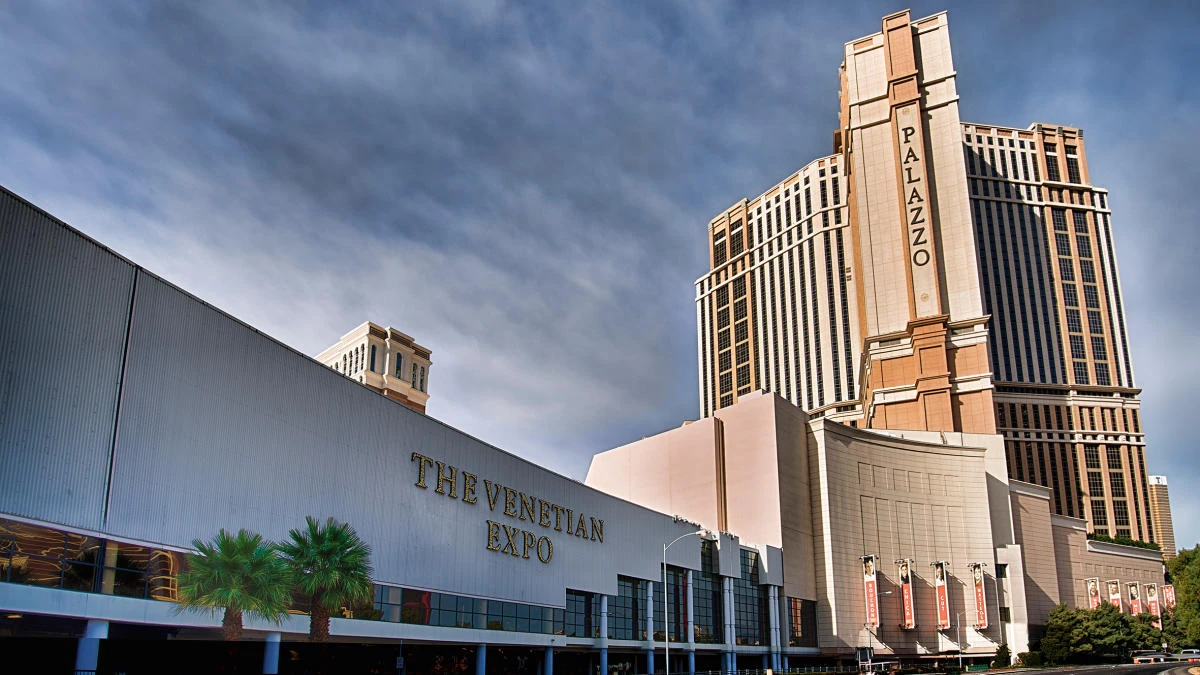
The Las Vegas events market is one of the most robust in the world, hosting thousands of conventions, trade shows, and corporate meetings annually. Within this busy scene, Sahara Las Vegas plays a specialized role by providing a resort campus setting that caters to mid-sized events and gatherings that prefer a more intimate yet still luxurious backdrop. Situated in the Strip North cluster, it offers an alternative to the massive scale of the Las Vegas Convention Center or the Venetian Expo, allowing for events that prioritize personalized experiences and direct access to on-property amenities. This differentiation is crucial for planners to understand when deciding on the right fit for their particular exhibition or trade show objectives.
The northern Strip area has undergone significant transformation in recent years, with properties like Sahara Las Vegas representing a renewed commitment to quality hospitality and event capabilities. This evolution has made it an attractive option for industries ranging from technology to consumer goods that want to tap into the Las Vegas draw without competing directly with the largest trade shows downtown or in the central districts. As a planning resource, the emphasis is on helping organizations navigate the specific planning implications of choosing this venue, including how it integrates with the city's overall transportation options and its proximity to other key destinations across the Strip.
Successful coordination for events at this property begins with a comprehensive review of the event schedule and its alignment with other major happenings throughout Las Vegas. This ensures that exhibit strategies account for potential overlaps in attendee schedules or opportunities to capture additional traffic from concurrent activities. The goal remains to create a cohesive plan that maximizes the advantages of the location while addressing any challenges associated with its position relative to clusters such as the Convention Center District, Strip Central, or Strip South.
District-Level Differentiation: Strip North vs Other Las Vegas Clusters
Las Vegas features several distinct event clusters, each with operational nuances that influence exhibition outcomes. The Strip North district, anchored in part by Sahara Las Vegas, maintains a character that blends historic Las Vegas appeal with contemporary updates, creating an environment that differs markedly from the purpose-built facilities in the Convention Center District. Where central venues emphasize sheer volume and standardized infrastructure, northern Strip properties often support events that benefit from a hospitality-focused atmosphere, which can translate to more relaxed networking opportunities and extended attendee engagement periods.
Compared to Strip South locations that frequently tie into large-scale resort conventions with heavy entertainment crossovers, or Strip Central spots known for their density and foot traffic intensity, the northern cluster provides a balance that suits organizations seeking targeted audiences without the overwhelming scale of mega-shows. Planning must therefore incorporate these distinctions, such as varying peak times, attendee travel patterns from the airport or other Strip segments, and the ways in which the district's layout affects material handling and setup considerations. These factors require early analysis to avoid misalignment between expectations and actual event dynamics.
Understanding these district-level differences enables more precise resource allocation and messaging development. For instance, exhibits in the Strip North may need to account for guests who are also exploring nearby properties or attending evening programming, necessitating designs that facilitate quick yet impactful interactions. Coordination resources help map these variables, ensuring that every element from graphics to interactive components supports the specific flow and pacing unique to this part of the market.
Crafting Exhibit Strategies Tailored to Resort Venues
Resort-based venues like those in the Strip North require exhibit strategies that harmonize professional objectives with the surrounding hospitality environment. At Sahara Las Vegas, this means developing displays that respect the architectural and atmospheric elements of the property while clearly communicating brand messages. Planning involves selecting materials, layouts, and experiences that enhance rather than compete with the venue's inherent appeal, creating an integrated presence that feels intentional and immersive for attendees moving between sessions and amenities.
Effective designs for these settings often prioritize modularity and adaptability, allowing teams to adjust configurations based on final floor plans and expected traffic. This approach supports various event formats, from industry-specific showcases to broader corporate activations, ensuring the exhibit remains functional across different scales. Coordination at the planning stage includes reviewing past event data from similar properties to inform dimensions, sight lines, and interaction zones that perform well within resort ballrooms or dedicated meeting areas.
Beyond physical structure, strategic messaging should reflect the sophisticated yet approachable tone that defines many Las Vegas resort events. This includes incorporating elements that encourage dialogue and relationship building, which tend to yield stronger outcomes in these environments compared to purely transactional setups in larger convention halls. Through detailed upfront planning, exhibitors can refine these aspects to align closely with their goals while operating effectively within the venue's parameters.
Logistics Planning for Successful Sahara Las Vegas Events
Logistics form the backbone of any well-executed exhibition, particularly in a market as active as Las Vegas where multiple events can overlap across districts. For Sahara Las Vegas, planning must address the specifics of northern Strip access, including coordination with citywide transport systems that connect the airport, downtown, and other resort areas. This involves mapping timelines for inbound and outbound movements to minimize disruptions and ensure compliance with venue receiving protocols, all while maintaining flexibility for potential adjustments based on final attendee numbers or program changes.
Material handling considerations differ when working with resort properties versus dedicated exposition halls, as space for staging and storage may require more creative solutions. Authoritative coordination emphasizes creating detailed timelines that account for these realities, incorporating buffers for traffic variables along the Strip and alignment with labor schedules common to the area. Such preparation helps prevent last-minute issues and allows focus to remain on the quality of the attendee experience rather than operational surprises.
A comprehensive logistics framework also includes contingency planning for the unpredictable elements inherent to large-scale event markets. By documenting each step from initial freight routing through final dismantle, teams establish clear accountability and communication channels. This methodical approach supports smoother outcomes and provides valuable data for refining future participations at Sahara Las Vegas or comparable properties in the northern cluster.
Incorporating Innovative Technologies in Your Exhibit
Technology integration has become essential for standing out in competitive Las Vegas events, and Sahara Las Vegas offers an environment well-suited to advanced implementations. Planning for these elements starts with assessing the venue's available infrastructure, including power capacities and data connectivity options typical of modern resort facilities. This allows for smooth incorporation of interactive displays, digital signage, or virtual reality components that enhance product demonstrations without overwhelming the physical space or conflicting with nearby programming.
Successful technology deployments require early testing protocols and backup solutions to maintain performance throughout the event duration. In the context of Strip North events, where attendees may arrive with varying levels of tech familiarity, designs should emphasize intuitive interfaces that facilitate engagement rather than create barriers. Coordination resources focus on aligning these choices with overall event objectives, ensuring that digital features support rather than replace personal interactions that remain central to trade show success.
Emerging tools such as real-time analytics platforms or mobile integration features can provide immediate insights into booth performance, enabling on the Fly adjustments. When planned thoughtfully, these technologies transform static exhibits into dynamic experiences that capture valuable data while respecting the flow and ambiance of the Sahara Las Vegas setting. The key lies in balancing innovation with practicality through structured planning that accounts for both opportunities and potential limitations.
Measuring and Optimizing Event Performance
Post-event evaluation provides the foundation for continuous improvement in the Las Vegas market, where competition for attention remains high across all districts. For exhibitions at Sahara Las Vegas, metrics should extend beyond basic lead counts to include engagement quality, dwell time, and conversion indicators that reflect the resort environment's influence on attendee behavior. Planning incorporates predefined KPIs established during initial strategy sessions, allowing for consistent data collection that reveals what resonates most effectively within this specific cluster.
Analysis of results from Strip North events often highlights the value of integrated hospitality elements in fostering deeper connections compared to more transactional settings elsewhere in the city. This data informs future adjustments to layout, staffing approaches, and messaging, creating a cycle of refinement that strengthens overall market presence. Coordination at this stage involves compiling findings into actionable reports that support decision-making for subsequent participations, whether returning to Sahara Las Vegas or exploring complementary venues.
Longer-term optimization also considers how individual events contribute to broader brand objectives within the Las Vegas ecosystem. By tracking patterns across multiple shows and districts, organizations can develop more sophisticated approaches that leverage the unique strengths of each location. This strategic perspective, supported by detailed planning documentation, helps maximize return on investment and build sustainable success in one of the world's premier business event destinations.
Sustainable Practices in Las Vegas Trade Show Coordination
Sustainability has gained prominence across the events industry, and Las Vegas venues have increasingly adopted practices that support environmentally conscious exhibitions. Planning for Sahara Las Vegas includes identifying opportunities to incorporate reusable components, responsibly sourced materials, and waste reduction strategies that align with broader industry standards. These considerations enhance brand reputation while addressing the operational realities of frequent events in a desert climate where resource efficiency carries additional importance.
Effective sustainable coordination involves evaluating the full lifecycle of exhibit elements, from fabrication through multiple uses across different districts and cities. For Strip North events, this might include selecting modular systems that adapt easily between resort venues and larger exposition halls, thereby reducing the need for one-off constructions. Such approaches require upfront analysis but deliver both environmental benefits and potential cost efficiencies over repeated activations.
By embedding these practices into the core planning process, exhibitors demonstrate commitment to responsible operations while appealing to audiences that increasingly prioritize corporate stewardship. Documentation of sustainability measures also provides valuable content for post-event reporting and marketing, reinforcing the thoughtful approach taken throughout the coordination of the Sahara Las Vegas presence.
Frequently asked questions
What are the main advantages of hosting an event at Sahara Las Vegas compared to larger convention centers?
Sahara Las Vegas provides a resort-style setting that can create a more intimate and branded experience for attendees. This environment often supports higher engagement levels as participants enjoy integrated hospitality services. Planning with an understanding of these attributes allows for targeted exhibit designs that complement the property while advancing specific business objectives.
How does the Strip North location affect transportation planning for exhibitors?
The northern position on the Las Vegas Strip requires consideration of citywide transportation networks including rideshare services, airport connections, and routes that serve the full length of the Strip. Coordination involves mapping these elements to support efficient movement while accounting for typical traffic patterns. Consulting specialized providers for execution details remains advisable to align with specific event timelines.
What should exhibitors consider when designing for a resort venue like Sahara Las Vegas?
Designs should harmonize with the hospitality atmosphere while maintaining clear professional focus. This includes evaluating scale, materials, and interactive elements that function effectively within the available spaces. Early planning that accounts for attendee flow between sessions and amenities typically leads to stronger integration and improved results.
How can organizations measure success at events in the Strip North district?
Success metrics should include both quantitative data such as qualified leads and qualitative insights regarding engagement quality and brand perception. Comparison against events in other Las Vegas clusters provides additional context. Thorough documentation during and after the show supports meaningful analysis and future optimization.
Why is district-level differentiation important in Las Vegas event planning?
Each cluster presents distinct attendee profiles, logistical considerations, and operational dynamics that influence outcomes. Recognizing how Strip North differs from the Convention Center District or Strip South enables more precise strategy development. This nuanced approach helps align resources effectively with the specific characteristics of the chosen venue.
Top venues
See all venues