Las Vegas Venues
South Point Hotel Casino and Spa Trade Show Planning Guide
Strategic coordination resources for successful exhibits and corporate events at South Point Hotel Casino and Spa in the Las Vegas market.
Strategic Positioning Within the Las Vegas Events Market
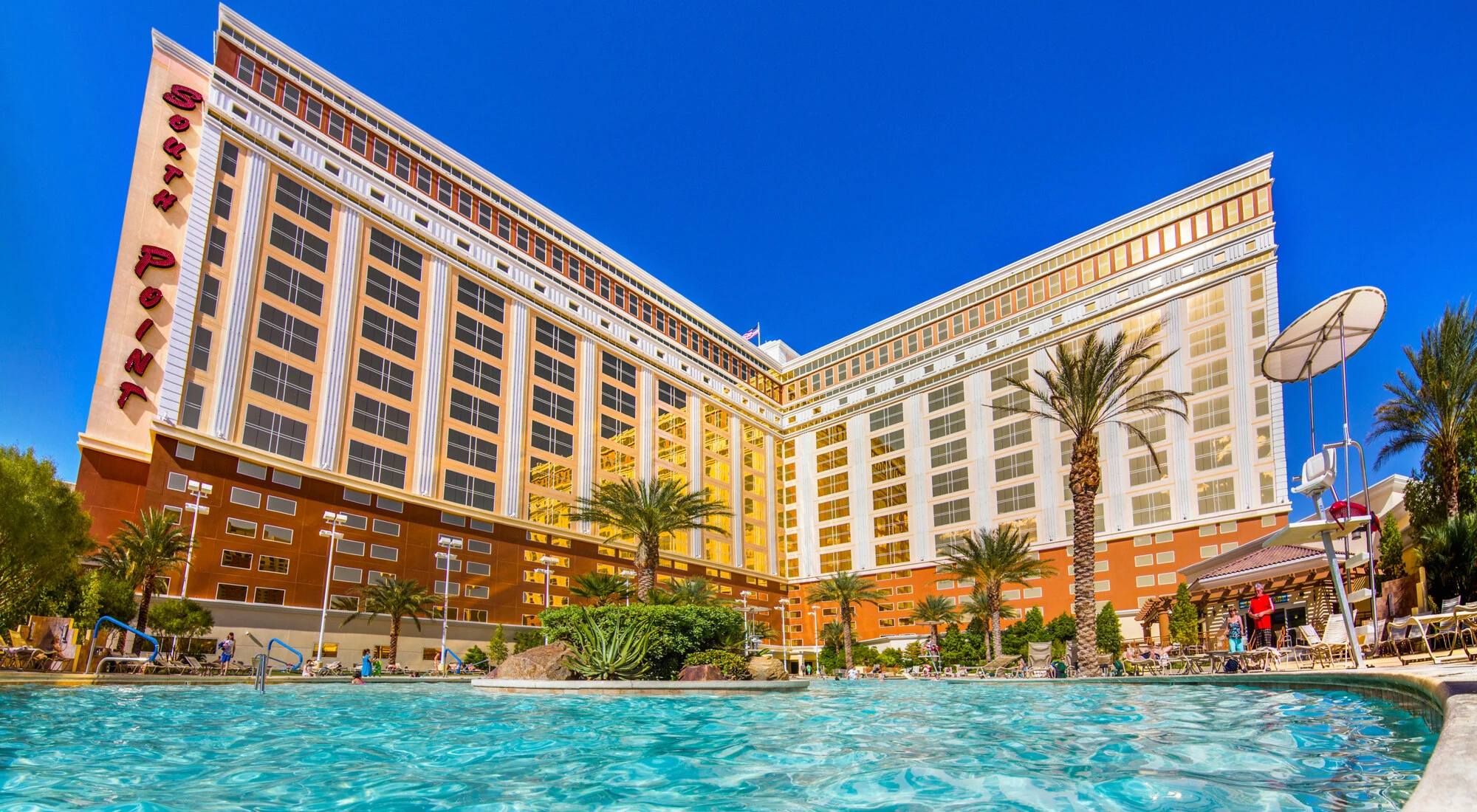
South Point Hotel Casino and Spa occupies a distinct niche in the broader Las Vegas venue landscape. Positioned in the Strip South cluster, it provides an alternative to the high-density environments of central Strip properties and the Las Vegas Convention Center. This location supports events where a more measured pace and integrated resort experience can enhance professional networking and brand immersion.
Market data from comparable southern venues indicates that properties in this district often attract regional and mid-market exhibitors who prioritize accessibility from major arterial routes over immediate proximity to the core tourist corridor. Planning efforts should therefore account for how this positioning influences attendee demographics, dwell time, and overall event flow.
Coordination resources focus on mapping event goals against these district-level attributes. By evaluating transportation access points and the balance between exhibition halls and supporting amenities, planners can develop approaches that maximize impact while respecting the venue's operational cadence.
Pre-Event Coordination and Timeline Development
Successful events at South Point Hotel Casino and Spa begin with structured pre-event planning that sequences all required approvals, submissions, and alignments across multiple parties. A typical timeline extends several months prior to move-in, allowing sufficient buffers for design reviews, logistical arrangements, and contingency development.
Key phases include initial concept validation, detailed specification documentation, stakeholder synchronization, and progressive milestone checkpoints. This structured approach helps identify potential bottlenecks early, particularly those related to the integration of exhibit elements with the property's existing infrastructure and scheduling parameters.
Resources for coordination stress the importance of documenting every interface point between exhibitors, organizers, service providers, and venue protocols. This documentation creates a shared reference that maintains clarity throughout the planning cycle and reduces the likelihood of last-minute adjustments.
Attention to district-specific factors, such as southern Las Vegas traffic patterns during peak event periods, further informs the timeline. Building in appropriate lead times for these elements ensures smoother transitions from planning to implementation.
Exhibit Design and Spatial Optimization Approaches
Exhibit design for South Point Hotel Casino and Spa benefits from careful consideration of the venue's spatial characteristics and the way attendees navigate between conference areas and resort facilities. Designs should facilitate clear sight lines, intuitive traffic patterns, and flexible configurations that adapt to varying show schedules.
Coordination best practices encourage modular approaches that can be refined based on final space assignments and neighboring exhibits. This flexibility supports efficient setup while maintaining brand consistency across different event scales. Visual and interactive elements perform best when calibrated to the ambient environment created by the property's architectural features.
Planning teams are advised to incorporate feedback loops during the design phase to align creative concepts with practical execution requirements. This includes evaluating material choices for compatibility with venue movement pathways and storage parameters during multi-day programs.
Logistics and Material Management Strategies
Logistical planning for South Point Hotel Casino and Spa events requires precise sequencing of inbound and outbound material movements within the context of the Strip South district. Advance mapping of delivery windows, staging areas, and sequencing with other venue activities helps prevent congestion and maintains schedule integrity.
Effective coordination involves creating detailed manifests that track every component from initial dispatch through final removal. This level of documentation supports accountability across the supply chain and provides clear reference points should adjustments become necessary due to external factors such as regional transportation variables.
District-level differentiation becomes apparent in how southern venues interface with major roadways and distribution networks. Planning resources emphasize building redundancy into these plans, including alternative routing considerations and communication protocols for all involved parties.
Technology Integration and Presentation Planning
Modern exhibitions at South Point Hotel Casino and Spa increasingly depend on smooth technology integration to deliver compelling presentations and data-driven experiences. Planning for power requirements, connectivity, and audiovisual systems should occur early in the coordination process to align with the venue's available infrastructure.
Coordination frameworks recommend comprehensive technology audits that map intended applications against venue capabilities and any supplemental requirements. This audit process helps identify opportunities for enhanced engagement while avoiding technical complications during live event periods.
Attention to data security, bandwidth allocation, and backup systems forms an important component of responsible planning. These elements ensure that technology enhances rather than complicates the core exhibition objectives within the resort environment.
Attendee Experience and Engagement Optimization
The integration of South Point Hotel Casino and Spa's resort amenities with exhibition activities creates unique opportunities for attendee engagement that extend beyond traditional booth interactions. Planning should address how to leverage these touchpoints to create cohesive experiences that reinforce brand messaging and facilitate meaningful business conversations.
Effective strategies include programmed transitions between formal presentation areas and informal hospitality zones, with clear wayfinding and scheduling communications. This coordinated approach helps maximize the value of attendee time while respecting the natural rhythms of the property.
Measurement frameworks focused on engagement metrics, lead quality, and satisfaction indicators provide data for refining future events at this venue. By establishing baseline expectations and tracking actual performance, organizers can demonstrate clear return on investment to stakeholders.
Budget Development and Resource Allocation
Developing accurate budgets for South Point Hotel Casino and Spa events requires granular attention to all coordination touchpoints, from initial planning through post-event analysis. Categorizing expenses by phase and responsible party creates transparency and helps identify areas for optimization without compromising quality.
Market patterns observed across similar southern Las Vegas venues suggest that early allocation for coordination resources often yields efficiencies in other budget categories by preventing costly changes later in the timeline. This preventive approach supports overall fiscal responsibility while maintaining event standards.
Resource allocation models should incorporate contingency percentages appropriate to the complexity of the specific exhibition. Regular budget reviews at key milestones allow for informed adjustments based on actual versus projected expenditures.
Frequently asked questions
How does planning for South Point Hotel Casino and Spa differ from central Strip venues?
The Strip South location typically involves different traffic patterns, delivery sequencing, and integration with resort amenities compared to denser central or convention district properties. Coordination timelines should account for these district-specific characteristics to maintain efficiency.
What are the primary coordination timelines recommended for events at this venue?
Planning cycles generally begin 6 to 12 months in advance for larger programs, with intensive specification and approval phases occurring 90 to 120 days prior to move-in. These timelines allow for thorough alignment across all stakeholders.
How can exhibitors optimize their presence within the resort environment?
Successful approaches focus on integrating brand experiences with the property's natural flow between meeting spaces and hospitality areas. Clear wayfinding, scheduled programming, and technology-supported engagement help maximize attendee interaction time.
What documentation supports effective logistics coordination?
Comprehensive manifests, detailed timelines, stakeholder responsibility matrices, and contingency protocols form the foundation of successful logistics. These documents create shared visibility and accountability throughout the planning and execution phases.
How should technology requirements be addressed during planning?
Early mapping of intended applications against venue infrastructure capabilities helps identify any supplemental needs. Comprehensive audits covering power, connectivity, security, and backup systems prevent technical disruptions during the event.
What metrics best demonstrate success for events at South Point?
A balanced scorecard incorporating engagement duration, lead quality, attendee satisfaction scores, and post-event follow-up conversion rates provides a comprehensive view of performance and return on investment.
Top venues
See all venues