Las Vegas Venues
The Orleans Hotel and Casino: Trade Show Exhibit Planning and Coordination in Las Vegas
Strategic coordination for exhibits at the Orleans Hotel and Casino demands precise alignment with Las Vegas venue protocols, attendee patterns, and the city's multifaceted convention landscape.
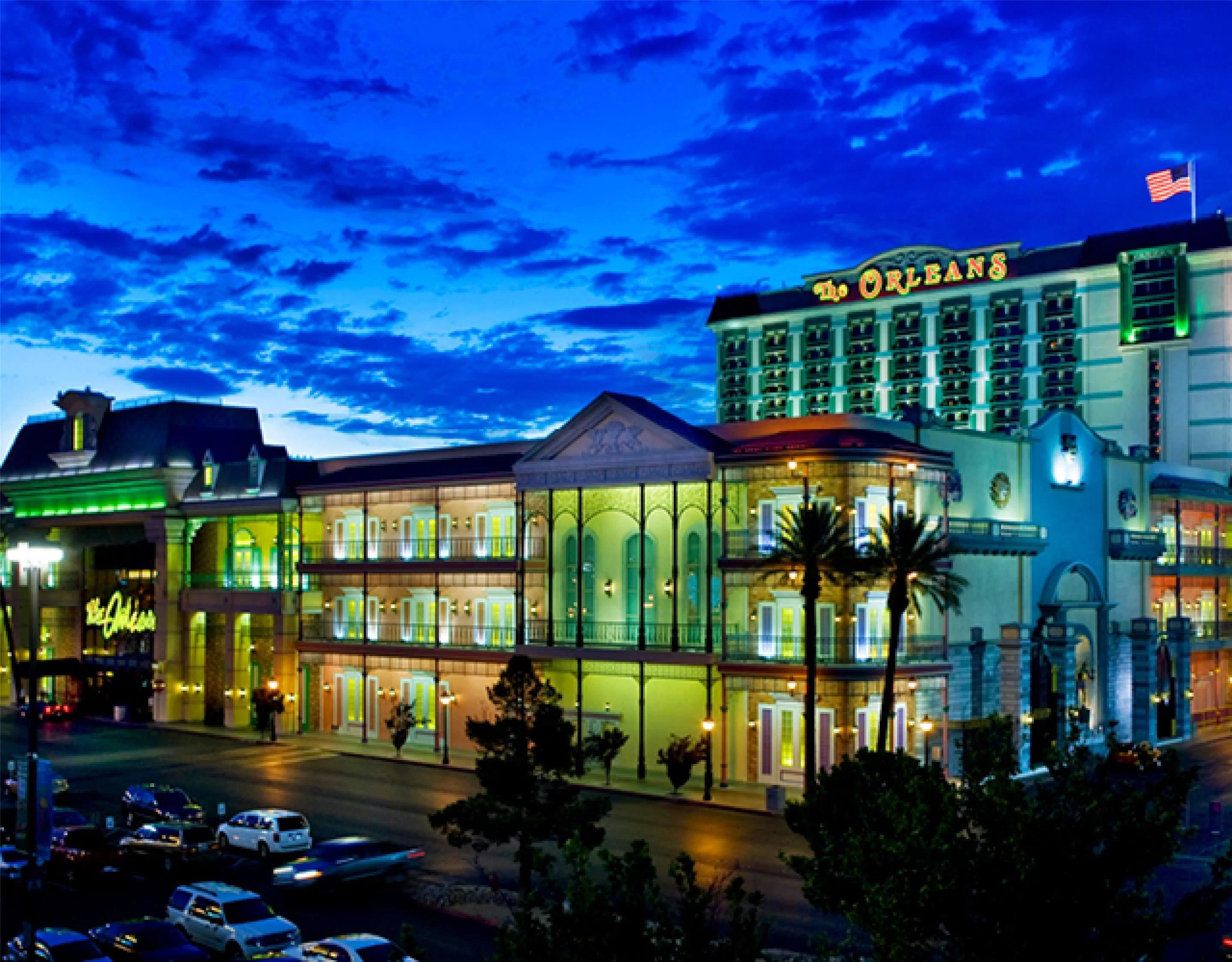
Positioning Within the Las Vegas Venue Ecosystem
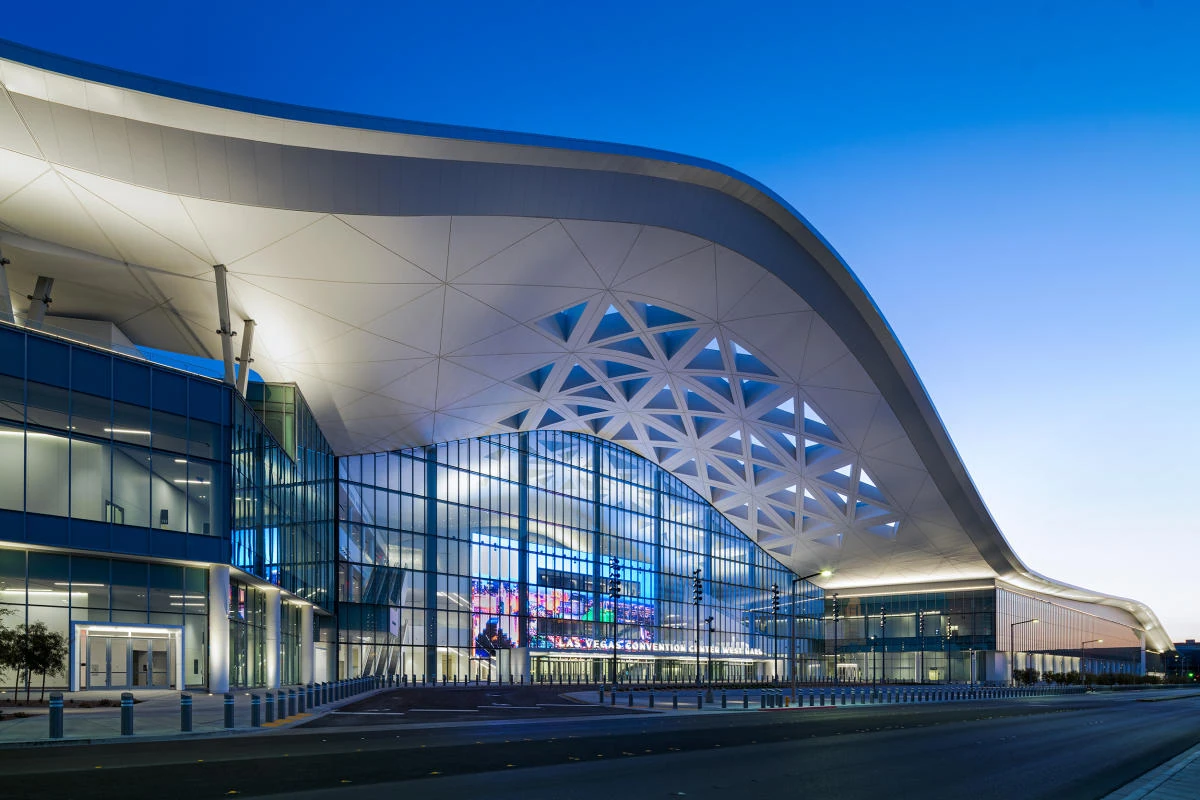
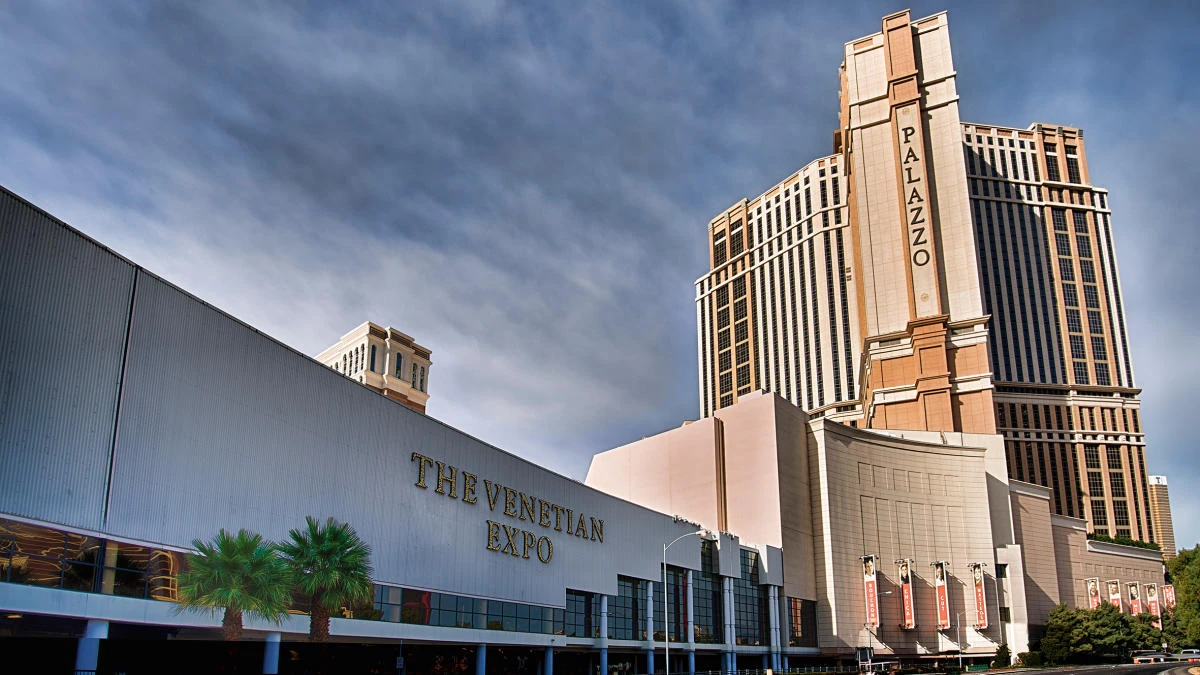
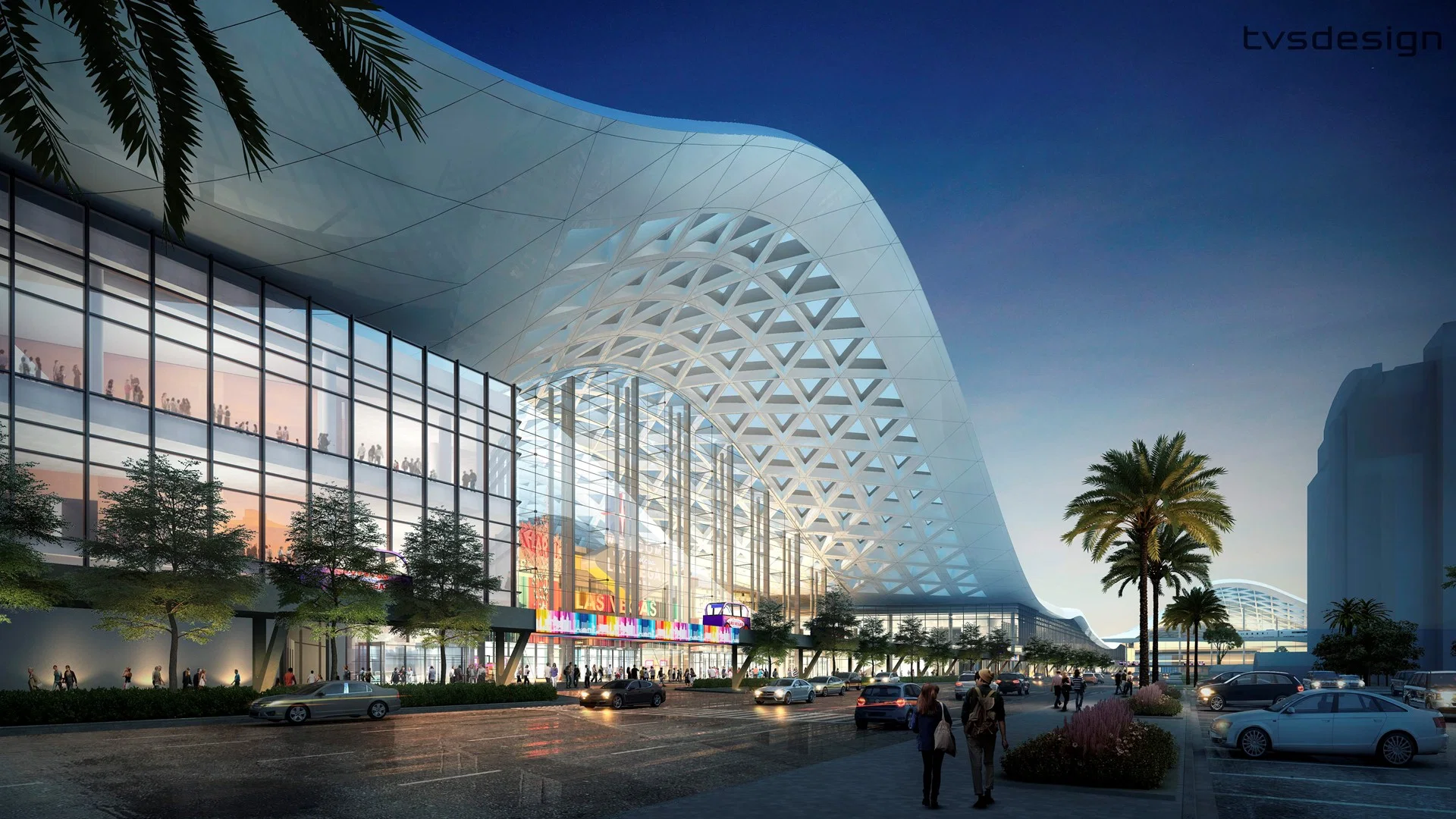
Selecting the Orleans Hotel and Casino for a trade show or corporate event requires evaluating its position relative to other prominent Las Vegas options. While the Las Vegas Convention Center and the Venetian Expo accommodate massive attendee volumes with extensive square footage, the Orleans provides a more contained setting that often suits mid-scale gatherings or niche industry programs. This differentiation influences everything from expected foot traffic to the types of interactions that can be effectively facilitated.
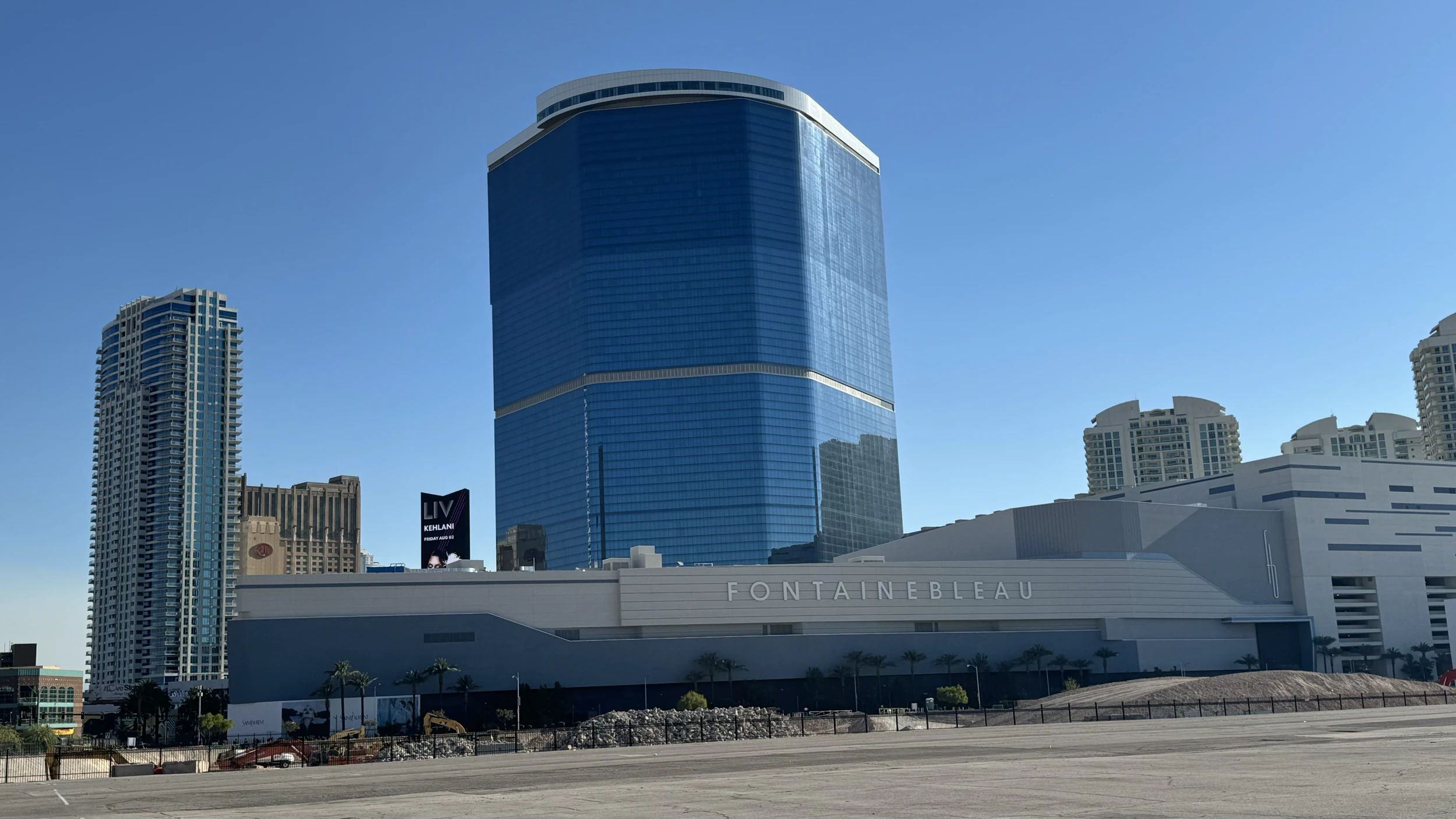
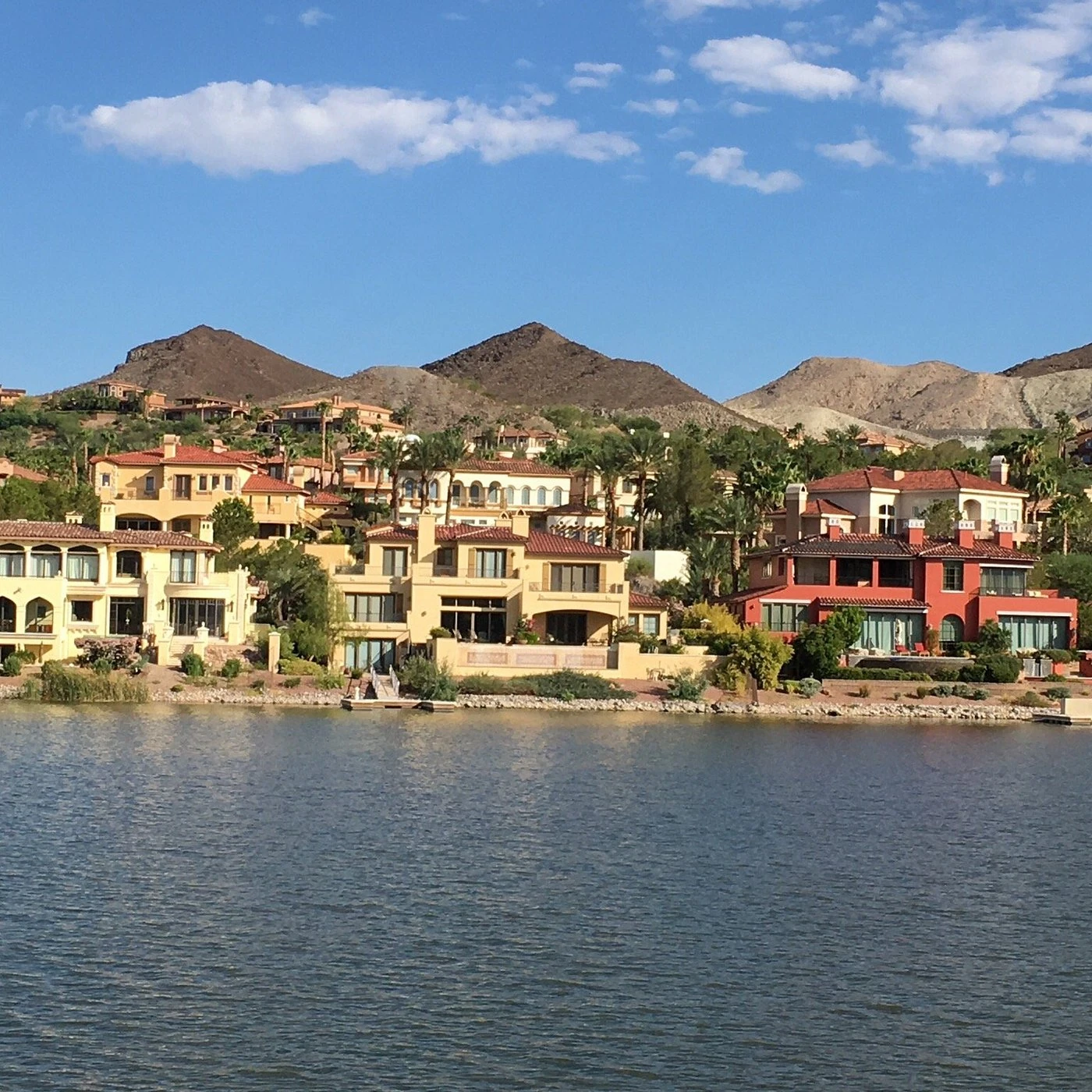
Planners benefit from reviewing the full spectrum of properties, including Fontainebleau Las Vegas with its modern facilities, Westgate Las Vegas Resort and Casino known for specialized events, and off-Strip alternatives like Alexis Park All Suite Resort, Virgin Hotels Las Vegas, Green Valley Ranch Resort and Spa, and Hilton Lake Las Vegas Resort and Spa. Each location carries distinct implications for transportation planning, attendee dwell time, and competitive visibility that must be factored into early strategy sessions.
Operational detail begins with calendar alignment. Las Vegas experiences cyclical peaks tied to major industry rotations, and scheduling at the Orleans must account for these rhythms to avoid conflicts or to capitalize on complementary programming occurring at neighboring venues. This level of market awareness supports more informed decisions about exhibit scale, staffing models, and supporting activations.
Resource allocation follows from this positioning analysis. Budgets, design ambitions, and promotional investments all shift based on whether the chosen venue emphasizes broad exposure or targeted, high-quality connections. Maintaining this contextual view prevents misalignment and contributes to more predictable results.
Exhibit Design Adapted to Venue Characteristics
Booth and display planning for the Orleans Hotel and Casino must respond to its particular spatial configurations and aesthetic context. Designs need to balance visual impact with practical considerations such as clear pathways, sightlines from multiple angles, and adaptability during move-in phases common to resort-based venues. The goal remains creating environments that encourage meaningful engagement rather than passive viewing.
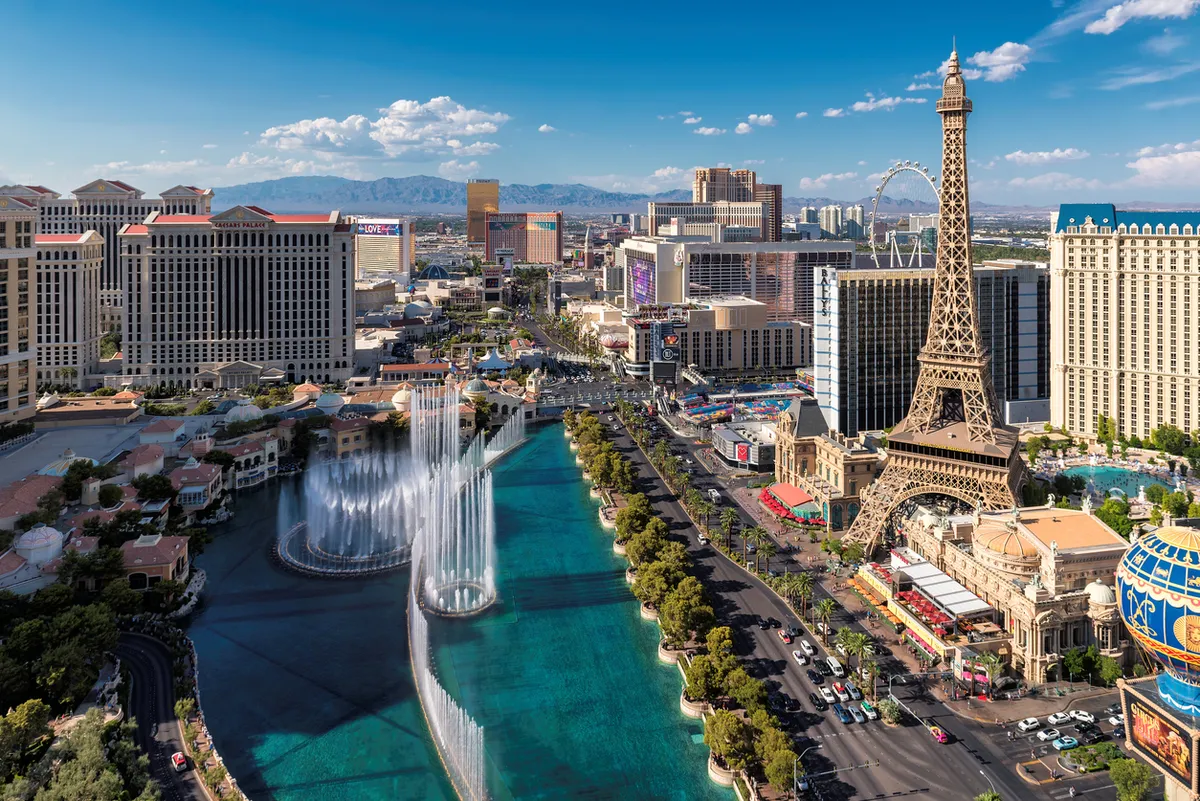
Compared to the expansive halls of the Las Vegas Convention Center or the high-end environments of Strip Central properties, the Orleans calls for solutions that feel integrated with the resort's overall atmosphere. Modular systems, custom elements, and rental inventories should be selected and configured to support flexible layouts that can accommodate varying program needs while remaining compliant with standard dimensional and safety guidelines.
Nuance enters through material choices and thematic coherence. Elements that resonate with Las Vegas's reputation for innovation and spectacle can be incorporated at appropriate scale, but always with attention to setup efficiency and dismantle timelines. Experienced coordination helps translate conceptual designs into on-site realities that perform as intended within the venue's operational windows.
Iterative review processes during the design phase help surface potential conflicts early. This includes verification against known venue parameters and alignment with the exhibitor's broader campaign themes across multiple Las Vegas appearances.
Logistical Sequencing and Operational Timing
Logistics for the Orleans Hotel and Casino follow the structured patterns established across the Las Vegas events industry. This includes precise scheduling of inbound shipments, installation windows, show operations, and outbound coordination. Planning resources stress the development of detailed Gantt-style timelines that incorporate buffer periods to accommodate the unexpected variables inherent in large-scale resort events.
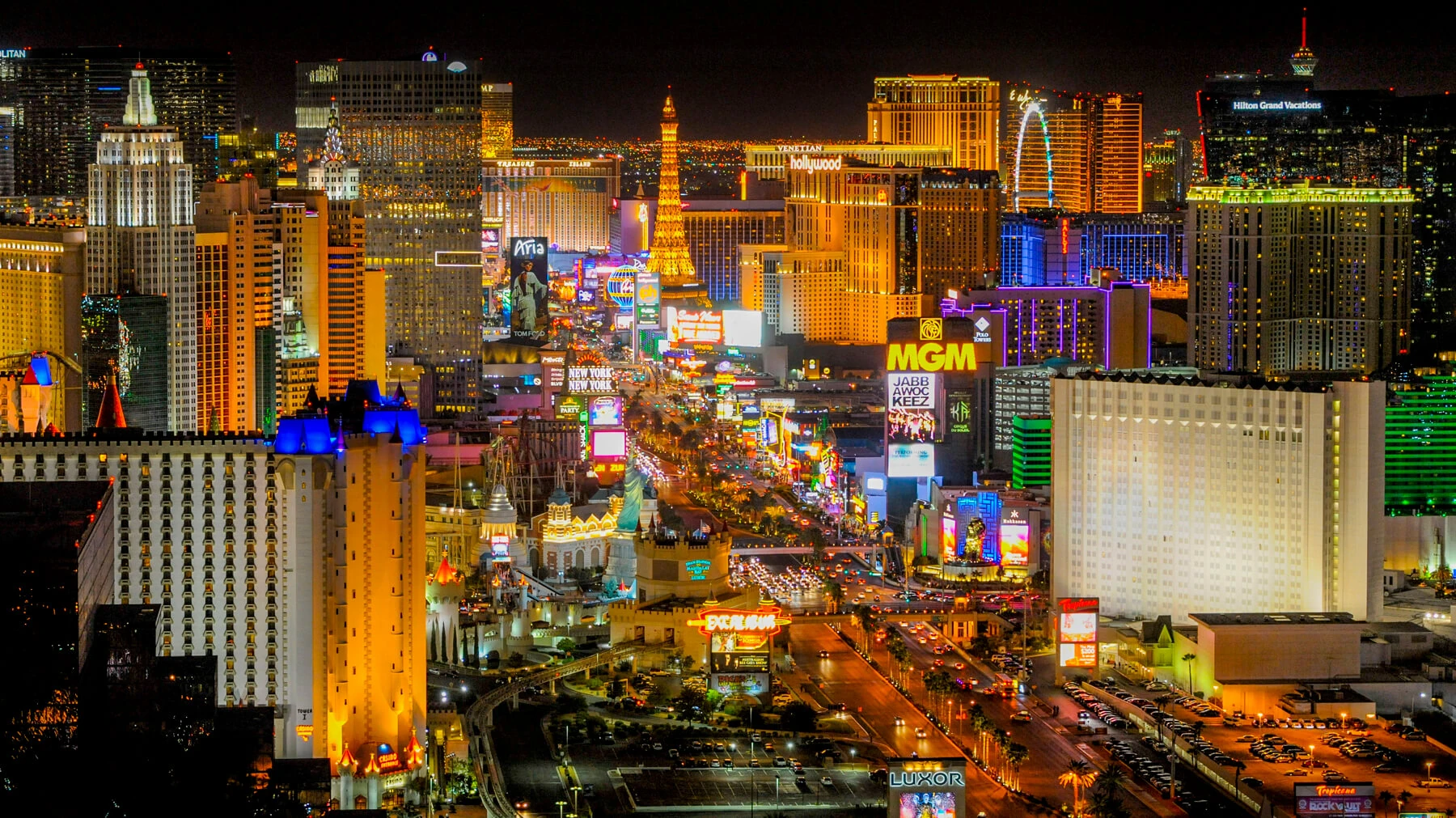
Material handling protocols, while not executed directly, require thorough documentation and advance coordination to align with venue expectations. Understanding the sequencing of neighboring events helps avoid bottlenecks in receiving areas or labor allocation periods that can affect multiple properties simultaneously. The distinction between Strip North or South clusters and more suburban-style campuses like the Orleans affects these timelines in measurable ways.
Post-event dismantle and shipping coordination demands equal attention. Rapid turnover between events at Las Vegas venues means that clear instructions, pre-labeled materials, and confirmed carrier arrangements reduce risk of delays or storage complications. Comprehensive checklists maintained from initial planning through final reconciliation support smoother transitions.
Technology and utility requirements also factor into the operational plan. Power distribution, internet connectivity, and AV integration must be mapped during early stages to ensure compatibility with the venue's infrastructure and to prevent last-minute adjustments that disrupt overall schedules.
Market Demand Drivers and Attendee Engagement
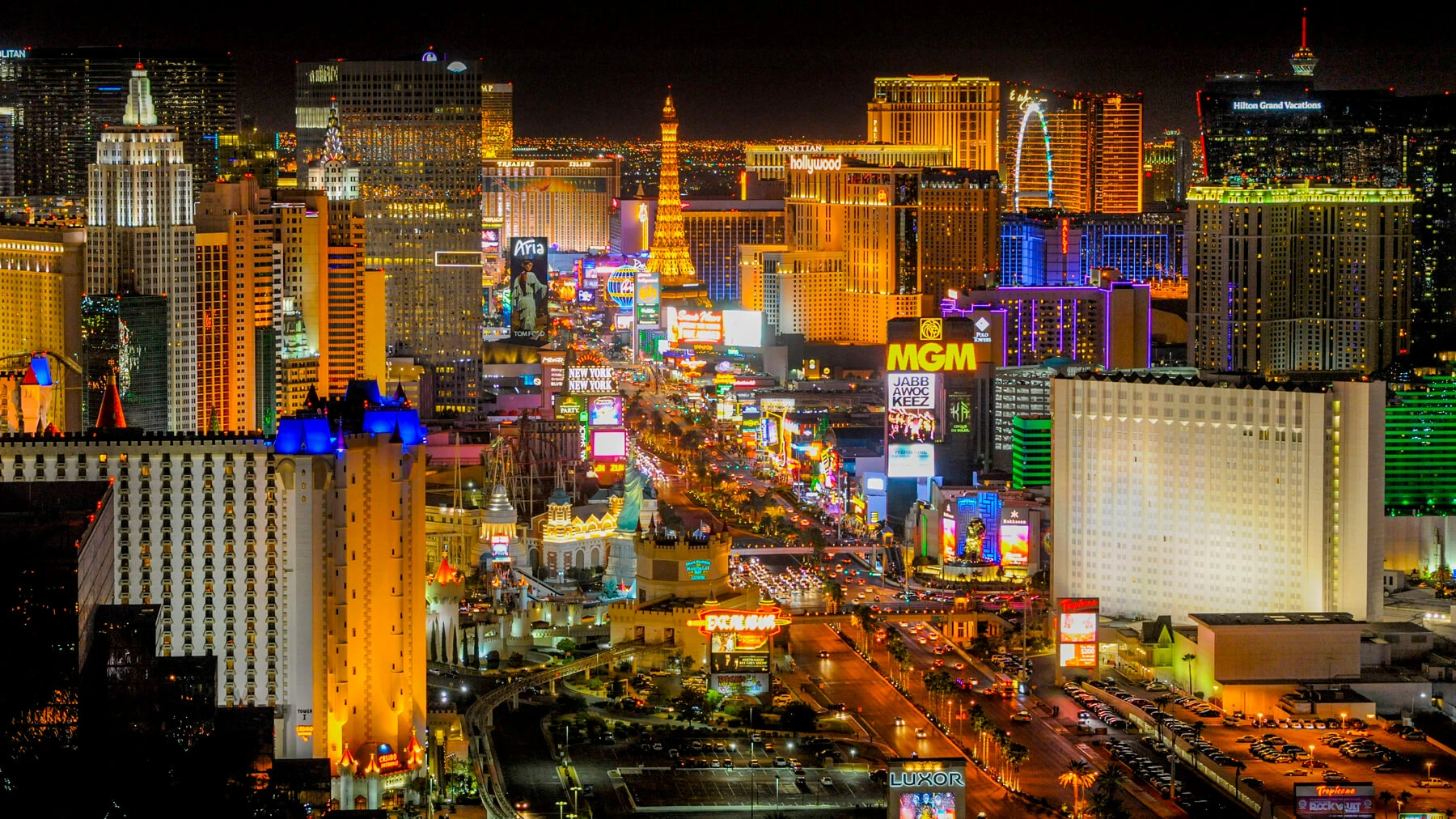
Las Vegas sustains its position through consistent demand from industries ranging from technology and healthcare to hospitality and consumer goods. Events at the Orleans Hotel and Casino often draw segments that value the resort's comprehensive amenities and more focused environment compared to the intense activity at the Las Vegas Convention Center or the Venetian Expo. Recognizing these demand drivers informs pre-show outreach and on-site programming.
Engagement strategies should reflect the venue's typical attendee profile while remaining adaptable to evolving market signals. Interactive elements, educational sessions, and experiential activations perform differently across districts, with the Orleans offering opportunities for deeper conversations that might be more challenging in higher-traffic Strip Central locations. Data collection methods must be selected to capture quality interactions rather than sheer volume.
Integration with the wider Las Vegas calendar enhances outcomes. When multiple events occur in proximity across venue clusters, cross-promotion or staggered attendance patterns can be leveraged through careful planning. This requires monitoring official calendars and industry announcements well in advance to identify synergistic opportunities.
Measurement frameworks extend beyond the show floor to include post-event nurturing sequences calibrated to the specific audience segments that frequent the Orleans. Long-term tracking of lead progression provides the feedback necessary to refine future participation strategies.
Technology and Connectivity Planning
Contemporary exhibits at the Orleans Hotel and Casino routinely incorporate digital components to enhance data capture and attendee interaction. Planning must account for the venue's available infrastructure, including bandwidth considerations and power access points that differ from those found at larger convention centers. Early verification prevents operational disruptions during peak hours.
Lead retrieval systems, mobile applications, and immersive displays require testing against real-world conditions rather than assumptions. Coordination resources highlight the importance of having backup solutions and on-call technical support frameworks even when primary execution partners are separately contracted. This layered approach maintains program integrity regardless of unforeseen variables.
Data security and privacy compliance remain central considerations given the volume of information exchanged at Las Vegas events. Policies should be established during initial planning and communicated consistently across all booth personnel to maintain trust with attendees from diverse industries.
Post-event analytics drawn from these technologies provide granular insights that can be compared against benchmarks from other properties such as Fontainebleau Las Vegas or Green Valley Ranch Resort and Spa. These comparisons help refine technology investments over successive events.
Compliance, Sustainability, and Long-Term Strategy
All planning for the Orleans Hotel and Casino occurs within the regulatory and operational frameworks that govern Las Vegas events. This includes standard health, safety, and accessibility requirements that apply uniformly while allowing for venue-specific nuances. Maintaining current documentation and conducting regular compliance reviews forms an essential part of risk management.
Sustainability considerations have become integral to responsible exhibiting. Selection of reusable components, minimization of printed collateral, and attention to waste streams during installation and dismantle align with broader industry trends observable across multiple Las Vegas properties. These practices can be scaled appropriately to the resort campus setting without compromising visual impact.
Long-term strategy involves building institutional knowledge from each participation. Documentation of what succeeded or required adjustment at the Orleans versus other listed venues creates a reference base for more efficient planning in subsequent years. This accumulated insight differentiates sophisticated exhibitors from those approaching each event in isolation.
Periodic reassessment of venue fit within the overall Las Vegas portfolio ensures resources are directed toward properties that continue to deliver target outcomes as market conditions evolve. The Orleans retains relevance for programs that prioritize quality engagement within a full-service resort environment.
Budgeting and ROI Optimization Frameworks
Developing accurate budgets for the Orleans Hotel and Casino requires granular attention to each cost category, from design and fabrication through logistics, on-site services, and measurement activities. Unlike the largest facilities where certain baseline expenses scale dramatically, this venue allows for more contained investment levels that can be calibrated to specific outcome targets.
ROI calculations should incorporate both direct metrics, such as qualified leads generated, and indirect benefits including brand exposure within the Las Vegas market. Comparing expenditures and returns against similar programs at sibling venues like Westgate Las Vegas Resort and Casino or Hilton Lake Las Vegas Resort and Spa provides context for continuous improvement.
Cost containment strategies include early commitment to space and services where possible, consolidated shipping to reduce multiple touchpoints, and technology choices that deliver high impact without proportional expense increases. These decisions benefit from reference to established planning templates refined through repeated exposure to the Las Vegas calendar.
Ultimately, successful financial outcomes stem from alignment between investment levels, audience quality, and activation effectiveness. Regular review against predefined KPIs enables mid-course corrections and informs more precise forecasting for future cycles.
Frequently asked questions
How does the Orleans Hotel and Casino differ from Strip cluster venues for trade shows?
The Orleans provides a more contained resort campus setting compared to the intense activity and larger scales typical of Strip Central, Strip South, or Strip North properties. This supports focused engagements while still benefiting from the overall Las Vegas demand drivers and infrastructure.
When should planning begin for an exhibit at the Orleans Hotel and Casino?
Initial strategy development typically starts 9 to 12 months in advance to allow sufficient time for design iteration, logistical alignment with the Las Vegas event calendar, and coordination across the full spectrum of required services.
What role does district differentiation play in venue selection?
Understanding distinctions between the Convention Center District, various Strip clusters, and off-Strip options like the Orleans helps match event objectives to the most suitable environment for target attendee profiles and desired interaction levels.
How can exhibitors measure success at this venue?
Establish KPIs early that include lead quality, engagement depth, and post-event conversion metrics. These should be tracked consistently and compared against benchmarks from other Las Vegas properties to refine ongoing strategy.
Are sustainability practices emphasized for events at the Orleans?
Yes, integration of reusable materials, waste reduction, and responsible sourcing aligns with industry standards observed across Las Vegas venues and contributes to positive brand perception among attendees.
What makes Las Vegas venue planning uniquely complex?
The density of competing properties, cyclical demand patterns, and specific operational protocols across districts require comprehensive coordination that accounts for transportation, labor rhythms, and calendar overlaps not found in less concentrated markets.
Top venues
See all venues