Display Technology
Backlit & LED Displays Las Vegas
Backlit SEG light boxes and modular LED video walls give Las Vegas booths the luminance to compete with a city built on screens, turning a back wall into a glowing, motion-driven brand statement.
Backlit Light Boxes vs. LED Walls
These are two different tools. A backlit SEG light box is a tension-fabric graphic lit evenly from within, ideal for a striking hero image, a product beauty shot, or a logo that needs to glow without ever changing. It runs cool, draws modest power, and packs flat. An LED video wall, by contrast, is a grid of panels that displays anything you can render, from a looping brand film to a live social feed, and it commands attention through motion the way a static print never can.
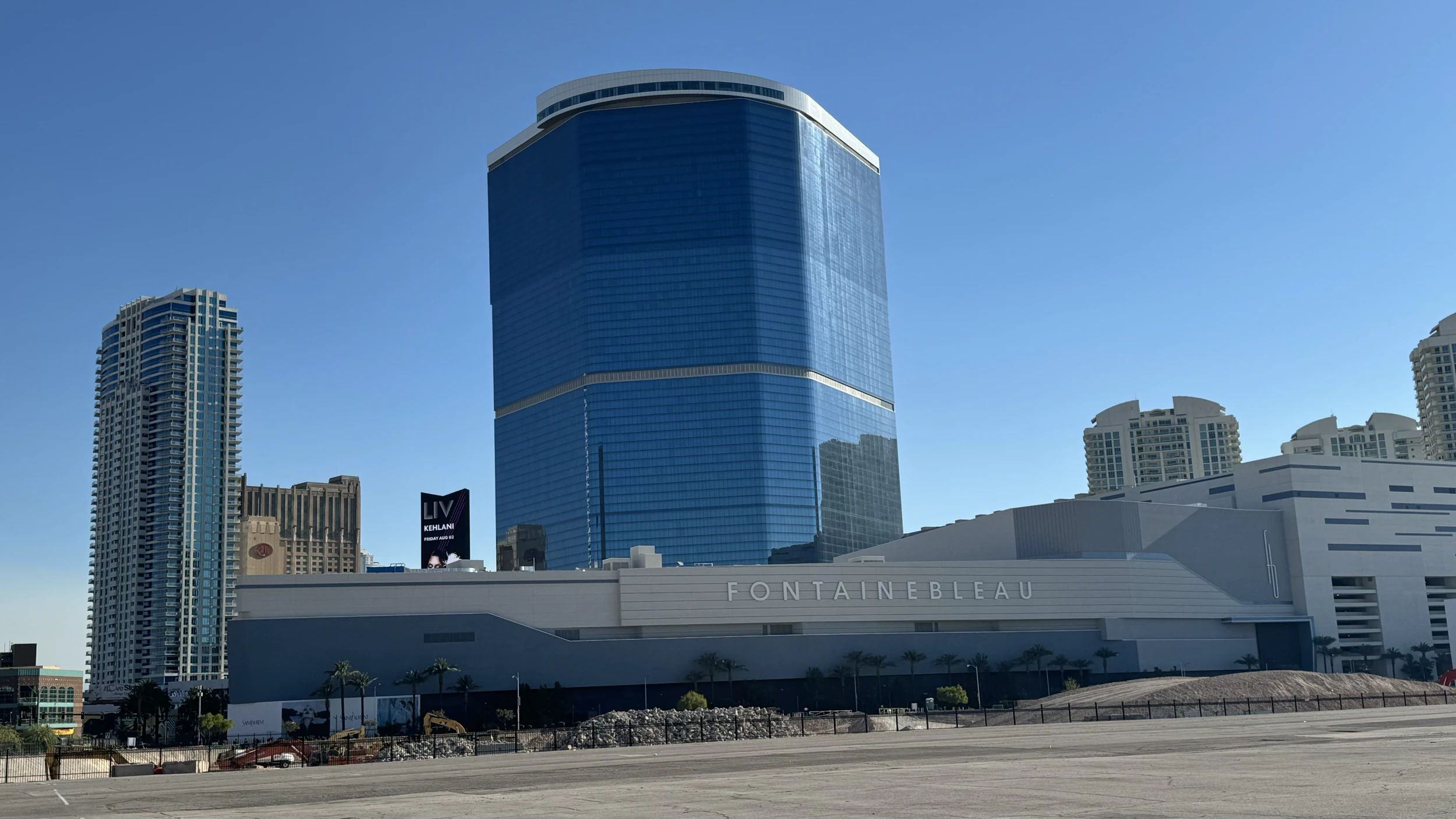
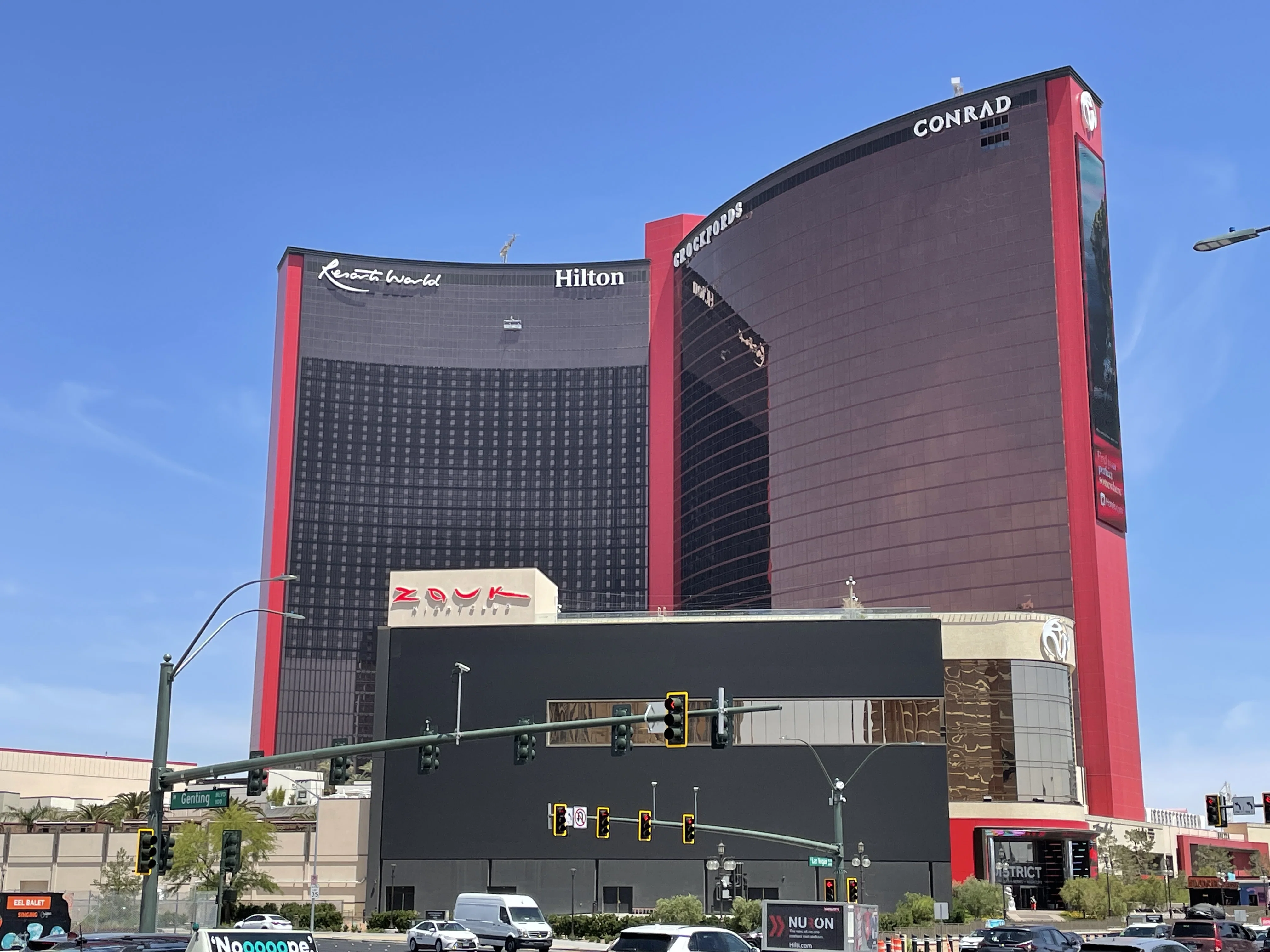
Many strong Las Vegas booths use both: a backlit lightbox to frame the space with a constant brand image, and a focused LED wall as the dynamic centerpiece. Resorts World Las Vegas, with 350,000 square feet of technology-driven meeting space and a stated focus on natural light and digital services, is the kind of environment where layered illuminated displays feel native rather than gimmicky.
Pixel Pitch and Viewing Distance
On an LED wall, pixel pitch (the millimeter gap between LEDs) determines how close a viewer can stand before the image breaks into dots. A fine pitch around 1.5 to 2.5 millimeters suits a wall people approach within arm's reach, while a coarser, cheaper pitch is fine for content read from across an aisle. Specifying pitch to the actual viewing distance avoids paying for resolution no one will see, or buying a wall that looks pixelated up close.
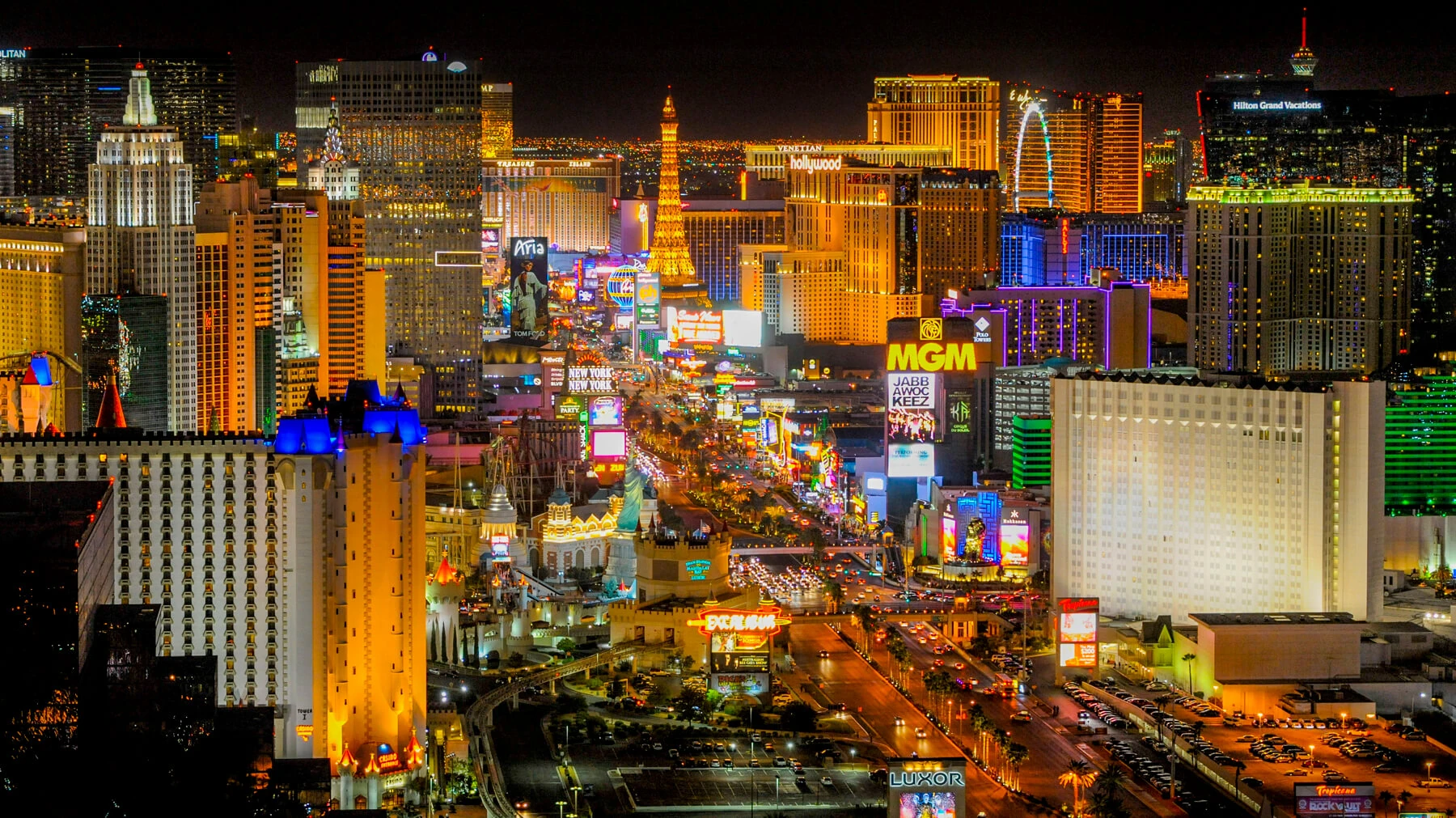
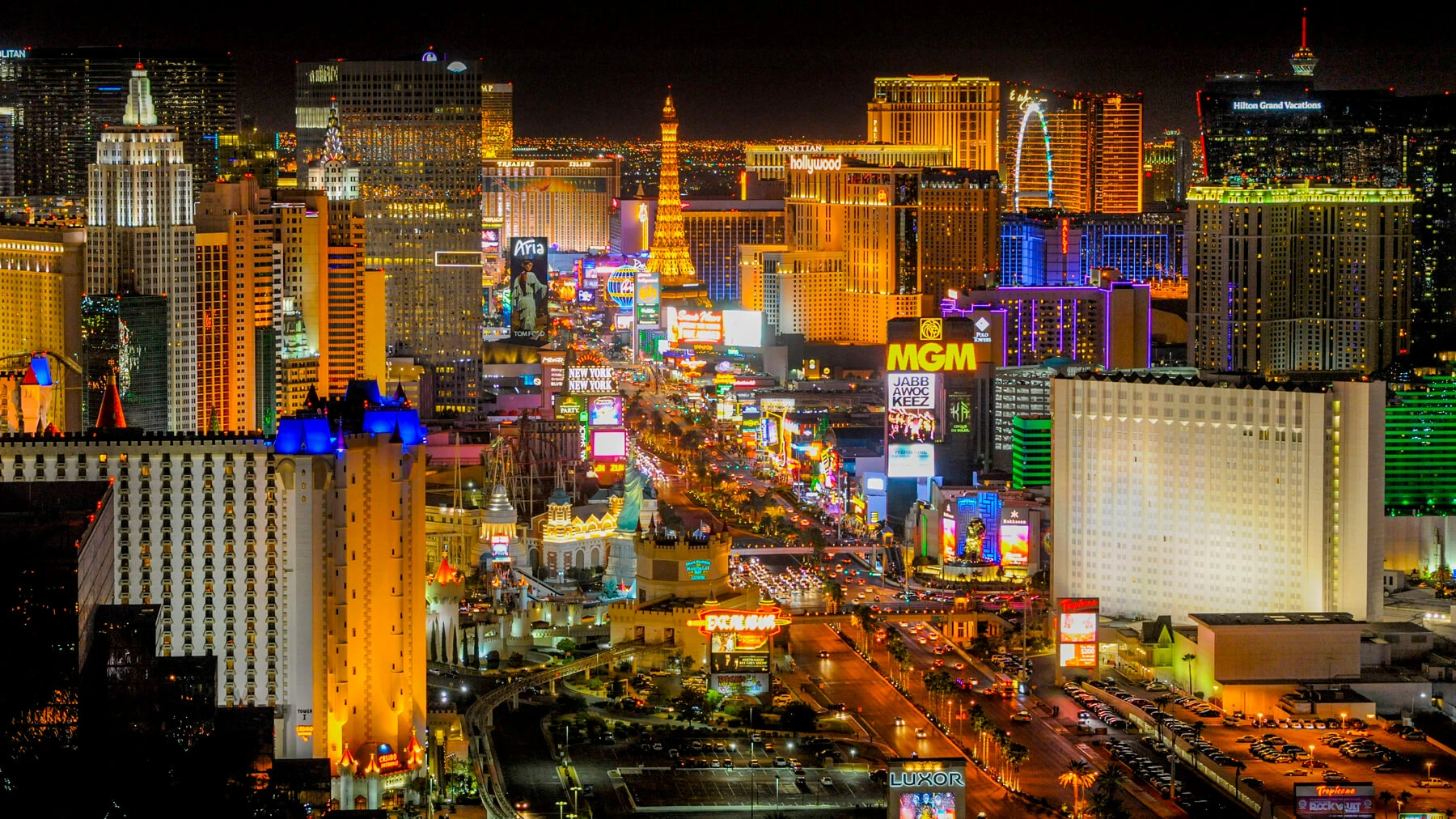
MGM Grand sets a useful reference point for scale and distance: its iconic LED-framed marquee and screens are engineered to read from the Strip, a reminder that big LED canvases are meant for big sightlines. A booth wall is the opposite problem, so size the panels and pitch for the few feet between the LED and the attendee.
Power, Heat, and Show-Floor Reality
LED walls draw real current and generate heat, so power is the first logistics question, not an afterthought. A sizable wall may need dedicated higher-amperage service ordered in advance through the show's electrical contractor, plus processors and cabling routed cleanly out of sight. Backlit light boxes are far gentler on power, which is part of their appeal for exhibitors who want glow without a heavy electrical order.
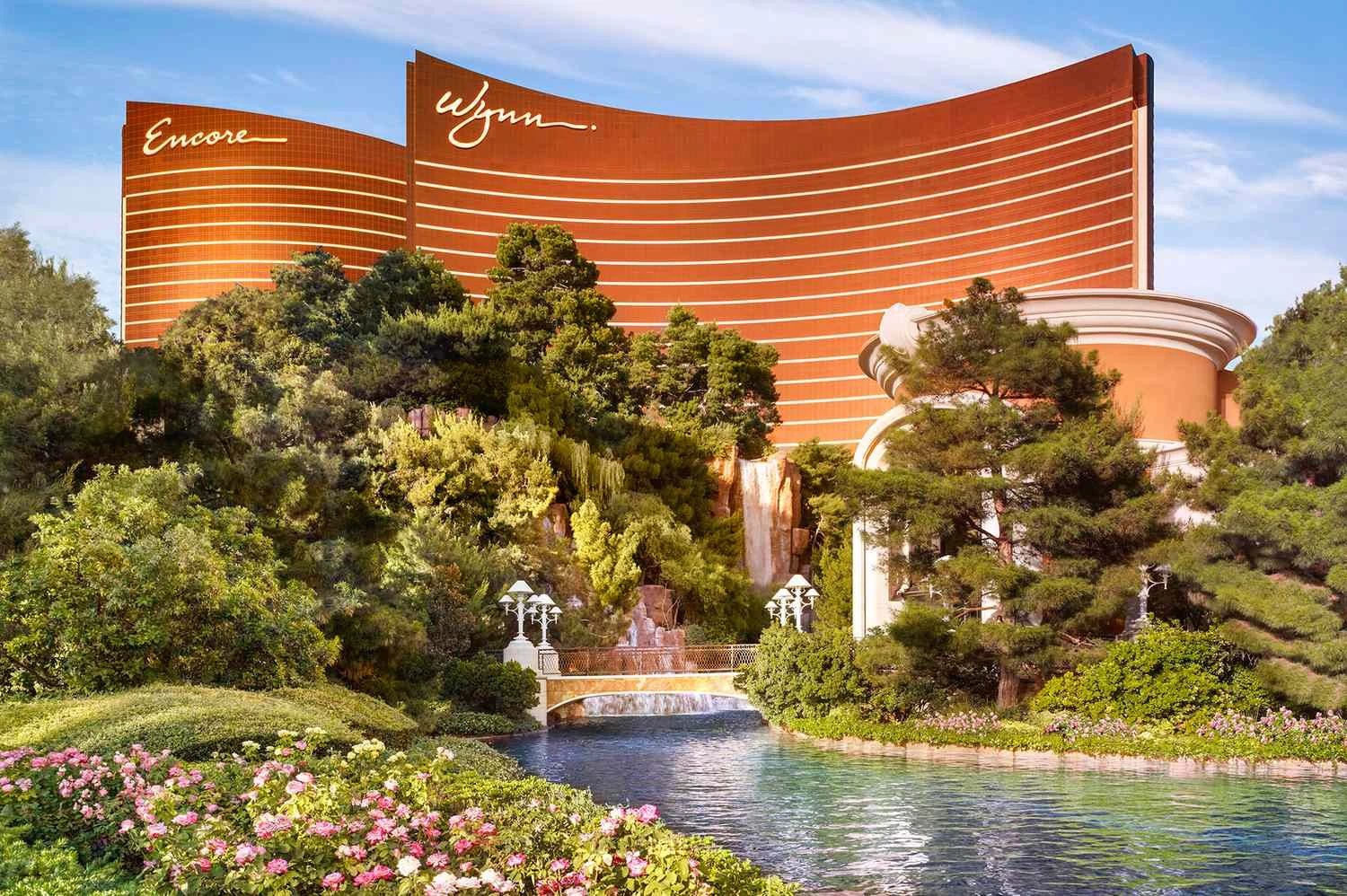
Wynn Las Vegas, whose meeting facilities pair up to 28-foot ceilings with state-of-the-art audio and video infrastructure, shows what a tech-ready environment looks like; on a show floor you must request that capacity rather than assume it. Order power early, confirm the drop location against your booth plan, and build in a backup processor so a single failure does not dark out the centerpiece.
Content Is the Other Half of the Budget
An LED wall is only as good as what plays on it. Looping, legible, motion-forward content built to the wall's exact resolution is what stops traffic; repurposed slide decks rarely do. Budget for content production alongside the hardware, and design loops short enough to land a message in the seconds an attendee glances over.
For backlit graphics, the equivalent investment is print quality and image selection: a high-resolution file and a clean, high-contrast composition make a lightbox sing, while a busy or low-res image looks worse when lit from behind. Either way, the display technology is the delivery system, and the creative is the payload.
Frequently asked questions
What is the difference between a backlit display and an LED wall?
A backlit SEG light box illuminates a fixed printed fabric graphic from within for a steady glow. An LED wall is a grid of panels that plays motion, video, or live data. Light boxes are simpler and cooler; LED walls command attention through movement.
What pixel pitch do I need for a trade show LED wall?
Match pitch to viewing distance. A fine pitch of about 1.5 to 2.5 mm suits walls viewed up close, while a coarser pitch is fine for content read from across an aisle. Specifying pitch to actual distance avoids overpaying or looking pixelated.
Do LED walls need special power at Las Vegas shows?
Yes. LED walls draw significant current and create heat, so dedicated higher-amperage service should be ordered in advance through the show's electrical contractor. Backlit light boxes need far less power.
Are backlit displays brighter than printed graphics?
Backlit SEG light boxes glow from within, so they read far brighter and more vivid than a standard printed panel under ambient hall light, which is why they hold up well against the screen-heavy backdrop of Las Vegas venues.
Should I rent an LED wall for one Las Vegas show?
Renting an LED wall is common and usually wise for a single show, since it bundles panels, processors, and technical support without the capital cost or storage of owning panels you would only use occasionally.
Top venues
See all venues